


Are you looking to add a sweet twist to your backyard bird-feeding routine? Imagine vibrant birds flocking to your garden, enchanted by an irresistible treat.
You might be wondering, can jelly really attract more feathered friends? And if so, what kind of jelly is safe and beneficial for them? You'll discover the delightful world of offering jelly to birds. We'll delve into which types are best and how this simple addition can transform your garden into a lively bird haven.
Your curiosity deserves satisfaction, and your feathered visitors deserve a treat. Keep reading to find out how you can make your backyard the ultimate bird sanctuary with a simple jar of jelly.
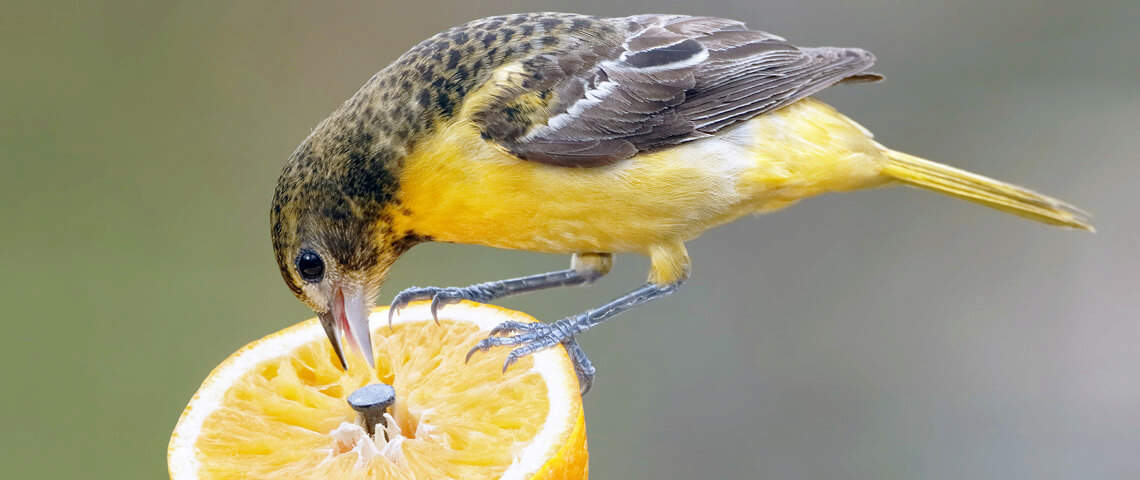
Credit: www.pennington.com
Benefits Of Feeding Jelly To Birds
Feeding jelly to birds can be a delightful experience. It offers them a sweet treat while providing several benefits. Jelly attracts a variety of bird species to your garden. It also provides essential nutrients that birds need to thrive.
Nutritional Advantages
Jelly is rich in sugar, which provides birds with quick energy. This is especially helpful during migration and breeding seasons. Some jellies contain fruit, offering vitamins and minerals. These nutrients support healthy feathers and strong beaks. Feeding birds jelly can supplement their natural diet.
Attracting Different Bird Species
Birds love the sweet taste of jelly. It attracts a wide variety of species to your garden. Orioles are particularly fond of grape jelly. Catbirds and tanagers also enjoy this treat. Offering jelly can help you observe these beautiful birds up close. Adding jelly to your feeder increases bird activity in your yard.
Safe Jelly Options For Birds
Feeding birds can be a delightful activity. Not all jellies are safe for birds. Choosing the right jelly can ensure their health and happiness. Safe options are essential to keep your feathered friends coming back.
Fruit-based Jellies
Fruit-based jellies are a popular choice for bird feeding. These jellies contain natural sugars from fruits. Birds enjoy these flavors and find them appetizing. Opt for jellies made from berries, apples, or grapes. They provide essential nutrients and are easy to digest.
Ensure the jelly is free from artificial preservatives. Natural ingredients ensure birds get the best nutrition. Check labels for additives that could harm birds.
Sugar-free Varieties
Sugar-free jellies are another safe option. Birds can consume these without the risks of excess sugar. These varieties are ideal for health-conscious bird lovers. They prevent obesity and other health issues in birds.
Choose jellies sweetened with natural alternatives. Stevia or fruit extracts make excellent choices. Always verify the absence of artificial sweeteners. These can be harmful to birds and should be avoided.
Types Of Birds That Eat Jelly
Birdwatchers often feed birds grape jelly, a sweet treat loved by orioles and catbirds. This delicious snack attracts vibrant species, offering a delightful sight in your backyard. Ensure the jelly is free from artificial sweeteners and colors to keep feathered friends healthy.
Feeding birds is a delightful activity that brings nature right into your backyard. If you're looking to attract a variety of feathered friends, offering jelly can be an unexpected treat. But, have you ever wondered which types of birds are drawn to this sweet delight?
Common Jelly-eating Birds
Many birds are attracted to the sweet taste of jelly. Orioles are perhaps the most famous jelly lovers. With their bright orange and black plumage, they are a sight to behold as they feast on grape jelly. Another common visitor to jelly feeders is the catbird. They may not be as colorful as orioles, but their sleek, gray bodies and melodious songs make them a joy to watch. Even woodpeckers, such as the red-bellied woodpecker, can be spotted enjoying a jelly treat. Their strong beaks make it easy for them to scoop up the sugary goodness.
Seasonal Visitors
Certain birds are only around for specific seasons, making jelly an enticing option to attract these travelers. During migration periods, you might notice an increase in jelly-eating visitors. The beautiful and elusive tanager is one such seasonal guest. They pass through during the spring and fall, adding a splash of color to your garden. Hummingbirds, known for their love of nectar, may also take a sip of jelly. These tiny birds are a treat to watch as they hover around your feeder. Have you ever noticed an increase in bird activity during certain months? Offering jelly can turn your backyard into a seasonal hotspot for these transient birds. To enhance your bird-watching experience, try experimenting with different types of jelly. Which birds will flock to your feeder next?
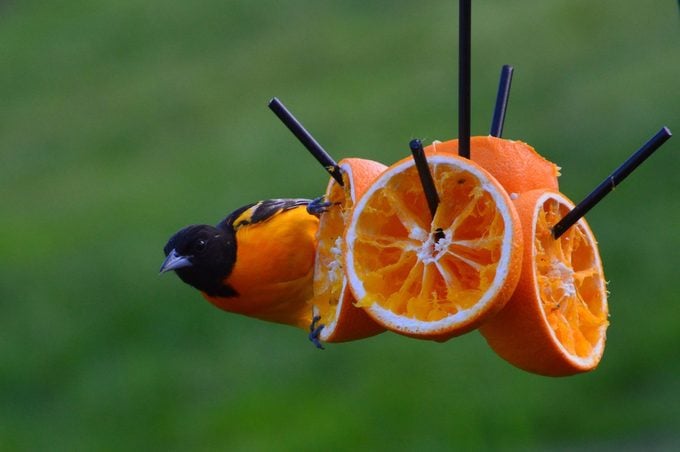
Credit: www.birdsandblooms.com
Preparing Jelly For Bird Feeding
Feeding birds jelly can be a delightful way to attract them. It is important to prepare the jelly correctly to ensure the birds enjoy a safe treat. Proper preparation will enhance the feeding experience for both you and the birds.
Proper Serving Techniques
Place jelly in a shallow dish. Birds can access it easily. Ensure the dish is clean and stable. Use a dish that resists tipping. This prevents spills and attracts more birds. Offer small amounts at first. Adjust as you observe bird activity. Too much jelly can lead to waste.
Avoiding Harmful Ingredients
Choose jelly made from natural fruit. Avoid artificial flavors and colors. These can harm birds. Ensure the jelly has no added sugar. High sugar content is not healthy for birds. Read labels carefully. Look for ingredients like grapes or berries. These are safer for bird consumption.
Alternatives To Jelly For Birds
Birds can enjoy a variety of safe jelly alternatives. Opt for natural fruit spreads without added sugar. Homemade berry compotes also offer a healthy treat option.
When it comes to feeding birds, jelly is a popular choice. But what if you're looking for alternatives? Whether you're out of jelly or just want to try something new, there are plenty of options that birds will love. Let’s dive into some tasty and healthy alternatives that you can offer to your feathered friends.
Fruit Offerings
Fruits are a natural and nutritious option for birds. You can offer sliced apples, oranges, or grapes. These fruits are not only delicious but also packed with vitamins. Bananas are another great choice. Simply cut them into small pieces and place them on your feeder. Birds like robins and bluebirds will flock to your yard for these sweet treats. If you have berries, they're a great option too. Blueberries and strawberries are favorites among many bird species. Just make sure the fruits are fresh and free of pesticides.
Homemade Bird Treats
Creating homemade bird treats can be a fun activity. One simple recipe involves mixing peanut butter with seeds. Roll small balls of the mixture and place them in your feeder. You can also make a bird pudding. Combine suet, oats, and seeds, then mold it into shapes. Birds love the high-energy boost these treats provide. If you're a baker, try making seed cakes. Mix flour, water, and birdseed, then bake until firm. These cakes are a hit, especially during colder months. Have you ever tried experimenting with different bird treats? What works best in your backyard? Share your experiences and see what new ideas you can discover. Your feathered visitors will thank you!
Tips For Safe Bird Feeding
Feeding birds can be a delightful experience, but ensuring their safety is crucial. You might have wondered what type of jelly is safe for birds. While grape jelly is popular, it's essential to serve it right. Let's dive into some practical tips for safe bird feeding, ensuring your feathered friends stay healthy and happy.
Monitoring Bird Health
Keep an eye on the birds visiting your feeder. Do they look vibrant and active? Healthy birds are usually lively and have smooth feathers. If you notice birds looking lethargic or with ruffled feathers, it might be a sign of poor health. Adjust the jelly offering if needed and consider consulting a local bird expert.
Observe any changes in bird behavior. Are they visiting less frequently? Changes might indicate that the jelly or feeding environment needs a tweak. It's important to make adjustments to ensure their well-being.
Creating A Safe Feeding Environment
Ensure your feeder is clean. Dirty feeders can harbor bacteria harmful to birds. Regularly wash the feeder with mild soap and water. You wouldn't want your feeding station to become a health hazard.
Place the feeder in a safe location. Consider predators like cats and hawks. Position feeders away from thick foliage where predators might lurk. You can also place feeders near windows to prevent birds from flying into them.
Limit the amount of jelly offered. Excessive sugar can be harmful to birds, just like it is for humans. A small spoonful is usually enough. Why not try mixing jelly with water to dilute it and reduce sugar intake?
Have you ever thought about offering other food alongside jelly? Birds appreciate variety. Consider adding fruits or seeds to their diet. This can provide them with essential nutrients not found in jelly.
Engage with your local community. Share your bird feeding tips and learn from others. You might discover new ideas or solutions to common problems. After all, feeding birds is a shared joy that brings people together.
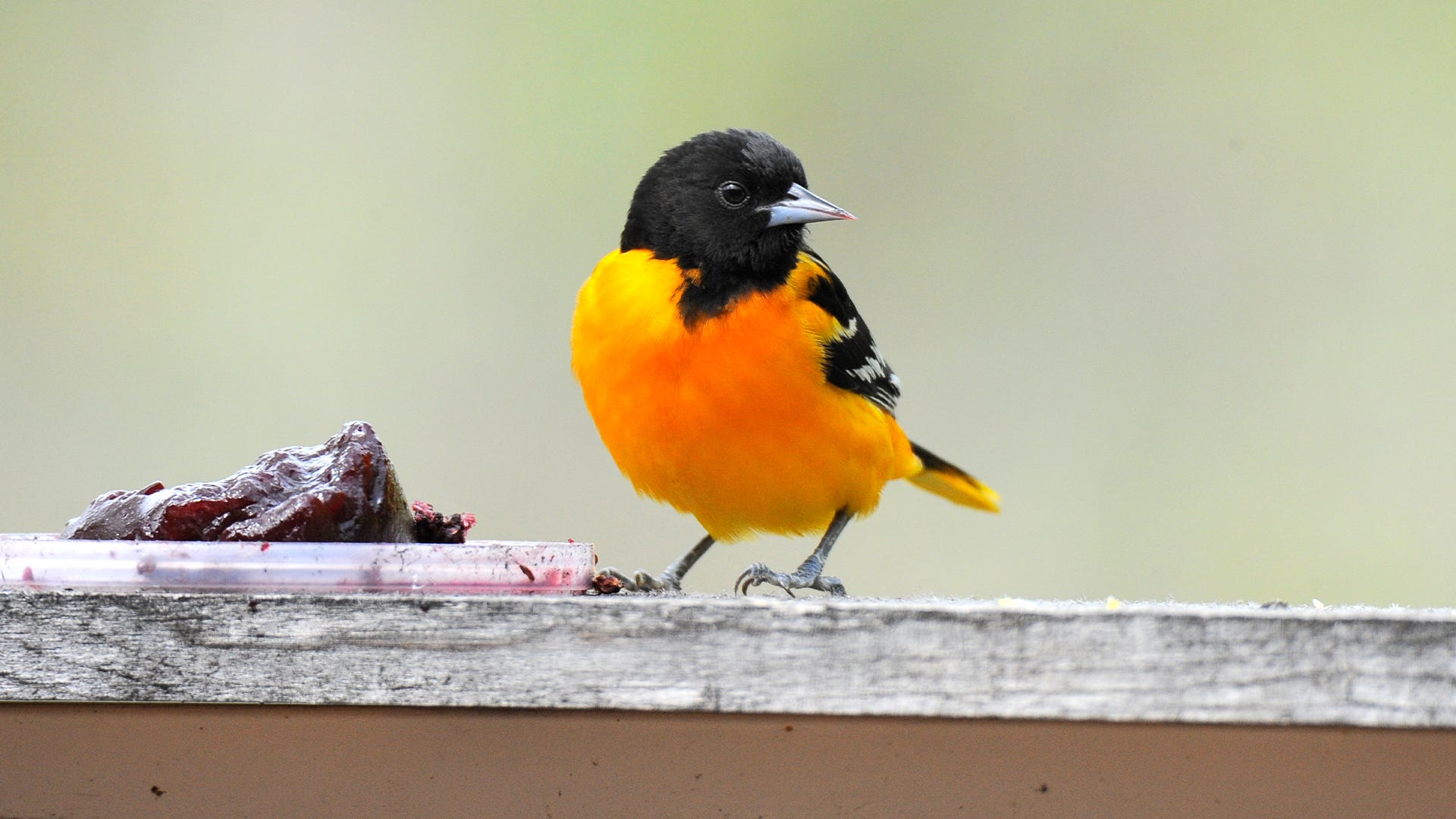
Credit: www.perkypet.com
Frequently Asked Questions
Can Birds Eat Grape Jelly Safely?
Yes, birds can safely consume grape jelly. It is a popular choice among bird enthusiasts. Grape jelly provides a quick energy boost, especially for migrating birds. However, moderation is key to prevent health issues. Offer jelly alongside their regular diet for balanced nutrition.
Is Homemade Jelly Suitable For Birds?
Homemade jelly can be suitable for birds if made without artificial sweeteners. Ensure it contains natural fruit and sugar. Avoid preservatives and additives, as they may harm birds. Homemade jelly offers a fresh and healthy alternative, enhancing birds' nutrition and well-being.
How Often Should Birds Eat Jelly?
Birds should eat jelly occasionally, not as a staple. It should complement their regular diet, not replace it. Offer jelly during migration or breeding seasons for extra energy. Always provide a balanced variety of foods to support their health and dietary needs.
What Fruits Make The Best Jelly For Birds?
Fruits like grapes, apples, and berries make excellent jelly for birds. These fruits are rich in nutrients and energy. They attract a variety of bird species, enhancing birdwatching experiences. Choose organic fruits to ensure safety and health benefits for birds.
Conclusion
Birds enjoy a variety of jelly flavors. Grape jelly works well for most. This sweet treat attracts orioles and other fruit-loving birds. Remember, moderation is key. Too much sugar isn't good for them. Always place jelly in a safe spot.
Keep it clean and fresh. Birds need our help, especially in urban areas. Providing jelly can brighten their day. Just like a tasty snack for us. Feed them responsibly and enjoy their visits. It's a simple joy. One that connects us with nature.