


Have you ever wondered how birds thrive in a world full of challenges? You're about to uncover the fascinating secrets of their survival strategies.
Imagine a bird navigating through harsh winters, evading predators, or finding food in the most unexpected places. These are not just random acts; they are behavioral adaptations that have evolved over time. By understanding these clever tactics, you can gain a deeper appreciation for the avian world and perhaps even spot these behaviors in your backyard.
Stay with us as we explore the incredible ways birds adapt their behavior to conquer life's hurdles. This journey promises to reshape how you see our feathered friends.

Credit: www.madebyteachers.com
Bird Migration Patterns
Bird migration patterns are one of nature's most fascinating phenomena. Many birds travel thousands of miles to find food or breeding grounds. This journey involves intricate behaviors and adaptations. Understanding these patterns reveals the incredible survival strategies birds employ.
Seasonal Movements
Birds migrate in response to changing seasons. They travel from cold regions to warmer areas. This movement ensures access to food and suitable living conditions. Some birds fly south in autumn and return north in spring. This cycle allows them to exploit different environments year-round.
Navigation Techniques
Birds have remarkable navigation skills. They use the sun, stars, and Earth's magnetic fields to guide their journey. Some birds can even recognize landmarks. These techniques ensure they travel the correct route. The ability to navigate precisely is crucial for their survival.
Energy Conservation
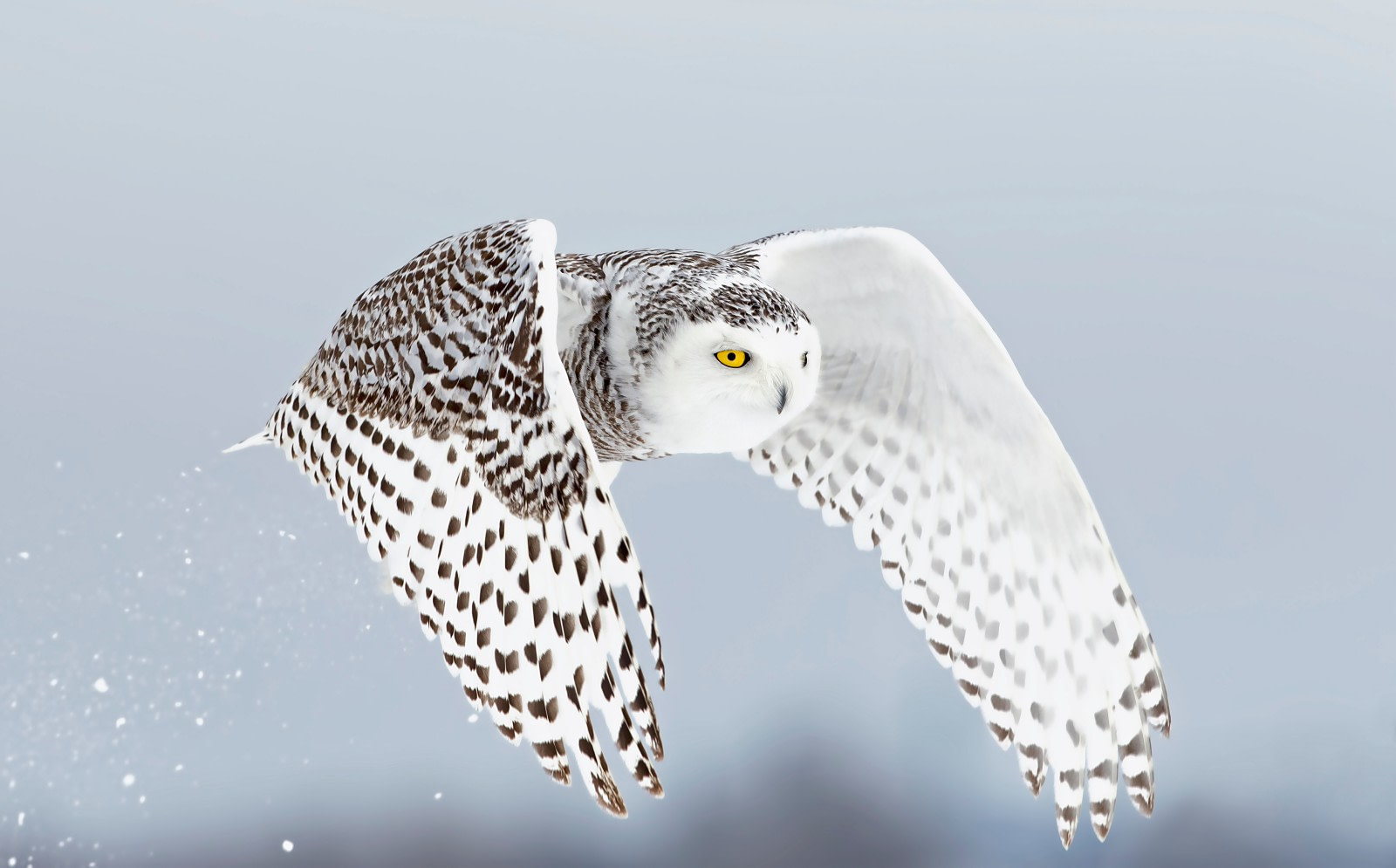
Birds must conserve energy during migration. They fly in formations like the V-shape to reduce air resistance. This method helps save energy over long distances. Birds also rest periodically to replenish their strength. Efficient energy use allows them to complete their journey successfully.
Credit: oceanwide-expeditions.com
Feeding Strategies
Birds are incredible creatures, displaying a variety of feeding strategies that ensure their survival in diverse environments. These strategies are not just about finding food but also about adapting to changes in their habitats and food availability. Whether it's the art of foraging, clever storage methods, or their flexible diets, birds have fascinating ways to keep themselves well-fed. Let's dive into some intriguing aspects of their feeding strategies.
Foraging Techniques
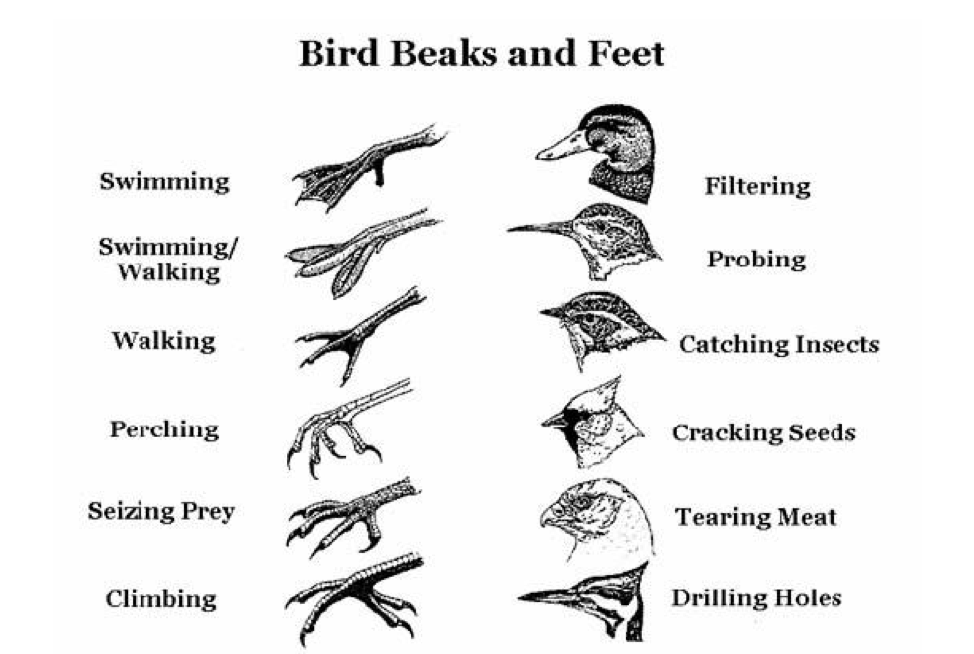
Many birds exhibit unique foraging techniques suited to their environment and physical abilities. Some, like the hummingbird, hover expertly to sip nectar from flowers. Others, such as woodpeckers, use their strong beaks to tap into trees to find insects hidden beneath the bark.
Have you ever watched a seagull drop a clam from a height to crack it open? It's a clever use of gravity to access food. These techniques highlight birds' resourcefulness and adaptability. What foraging strategies have you noticed in your local birds?
Food Storage Methods
Food scarcity can be a challenge, but birds have adapted impressive food storage methods to tackle it. The nuthatch, for example, uses crevices in tree bark to stash seeds for later use. This ensures they have access to food during leaner times.
Similarly, some birds bury food in various locations, relying on their keen memory to retrieve it when needed. Have you ever wondered how these creatures remember so many hiding spots? Their food storage strategies are a testament to their survival instincts.
Dietary Flexibility
Dietary flexibility is another remarkable adaptation seen in birds. While some species have specialized diets, many can adjust their food preferences based on availability. The American crow is a perfect example, thriving on a varied diet that includes fruits, insects, and even human leftovers.
This flexibility allows birds to survive in changing environments, making them resilient in the face of habitat loss or climate change. Could this adaptability be a key factor in their continued survival? Observing such dietary shifts in birds can provide insights into the resilience of nature.
Mating Rituals
Certain birds display fascinating behavioral adaptations during mating rituals. Elaborate dances, vibrant plumage displays, and melodic songs attract mates. These behaviors enhance chances of successful reproduction.
Mating rituals in birds are fascinating displays of behavioral adaptation that ensure the continuation of their species. From colorful dances to complex nest-building skills, these rituals are not just about attracting a mate but also about survival and success in the natural world. Each bird species has its unique approach to courtship, nest building, and parental care, which often leaves observers in awe of nature's ingenuity.
Courtship Displays
Courtship displays are among the most captivating aspects of bird behavior. Think about the elaborate dance of the peacock, with its vibrant feathers fanned out in a mesmerizing display. This isn't just for show; it's a strategic move to attract a mate by showcasing health and vitality. Birds like the bowerbird take it a step further by creating intricate structures, known as bowers, decorated with colorful objects. These displays are a testament to their creativity and resourcefulness. You might wonder, what does this mean for you as an observer? Watching these displays can remind us of the importance of communication and presentation in our own lives.
Nest Building
Nest building is another crucial component of mating rituals. Many birds engage in elaborate construction projects to provide a safe haven for their eggs and future offspring. The weaver bird is an excellent example, creating intricate nests woven from grass and twigs. These nests are not just functional; they also serve as a signal to potential mates of the builder's skill and dedication. Imagine the patience and precision involved in these tasks. It's a reminder of the care and effort required in nurturing any relationship, whether avian or human.
Parental Care
Parental care is the final and perhaps most critical aspect of the mating ritual. Once the eggs are laid, both parents often share the responsibility of incubation and feeding the young. Species like the emperor penguin showcase extraordinary dedication, with parents taking turns to keep their egg warm in the freezing Antarctic climate. What insights can you gain from this? Consider the shared responsibility and teamwork these birds demonstrate. It's a powerful lesson in collaboration and support within families and communities. So next time you observe a bird's mating ritual, think about the lessons it can offer. How can you apply these principles of communication, dedication, and teamwork in your own life?
Communication Methods
Certain birds adapt by mimicking sounds for communication. This helps them blend in or warn others. Some birds use body movements like dances to attract mates or signal danger.
Birds are fascinating creatures with remarkable ways of communicating. Just like humans, they have developed unique communication methods to share information and express emotions. Whether it's through melodious songs, vibrant plumage, or subtle movements, these methods play a crucial role in their survival and social interactions. Understanding how birds communicate can give us insights into their world and even help us appreciate the richness of nature. Let's delve into the diverse ways birds express themselves, from their vocal talents to their body language.
Vocalizations
Birds are like nature's musicians. They fill the air with a variety of sounds, each serving a purpose. From attracting mates to warning of danger, their songs and calls are a vital part of their lives. Imagine waking up to the sound of a robin's morning song. This is not just random noise; it's a message to other robins, saying, "This is my territory." Different species have distinct calls. The shrill alarm call of a blue jay is unmistakable, alerting other birds to nearby predators. Have you ever noticed how some birds mimic sounds? The lyrebird, for example, can imitate chainsaws and car alarms. Such vocal prowess showcases their adaptability and intelligence.
Visual Signals
Birds communicate with more than just their voices. They use their appearance to send messages. Brightly colored feathers can signal health and vitality. In the bird world, a vibrant plumage can attract mates. Consider the peacock's tail. It's not just for show; it's a powerful tool in courtship. The more impressive the display, the better the chance of attracting a partner. Some birds change color based on the season. The Arctic tern, for instance, turns white in winter, blending with snow to evade predators. Have you ever wondered why some birds puff up their feathers? It's a visual display, often used to appear larger when threatened or during courtship rituals.
Body Language
Birds also use body language to express themselves. Subtle movements can convey powerful messages. A simple wing flick might indicate irritation or impatience. Think about how sparrows hop around each other. These movements are a dance of social interaction, establishing hierarchy and understanding among the group. Have you ever watched a bird tilt its head? This is often a sign of curiosity or assessment of its surroundings. Some birds, like the albatross, perform elaborate dances. These rituals are crucial for bonding and establishing lifelong partnerships. Next time you're outside, take a moment to observe the birds around you. Their communication methods are diverse and fascinating. By understanding them, you not only enhance your birdwatching experience but also gain a deeper appreciation for the complexities of nature. What new insights will you discover on your next outdoor adventure?
Social Structures
Birds exhibit fascinating behavioral adaptations for survival. Some species use mimicry to deceive predators. Others form complex social structures, enhancing protection and resource gathering. These adaptations ensure the birds thrive in diverse environments.
Birds are fascinating creatures, not just because of their ability to fly, but also due to their complex social structures. These social behaviors help them adapt to their environments and increase their chances of survival. By observing these behaviors, you can gain insights into how birds communicate, collaborate, and even compete with each other.
Flocking Behavior
Imagine walking through a park and suddenly witnessing hundreds of birds moving in perfect unison. This is flocking behavior. It’s not just for show; it’s a strategic adaptation for survival. Flocking helps birds confuse predators. When predators see a large, moving mass, it’s harder for them to single out one bird. This behavior also improves foraging efficiency. Birds can find food faster when they work as a team. But flocking isn’t just about safety and food. It’s a social activity that strengthens bonds between birds. Have you ever thought about how we, as humans, also tend to gather in groups for similar reasons?
Territoriality
Birds can be fiercely territorial, especially during mating seasons. They establish boundaries to protect their resources, such as food and nesting sites. Some birds use songs or calls to mark their territory. Others might engage in aerial displays or even physical confrontations. Have you noticed how similar this is to our own need for personal space? Territoriality ensures that birds have enough resources to raise their young. It’s a practical strategy that balances cooperation and competition.
Cooperative Breeding
In some bird species, you’ll find a unique adaptation called cooperative breeding. Here, non-breeding birds help raise the young. This collaboration often involves siblings or previous offspring. By sharing responsibilities, birds increase the survival rate of their chicks. This behavior is like a family pitching in to help with a new baby. It’s heartwarming and practical. Cooperative breeding also strengthens social bonds. It ensures that birds learn parenting skills, preparing them for future breeding opportunities. Isn’t it interesting how cooperation can be a strategy for success in both birds and humans? Next time you observe birds, think about these social structures. How do these behaviors mirror our own social interactions? By understanding them, you might discover new ways to enhance your own community connections.
Credit: www.nps.gov
Survival Tactics
Birds are masters of survival in various habitats. Their behavioral adaptations enable them to thrive despite challenges. These survival tactics ensure they evade predators, blend into environments, and coexist in urban areas.
Predator Avoidance
Birds employ clever strategies to escape predators. Some birds distract predators by feigning injury. This tactic leads the predator away from nests. Others use alarm calls to warn fellow birds of danger. Group living offers additional protection. Many birds flock together to confuse predators. Safety in numbers works well.
Camouflage Techniques
Camouflage helps birds stay hidden. Plumage often matches the surrounding landscape. Sandpipers, for example, blend with sandy shores. Forest birds use brown and green hues to merge with trees. Nightjars have mottled feathers that mimic the forest floor. This disguise makes them nearly invisible.
Adaptation To Urban Environments
Urban areas pose new challenges. Birds adapt by changing nesting sites. Some nest on buildings instead of trees. They learn to feed on human leftovers. Pigeons and sparrows thrive in cities by scavenging. Birds also adjust their songs. Urban noise influences their vocalizations. They sing at higher pitches to be heard over city sounds.
Frequently Asked Questions
What Is Behavioral Adaptation In Birds?
Behavioral adaptation in birds refers to actions that enhance survival and reproduction. These adaptations help birds find food, evade predators, and adapt to their environments. Some birds migrate seasonally, while others develop unique feeding habits. These behaviors are crucial for their survival and evolutionary success.
How Do Birds Adapt To Different Climates?
Birds adapt to different climates through migration and behavior changes. In cold climates, some birds migrate to warmer areas. Others develop behaviors like huddling for warmth or changing feeding patterns. These adaptations help them cope with temperature extremes and food availability.
Why Do Some Birds Migrate Long Distances?
Some birds migrate long distances to access seasonal resources. Migration allows birds to exploit different environments throughout the year. It helps them find food, breeding sites, and optimal living conditions. This behavior increases their survival chances and reproductive success.
How Do Birds Use Mimicry As An Adaptation?
Birds use mimicry to protect themselves from predators and attract mates. Some birds mimic the calls of other species to deter predators. Others imitate sounds to communicate or blend into their environment. This adaptation enhances their chances of survival and reproduction.
Conclusion
Birds amaze us with their unique behaviors. Each species adapts to survive. Some migrate long distances for food. Others change colors for protection. Singing helps them communicate and find mates. Building nests shows their creativity and skill. These adaptations are vital for survival.
They face challenges like predators and climate changes. Yet, they evolve and thrive. Observing birds teaches us about nature's wonders. Their behaviors inspire curiosity and respect. So, next time you watch birds, notice their adaptations. It reveals their incredible journey of survival and adaptation.