


Imagine the vibrant colors of oriole birds gracing your garden, their cheerful songs bringing a touch of nature's orchestra right to your doorstep. You're probably wondering what to feed these beautiful creatures to keep them coming back for more.
Feeding oriole birds isn't just about tossing out any birdseed; it's about understanding their unique dietary needs. By learning what these birds love to eat, you can transform your backyard into a haven that attracts not only orioles but a variety of feathered friends.
Dive into this guide to discover the perfect diet for oriole birds and ensure your garden becomes their favorite spot. Your feathered companions will thank you with their joyful presence and delightful melodies.
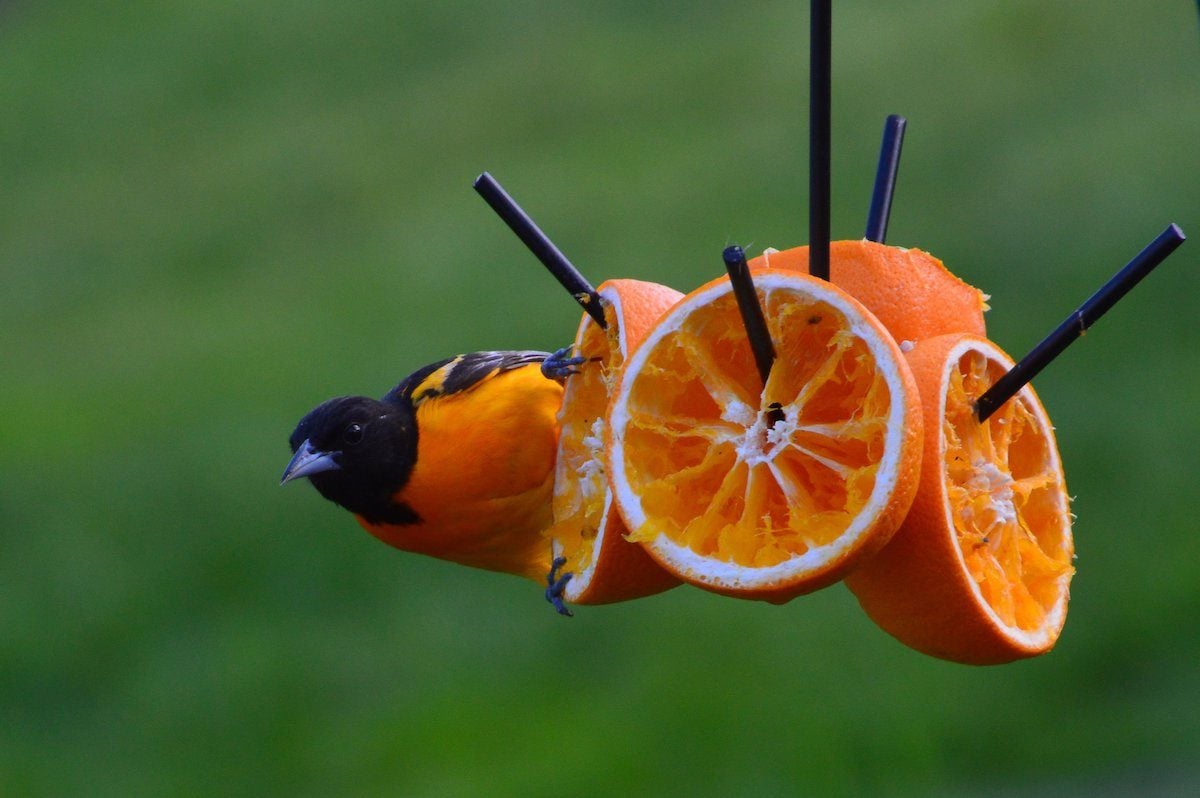
Credit: www.birdsandblooms.com
Oriole Diet Basics
Understanding the dietary needs of oriole birds can transform your backyard into a vibrant hub of activity and color. Orioles are known for their striking plumage and enchanting songs, and feeding them can be a rewarding experience. But what do these beautiful birds prefer to eat?
Natural Foods
Orioles have a natural inclination towards sugary foods. In the wild, they thrive on nectar from flowers, much like hummingbirds. They also enjoy fruits such as oranges, grapes, and berries. Have you ever noticed how quickly they are drawn to freshly cut fruits in your garden?
Insects form an essential part of their diet, providing the protein necessary for their health. Orioles are adept hunters, often seen picking caterpillars, beetles, and spiders off leaves and branches. This insect consumption is particularly important during breeding season when they need extra energy.
Seasonal Preferences
Orioles’ food preferences change with the seasons. In spring, they are more inclined towards nectar and fruit as they prepare for the breeding season. Setting out sugar water feeders can attract them to your yard during this time.
In summer, their diet shifts slightly to include more insects. This change ensures they meet the higher protein demands for rearing chicks. Offering mealworms can be an excellent way to supplement their natural diet.
As autumn approaches, orioles start to look for high-energy foods to prepare for migration. They again turn to fruits and nectar, which provide the necessary sugars for their long journey. Are you ready to keep your feeder stocked to support these travelers?
Feeding orioles can bring you closer to nature and offer a fascinating glimpse into their world. By understanding their dietary needs and preferences, you can create a welcoming environment that keeps them coming back season after season. So, what’s on your oriole menu today?

Credit: www.audubon.org
Homemade Nectar Recipes
Orioles are beautiful birds known for their vibrant colors and melodious songs. Feeding them homemade nectar is a great way to attract them to your garden. By preparing nectar at home, you ensure they get the essential nutrients without harmful additives. Let's explore how to make perfect nectar for these lovely creatures.
Sugar-to-water Ratio
The right sugar-to-water ratio is crucial for homemade nectar. Mix one part sugar with four parts water. This ratio mimics the natural sweetness of flowers. Ensure the sugar dissolves completely in the water. Stir until no crystals remain. Let the mixture cool before serving it to the birds.
Avoiding Additives
Avoid using dyes or artificial colors in the nectar. These additives can harm oriole birds. Stick to plain white sugar for the recipe. Do not use honey, brown sugar, or artificial sweeteners. These can cause health problems for the birds. Plain sugar and water provide the safest nectar for orioles.
Fruit Feeding Options
Oriole birds enjoy a diet rich in fruits and nectar. Offer them sliced oranges and grape jelly. Keep feeders clean to attract these vibrant birds.
Orioles are vibrant, colorful birds that bring a splash of sunshine to your backyard. These beautiful creatures are particularly fond of fruits. Providing them with the right fruit options can attract more orioles to your garden and keep them healthy. But what fruits do they love the most, and how should you serve them? Let’s dive into some effective fruit feeding options for orioles.
Best Fruits For Orioles
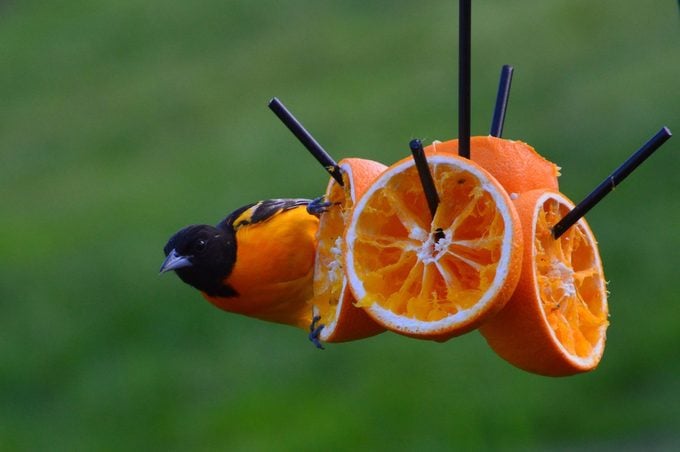
Orioles have a sweet tooth, and they thrive on a diet rich in natural sugars. Oranges are a top choice, and cutting them in half and placing them on a feeder can make your garden irresistible to these birds. Grapes are also a favorite. You can offer them whole or cut them in half for easier access. Another excellent option is berries such as blueberries, raspberries, and blackberries. Their size and sweetness make them perfect for orioles. Melons like cantaloupe and watermelon are also great, especially during the summer months.
Serving Techniques
Serving fruits to orioles can be a fun and creative process. One effective technique is using a specialized oriole feeder. These feeders often have spikes or cups designed to hold fruit securely. If you don't have a specialized feeder, you can improvise with a shallow dish. This is a great way to offer berries or small fruit pieces. Make sure to change the fruit regularly to keep it fresh. A personal tip: I once experimented by hanging orange halves on a clothesline in my garden. It was fascinating to see how quickly the orioles discovered this unexpected treat. Have you tried a unique method to feed orioles? Consider experimenting and observing what works best in your space. Remember, the key to attracting orioles is to offer a variety of fruits. They enjoy the change and are more likely to visit your garden frequently. Keep your feeding station clean and inviting, and enjoy the vibrant company of these delightful birds.
Insect-based Foods
Orioles are vibrant birds known for their striking colors and melodious songs. They thrive on a diet rich in insects. Insect-based foods are essential for their health and energy. These foods provide vital nutrients. They play a crucial role in their growth and reproduction. Let's explore the best insect-based foods for orioles.
Protein Sources
Insects offer a rich source of protein for orioles. Mealworms are a favorite choice. They are easy to find and store. Crickets also make excellent protein sources. They are high in nutrients. Ants and beetles are natural options that orioles enjoy. These insects are part of their natural diet. Providing diverse insect options ensures proper nutrition.
Feeder Recommendations
Offering insect-based foods in feeders attracts orioles. Tube feeders are great for mealworms. They keep the food dry and accessible. Tray feeders allow insects like crickets to be offered. They are easy to clean. Use feeders with small openings for beetles. This prevents spillage and waste. Position feeders near trees or shrubs. Orioles feel safe and secure while feeding. Regularly clean feeders to ensure hygiene. This prevents disease spread among birds.
Feeder Types For Orioles
Orioles are vibrant songbirds, adding color and melody to your garden. To attract these beautiful birds, providing the right feeder is essential. Orioles have specific feeding habits, so choosing a feeder that caters to their needs is crucial. Let's explore the different feeder types that can help you welcome orioles to your backyard.
Choosing The Right Feeder
Orioles prefer feeders that offer a mix of foods. You can choose from nectar feeders, fruit feeders, or jelly feeders. Nectar feeders provide a sweet liquid similar to natural flower nectar. Look for designs with bright colors to attract orioles. Fruit feeders hold cut fruits like oranges and grapes. These feeders are simple and effective. Jelly feeders offer a sweet treat that orioles love. Choose feeders with small cups for easy jelly placement.
Placement Tips
Proper feeder placement enhances your chances of attracting orioles. Place the feeder in a visible and open area. Orioles are attracted to bright colors, so consider hanging feeders near colorful flowers. Avoid placing feeders too close to windows to prevent collisions. Keep feeders away from predators like cats. Regularly clean the area under the feeder to prevent mold and disease. Ensuring a clean and safe environment encourages orioles to visit often.
Maintaining Feeding Stations
Maintaining feeding stations for oriole birds is essential for their health. These stations provide a consistent food source. They also attract vibrant orioles to your backyard. Proper maintenance ensures the longevity of these feeding areas. It also promotes the wellbeing of the visiting birds. Regular attention to feeding stations prevents disease. It keeps food fresh and safe for consumption.
Cleaning Practices
Cleaning feeding stations prevents disease spread among birds. Use warm water and mild soap. Rinse thoroughly to remove residue. Allow the feeder to dry completely before refilling. Clean the station weekly to maintain hygiene. This practice prevents mold and bacterial growth. A clean station ensures birds are safe while feeding.
Preventing Spoilage
Preventing spoilage is crucial for bird health. Replace food regularly to keep it fresh. Store food in cool, dry places. Use airtight containers for storage. Check food for mold before refilling feeders. Spoiled food harms birds and deters them from returning. Fresh food attracts orioles and keeps them healthy.
Seasonal Feeding Adjustments
Understanding the dietary needs of oriole birds is crucial for attracting them to your backyard. However, their feeding preferences change with the seasons. Adjusting what you offer can make a significant difference in keeping them around and healthy. Discover how you can adapt your feeding strategies according to the time of year to ensure these vibrant birds are well-nourished.
Spring Feeding
Spring is a lively time for orioles, as they return from their winter migration. During this season, they crave energy-rich foods. Offering orange halves and grape jelly is a great way to get their attention. Orioles are attracted to the bright colors and sweet tastes.
Have you tried placing oranges on a feeder? You'll be surprised at how quickly orioles find them. A friend of mine tried this with great success, noticing more visits as the days warmed up. This simple adjustment can fill your garden with the cheerful songs of orioles.
Fall Migration Considerations
As fall approaches, orioles prepare for their long journey south. They require foods that provide stamina and strength. Consider adding mealworms and fat-rich suet to your offerings. These options are packed with protein and help boost their energy reserves.
Think about your own travel preparations; how you ensure you have enough fuel for the journey. Orioles need the same kind of support. By providing the right nutrients, you can aid their migration and enjoy their presence a little longer before they head off.
Have you ever noticed the change in oriole behavior as fall arrives? Observing these transitions can be fascinating. What adjustments will you make to help these incredible birds on their seasonal journey?
Common Mistakes In Oriole Feeding
Feeding oriole birds can be a delightful experience. But mistakes can happen. These errors might deter these vibrant birds from visiting your garden. Understanding common pitfalls ensures you provide the best for your feathered friends.
Overfeeding Issues
Overfeeding can cause several problems. Birds may become reliant on human-provided food. This affects their natural foraging skills. It can also lead to spoiled food. Rotten food attracts pests and can harm orioles. Offer just enough to last a day. This keeps the food fresh and safe.
Inappropriate Food Choices
Orioles have specific dietary needs. Offering the wrong food can harm them. Avoid giving them bread, crackers, or milk. These foods offer little nutrition. They can also cause digestive issues. Instead, provide fruits, nectar, and mealworms. These foods meet their nutritional needs. Ensure nectar is homemade or store-bought, without dyes.
Credit: www.birdsandblooms.com
Frequently Asked Questions
What Do Orioles Eat In The Wild?
Orioles in the wild primarily eat insects, fruits, and nectar. They enjoy caterpillars, beetles, and spiders for protein. For fruits, they prefer berries and oranges. They also sip nectar from flowers, similar to hummingbirds. Providing these foods in your backyard can attract orioles.
Can Orioles Eat Jelly?
Yes, orioles love grape jelly. It’s a sweet treat that mimics natural nectar. Offering a small dish of grape jelly in your backyard can attract them. Ensure the jelly is free from artificial sweeteners. Moderation is key to prevent them from becoming reliant on sugary foods.
Is It Safe To Feed Orioles Sugar Water?
Yes, feeding orioles sugar water is safe in moderation. Mix one part sugar with six parts water. Avoid using honey or artificial sweeteners. Sugar water mimics nectar, a natural food source. Ensure the feeder is clean to prevent mold. Regularly change the solution to keep it fresh.
Do Orioles Eat Mealworms?
Orioles do eat mealworms, especially during breeding season. Mealworms provide essential protein for growing chicks. Offer dried or live mealworms in a shallow dish. This can supplement their diet, especially when natural food sources are scarce. Attracting orioles with mealworms can boost their survival rates.
Conclusion
Feeding oriole birds isn't hard. Offer them juicy fruits and nectar. These birds love oranges and berries. Keep their feeders clean to avoid germs. Fresh water is important too. Oriole birds enjoy variety, so mix things up. This attracts them and keeps them healthy.
Be patient. Orioles might take time to visit your yard. Once they do, you'll enjoy their beauty and song. Watching them is a joy. Your efforts will pay off when they come back every season. Make your garden their favorite dining spot.
Happy bird feeding!