


Have you ever noticed how nature often surprises us with its fascinating quirks? In the world of birds, there's a curious pattern that might intrigue you: some species boast larger males than females.
This isn't just a random occurrence; it's a captivating phenomenon that tells tales of survival, attraction, and the mysterious dance of evolution. Imagine exploring the skies and understanding why some male birds grow bigger than their female counterparts. By the end of this article, you'll gain insights into these unique species and discover what drives this intriguing size difference.
Get ready to uncover the secrets hidden in their feathers and understand the reasons behind their remarkable size. Keep reading to satisfy your curiosity about the avian world and its extraordinary inhabitants.
Bird Species With Larger Males
In certain bird species, males are notably larger than females. Eagles, peacocks, and wild turkeys exhibit this size difference. This adaptation often helps them attract mates and defend territory.
Bird watching can be a thrilling adventure, especially when you notice the size differences between males and females in certain species. In the bird world, many species exhibit sexual dimorphism, where the two sexes differ in size, color, or shape. While in some birds, females are larger, there are fascinating species where males take the size crown. This can be an intriguing fact to ponder during your next bird-watching session.
Peafowl: The Showy Giants
The male peafowl, or peacock, is a classic example of larger males. His elaborate tail, with its vibrant colors and eye-catching patterns, is both a display of beauty and size. The peacock's grandeur isn't just for show; it's a critical aspect of attracting mates.
Emu: The Gentle Giants Of Australia
Male emus are larger than their female counterparts. These flightless birds are known for their nurturing roles, with males taking charge of incubating the eggs and caring for the young. Their size provides warmth and protection, ensuring the survival of their offspring.
Ruff: The Feathered Warriors
In the case of the ruff, males are larger and sport spectacular plumage during the breeding season. This added size and color help them in their unique mating dances, where they compete vigorously for female attention. Watching these displays can make you question the role of size in survival and attraction.
Sage Grouse: The Bold Performers
Male sage grouse are larger and known for their impressive courtship rituals. Their size is not just physical; their bold displays and sounds are designed to captivate females. Observing these birds can make you wonder about the balance between strength and grace in the animal kingdom.
Quetzal: The Mystical Beauties
Male quetzals are larger and more colorful than females. Their long tail feathers and vivid colors make them a sight to behold in Central American forests. Their size and beauty are not just for admiration; they play a crucial role in their mating rituals. Why do you think these birds have evolved such noticeable size differences? Could it be purely for mating purposes, or might there be other advantages? When you're out in nature, spotting these larger males can be a delightful challenge. Take a moment to appreciate their size and role in their ecosystems. What other bird species have you noticed with similar patterns?

Credit: northernwoodlands.org
Understanding Sexual Dimorphism
Understanding sexual dimorphism is crucial in the world of birds. This term describes the differences in size, color, and shape between males and females of the same species. Sometimes, these differences are subtle, but in some bird species, they're quite pronounced.
Have you ever watched a bird and wondered why the male is larger than the female? Sexual dimorphism is the answer. It's fascinating to see how nature designs these differences to enhance survival and reproduction. You'll be amazed by how these differences impact bird behavior and lifestyle.
Why Are Male Birds Often Larger?
In many species, males are larger due to their role in protecting territory and competing for mates. A bigger size can mean more strength and power, which helps during fights with rivals. This size advantage also plays a role in attracting females, as larger males are often seen as more desirable.
Imagine witnessing a male peacock spreading its grand tail feathers. It's not just a sight to behold but a strategic move to win over a mate. You might wonder if this larger size comes with any drawbacks. While it can lead to more energy expenditure, it often pays off in securing a mate.
What Bird Species Have Large Males?
Several bird species exhibit noticeable size differences between males and females. In the raptor family, like eagles and hawks, males are often larger. Their size helps them hunt effectively and defend their territory.
Think about the majestic Bald Eagle. The male's larger size aids in catching prey and provides a better chance at survival. Can you imagine how vital these traits are during the harsh winter months? A strong, capable male can make all the difference.
How Does This Affect Bird Behavior?
Sexual dimorphism significantly affects bird behavior and social structures. Larger males often take on leadership roles within their groups. Their size and strength make them natural protectors and leaders.
Consider the dynamics in a flock of birds. The larger males might lead the charge during migration or find the best nesting spots. Have you ever noticed how the smaller females often follow their lead? This hierarchy ensures the group's safety and success.
What Can We Learn From Bird Sexual Dimorphism?
Understanding sexual dimorphism in birds offers insights into evolution and survival strategies. It shows how species adapt to their environments and increase their chances of reproduction. Observing these birds can teach you about the balance between strength and strategy.
Next time you watch birds in your backyard, take a closer look at their interactions. You might spot the subtle signs of sexual dimorphism. How does this affect their daily lives and interactions? It’s a fascinating glimpse into the natural world’s complexity.
Eagles And Hawks
Eagles and hawks captivate bird enthusiasts with their majestic presence. They are powerful raptors, known for their keen eyesight and hunting prowess. These birds of prey exhibit fascinating size differences between males and females. Understanding these differences offers insights into their roles in the wild.
Size Differences In Raptors
In many eagle and hawk species, males are larger than females. This size difference, called reverse sexual dimorphism, is common among raptors. Larger males often excel in hunting and defending territory. They can catch larger prey, providing more food for their mates and offspring. This size advantage is crucial during the breeding season.
Role Of Male Eagles
Male eagles play vital roles in their families. They hunt and bring food to the nest, ensuring the family's survival. Their larger size helps them in protecting the nest from predators. This protective nature makes them excellent guardians. Males also share the responsibility of incubating eggs. They take turns with the females, allowing them to rest and hunt. This teamwork ensures the eggs stay warm and safe.

Credit: www.sciencenews.org
Peacocks And Peahens
Peacocks, with their stunning tail feathers, are larger than their female counterparts, peahens. This size difference is common among bird species, where males often boast more impressive physical traits to attract mates. Peacocks exemplify this with their vibrant plumage and grand displays.
Peacocks and peahens are enchanting birds known for their vibrant plumage. The peacock, the male of the species, is famous for its striking, colorful tail feathers. Peahens, the females, have a more subdued appearance with brown tones. The size difference between these birds is intriguing, with males noticeably larger. This size difference plays a significant role in their mating rituals and behaviors.
The Peacock's Display
Peacocks use their large tails to attract peahens. Their feathers are iridescent and eye-catching. During the mating season, peacocks fan out their tails. This display showcases their size and beauty. The tail feathers have spots that look like eyes. These spots are called ocelli. They shimmer in the sunlight. The peacock's dance is an important part of the display. They shake their feathers to catch attention. This impressive show is all about winning a mate.
Female Selection And Male Size
Peahens choose mates based on size and display. Larger peacocks often have better chances. Their size signals strength and health. Peahens prefer vibrant colors and large tails. These traits suggest good genes. The choice impacts offspring quality. This selection process has shaped peacock evolution. Bigger males with stunning tails are favored. Over time, this has influenced the species' traits. This interaction highlights natural selection's role. It shows how size and beauty evolve together. Peacocks continue to captivate with their grandeur.
Birds Of Paradise
The Birds of Paradise are a wonder of nature. Found mainly in New Guinea, these birds captivate with their vibrant colors and elaborate displays. Males are larger and more colorful than females. This difference plays a crucial role in their lives. Their unique features and behaviors make them fascinating to bird lovers worldwide.
Unique Traits In Males
Males of the Birds of Paradise species boast stunning feathers. These feathers often display bright blues, greens, and yellows. Their plumage helps them stand out in the dense jungle. Males also have intricate dances. These dances are crucial during mating seasons. Their large size helps in their performance. The larger size and brighter colors give them an edge. These traits showcase their health and vitality.
Implications For Mating
The size and color differences have mating implications. Females choose mates based on their displays. The larger males have more success. Their vibrant colors attract more attention. These traits indicate good genes and strong health. Females prefer these males for the survival of their offspring. The competition among males is fierce. Only the best performers succeed in finding a mate.
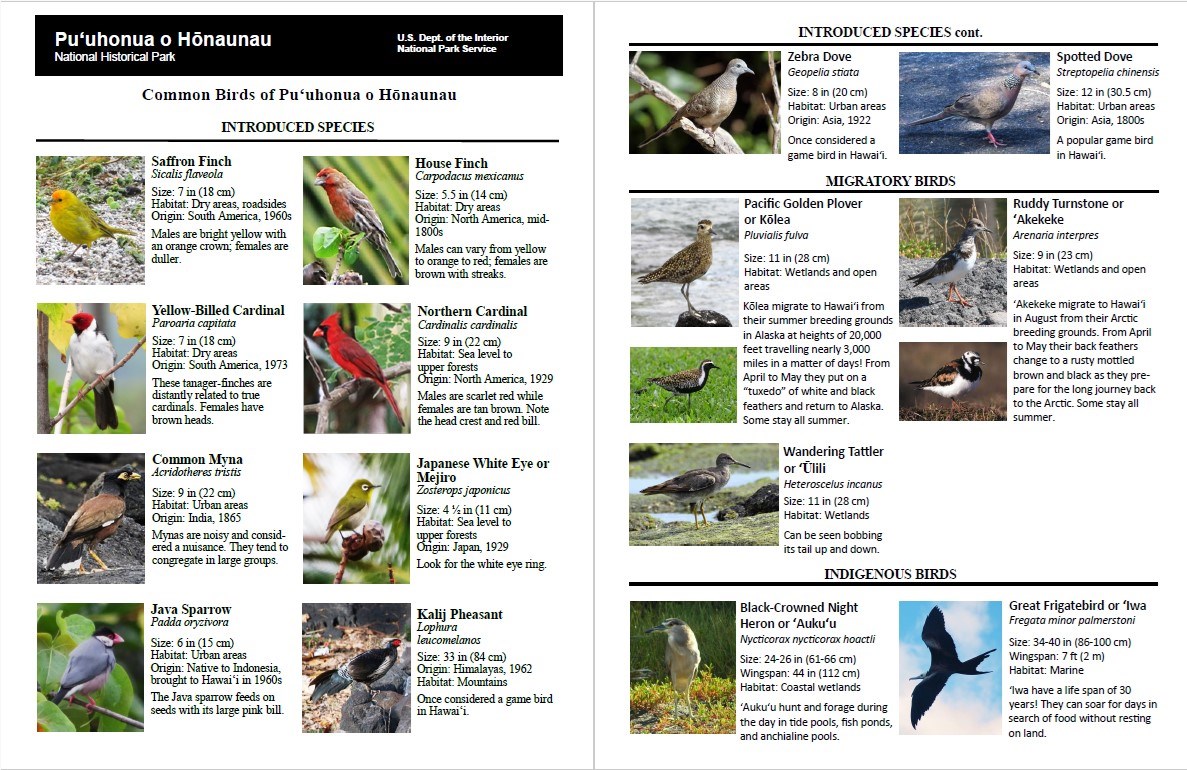
Credit: www.nps.gov
Parrots And Macaws
Parrots and macaws often have males larger than females. This size difference helps males attract mates. These vibrant birds thrive in tropical environments.
Parrots and macaws are fascinating creatures with vibrant colors and unique personalities. Among these species, a notable characteristic is the size difference between males and females. If you're intrigued by how these birds live and breed, you're in for a treat. Let's dive into what makes male parrots and macaws larger than their female counterparts.
Social Structure And Size
In many parrot and macaw species, the social structure plays a crucial role in size differences. Males often take on the role of protectors and need to be robust enough to fend off predators or rivals. Their larger size allows them to showcase strength, which is vital in social hierarchies. Have you ever watched a group of parrots? The larger males often dominate the center stage, ensuring the safety and cohesion of the flock. This isn't just about survival. It's about establishing a presence, and larger males certainly make a mark. If you've ever held a macaw, you know the weight and size can be surprising, especially when compared to females.
Breeding Behaviors
Breeding behaviors in parrots and macaws provide insight into why males are typically larger. During mating season, males display their size and strength to attract females. This size display isn't just for show; it signifies health and genetic superiority. Have you ever wondered why some birds dance or puff up their feathers? It's an eye-catching tactic designed to win over a mate. The larger males can provide better protection and resources, making them more desirable partners. If you're observing parrots in the wild, pay attention to how the males interact during courtship. Their size is often a key factor in winning a mate's approval. As you think about these magnificent birds, consider how their size impacts their daily lives. How does it influence their interactions within the flock and with potential mates? It's a fascinating aspect of nature that demonstrates the importance of size beyond mere appearance.
Impacts On Ecology And Evolution
In the world of birds, size matters. Some bird species show a unique trait where males are larger than females. This difference plays a crucial role in ecology and evolution. Larger males often have advantages in survival and reproduction.
Ecological Roles Of Larger Males
Large males often dominate in their habitats. They have better access to resources. This dominance affects the food chain. It influences the distribution of resources among species.
Predatory birds with larger males can hunt bigger prey. This impacts the ecosystem balance. Their presence controls prey population sizes. This ensures diversity and stability in their environment.
Evolutionary Advantages Of Larger Males
Size impacts mating success. Larger males often win in courtship battles. They attract more mates due to their impressive stature.
Over generations, this trait becomes more common. This leads to evolutionary changes in species. The preference for larger mates drives natural selection.
Impacts On Offspring And Survival Rates
Large males might produce healthier offspring. Their size often indicates better genes. This results in stronger, more resilient young.
Survival rates increase with offspring from larger males. They inherit the advantageous traits. This strengthens the species' ability to thrive in various environments.
Challenges Faced By Larger Males
Being larger can have downsides. They require more food and energy. In scarce environments, this might lead to struggles.
Larger males might face higher predation risks. Their size makes them more visible. Balancing these challenges is essential for their survival.
Frequently Asked Questions
What Bird Species Have Larger Males?
In many bird species, males are larger to attract mates or deter rivals. Examples include the Common Pheasant and Mallard Duck. These birds exhibit sexual dimorphism, where male and female body sizes differ. Larger males often have more vibrant plumage and display behaviors to impress potential mates.
Why Are Some Male Birds Bigger?
Male birds are bigger in some species to better compete for mates. Larger size can help in physical confrontations with other males. It also plays a role in attracting females through displays of strength and vitality. In some species, size is also an advantage in defending territory.
Do Larger Male Birds Have Better Survival Rates?
Larger male birds may have advantages in survival and mating success. Their size can deter predators and help in securing food resources. However, being larger might also require more energy and make them more visible to predators. The balance between size and survival varies by species.
How Does Size Affect Bird Mating Rituals?
In bird mating rituals, larger size often enhances display effectiveness. Males may perform elaborate dances or show their plumage to attract females. The size can signify health and genetic fitness. In species with larger males, size is a key factor in female choice during mating.
Conclusion
Exploring bird species with larger males is fascinating. These birds reveal unique traits and behaviors. Understanding their size differences helps us learn more about nature. Nature's diversity never ceases to amaze us. Each species has its own story. Their size plays a role in survival and reproduction.
It's a constant reminder of nature's wonders. Observing these birds enhances our appreciation for wildlife. Their existence enriches our world. This knowledge deepens our connection to nature. Continue exploring and learning about these remarkable creatures. The world of birds is vast and intriguing.
Keep watching and discovering!