


Have you ever wondered about the hidden heroes of our ecosystems? These are the creatures that play a vital role in maintaining the balance and health of their habitats.
Among them, birds often take center stage. But not just any bird can be considered a keystone species. There’s something unique and powerful about these feathered wonders. Imagine a single bird whose presence or absence can dramatically alter the environment, affecting numerous other species, including the plants you admire and the animals you cherish.
This blog will reveal which bird holds such sway, and why its role is so crucial. As you read on, you'll uncover fascinating insights into how this bird impacts the world around you and what it means for your future. Get ready to discover how one bird can make all the difference, and why understanding its role might just change the way you see nature forever.
Credit: www.audubon.org
Keystone Species Concept
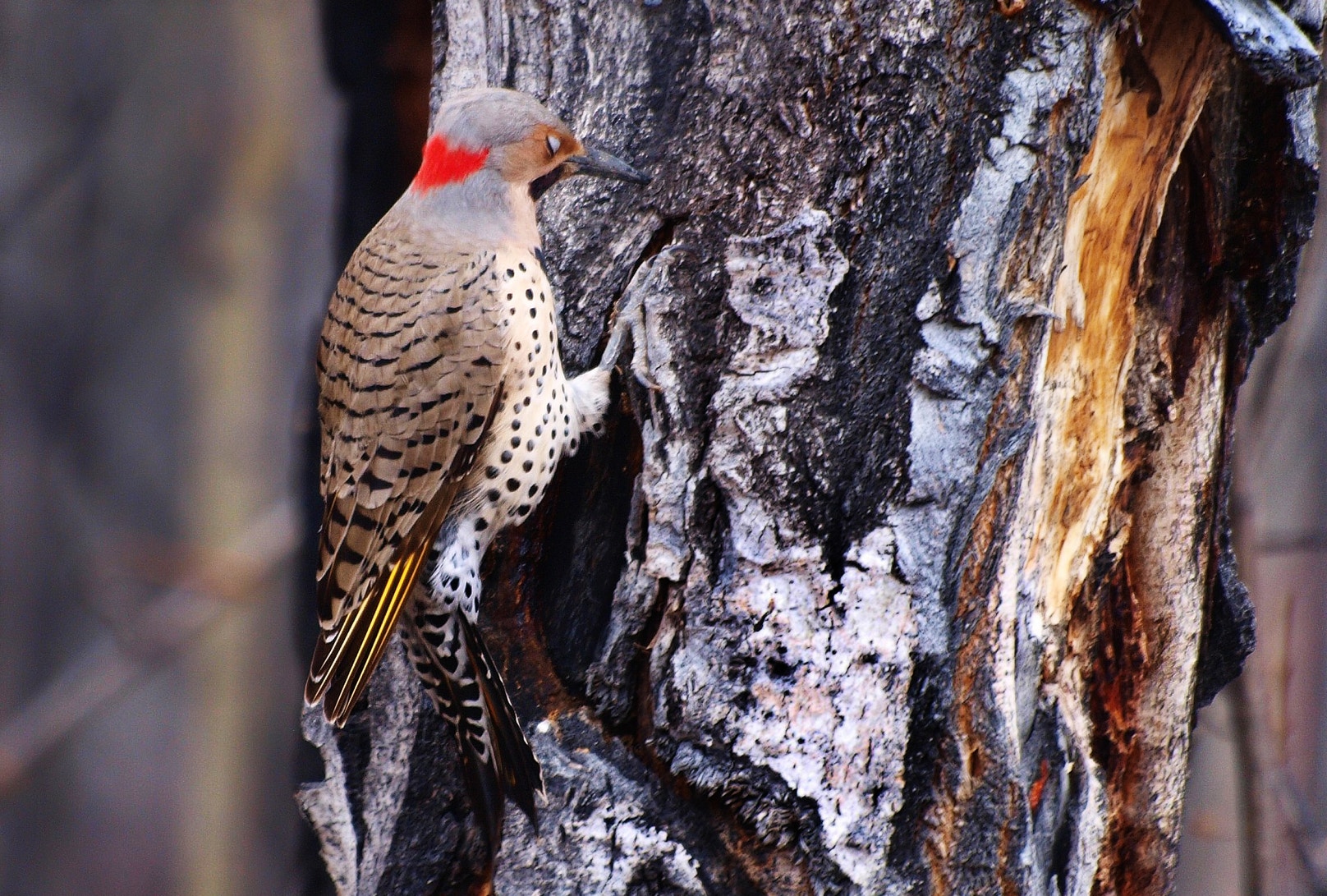
The keystone species concept highlights the importance of certain birds in ecosystems. The American woodpecker plays a crucial role by creating habitats for other species. Its presence ensures biodiversity, supporting various life forms and maintaining ecological balance.
The concept of a keystone species is like finding the missing piece of a puzzle in understanding ecosystems. These species have a disproportionately large impact on their environment relative to their abundance. Imagine walking through a dense forest and hearing the melodic song of a particular bird. This bird might be a keystone species, holding the ecosystem together. Without it, the balance could tip, leading to unforeseen changes. But what exactly makes a species 'keystone'?
What Is A Keystone Species?
A keystone species plays a crucial role in maintaining the structure of an ecological community. They influence the types and numbers of various other species in a habitat. Their absence can lead to a domino effect, causing the entire system to collapse. Consider the sea otter, which preys on sea urchins. Without otters, sea urchin populations explode, decimating kelp forests. Similarly, some birds act as these vital players in their environments. Some birds are essential for seed dispersal. The Clark's Nutcracker, for example, plants seeds of pine trees by storing them in various locations. This behavior promotes forest growth and regeneration. Without these birds, certain trees would struggle to reproduce, impacting the entire forest community. Then there's the Red-cockaded Woodpecker, which creates nesting cavities in trees. These cavities become homes for other species, like insects and small mammals. Their presence or absence significantly affects the habitat's diversity.
How To Identify A Keystone Bird
Identifying a keystone bird requires observing its role in the ecosystem. Does it control the population of a particular species? Is it responsible for spreading seeds or nutrients? You might notice how certain birds' activities shape the landscape around them. Think about the birds in your local park. Could any of them be keystone species?
Impact Of Losing A Keystone Bird
The loss of a keystone bird can lead to significant ecological shifts. Without their unique contributions, ecosystems can become less diverse and more vulnerable to external pressures. Imagine a forest without its seed-spreading birds. Over time, tree populations could dwindle, affecting animals that rely on those trees for food and shelter. Such changes highlight the importance of conserving these vital species.
Protecting Keystone Bird Species
Protecting these birds involves conserving their habitats and ensuring their needs are met. Supporting local conservation efforts or participating in bird counts can be effective ways to contribute. Ask yourself, what can you do to help protect these essential creatures? Your actions, no matter how small, can make a difference in maintaining the delicate balance of nature. Understanding the keystone species concept can transform how you see the natural world. It invites you to look closer, listen more intently, and appreciate the intricate web of life surrounding us. Which bird will you discover as a keystone in your environment?
Credit: www.phipps.conservatory.org
Birds As Keystone Species
Birds play a crucial role in maintaining ecological balance. They are often keystone species. This means their presence or absence affects entire ecosystems. These winged creatures help in seed dispersal, pollination, and pest control. Understanding their role highlights their importance to biodiversity.
Birds And Seed Dispersal
Many birds eat fruits and disperse seeds. This helps in forest regeneration. Seeds grow into plants and trees, creating habitats. Without birds, many plants would not spread. Forests would shrink, affecting other species.
Pollination Partners
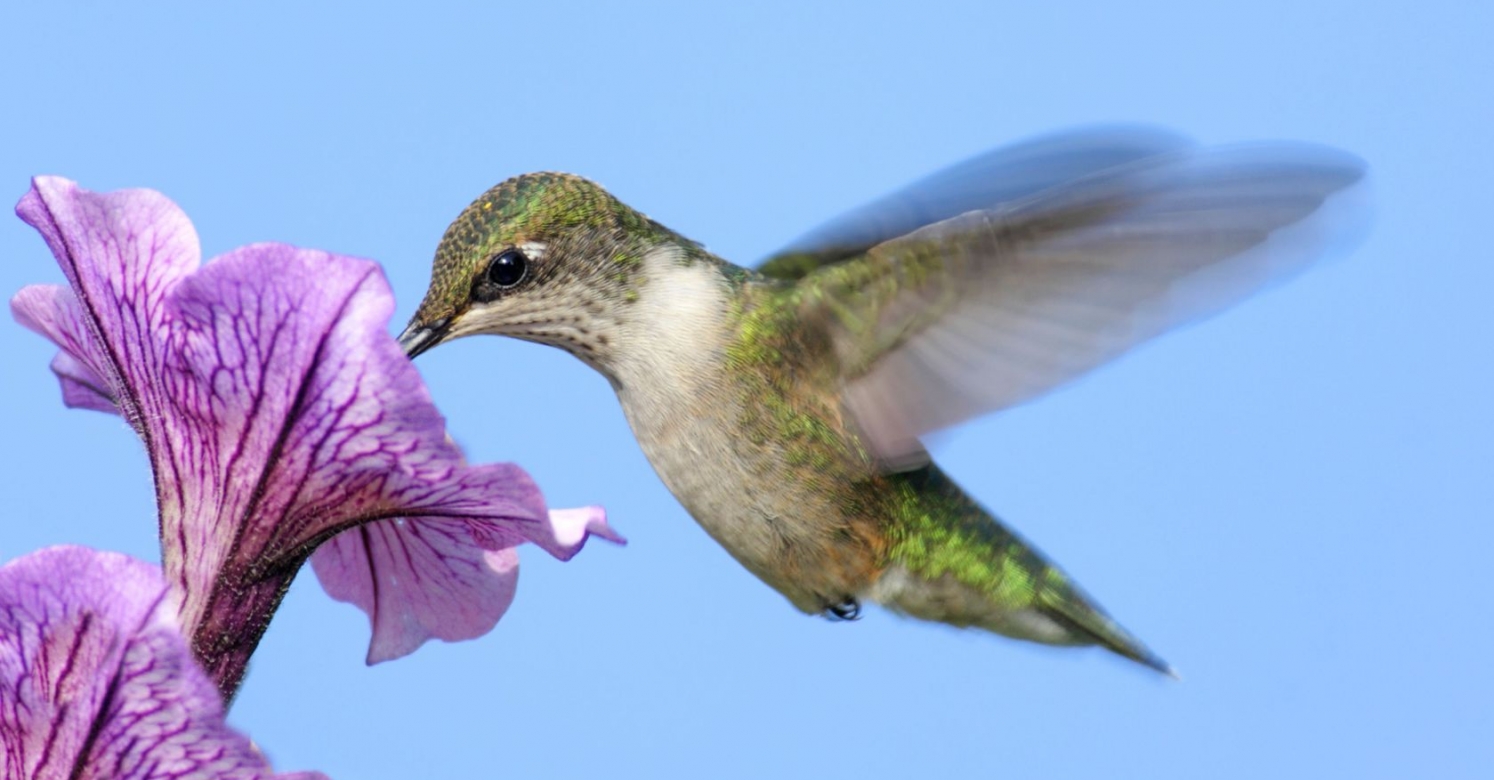
Some birds, like hummingbirds, are vital pollinators. They transfer pollen between flowers. This process helps plants produce fruits and seeds. Without these birds, pollination would decrease. This affects food availability for many species.
Pest Control Experts
Birds also control pest populations. They eat insects that harm crops and plants. This natural pest control reduces the need for pesticides. Fewer chemicals mean healthier ecosystems. Birds help keep nature in balance.
Indicators Of Ecosystem Health
Birds reflect the health of their environment. Changes in bird populations signal ecological shifts. A decline may indicate pollution or habitat loss. Scientists study birds to assess ecosystem health. Their presence often suggests a thriving ecosystem.
Birds as keystone species hold ecosystems together. Their activities support diverse life forms. Protecting birds ensures the survival of many species. Their role is essential for ecological stability.
Characteristics Of Keystone Birds
Keystone birds play a crucial role in their ecosystems. They have unique characteristics that significantly impact their environment. Understanding these traits helps us appreciate their importance in nature's balance. These birds often serve as ecosystem engineers, shaping habitats in remarkable ways. Their presence influences predator and prey dynamics, ensuring the stability of food chains.
Ecosystem Engineers
Keystone birds often create habitats for other species. They build nests that serve as shelter for various animals. Woodpeckers, for example, carve holes in trees. These cavities become homes for small mammals and insects. Their activities can alter the physical landscape. This process supports biodiversity by providing needed resources.
Predator And Prey Dynamics
Keystone birds maintain the balance between predator and prey. Their hunting regulates prey populations, preventing overpopulation. This control ensures vegetation isn't overgrazed. Owls, as predators, help manage rodent numbers. On the flip side, they are also prey for larger animals. This dynamic contributes to a balanced ecosystem. Their role is vital in maintaining this delicate equilibrium.
Examples Of Keystone Birds
Birds are not just beautiful creatures that grace our skies; they play critical roles in ecosystems, often acting as keystone species. Some birds have a disproportionate effect on their environment, influencing not just their habitat but also the species around them. Let's look at some examples of keystone birds and how they shape their ecosystems.
Woodpeckers In Forest Ecosystems
Woodpeckers are vital to forest health. Their pecking creates cavities in trees, which become homes for other animals. These cavities provide shelter for species like owls, bats, and some mammals.
Have you ever noticed how much life thrives in a forest bustling with woodpeckers? Their presence supports a diverse community, making them indispensable for maintaining ecological balance.
Without woodpeckers, many forests would struggle to support the same level of biodiversity. Imagine walking through a silent forest, devoid of the rhythmic tapping of these birds. It's a reminder of how much they contribute.
Vultures In Scavenging
Vultures are nature's clean-up crew. They consume dead animals, preventing the spread of disease. This scavenging role is crucial, especially in regions with high animal populations.
Have you ever wondered why some areas remain relatively disease-free despite many wildlife deaths? Vultures play a big role in that, ensuring ecosystems remain healthy and balanced.
Think about the importance of a clean-up crew in your own community. Vultures serve a similar purpose, keeping environments safe for other species. Their decline could lead to increased disease spread, impacting both wildlife and human populations.
These examples highlight the importance of keystone birds. Next time you see a woodpecker or a vulture, consider their role in sustaining the natural world. What can you do to help protect these vital species?
Impact On Biodiversity
When you think about the intricate web of life, birds play a vital role in maintaining the balance. As keystone species, certain birds have an outsized impact on the ecosystem. Their presence—or absence—can ripple through the environment, affecting biodiversity in profound ways. But what exactly does their influence look like? Let's dive into two key areas: maintaining species balance and influencing plant reproduction.
Maintaining Species Balance
Imagine walking through a forest where the chirping sounds of birds surround you. These birds are not just adding to the ambiance; they're crucial in keeping other species in check. For example, some birds control insect populations by feeding on them. Without these birds, insect numbers could explode, leading to a cascade of effects on plants and animals.
Have you ever wondered why some forests feel more alive than others? Birds often contribute to this liveliness by spreading seeds, which helps maintain plant diversity. This diversity supports various animal species, creating a balanced ecosystem. When bird populations decline, the species balance can tip, leading to reduced biodiversity.
Think about the last time you saw a lush, vibrant ecosystem. Birds likely played a crucial role in maintaining that balance. Their absence can lead to overpopulation of certain species, disrupting the natural harmony. How does this balance affect you and your local environment?
Influence On Plant Reproduction
Birds are excellent pollinators and seed dispersers. As they search for food, they inadvertently carry seeds and pollen over long distances. This activity aids plant reproduction, ensuring that new plants can grow in different areas. Have you ever noticed the variety of plants in bird-rich regions?
Take a moment to consider how plants rely on birds for reproduction. Birds like hummingbirds and sunbirds are attracted to flowers for nectar, assisting in pollination. Their role in this process is irreplaceable, making them key players in sustaining plant life.
Birds also aid in genetic diversity among plants. By spreading seeds far and wide, they allow plants to grow in various conditions, adapting to different environments. This adaptability is vital for the resilience of ecosystems. How might your local biodiversity change if bird populations were to decrease?
Birds, as keystone species, have a direct impact on biodiversity. Their role in maintaining species balance and influencing plant reproduction is critical. Next time you spot a bird, consider the vast ecosystem they support and the balance they help maintain. What role do birds play in your own local environment?
Credit: www.wildnatureinstitute.org
Threats To Keystone Birds
Keystone bird species are vital to their ecosystems. They maintain balance and support other species. Yet, they face numerous threats today. These threats put entire ecosystems at risk. Understanding these challenges is crucial for their protection.
Habitat Loss
Habitat loss is a major threat to keystone birds. Urban expansion and deforestation destroy their homes. Agriculture claims vast lands, reducing natural habitats. Without habitats, birds struggle to find food and shelter. This displacement leads to population decline.
Climate Change Effects
Climate change disrupts the lives of keystone birds. Rising temperatures alter habitats and food availability. Birds must migrate further, exhausting their energy. Unpredictable weather patterns threaten breeding cycles. These changes impact survival rates and ecosystem balance.
Conservation Efforts
Keystone species play a crucial role in maintaining ecosystem balance. Birds often hold this vital position, influencing habitats and other species. Conservation efforts aim to protect these important creatures. They focus on various strategies to ensure their survival and the health of the ecosystem.
Habitat Restoration
Habitat restoration is essential for supporting bird populations. Many birds require specific environments to thrive. Organizations work to restore natural habitats and create new ones. This involves planting native vegetation and removing invasive species. Restored habitats provide birds with food, shelter, and breeding sites. It also supports other wildlife, benefiting the entire ecosystem.
Legal Protections
Legal protections are crucial for safeguarding keystone bird species. Laws protect these birds from hunting and habitat destruction. Governments enforce regulations to ensure compliance. Protected areas are established to conserve critical habitats. These legal measures help maintain stable bird populations. They ensure the preservation of the ecosystem's health.
Human Role In Protecting Keystone Birds
Keystone birds play a crucial role in their ecosystems. Their presence ensures balance and stability. Human actions can greatly impact these vital species. Protecting keystone birds requires dedication and understanding.
Human Activities Impacting Keystone Birds
Urban expansion often disrupts bird habitats. Pollution affects their food sources and nesting sites. Climate change alters migration patterns, posing threats to survival.
Conservation Efforts And Awareness
Educating communities about keystone birds is essential. Schools can teach the importance of these species. Awareness campaigns highlight the need for preservation.
Supporting Habitat Restoration Projects
Habitat restoration projects benefit keystone birds. Planting native trees offers nesting options. Restoring wetlands provides essential food resources.
Involvement In Citizen Science Programs
Citizen science programs invite public participation. People can monitor bird populations. Data collected aids in tracking bird health and trends.
Advocating For Stronger Environmental Policies
Advocacy plays a role in protecting birds. Strong environmental policies safeguard habitats. Public support influences government actions.
Frequently Asked Questions
What Is A Keystone Species?
A keystone species is crucial for ecosystem balance. Its presence supports biodiversity and ecosystem functions. Removing it can cause significant changes. These species play a unique role in maintaining structure and health of their environment. They often influence the types and numbers of various other species in an ecosystem.
Why Are Birds Considered Keystone Species?
Birds are keystone species because they control insect populations, disperse seeds, and pollinate plants. Their roles are vital for ecosystem health and stability. Birds also contribute to nutrient cycling and food web dynamics. Their decline can significantly impact ecological balance and biodiversity.
Which Bird Is A Known Keystone Species?
The woodpecker is a known keystone species. It creates nesting cavities used by many other species. These cavities provide essential habitat for birds, mammals, and insects. By managing insect populations and promoting forest health, woodpeckers play a crucial role in ecosystem stability.
How Do Keystone Species Affect Biodiversity?
Keystone species maintain biodiversity by supporting various other species in their ecosystem. They help regulate populations and resource availability. Their presence ensures ecological balance and resilience. Without them, ecosystems may face species decline and reduced biodiversity, leading to less stable environments.
Conclusion
Recognizing keystone bird species is crucial for ecosystem health. They play vital roles in maintaining balance. Their impact is significant, affecting various wildlife and plant species. Protecting these birds helps preserve biodiversity and ecosystem stability. Conservation efforts can prevent habitat loss and species decline.
Every small action counts in supporting these essential creatures. Educate others about their importance. Encourage community involvement in conservation activities. Together, we can ensure a healthier planet. For both wildlife and ourselves. Understanding and preserving these birds benefits everyone. A step toward a sustainable future.