


Have you ever paused to marvel at the vibrant colors and melodious songs of birds around you? Birds are fascinating creatures, each species bringing its own unique charm and intrigue to our world.
Whether soaring high above the clouds or chirping cheerfully in your backyard, these feathered friends captivate our senses and spark our curiosity. You'll dive into the world of birds, discovering a variety of species that might surprise you. From the majestic eagle to the playful parrot, there's a lot to explore and learn.
Keep reading to uncover the wonders of these incredible birds and find out which ones might be visiting your neighborhood.
Songbirds
Songbirds include various species like the melodious canary, vibrant goldfinch, and agile sparrow. Their diverse songs create enchanting sounds in nature. These birds are often recognized by their unique calls and colorful plumage.
Songbirds are a fascinating group of birds known for their vocal abilities and melodious tunes. These birds often fill our mornings with beautiful songs that can lift our spirits and connect us with nature. Imagine sipping your morning coffee while being serenaded by these natural musicians—it's a delightful experience you wouldn't want to miss.
Thrushes
Thrushes are among the most well-known songbirds, thanks to their rich and varied songs. The American Robin, a member of the thrush family, is often seen hopping around lawns. Their cheerful songs signal the arrival of spring, and their presence is a comforting sight. Consider the Wood Thrush, whose hauntingly beautiful song echoes through forests. It's a sound that can stop you in your tracks and make you appreciate the sheer diversity of bird calls. Thrushes are not just singers; they are also important for controlling insect populations, making them vital to ecosystems.
Warblers
Warblers are small, colorful birds that bring a splash of vibrancy to the birdwatching world. They might be tiny, but their voices are powerful. These birds are often seen flitting through trees, searching for insects. The Black-and-white Warbler is a striking example, with its distinctive zebra-like pattern. Spotting one can be a thrilling moment for bird enthusiasts. Warblers are also migratory, traveling vast distances every year, which makes their survival stories even more remarkable.
Finches
Finches are a diverse group of songbirds with a penchant for seeds. Their cheerful presence and lively songs are a treat for any backyard. The House Finch, with its bright red plumage, is a common visitor to bird feeders. The Goldfinch, often called the "wild canary," is another popular species. Its vibrant yellow feathers and bouncing flight pattern are hard to miss. If you want to attract finches to your garden, consider setting up a feeder with sunflower seeds. Their playful antics and delightful songs will be a rewarding sight. Have you ever paused to listen to the song of a nearby bird? Next time you hear one, try to identify it and learn more about its species. The world of songbirds is full of wonders waiting to be discovered.

Credit: en.wikipedia.org
Birds Of Prey
Birds of prey, known for their powerful hunting abilities, are among the most fascinating creatures in the avian world. These raptors are equipped with sharp talons and keen eyesight, allowing them to thrive in various environments. Whether soaring high above or stealthily gliding through the night, birds of prey captivate with their majestic presence. Let’s dive deeper into a few remarkable species that belong to this group.
Eagles
Eagles are the epitome of strength and grace. With their massive wingspans, they can glide effortlessly across vast distances. The bald eagle, a symbol of freedom in the United States, is renowned for its striking appearance and powerful flight.
Have you ever watched an eagle swoop down to catch its prey? It's an awe-inspiring sight. These birds are skilled hunters, primarily feeding on fish and small mammals. Their ability to spot prey from miles away is a testament to their exceptional eyesight.
Hawks
Hawks are agile and swift, making them effective hunters in diverse habitats. They often circle high in the sky, searching for unsuspecting prey below. The red-tailed hawk is one of the most common species in North America, easily identified by its reddish-brown tail.
Next time you spot a hawk, notice how it maneuvers through the air with precision. These raptors use their quick reflexes to dive and capture prey, mostly consisting of rodents and small birds. Their adaptability makes them a frequent sight in both rural and urban settings.
Owls
Owls are the mysterious night hunters of the bird world. With their silent flight and nocturnal habits, they are masters of stealth. The barn owl is famous for its heart-shaped face and eerie calls that echo through the night.
Consider the owl’s ability to rotate its head almost completely around. This unique feature allows them to track prey even in the darkest conditions. Owls primarily feed on small mammals, using their acute hearing to locate them in pitch-black surroundings.
As you learn more about birds of prey, think about their role in the ecosystem. What would happen if these powerful hunters were not around to keep populations in check? Each species plays a vital part in maintaining balance. So, next time you observe these magnificent birds, appreciate not just their beauty but also their crucial contribution to nature.
Waterfowl
Waterfowl are birds that thrive in aquatic environments. They are often seen near lakes, rivers, and wetlands. These birds have adapted to life on water. Their webbed feet help them swim efficiently. Their waterproof feathers keep them dry. Waterfowl play a crucial role in the ecosystem. They help maintain the balance of aquatic life. Let's explore some common species of waterfowl.
Ducks
Ducks are small to medium-sized waterfowl. They are known for their vibrant plumage. Male ducks often display brighter colors than females. This helps attract mates. Ducks are omnivores. They eat plants, insects, and small fish. Popular species include the mallard and the wood duck. Ducks are social birds and enjoy company. They often travel in groups called paddlings.
Swans
Swans are among the largest waterfowl. They are known for their grace and elegance. Their long necks and white feathers are iconic. Swans are mostly herbivores. They feed on aquatic plants and algae. Some swans migrate over long distances. They are often seen in pairs, symbolizing love and loyalty. Their cygnets, or young, are well cared for by parents.
Geese
Geese are larger than ducks but smaller than swans. They are known for their loud honking calls. Geese are migratory birds. They travel in a V-formation during migrations. This helps conserve energy. Geese are herbivores, feeding on grasses and grains. The Canada goose and snow goose are well-known species. Geese are protective of their young and territory.
Tropical Birds
Tropical birds captivate with their vibrant colors and unique calls. These birds thrive in warm, lush environments. Their beauty and diversity make them fascinating creatures. Tropical birds include parrots, toucans, and hornbills. Each species has distinct features and behaviors. Exploring these birds offers insight into their natural habitats.
Parrots
Parrots are known for their bright feathers and intelligence. They can mimic human speech and sounds. Parrots have strong, curved beaks for cracking nuts and seeds. These birds are social and often live in flocks. They are found in rainforests and tropical regions worldwide. Parrots use their feet to hold food while eating. Their playful nature makes them popular pets.
Toucans
Toucans have large, colorful bills that stand out. Their bills help them reach fruit on tree branches. These birds are found in Central and South American forests. Toucans are known for their loud, echoing calls. They nest in tree holes and live in small groups. Their diet includes fruit, insects, and small reptiles. Toucans use their bills to peel fruit.
Hornbills
Hornbills have unique, horn-shaped bills. These bills are large and often curved. Hornbills live in Africa and Asia's tropical forests. They are monogamous and form strong pair bonds. These birds have a distinctive casque on their bills. Hornbills eat fruit, insects, and small animals. Their powerful bills break open hard shells.
Flightless Birds
Penguins, ostriches, and emus are well-known flightless birds. These unique species have adapted to life without flying. They thrive in their environments using strong legs and bodies.
Flightless birds are a fascinating group of avian species that have evolved to thrive without the ability to fly. While most birds use flight as their primary means of mobility, these unique creatures have adapted to their environments in other remarkable ways. You might find it surprising just how diverse and widespread these flightless wonders are across the globe. Let's dive into the world of flightless birds and explore some of the most iconic species.
Ostriches
Ostriches are the world's largest birds, native to the vast savannas and deserts of Africa. Standing up to 9 feet tall, they are impossible to miss. Despite their size, ostriches are incredibly swift on their feet, reaching speeds of up to 45 miles per hour. Have you ever wondered why ostriches can't fly? Their heavy bodies and powerful legs are built for running, not flying. This adaptation helps them escape predators in their open habitats. They use their long necks and keen eyesight to spot danger from afar.
Emus
Emus, native to Australia, are the second-largest flightless birds. They are well-known for their curious nature and intriguing behavior. Their soft, shaggy feathers and long necks give them a distinctive appearance. Emus have powerful legs that allow them to travel long distances in search of food and water. You might find it interesting that they can even swim if necessary. Their diet includes a variety of plants and insects, making them versatile feeders in the wild.
Pigeons
Penguins are perhaps the most beloved of all flightless birds. These charismatic creatures are perfectly adapted to life in the water. Found primarily in the Southern Hemisphere, they are famous for their tuxedo-like appearance. Penguins use their flippers to "fly" through the water with incredible agility. Their streamlined bodies and strong muscles make them excellent swimmers, enabling them to hunt fish and other marine life. Next time you see a penguin, appreciate its unique adaptation to a life spent mostly in the ocean. Have you ever watched a documentary about penguins and wondered how they survive in such cold environments? Their thick layers of blubber and tightly packed feathers provide insulation against frigid temperatures. As you can see, flightless birds have adapted in extraordinary ways to survive and thrive in their respective environments. What other flightless bird species have you encountered, and what unique traits do they possess?

Credit: en.wikipedia.org
Wading Birds
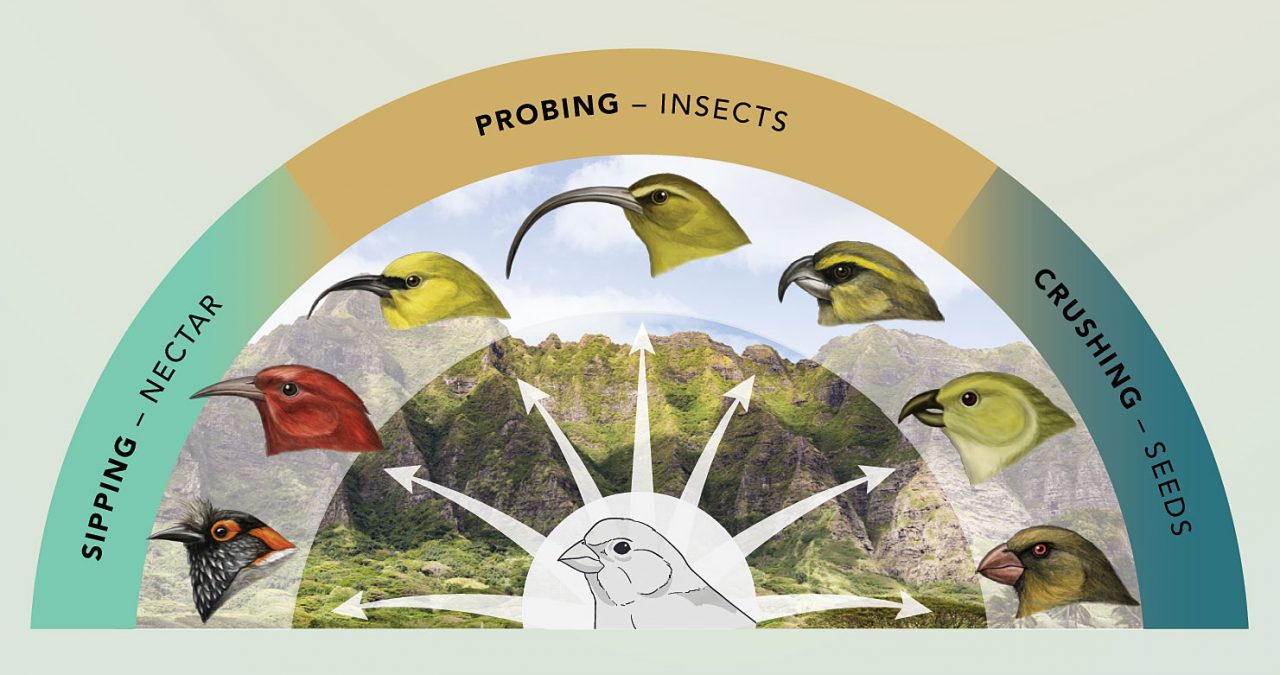
Flamingos, herons, and egrets are popular wading birds. These birds have long legs for walking through water. They are often seen in wetlands and coastal areas, searching for food.
Wading birds are a fascinating group of species that you can often find near water bodies like marshes, lakes, and coastal regions. These birds are characterized by their long legs, which help them wade through shallow waters in search of food. Watching them is like witnessing nature's ballet, with their graceful movements and striking appearances. Have you ever wondered about the various types of wading birds you might encounter? Let’s dive into some of the most captivating species.
Herons
Herons are elegant wading birds with long necks and sharp bills, making them expert fishers. You might spot them standing still for long periods before swiftly grabbing their prey. Their patience is commendable, and it teaches a lesson in waiting for the right moment. I once spent an entire afternoon watching a heron strike with precision—it was as if time stood still just for that moment.
Flamingos
Flamingos are perhaps the most iconic of wading birds, known for their vibrant pink feathers and social behavior. Their color comes from their diet, which is rich in carotenoids. Imagine dining with your friends and getting prettier by the meal! Flamingos are also filter feeders, using their unique beaks to strain food from the water. Can you picture the incredible teamwork in a flamingo flock as they feed together?
Storks
Storks are renowned for their long-distance migrations and strong familial bonds. These birds often symbolize new beginnings, which is fitting given their nurturing nature. Have you ever seen a stork nesting high above the ground? Their nests are architectural marvels. Watching them can inspire you to think about your own journey and the lengths you would go to care for your loved ones. Wading birds offer more than just a display of beauty; they provide insights into nature's wonders and our own lives. Next time you're near a water body, take a moment to observe these magnificent creatures. You may find yourself reflecting on patience, teamwork, and the importance of family. What lessons do you think these birds can teach us?
Credit: www.allaboutbirds.org
Frequently Asked Questions
What Are The Most Common Bird Species?
The most common bird species include sparrows, robins, and pigeons. These birds are widely found across urban and rural areas. Sparrows are small, brown, and social. Robins are known for their red breasts and melodious songs. Pigeons are adaptable and often seen in cities.
How Many Bird Species Exist Worldwide?
There are approximately 10,000 bird species worldwide. They inhabit diverse habitats from forests to deserts. Each species has unique adaptations, behaviors, and appearances. Birds play crucial roles in ecosystems, such as pollination and seed dispersal. The diversity of bird species reflects the vast range of ecological niches they occupy.
What Species Are Considered Endangered Birds?
Endangered bird species include the Spix's Macaw, Kakapo, and California Condor. Habitat loss and poaching threaten these birds. Conservation efforts aim to protect them from extinction. The Spix's Macaw is native to Brazil, Kakapos are nocturnal parrots from New Zealand, and California Condors are large vultures from North America.
Which Bird Species Can Mimic Human Speech?
Parrots, especially African Grey Parrots, are known for mimicking human speech. They have advanced vocal abilities and intelligence. These birds can learn and repeat words and phrases. Their mimicry skills make them popular pets. Proper training and social interaction enhance their speech capabilities.
Conclusion
Birds bring color and life to our world. Each species is unique. From the vibrant parrot to the soaring eagle, variety is vast. Birds adapt to different habitats, from forests to deserts. Observing them teaches us about nature's diversity. They are important for ecosystems.
They help control pests and pollinate plants. Their songs and appearances can inspire joy. Watching birds can be a peaceful hobby. Learning about them increases appreciation for wildlife. Protecting birds ensures future generations enjoy them too. Encourage others to discover the beauty of birds.
Nature offers endless wonders to explore.