


Imagine a world where birds don't lay eggs. It's a curious thought, isn't it?
You've probably always associated birds with eggs, but what if there was a bird species that defied this norm? As you delve into this fascinating topic, prepare to have your perceptions challenged. This intriguing question not only sparks curiosity but also invites you to explore the mysteries of nature.
By the end of this article, you'll uncover surprising facts and gain a deeper understanding of the avian kingdom. Get ready to discover something new and unexpected that might just change the way you look at birds forever.
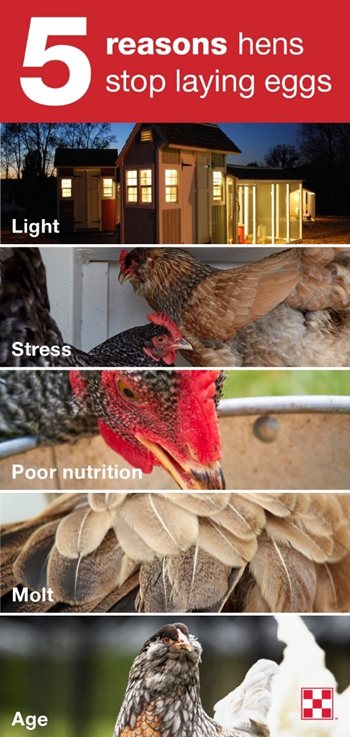
Credit: www.purinamills.com
Bird Reproduction Basics
Birds are fascinating creatures with diverse reproductive strategies. Understanding bird reproduction is key to appreciating their life cycles. Most birds lay eggs. This is their primary method of reproduction. Yet, the question arises: Is there a bird species that doesn't lay eggs? To explore this, we need to understand bird reproduction basics.
Understanding Bird Reproduction
Bird reproduction begins with courtship and mating. Male birds often display vibrant plumage. They perform elaborate dances or sing melodious songs. These behaviors attract potential mates. Once a pair forms, they build a nest. This nest becomes the site for egg-laying.
Egg-laying Process
After mating, female birds lay eggs. The eggs are fertilized internally before laying. Each species has a specific number of eggs per clutch. The eggs are incubated by one or both parents. Incubation keeps the eggs warm, ensuring embryo development.
Exceptions In Bird Reproduction
Almost all birds lay eggs. It is a defining characteristic. Yet, the cuckoo bird has a unique strategy. They lay eggs in other birds' nests. This is known as brood parasitism. While they lay eggs, their reproductive strategy differs.
Credit: www.reddit.com
Egg-laying In Birds
Egg-laying is a defining characteristic of birds. Most bird species reproduce by laying eggs. This method ensures survival and continuation of species. But is there a bird that doesn't lay eggs? Let's explore the fascinating world of bird reproduction.
Common Traits Across Species
Birds display common traits in egg-laying. They build nests to protect their eggs. Incubation is crucial for egg development. Parents often share responsibilities. These traits are vital for successful reproduction. Birds rely on these instincts for survival.
Evolutionary Significance
Egg-laying has an evolutionary significance. It allows birds to adapt to different environments. Eggs can be laid in various habitats. This increases chances of survival. Evolution favors traits that enhance reproduction. Egg-laying is one such trait. Birds that lay eggs thrive over time.
Non-egg Laying Myths
Birds are known for laying eggs. It's a defining trait of their species. Yet, stories circulate about birds that don't lay eggs. These are myths. They capture imaginations, but they're not true. Every bird lays eggs. Let's explore these fascinating myths.
Misconceptions In Popular Culture
Movies and books often portray mystical birds. These creatures sometimes don't lay eggs. People love these stories. They create wonder and excitement. Yet, in reality, no bird skips egg-laying. All birds, from sparrows to eagles, lay eggs.
Historical Accounts And Folklore
History is rich with tales of magical birds. Ancient stories speak of phoenixes or legendary birds. These birds rise from ashes instead of hatching. Such stories spread across cultures. They inspire but aren't based in fact. In truth, birds have always laid eggs. It's nature's way.
Unique Reproductive Strategies
Birds are known for their egg-laying abilities. Yet, some birds adopt unique reproductive strategies. These methods ensure survival without the traditional egg-laying process. Let's explore these fascinating strategies.
Brood Parasitism
Brood parasitism is a clever survival tactic. Some birds lay eggs in other birds' nests. The host bird unknowingly raises the intruder's chicks. The common cuckoo is famous for this behavior. It removes a host egg and replaces it with its own. The host bird then cares for the cuckoo chick. The cuckoo chick often hatches first. It may even push out host eggs or chicks. This ensures it gets all the food and care.
Unusual Nesting Habits
Some birds have unique nesting habits. They don't lay eggs in the typical sense. Instead, they find creative ways to ensure offspring survival. For example, megapodes build large mounds of soil and vegetation. They lay eggs inside these mounds. The heat from the decaying material incubates the eggs. This means the parents don't have to sit on the eggs. Megapode chicks hatch fully developed and fend for themselves. These strategies show nature's creativity in reproduction.
Scientific Investigations
Scientists explore if any bird species exists that doesn't lay eggs. Birds typically reproduce by laying eggs. The search for exceptions continues.
Scientific Investigations The question of whether there exists a bird species that doesn't lay eggs has intrigued scientists and bird enthusiasts alike. While the vast majority of birds reproduce through egg-laying, scientific investigations have delved into the anomalies that might challenge this norm. These studies are not just about confirming the obvious; they seek to understand the exceptions that may exist in the avian world.
Research On Anomalies
Researchers have embarked on a journey to uncover any anomalies in bird reproduction. The findings are as fascinating as they are scarce. Most birds follow the typical reproductive cycle, but scientists have occasionally stumbled upon curious cases. Imagine being a scientist, peering into the dense forests of the Amazon or the remote islands of the Pacific. You hope to spot a bird that defies nature's rules. These investigations involve meticulous observation and advanced genetic testing. Yet, despite extensive research, a bird species that completely bypasses egg-laying remains elusive.
Case Studies In Avian Biology
Several case studies in avian biology have attempted to document instances of unique reproductive behaviors. For instance, there have been reports of certain bird species exhibiting unusual nesting habits or parental roles. One documented case involves the cuckoo bird, known for laying its eggs in the nests of other birds. This behavior raises questions about evolutionary adaptations. Could there be a species that has evolved an entirely different reproductive strategy? These studies encourage you to think about the diversity and adaptability of nature. It's a reminder that even within established norms, the natural world often holds surprises. As researchers continue their quest, they keep the door open for the possibility that somewhere, a bird may just break the mold. What do you think? Could there be a bird out there defying the odds? Your curiosity might lead to the next big discovery in avian science.
Potential Discoveries
Imagine the thrill of finding a bird species that doesn't lay eggs. This discovery could rewrite what we know about avian biology. You might wonder how such a bird could exist and what adaptations it might have developed to survive.
Some researchers suggest that environmental changes could lead to unique evolutionary traits. Could we be on the brink of discovering a bird with live births? This idea might seem outlandish, but nature has a way of surprising us.
Think about the impact of such a discovery on our understanding of birds. It could open new avenues for research and conservation. Are you ready to explore these possibilities?
Future Research Directions
Research into birds that don't lay eggs could lead to groundbreaking scientific advancements. Scientists might study genetic variations that allow this unique reproduction method. Uncovering these mysteries could change how we view evolution.
You could participate in citizen science projects to help researchers gather data. Observations from bird watchers worldwide could provide valuable insights. Imagine contributing to a discovery that could change the course of bird biology!
Could collaboration between ornithologists and geneticists yield new findings? The fusion of expertise might accelerate breakthroughs. What roles could you play in this evolving field?
Implications For Bird Conservation
Discovering a bird species that doesn't lay eggs could have significant conservation impacts. Conservation strategies might adapt to protect these unique birds. You might consider how traditional conservation methods could evolve.
Could this discovery lead to new habitats being preserved? It might also influence how we manage ecosystems. What steps can you take to support these conservation efforts?
Engaging with conservation groups could be your starting point. Supporting policies that encourage biodiversity might become more crucial. How might your actions contribute to preserving our planet's natural wonders?

Credit: www.reddit.com
Frequently Asked Questions
Do All Birds Lay Eggs?
No, all bird species lay eggs. Birds are oviparous, meaning they reproduce by laying eggs. Even unique birds like the kiwi and ostrich lay eggs. There's no known bird species that gives live birth. This is a distinct characteristic of avian species compared to mammals.
Are There Any Eggless Bird Species?
No, all birds lay eggs. The reproductive process of birds involves laying eggs. Even flightless birds like penguins and emus lay eggs. This is a consistent trait among avian species. Birds are different from mammals, which may give live birth.
Why Do Birds Lay Eggs?
Birds lay eggs for reproduction. Eggs allow bird embryos to develop outside the mother's body. This process is evolutionarily advantageous for birds. It aids in survival and facilitates the continuation of species. The eggs provide a protected environment and necessary nutrients for the developing bird.
How Do Birds Reproduce Without Laying Eggs?
Birds cannot reproduce without laying eggs. Laying eggs is an essential part of their reproductive process. Unlike mammals, birds are oviparous and rely on eggs for reproduction. After fertilization, the egg develops and hatches into a chick. This is fundamental to avian reproduction.
Conclusion
Birds mostly lay eggs. That's a fact. But some surprises exist. The brown kiwi, for example, lays the largest egg relative to its size. It's fascinating, isn't it? Evolution sure works in mysterious ways. Birds without eggs? Rare. Yet, nature loves diversity.
Each species adapts in unique ways. Understanding these quirks enhances our appreciation of nature. There's always more to learn. Even about our feathered friends. Keep exploring the avian world. Its wonders never cease. Remember, knowledge enriches our connection with nature.
Embrace the curiosity. It leads to endless discoveries.