


Have you ever watched a bird darting through the sky and wondered if that frantic flurry is more than just a joyous flight? Is your feathered friend turning into a high-flying daredevil, leaving you puzzled and maybe a bit worried?
You're not alone. Many bird owners and enthusiasts have noticed that some birds seem to be in perpetual motion, flapping their wings with relentless energy. But when does this spirited soaring become a behavioral problem? And what could be causing it?
Understanding why your bird might be flying excessively is key to ensuring their well-being and happiness. Let’s dive deeper to uncover the mysteries of avian behavior and find out if your bird’s sky-high antics are a sign of something more.

Credit: wildlifecenter.org
Identifying Excessive Flying
Birds flying excessively might signal stress, boredom, or lack of stimulation. This behavior often reflects their environment or health. Observing changes in flying patterns can help identify potential issues.
Identifying excessive flying in birds is crucial for their well-being. While flying is a natural behavior, too much of it can indicate stress or health issues. Understanding what constitutes excessive flying can help you ensure your bird's health and happiness.
Signs Of Excessive Flying
Is your bird constantly on the move, even when it should be resting? This could be a sign of excessive flying. Watch for behaviors like persistent flying without taking breaks, as this can lead to fatigue or injury. Your feathered friend might also display signs of distress or anxiety while flying excessively. Look for rapid breathing or an inability to settle down. These could be clues that something is amiss. Consider how often your bird interacts with its environment. If it’s too focused on flying, it might be missing out on essential activities like eating or socializing.
Normal Vs. Abnormal Flying Patterns
Understanding the difference between normal and abnormal flying patterns is key. A healthy bird will have a balance between flying, resting, and engaging in other activities. Pay attention to your bird’s routine. Does it fly more than usual during certain times of the day? This might be normal, but if it's flying excessively without any apparent reason, it could signal a problem. Think about your bird's past behaviors. Has there been a sudden change in its flying habits? Such changes can be a red flag, prompting you to investigate further. Have you ever wondered if your bird is flying too much? Observing and understanding their flying patterns can provide valuable insights into their overall health. Use these observations to create a nurturing environment for your bird.
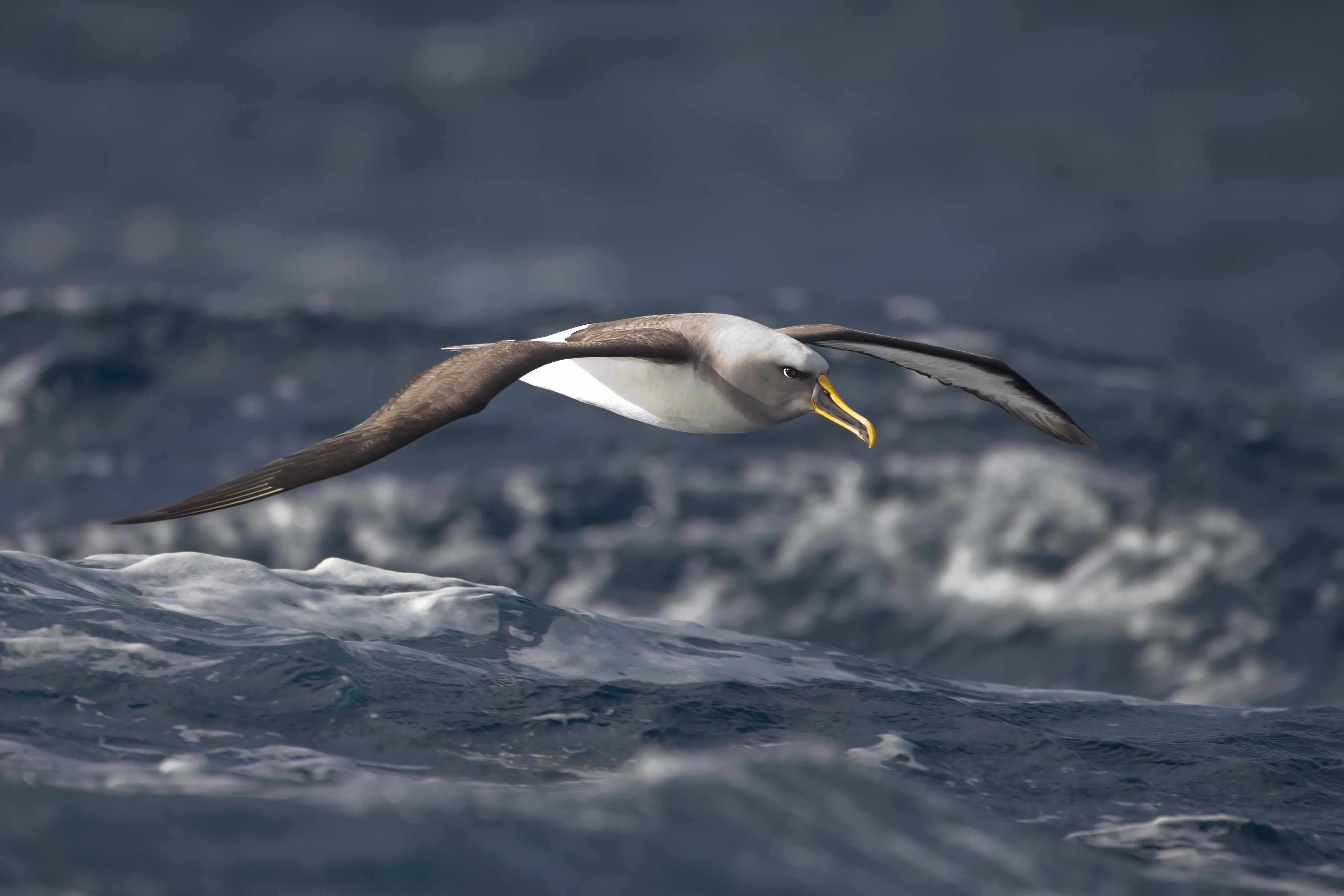
Credit: en.wikipedia.org
Causes Of Excessive Flying
Excessive flying in birds can be a puzzling behavior for bird owners and enthusiasts alike. Understanding the root causes is crucial for addressing this issue effectively. Birds may fly excessively due to a variety of factors, ranging from environmental influences to genetic predispositions, as well as stress and anxiety. Let's explore these causes in detail.
Environmental Triggers
Birds are highly sensitive to their surroundings. Changes in their environment can lead to an increase in flight activity. If you recently rearranged your furniture or added new family members, your bird might be reacting to these changes.
Consider the noise levels and lighting in your home. Birds exposed to constant loud noises or fluctuating light conditions may fly more frequently. Creating a stable and quiet environment can help in reducing excessive flying.
Genetic Factors
Sometimes, the reason your bird flies excessively is written in its genes. Certain species are naturally more active and prone to flying than others. If your bird belongs to a breed known for high energy levels, this could be a contributing factor.
Research your bird's species to better understand its natural behaviors. Knowing what’s typical for your bird can help you set realistic expectations. Breed characteristics can offer insight into whether excessive flying is a problem or simply part of their nature.
Stress And Anxiety
Birds experience stress and anxiety much like humans do. If your bird feels threatened or insecure, it may resort to flying as a coping mechanism. Do you notice your bird flying more when there are guests or during thunderstorms?
Assess the potential stressors in your bird's life. Providing a safe haven and ensuring a predictable daily routine can reduce anxiety. Sometimes, simply spending more time with your bird can alleviate their stress and decrease excessive flying.
Ultimately, understanding why your bird flies excessively is the first step in addressing this behavior. What changes can you make to support a more balanced lifestyle for your feathered friend?
Impact On Bird Health
Excessive flying in birds can have serious health consequences. It is important to understand how this behavior affects their well-being. Birds in the wild fly for food and migration. In domestic settings, this behavior can become excessive. Such patterns can impact both physical and mental health.
Physical Health Consequences
Excessive flying can lead to muscle fatigue in birds. Their bodies may not handle prolonged periods of flight. This can result in muscle strain and injury. Birds may also experience weight loss due to increased energy use. Nutrient deficiencies can occur if they do not eat enough. Over time, their immune system may weaken.
Mental Health Implications
Birds flying too much might experience stress. They could become anxious if they cannot rest. This behavior may lead to feather plucking. Birds may also become more aggressive. Their social interactions might suffer. They may struggle to bond with owners. Understanding these issues can improve bird care. It can promote better mental health for pet birds.
Behavioral Solutions
Excessive flying in birds can signal underlying issues. Addressing these behaviors involves exploring solutions that cater to the bird's needs. Behavioral solutions focus on creating a supportive environment and applying training techniques. These approaches aim to enhance well-being and reduce stress in birds.
Environmental Enrichment
Birds thrive in stimulating environments. Providing toys and puzzles can engage their minds. Natural perches and varied textures encourage exploration. Rotate items to maintain interest. A diverse setting reduces boredom. Enrichment helps manage excessive flying by keeping birds occupied.
Training And Conditioning
Training builds trust and reduces stress. Start with short sessions daily. Use positive reinforcement to encourage desired behaviors. Consistent rewards boost learning. Gradually increase session length. Conditioning helps birds adapt to routines. Structured training can minimize excessive flying.
Role Of Diet And Nutrition
Birds need proper nutrition to stay healthy. Diet impacts their behavior. Sometimes, excessive flying in birds links to nutritional deficiencies. Understanding this connection helps in managing such behaviors.
Nutritional Needs
Birds need a balanced diet for energy and well-being. Proteins, vitamins, and minerals are crucial. Lack of these nutrients can cause restlessness or anxiety in birds. This might lead to excessive flying. Each bird species has its own dietary requirements. Researching these needs is essential for bird owners.
Dietary Adjustments
Adjusting a bird's diet can reduce excessive flying. Introducing a variety of foods helps meet nutritional needs. Seeds, fruits, and vegetables should be part of their meals. Some birds benefit from fortified pellets. These provide essential nutrients in a balanced form. Consulting a vet can guide proper dietary adjustments.

Credit: www.chesapeakebay.net
Consulting Avian Experts
Birds are fascinating creatures, but sometimes their behaviors can perplex even the most seasoned bird enthusiasts. Excessive flying is one such behavior that might leave you puzzled. Is it a sign of distress, boredom, or just natural exuberance? Consulting avian experts can provide clarity and help you address this concern effectively.
When To Seek Professional Help
Do you notice your bird flying relentlessly, bumping into walls, or showing signs of fatigue? These might be indicators that it's time to seek professional help. Prolonged excessive flying can lead to injuries or stress-related illnesses.
Have you tried changing the environment or routine without success? Experts have the skills to assess whether it's a behavioral issue or a health problem. An avian vet or behaviorist can pinpoint underlying causes that you might overlook.
If you're feeling overwhelmed by your bird's behavior, remember that reaching out for help can make a significant difference. You're not alone in this journey, and professionals are there to guide you.
Choosing The Right Expert
Not all experts are the same, so how do you choose the right one for your bird? Start by looking for someone who specializes in avian behavior. They have the experience needed to understand complex bird behaviors.
Ensure your chosen expert is certified and has positive reviews from other bird owners. This can give you confidence that they are reputable and knowledgeable. Ask them about their approach to solving behavioral problems.
Consider visiting a few experts before making your decision. Personal interactions can help you gauge whether they’re the right fit for your bird and your expectations. Trust your instincts—your bird’s well-being depends on it.
Taking the step to consult an avian expert is a proactive way to ensure your bird's health and happiness. Don't wait for the problem to escalate. Do you feel ready to make this choice for your feathered friend?
Case Studies
Bird enthusiasts often wonder if excessive flying is a behavior problem in birds. Understanding this requires deep observation and case studies. These studies offer insights into why some birds fly more than usual.
Real-life Examples
Veterinarians have observed parrots that fly excessively. One parrot named Kiwi flew constantly, displaying stress signs. His owner noticed Kiwi couldn't settle and seemed anxious. Another case involved a cockatiel named Sunny. Sunny flew in circles repeatedly, showing signs of distress.
These real-life cases highlight how excessive flying can signal a deeper issue. Factors like environment changes or loneliness may cause such behavior.
Lessons Learned
From these cases, bird owners learn valuable lessons. Recognizing stress signs early helps in addressing the root cause. Providing a stimulating environment can reduce excessive flying. Birds need mental and physical engagement for balanced behavior.
These lessons show that understanding a bird's needs can prevent behavior problems. Bird owners can apply these insights to improve their pets' lives.
Frequently Asked Questions
Why Do Birds Fly Excessively?
Excessive flying in birds can result from stress, boredom, or environmental changes. Birds might fly more if their habitat lacks enrichment or if they're seeking mates. Health issues or dietary imbalances may also contribute to this behavior. Monitoring environmental factors and providing stimulation can help manage excessive flying.
Is Excessive Flying Harmful To Birds?
Excessive flying can lead to fatigue and stress in birds. It might cause physical injuries or health issues, such as joint strain or feather damage. Addressing the root cause, like improving their environment or diet, can prevent harm and promote well-being in birds.
How Can I Reduce My Bird's Excessive Flying?
Reducing excessive flying involves providing a stimulating environment. Enrichment activities like toys, puzzles, and social interaction can help. Ensuring proper diet and addressing health issues is crucial. Consult a veterinarian for guidance if excessive flying persists despite these efforts.
Do All Bird Species Exhibit Excessive Flying?
Not all bird species exhibit excessive flying. Some species are more prone to it due to natural behavior or environmental factors. Understanding specific species' needs and behaviors can help determine if excessive flying is typical or problematic for your bird.
Conclusion
Birds fly to explore, search for food, and escape danger. But excessive flying might signal stress or boredom. Observing their behavior helps in understanding their needs. A balanced environment can reduce unnecessary flying. Provide enough space, toys, and interaction. This ensures their well-being and happiness.
Each bird is unique. So, pay attention to their specific behavior. Addressing the root cause of excessive flying helps maintain their health. Always consult a vet or bird expert if concerned. Understanding birds better leads to healthier, happier pets.