


Have you ever been frustrated by squirrels raiding your bird feeder? You're not alone.
These clever creatures can turn your peaceful backyard into their personal buffet. But don’t worry; there’s a simple and fun solution to keep them at bay. Imagine using a slinky, that classic toy from childhood, to outsmart these furry bandits.
By adding a slinky to your bird feeder pole, you create a playful obstacle that squirrels struggle to navigate. This quirky trick not only helps protect your birdseed but also adds a touch of whimsy to your garden. Curious to learn how you can easily set this up? Let’s dive into the step-by-step guide that will transform your bird feeding experience and give you back the joy of watching birds without any unwanted guests.
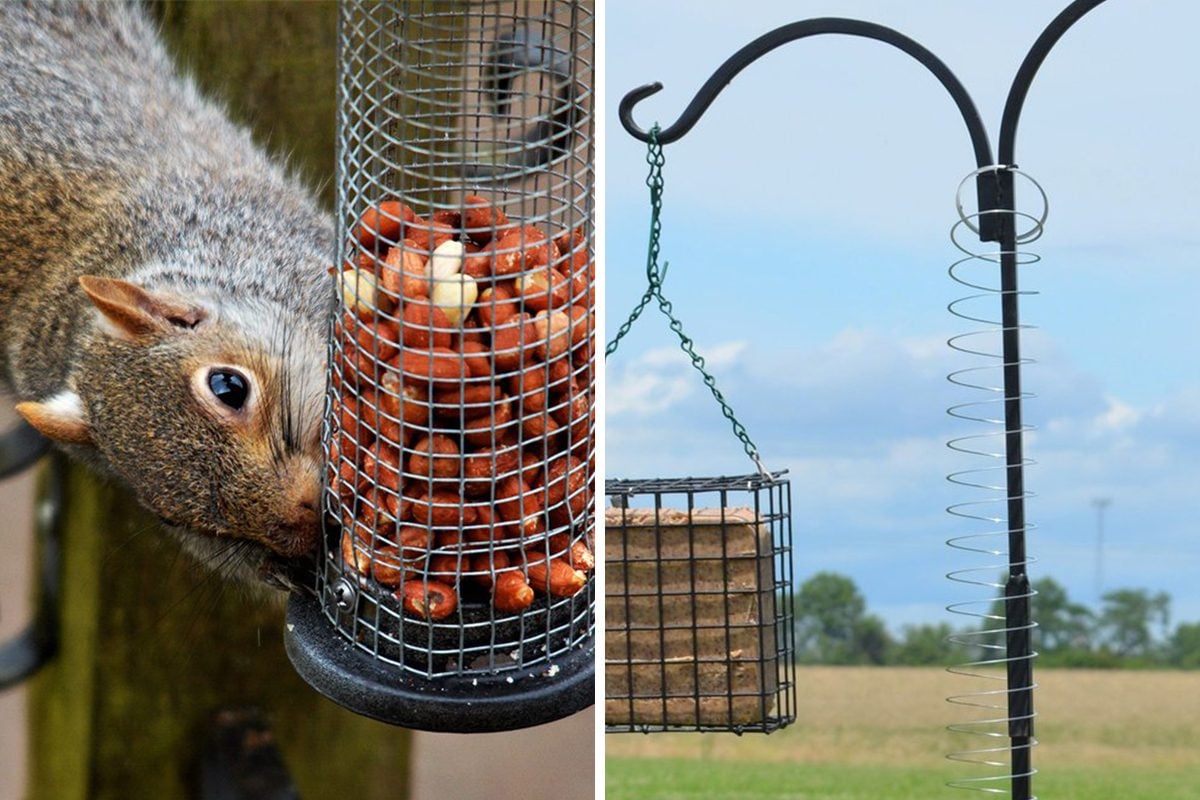
Credit: www.tasteofhome.com
Materials Needed
Setting up a slinky on a bird feeder pole can deter squirrels. With the right materials, this task becomes simple and effective. The following list ensures you have everything needed for a smooth setup.
Slinky
A standard metal slinky works best. It stretches easily and is durable. Choose one long enough to cover the entire pole. Avoid plastic slinkies as they may not hold up well outdoors.
Bird Feeder Pole
A sturdy bird feeder pole is essential. Ensure it can support the weight of the feeder and the slinky. Metal poles are preferable due to their strength and durability.
Cable Ties
Cable ties help secure the slinky to the pole. Use at least four to ensure stability. They should be weather-resistant to withstand outdoor conditions.
Scissors
Scissors are needed to cut the cable ties. Ensure they are sharp enough to make clean cuts. Dull scissors may lead to frayed ends, which can be problematic.
Gloves
Wear gloves to protect your hands. Metal edges can be sharp and may cause injuries. Choose gloves that provide a good grip and comfort.

Credit: www.facebook.com
Choosing The Right Slinky
Choosing the right slinky for your bird feeder pole might seem trivial, but it can make all the difference in keeping those pesky squirrels away. A slinky that's too light might not have the desired effect, while one that's too heavy could damage the pole. Let’s dive into the specifics of selecting the perfect slinky.
Material Matters
Not all slinkies are created equal. You’ll find metal and plastic options, but metal is often the better choice. It’s durable and withstands weather changes, unlike plastic, which can become brittle over time.
Imagine investing in a slinky only to replace it in a couple of months. A metal slinky can endure the elements and serve its purpose longer.
Size And Length
The size and length of the slinky are crucial. Opt for a slinky that’s long enough to reach from the top of the pole to the bottom. This way, squirrels will find it difficult to climb up.
Have you ever seen a squirrel trying to navigate a long, coiled path? It’s hilarious and effective in keeping them at bay.
Where To Buy
You can purchase slinkies from toy stores or online retailers. Search for one that specifies it’s made for outdoor use, ensuring it can withstand the environment.
Wouldn't it be great to find a slinky that’s both affordable and functional? Check customer reviews to see what others are saying about durability and effectiveness.
A Personal Tip
Once, I bought a colorful slinky thinking it would add charm to my garden. It did, but the squirrels thought so too! They played with it like a toy. Stick to simple, less attractive designs to avoid unintended squirrel games.
What’s your experience with bird feeders? Consider sharing your stories or tips with others who might be just as intrigued by the battle against the clever squirrel.
Preparing The Bird Feeder Pole
Preparing a bird feeder pole for a slinky is simple and fun. This step ensures your bird feeder stays safe from squirrels. Follow these easy steps to get started. You'll have a squirrel-proof feeder in no time.
Inspect The Bird Feeder Pole
Check the pole for any damage or rust. A strong pole is key. Make sure it's stable and secure. This prevents any accidents or falls.
Clean The Pole
Use a damp cloth to wipe the pole clean. Dust and debris can affect the slinky's grip. A clean pole ensures the slinky works well. Take a few minutes to do this right.
Measure The Diameter
Measure the pole's diameter with a tape measure. This helps you choose the right size slinky. A proper fit is important. Make sure the slinky slides easily over the pole.
Select The Right Slinky
Choose a slinky that fits your pole's diameter. A snug fit works best. This keeps squirrels from reaching the feeder. Ensure the slinky is strong and durable.
Attaching The Slinky
Attaching a slinky to a bird feeder pole can deter squirrels. They find it hard to climb past the slinky. This method is simple and effective. Follow these steps to attach it correctly.
Positioning The Slinky
Decide the starting point on the pole. Place the slinky at a height above where squirrels can jump. Ensure it is close enough to the feeder for protection.
Hold the slinky at the chosen spot. Let it hang down freely. Ensure it covers a significant portion of the pole.
Securing The Top End
Secure the top end with wire or tape. Wrap the wire tightly around the pole and slinky. Avoid loose ends to prevent slipping.
Check the connection. Make sure it is firm and stable. Test by tugging gently.
Ensuring Proper Length
Make sure the slinky reaches the ground or close. Measure before attaching. A shorter slinky may fail to stop squirrels.
Adjust the length by adding or removing coils. Ensure it doesn’t stretch or sag excessively.
Testing The Slinky Setup
Attach a Slinky to your bird feeder pole to deter squirrels. Begin by sliding the Slinky over the pole's top. Allow it to hang down freely, preventing squirrels from climbing up to the feeder. This simple trick keeps your birdseed safe.
Once you've installed a slinky on your bird feeder pole, it's time to put it to the test. This step is crucial to determine if your setup effectively deters those crafty squirrels. You might be surprised at how quickly squirrels adapt, so observing the initial interactions can provide invaluable insights. Plus, you get to witness firsthand the amusing antics as squirrels try to figure out this new obstacle.
Observing Squirrel Deterrence
Grab a cup of your favorite beverage and settle in for some entertainment. Watch from a distance to see if squirrels approach the feeder. Are they hesitant or still trying to climb the pole? Take note of their reactions. If they seem confused or deterred, your setup is working! Document any attempts they make to bypass the slinky. This will help you decide if further adjustments are necessary.
Adjusting The Slinky If Needed
Don't be discouraged if the squirrels seem undeterred at first. Sometimes, a little tweak is all it takes. Consider if the slinky is too tight or too loose. Adjust it by either stretching it out more or letting it coil tighter around the pole. You might need to reposition it slightly up or down. Experimenting with these changes can make a big difference in its effectiveness. If the squirrels still find a way, ask yourself: could the pole be too close to a tree or structure? Sometimes, moving the feeder to a more isolated spot can enhance the slinky's deterrent effect. Remember, patience and observation are your best tools. How has your experience been so far with deterring squirrels?
Maintenance Tips
Keeping your bird feeder pole in top shape ensures happy birds. Regular maintenance prevents rust and wear. This makes the slinky last longer. A well-maintained slinky keeps squirrels away. Follow these simple tips for a hassle-free experience.
Check For Rust
Inspect the slinky for any signs of rust. Rust weakens the metal. Treat rust spots with a rust remover. Use a cloth to apply it. This helps maintain the strength of the slinky.
Secure The Ends
Ensure the slinky is securely attached. Loose ends can slide off easily. Use zip ties to fasten the ends. This keeps the slinky in place. Check the ties monthly.
Clean Regularly
Bird droppings can soil the slinky. Use mild soap and water to clean it. A soft brush helps remove dirt. This keeps the slinky attractive and functional.
Replace Damaged Parts
Damaged slinky parts can harm birds. Bent or broken coils need replacement. Purchase a new slinky if needed. This ensures safety for the birds.
Inspect For Wear
Regularly check the slinky for wear. Worn slinky coils may slip. Replace worn coils promptly. This maintains the effectiveness of your bird feeder pole.
Additional Squirrel Deterrence Methods
Keep squirrels away by attaching a slinky to your bird feeder pole. The slippery coils make climbing difficult for squirrels. This method is simple and effective, protecting birdseed from unwanted visitors.
Putting a slinky on your bird feeder pole is a clever way to deter squirrels. But sometimes, those bushy-tailed critters are not easily discouraged. If your backyard squirrels are particularly crafty, you might need additional methods to keep them from raiding your bird feeder. Below are some effective strategies that can enhance your squirrel deterrence efforts.
Alternative Pole Covers
Using different materials to cover your feeder pole can be another way to keep squirrels at bay. Consider wrapping the pole with slippery materials like PVC pipes or aluminum. Squirrels find it difficult to grip these surfaces, which makes climbing a challenge. You could also try using a pole that is coated with a non-toxic grease or oil. Imagine the frustration on a squirrel's face as it slides right off! Just be sure to reapply periodically to maintain effectiveness.
Strategic Feeder Placement
Where you place your feeder plays a big role in squirrel deterrence. Squirrels are expert jumpers, so ensure your feeder is at least ten feet away from any jumping platform like trees or fences. This makes it harder for them to access your feeder from a leap. Consider hanging your feeder on a wire strung between two points. This requires more acrobatics than most squirrels can manage. Try experimenting with different placements to find the most squirrel-proof position. Adding these methods to your squirrel defense arsenal can make a big difference. Which strategy will you try first?

Credit: www.tiktok.com
Frequently Asked Questions
Why Use A Slinky On A Bird Feeder Pole?
Using a slinky on a bird feeder pole deters squirrels. The slinky's flexibility prevents squirrels from climbing up. It allows birds to feed peacefully without competition. This method is simple, effective, and humane. Many bird enthusiasts find it a practical solution.
How Do You Attach A Slinky To A Pole?
To attach a slinky, hook one end to the top of the pole. Let it dangle down naturally. Ensure the slinky is secure and hangs freely. This setup will deter squirrels from climbing. Make sure the slinky can stretch and move.
Can A Slinky Harm Birds Or Squirrels?
A slinky is generally safe for birds and squirrels. Its design doesn't harm animals but instead deters them. Ensure the slinky is securely fastened to avoid any potential harm. Regularly check the setup to ensure it remains safe. Safety should always be a priority.
What Type Of Slinky Works Best?
A metal slinky is recommended for durability. It's sturdy and withstands outdoor elements better than plastic. Plastic slinkies might break easily under pressure. Choose a slinky that stretches well and is rust-resistant. A quality slinky ensures long-term effectiveness.
Conclusion
Putting a slinky on a bird feeder pole is simple. It prevents squirrels from reaching the feeder. Slinkies are affordable and easy to install. First, remove the feeder. Slide the slinky onto the pole. Secure it with tape or zip ties.
Make sure it's tightly fitted. Now, squirrels can't climb up. Your birds can enjoy their food peacefully. It’s a clever trick for bird lovers. Try it yourself and see the difference. Keep your feeder safe and squirrel-free. Enjoy watching your feathered friends thrive.
Happy bird feeding!