


Imagine this: You've just filled your bird feeder with premium seeds, hoping to attract a beautiful array of feathered friends. You're all set for a peaceful morning, sipping coffee while watching birds flutter about.
But instead of delicate chirps, you hear rustling and spot a cheeky squirrel making off with your birdseed. Frustrating, isn't it? You're not alone in this battle against these cunning critters. If you’ve ever felt like your backyard is a squirrel buffet, you’re in the right place.
In this guide, you'll discover simple yet effective strategies to keep squirrels out of your bird feeder. Say goodbye to those sneaky seed-stealers and hello to a more serene bird-watching experience. Ready to reclaim your bird feeder? Let’s dive in!
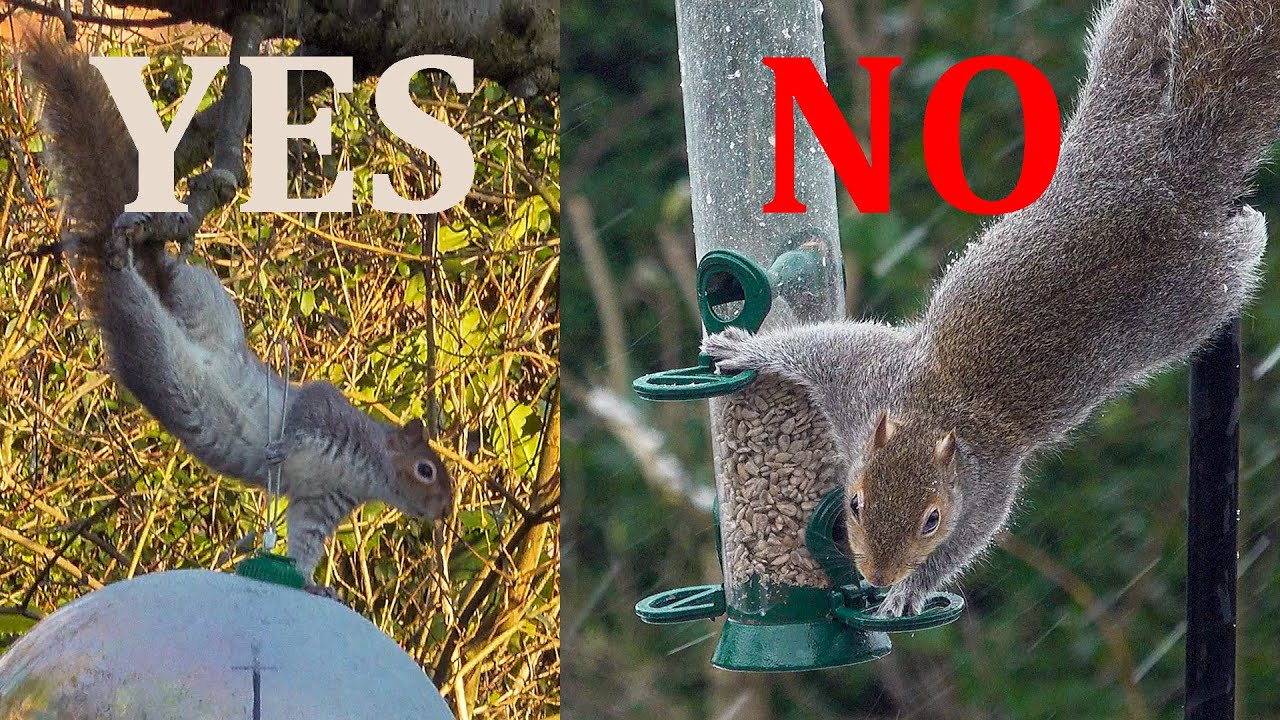
Credit: www.youtube.com
Bird Feeder Placement
Place bird feeders away from trees and fences to deter squirrels. Use squirrel-proof feeders with smooth surfaces. Consider installing a baffle above or below the feeder to block their access.
Placing your bird feeder in the right spot can make all the difference in keeping those pesky squirrels at bay. Imagine sipping your morning coffee while watching a variety of birds fluttering around your feeder, undisturbed by the local squirrel brigade. By thoughtfully considering where you place your feeder, you can enjoy this serene scene every day. Let's explore some strategies to achieve this balance.
Ideal Locations
Choosing the right location for your bird feeder is crucial. Open spaces are your best friend here. Place your feeder in a location that offers a wide, clear view. This not only helps you enjoy birdwatching but also makes it harder for squirrels to sneak up unnoticed. Consider positioning your feeder at least 10 feet away from any potential launching point. This means placing it far from fences, trees, and anything else a squirrel might use to jump onto the feeder. A standalone pole in the middle of your yard could be the perfect spot.
Avoiding Trees And Structures
Trees are the main highway for squirrels. They use branches like bridges to access your feeder. To prevent this, ensure your feeder is not hanging from a tree or close to one. You might love your shady backyard, but squirrels love it more. Structures like sheds and garages can also serve as ladders for the clever squirrel. Keep your feeder away from these as well. Have you ever noticed how squirrels seem to perform acrobatics to reach a feeder? By removing these access points, you disrupt their routine. When I moved my feeder away from the tree, I noticed a dramatic decrease in squirrel activity. Suddenly, my backyard was filled with chirping birds, and the squirrels seemed to lose interest. As you consider these placements, ask yourself: How can you create an inviting space for birds while keeping squirrels out of the picture? Small changes can lead to a big difference in your backyard ecosystem.
Squirrel-proof Designs
Squirrel-proof designs keep your bird feeder safe from hungry squirrels. Use baffles or weight-sensitive perches to deter them. These simple solutions ensure birds enjoy their meals without pesky interruptions.
Squirrels are clever little acrobats, and if you've ever tried to keep them out of a bird feeder, you know how determined they can be. However, there are bird feeder designs specifically made to outsmart these pesky rodents. Squirrel-proof designs can offer a stress-free way to enjoy watching birds without the constant interruption of squirrels taking over the feeder. Let’s dive into some effective designs that can help keep your bird feeder squirrel-free.
Cage Feeders
Cage feeders are an excellent way to keep squirrels away while still allowing birds to access the food. These feeders encase the bird seed in a metal cage with openings large enough for small birds but too small for squirrels. Imagine you're a birdwatcher sipping your morning coffee while the birds come and go, and the squirrels are left puzzled outside the cage. The beauty of cage feeders is their simplicity—no moving parts or complicated mechanisms. If you’re worried about aesthetics, many cage feeders come in attractive designs that can complement your garden or patio. Have you considered how a simple cage design could be the solution you need?
Weight-activated Feeders
Weight-activated feeders are another smart solution. These feeders have perches that close access to the seed when they detect the weight of a squirrel. Birds, being much lighter, can still enjoy the feast without any hindrance. Imagine the surprise on a squirrel's face when they think they've outsmarted you, only to find the seed is just out of reach! This mechanism can provide endless entertainment as you watch squirrels try, and fail, to get to the seed. These feeders are particularly useful if you have larger birds visiting your garden since the mechanisms can often be adjusted for different weight limits. Have you ever thought about how technology could make your bird feeding experience more joyful and less stressful? Both cage feeders and weight-activated feeders provide practical solutions to a common problem. They allow you to enjoy watching birds without the added challenge of deterring squirrels constantly. Which design do you think will best fit your birdwatching setup?
Barrier Techniques
Protecting your bird feeder from squirrels can be tricky. Squirrels are clever creatures. They find ways to access bird food. Barrier techniques offer a simple solution. These methods help keep squirrels at bay. Let's explore some effective barrier techniques.
Baffles And Guards
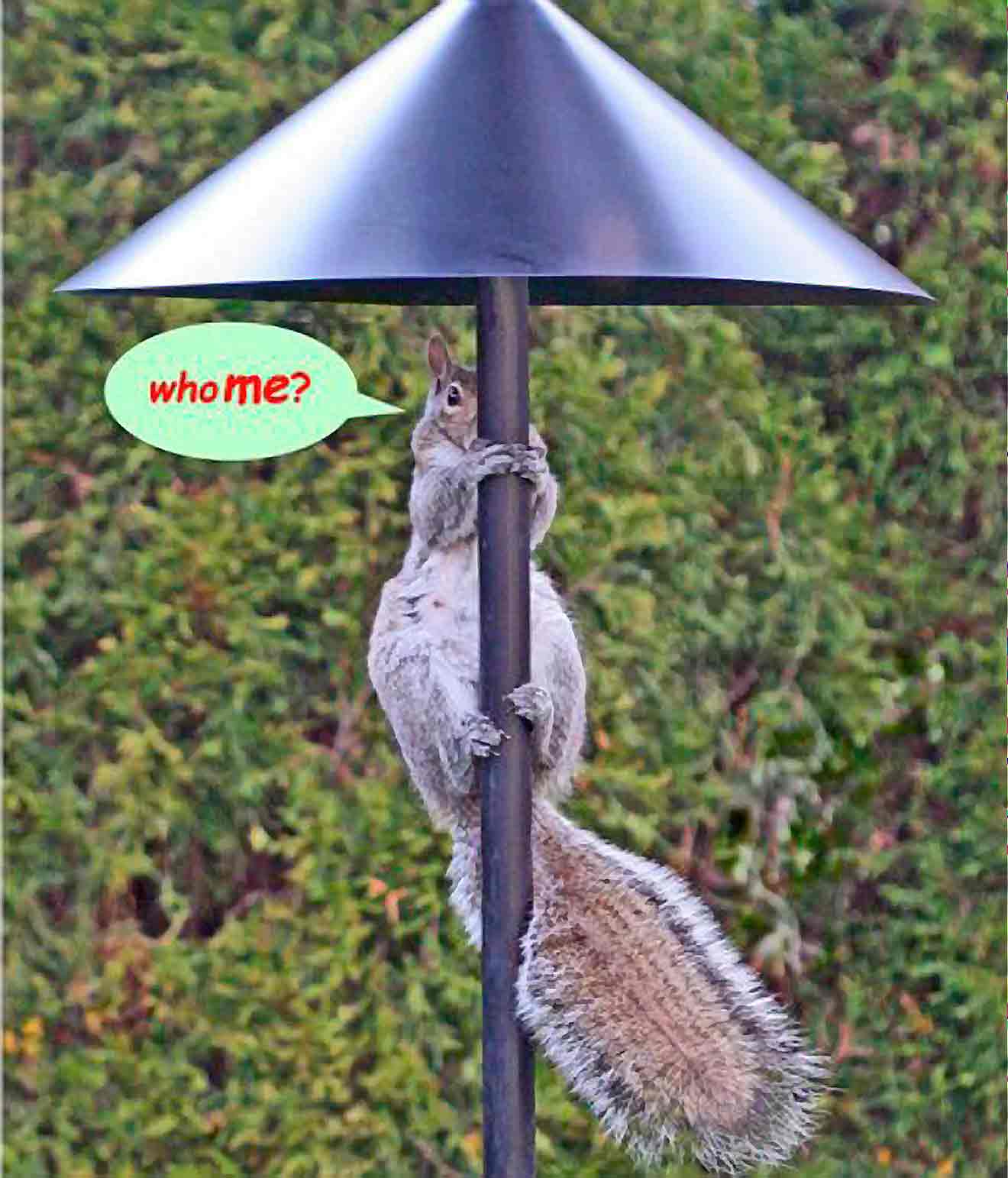
Baffles are dome-shaped devices. They block squirrels from reaching the feeder. Attach them above or below feeders. They prevent climbing or jumping. Guards are similar but have different designs. Some guards look like cages. They surround the feeder. Only birds can access the food.
Baffles and guards come in various styles. Choose one that fits your feeder. Ensure proper installation for effectiveness.
Hanging Feeders Properly
Placement plays a big role in keeping squirrels away. Hang feeders on thin wires. Squirrels struggle to balance on thin surfaces. Position feeders away from trees and structures. Squirrels can jump up to 10 feet. Ensure enough distance to avoid their reach.
Consider feeder height. Keep feeders at least 5 feet above the ground. This makes it harder for squirrels to climb. Proper hanging makes a significant difference.
Credit: www.theaudubonshop.com
Scent And Repellent Use
Squirrels can be a persistent nuisance for bird lovers. They are clever and persistent in finding ways to raid bird feeders. One effective strategy involves using scents and repellents. These can deter squirrels without harming them. Let's explore some options.
Natural Deterrents
Natural scents can keep squirrels away. Cayenne pepper is an excellent choice. Birds don't mind the spice, but squirrels dislike it. Sprinkle a small amount around the feeder. You can also use peppermint oil. Its strong aroma deters squirrels. Soak cotton balls and place them near the feeder. Another option is vinegar. Its sharp smell can be off-putting to squirrels. Spray it on surfaces near the feeder.
Commercial Repellents
Many commercial products can help. These repellents are usually safe for birds. Look for options with capsaicin. This ingredient causes a burning sensation to squirrels. Don't worry, it won't harm the birds. Some products use natural oils. They create smells that squirrels avoid. Always follow the instructions on the label. This ensures effectiveness and safety. Use these products regularly for best results.
Feeder Maintenance
Keeping squirrels out of your bird feeder can be a tricky task. You might find yourself constantly battling these furry invaders. One effective strategy is proper feeder maintenance. By regularly cleaning and checking for damage, you increase the chances of having a squirrel-free bird feeder. Let's dive into the specifics.
Regular Cleaning
Imagine you're a bird approaching a feeder. Would you prefer a clean, inviting space or a dirty, grimy one? Regular cleaning not only keeps your feeder looking fresh but also discourages squirrels. Clean feeders are less attractive to these critters who often forage for leftovers.
Think about this: Are you cleaning your feeder often enough? A simple routine of emptying old seeds and wiping down surfaces weekly can make a difference. This practice not only benefits the birds but also helps in spotting any signs of squirrel tampering.
Have you ever noticed how a clean environment feels more welcoming? Birds feel the same way about clean feeders. Plus, it’s a great opportunity to connect with nature and enjoy a bit of fresh air.
Checking For Damage
Keeping an eye out for damage is crucial. Squirrels are notorious for their persistence and might damage feeders to get to the seeds. Regular inspections help you catch issues early before they become bigger problems.
Imagine finding a broken latch or a chewed corner. Would you leave it unattended? Fixing these promptly can prevent further damage and keep your feeder squirrel-free. It’s all about being proactive.
Think about your last feeder check. Did you find anything amiss? Regular checks ensure feeders remain sturdy and functional, reducing the chances of squirrels gaining access.
Maintaining your feeder isn’t just about keeping squirrels at bay; it’s about creating a safe haven for birds. What’s your current maintenance routine? Consider adjusting it to better protect your feathered visitors.
Alternative Feeding Options
Consider installing squirrel-proof bird feeders to keep squirrels away. Create separate feeding stations for squirrels with nuts and seeds. This can divert their attention from bird feeders.
Feeding birds can be a delightful pastime, but the constant interference of squirrels can turn this peaceful hobby into a battle. Yet, there's hope in alternative feeding options that can keep both birds and squirrels happy. By providing separate feeding stations and exploring ground feeding techniques, you can maintain harmony in your garden without the constant squirrel drama. Let’s dive into these practical solutions and see how they can make your bird-watching experience more enjoyable.
Separate Squirrel Feeders
Squirrels are clever and persistent, but providing them their own feeders might just work wonders. Consider investing in a separate squirrel feeder designed specifically for their needs. These feeders can be filled with nuts and corn, which squirrels love. When I tried this in my backyard, the squirrels quickly learned to go to their designated feeder, leaving the bird feeders alone. It's a simple trick, but it can be surprisingly effective. Have you thought about placing these feeders away from the bird feeders? This strategic placement can help minimize the chances of squirrels invading the bird area.
Ground Feeding Techniques
Birds like sparrows and doves are natural ground feeders. Introducing ground feeding techniques can be an excellent way to divert the attention of squirrels. Scatter birdseed on the ground away from the main bird feeder. However, ensure you clean the area regularly to prevent attracting pests. When I started ground feeding, I noticed the squirrels were busy collecting seeds from the ground, sparing the hanging feeders. Have you considered using a tray or a platform for ground feeding? This can help keep the seeds in one place, making it easier for both birds and squirrels to feed without conflict. Explore these feeding options and transform your backyard into a peaceful haven for both birds and squirrels.
Observing Squirrel Behavior
Squirrels often raid bird feeders, causing frustration for bird lovers. Install a squirrel-proof feeder to keep them away. Use baffles and place feeders away from trees to deter these clever creatures.
Observing squirrel behavior is crucial in your quest to protect bird feeders. These clever creatures are determined and resourceful, often outsmarting traditional barriers. Understanding their habits can be your secret weapon.
Identifying Patterns
Pay attention to when squirrels are most active around your feeder. Do they appear at dawn, or are they more active in the afternoon? Take note of their favorite access points. Maybe they're climbing trees or jumping from nearby structures. Consider their reactions to different feeder designs. Are they deterred by certain shapes or materials?
Adapting Strategies
Once you've identified their patterns, think about changes you can make. Would relocating the feeder help? Experiment with different feeder designs. Consider options that make it harder for squirrels to reach. Observe how they react to barriers like baffles or cages. Are there other obstacles you could try? Have you ever noticed how squirrels respond to motion detectors or sounds? These can sometimes deter them from approaching. Think about using squirrel-proof feeders. These are designed specifically to outsmart these persistent critters. Are you ready to outsmart the squirrels? By studying their behavior, you can gain the upper hand. Your bird feeder can be a sanctuary for birds, not a snack bar for squirrels.

Credit: birdseedandbinoculars.com
Frequently Asked Questions
How Do I Squirrel-proof A Bird Feeder?
To squirrel-proof a bird feeder, use a baffle above or below it. Opt for feeders with weight-sensitive perches that close when squirrels climb on. Place feeders at least 10 feet away from jumping-off points like trees or fences. Regularly check and adjust your setup.
What Materials Deter Squirrels From Feeders?
Metal and plastic are effective materials for deterring squirrels from bird feeders. Squirrels can chew through wood, but metal and durable plastic resist their bites. Choose feeders made of these materials for better protection. Additionally, consider using squirrel-proof designs for enhanced deterrence.
Are There Squirrel-proof Bird Feeder Designs?
Yes, there are squirrel-proof bird feeder designs available. These designs often include weight-sensitive mechanisms that close the feeding ports when squirrels land. Some feeders also use cages to keep squirrels out. Select a design that suits your specific needs and setup.
Can Spicy Seeds Keep Squirrels Away?
Yes, spicy seeds can deter squirrels from bird feeders. Birds aren't affected by capsaicin, but squirrels dislike the heat. Add cayenne pepper or purchase pre-treated spicy birdseed. Always wash hands after handling spicy seeds to avoid irritation.
Conclusion
Keeping squirrels out of bird feeders is possible with simple steps. Use squirrel-proof feeders and place them wisely. Keep feeders away from trees and fences. Add baffles to deter climbing squirrels. Use spicy birdseed to repel them naturally. Regular maintenance helps keep feeders secure.
Consistency is key. Protect your birdseed and enjoy watching birds visit. With these tips, create a peaceful space for your feathered friends. Enjoy the tranquility of a squirrel-free bird feeder. Your garden will thank you!