


Are you tired of seeing your bird feeder become a playground for pesky squirrels? You fill it up, hoping to attract beautiful birds, only to find it raided by these clever little critters.
It's frustrating, isn't it? Watching your birdseed vanish faster than you can say "squirrel" can make even the most patient birdwatcher feel defeated. But what if you could finally outsmart these furry thieves and reclaim your bird feeder for its intended guests?
Imagine the satisfaction of sipping your morning coffee while watching a colorful array of birds, knowing your feeder is squirrel-proof. In this guide, you'll discover practical tips and tricks to keep those squirrels at bay, transforming your backyard into a bird haven once and for all. Let's dive in and solve this common backyard dilemma together!
Credit: www.youtube.com
Choose The Right Bird Feeder
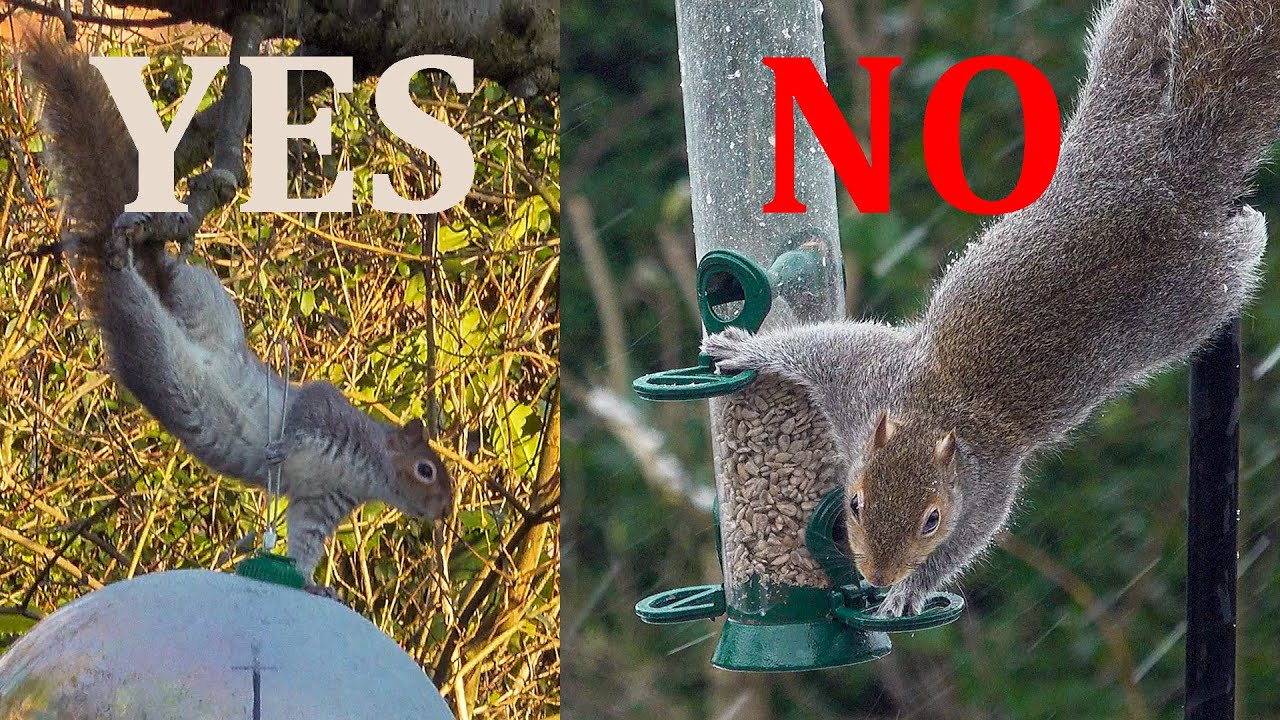
Prevent squirrels from raiding bird feeders by using baffles or squirrel-proof designs. Opt for feeders with weight-sensitive perches that close access when heavier animals land. Position feeders far from trees and fences to deter crafty squirrels from jumping onto them.
Choosing the right bird feeder can make all the difference in keeping those pesky squirrels away. Imagine watching vibrant birds flutter around your garden without the constant interruption from greedy squirrels. It's not just a dream; it’s achievable with the right approach. You might wonder, what kind of bird feeder can truly withstand the cunning tactics of squirrels? Let’s dive into the practical steps to make your bird-watching experience peaceful and enjoyable.
Squirrel-proof Designs
Opt for bird feeders specifically designed to deter squirrels. Look for models with weight-sensitive mechanisms. These feeders close access to the food when something heavier than a bird lands on them. Some feeders have adjustable springs, allowing you to set the weight limit. This is handy if you want to cater to smaller birds only. Have you ever tried using a cage design? It keeps squirrels at bay while allowing small birds to slip through easily.
Material Considerations
The material of your bird feeder plays a crucial role in preventing squirrels. Metal feeders are a robust choice. Squirrels struggle to chew through them compared to plastic ones. Consider feeders with a slick finish. It makes it difficult for squirrels to cling onto them. Have you noticed how squirrels are great climbers? A slippery surface can be your best defense against their climbing skills. Choosing wisely ensures your bird feeder not only attracts beautiful birds but also stays squirrel-free. Have you experimented with different materials before? Reflecting on what has worked or failed in the past can guide your next purchase.
Positioning The Feeder Strategically
Keeping squirrels away from bird feeders can be challenging. They are clever and persistent. Proper placement of your bird feeder can deter these furry intruders. Strategic positioning plays a crucial role in keeping your feeder squirrel-free. By considering the right distance and height, you can enjoy watching birds without interruption.
Distance From Trees And Structures
Squirrels are excellent jumpers. Place your feeder at least 10 feet from trees. Structures like fences and sheds should also be considered. Squirrels can leap great distances from these points. Keeping a safe gap reduces their chance of reaching the feeder. Remember, the further the feeder, the harder it is for them to jump.
Height And Accessibility
Height is another important factor in feeder placement. Hang your feeder at least 5 feet above the ground. This height makes it harder for squirrels to reach from below. Also, avoid placing feeders near climbable objects. Poles or branches can serve as access points. The more challenging the path, the less likely squirrels will attempt it.
Use Of Baffles And Guards
Keeping squirrels away from your bird feeder can feel like a never-ending battle. These clever creatures can turn any serene bird-watching moment into a chaotic scene. But fear not, there’s a way to outsmart them using baffles and guards. These simple devices can make all the difference, ensuring your feathered friends enjoy their meals in peace. Let's explore how you can implement these tools effectively.
Types Of Baffles
Baffles come in various shapes and sizes, each designed to thwart the most determined squirrel. The most common types are dome-shaped and cone-shaped baffles. Dome-shaped baffles are perfect for hanging feeders, creating a slippery surface that squirrels struggle to navigate.
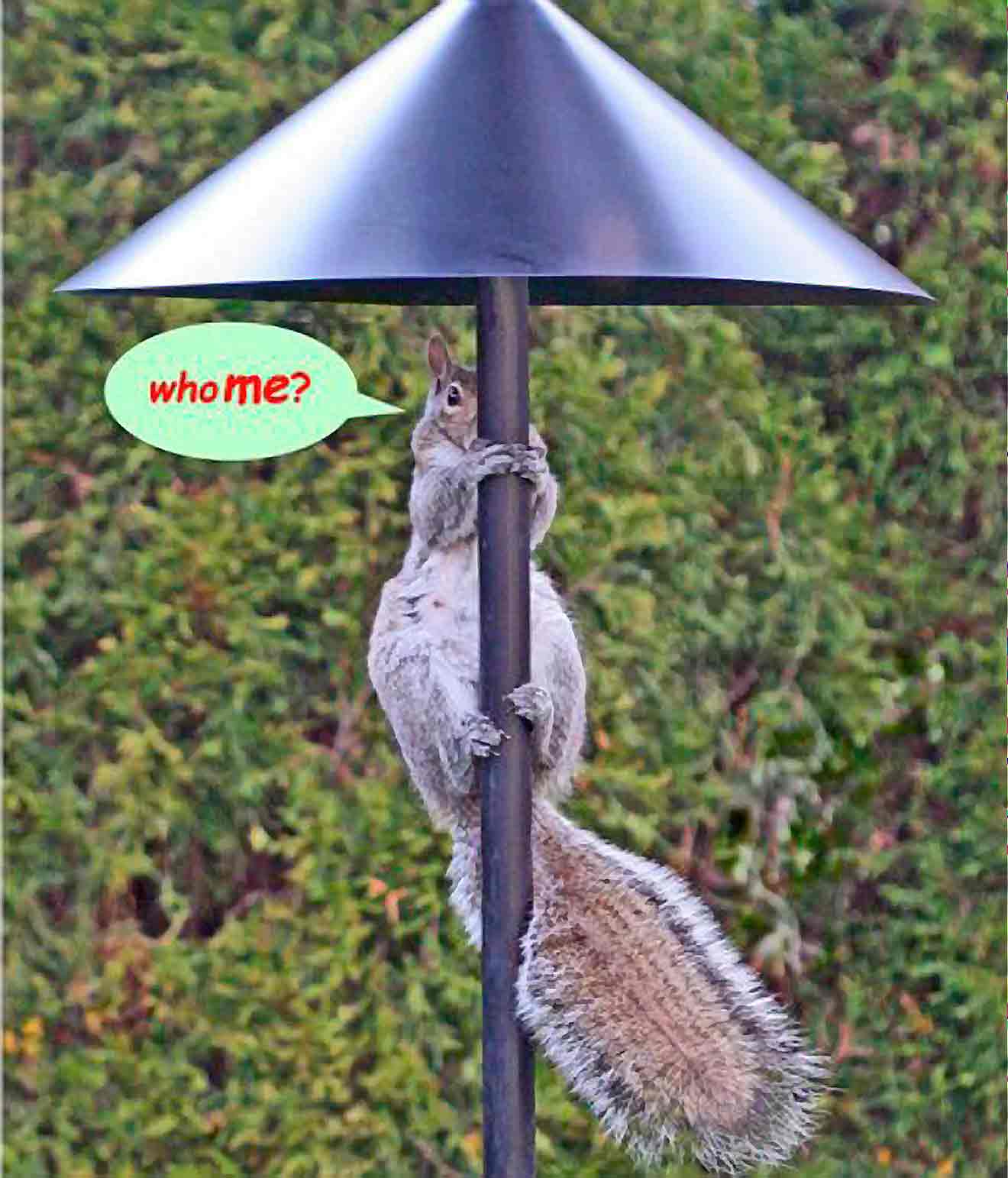
Meanwhile, cone-shaped baffles are excellent for pole-mounted feeders. They act as a barrier, preventing squirrels from climbing up to reach the feeder. Other designs include cylindrical baffles and torpedo baffles, each offering unique advantages based on your setup.
Installation Tips
Installing baffles correctly is crucial for them to work effectively. Ensure your baffle is wide enough, so squirrels can't bypass it. If you're using a dome-shaped baffle, position it above the feeder, ensuring no branches or structures provide a way around it.
For cone-shaped baffles, secure them tightly below the feeder. A loose baffle can easily be manipulated by a determined squirrel. Consider adding a guard to your setup for added protection. Guards are typically wire mesh or cages surrounding the feeder, making it difficult for squirrels to reach the food.
Have you ever watched a squirrel attempt to bypass a well-installed baffle? It's a fascinating mix of determination and frustration. The right setup can save you time and effort while preserving your bird-watching sanctuary. So, what's stopping you from giving it a try? Dive into the world of baffles and guards, and reclaim your feeder from those pesky squirrels!
Add Spices To Bird Seed
Keeping squirrels away from bird feeders can be a challenge. One effective method involves adding spices to bird seed. Spices deter squirrels without harming birds. Birds enjoy the seeds, while squirrels dislike the spicy taste. This method is natural and safe for your garden friends.
Chili Pepper As A Deterrent
Chili pepper can be a powerful deterrent. It contains capsaicin, which squirrels find unpleasant. Birds do not taste capsaicin. This makes chili pepper a perfect choice. Sprinkle powdered chili pepper in your bird seed. Squirrels will avoid the spicy seeds, leaving them for the birds.
Safe Spice Usage
Using spices safely is important. Only use mild spices like chili powder. Avoid strong spices that might irritate birds. Check the seed for even coverage. Do not use too much spice. Start with a small amount and observe results. This ensures birds are not bothered by the spice.
Create A Squirrel Feeding Station
Building a squirrel feeding station can keep squirrels away from your bird feeder. Offer them nuts and seeds in a separate area. This distracts them from raiding bird food.
Creating a squirrel feeding station can be a delightful way to keep those persistent little critters away from your bird feeders. By offering squirrels their own space with tempting treats, you can divert their attention and ensure your backyard birds enjoy their meals in peace. Plus, watching squirrels munch on their own snacks can be entertaining and rewarding. But how do you make a squirrel feeding station that actually works?
Alternative Food Sources
To entice squirrels away from bird feeders, offer them snacks that they love but birds don't. Peanuts, corn, and sunflower seeds are great options. Adding a mix of nuts can make the station more attractive. You might be surprised at how quickly squirrels will prefer their station when it's stocked with these goodies. Consider adding some fruits like apple slices or berries for variety. What other foods can you think of that might tempt squirrels more than your birdseed?
Location Planning
Positioning your squirrel station is crucial. Keep it at a distance from your bird feeder. This separation encourages squirrels to stick to their designated area. Place the station near trees or bushes where squirrels naturally hang out. They prefer locations that offer some cover and safety from predators. Imagine the station as a squirrel's personal buffet, away from the bird dining area. How can you make it inviting enough that they can't resist? By creating a dedicated squirrel feeding station, you not only protect your bird feeder but also create an engaging backyard ecosystem where both birds and squirrels can thrive.
Credit: www.theaudubonshop.com
Utilize Natural Repellents
Bird feeders are delightful additions to any garden, attracting a variety of beautiful birds. But the constant presence of pesky squirrels can be frustrating. One effective way to deter these furry intruders is by utilizing natural repellents. This approach is not only environmentally friendly but also ensures your bird feeder remains a squirrel-free zone. Let's dive into some practical scent-based solutions.
Peppermint Oil Application
Peppermint oil is a powerhouse when it comes to repelling squirrels. Its strong aroma is unpleasant to them, making it an excellent deterrent. Simply add a few drops of peppermint oil to a cotton ball. Place these cotton balls around your bird feeder.
I once sprinkled peppermint oil around my feeder, and the squirrels disappeared in no time. It was as if they couldn't stand the smell. You might find the scent refreshing, but for squirrels, it's a different story.
Consider this: Could such a simple solution be the key to a squirrel-free bird feeder for you? Try it out and see the results for yourself.
Other Scent-based Solutions
If peppermint oil isn't your thing, there are other scent-based options to explore. Cayenne pepper is another natural deterrent. Sprinkle it on the birdseed or around the feeder. Birds are not affected by the spice, but squirrels dislike it.
Another option is vinegar. Use a spray bottle to mist vinegar around the feeder. The pungent smell is off-putting to squirrels. Try alternating between these scents for added effectiveness.
You might be surprised at how these simple scents can transform your garden space. Have you ever considered how a simple smell could protect your bird feeder?
These natural solutions are worth a try. They are easy, inexpensive, and safe for your garden ecosystem. So, why not experiment and find out which scent works best for you?
Regular Maintenance And Checks
Regular maintenance helps keep squirrels away from bird feeders. Check for damage and adjust squirrel baffles regularly. Clean up spilled seeds to avoid attracting them.
Keeping squirrels out of your bird feeder requires more than just setting up a fancy contraption. Regular maintenance and checks are essential to ensure that your bird feeder remains squirrel-proof. By staying vigilant, you can protect your feathered friends' food supply and enjoy watching them without interruptions. Let's dive into how you can make these checks a routine part of your bird feeding experience.
Inspecting Feeder Integrity
Start with a thorough inspection of your bird feeder. Look for any signs of wear and tear. A small crack or loose part can become an entry point for a crafty squirrel. Check the feeder's hanging mechanism. Make sure it's secure and can withstand a squirrel's weight. A weak chain or hook might let the feeder fall, spilling seeds and inviting squirrels for a feast. Examine the feeder’s openings. Ensure they are small enough to only allow birds access. Squirrels are persistent and can squeeze through surprisingly tight spots if given the chance.
Cleaning Routine
A clean feeder is less attractive to squirrels. Regularly clean your bird feeder to remove any seed debris or bird droppings. This keeps the scent from attracting unwanted visitors. Use a simple cleaning solution of mild soap and water. Scrub all parts of the feeder, including perches and seed trays. This not only deters squirrels but also keeps your birds healthy. Rinse thoroughly and let the feeder dry completely before refilling. This ensures that no soap residue remains, which could deter birds and leave room for squirrels to move in. Think about your feeder maintenance as a regular part of your gardening routine. Have you ever noticed how much calmer your garden feels after a good tidy up? The same goes for your bird feeder. Regular checks and cleaning keep your space serene and squirrel-free. By making these practices a habit, you'll keep those pesky squirrels at bay and enjoy a more peaceful bird-watching experience. What tips do you have for keeping squirrels out of your bird feeder? Share your experiences in the comments below!

Credit: birdseedandbinoculars.com
Frequently Asked Questions
How Can I Squirrel-proof My Bird Feeder?
To squirrel-proof your bird feeder, use a baffle. This is a dome or cone-shaped object that prevents squirrels from climbing up. Additionally, place feeders away from trees and fences. Use squirrel-resistant feeders, which are designed to close under a squirrel's weight.
Regular maintenance ensures they remain effective.
What Smells Deter Squirrels From Feeders?
Squirrels dislike certain scents like peppermint, garlic, and vinegar. Spraying these around your feeder can deter them. Commercial squirrel repellents, available in garden stores, can also be effective. However, ensure they're safe for birds. Applying them regularly increases their effectiveness.
Do Squirrel-proof Bird Feeders Work?
Yes, squirrel-proof bird feeders are effective. They use mechanisms like weight-sensitive perches to deter squirrels. When a squirrel lands, the feeder closes, preventing access. Regularly check and maintain these feeders to ensure they function correctly. Combining them with other deterrents enhances protection.
How High Should A Bird Feeder Be To Deter Squirrels?
Place bird feeders at least 5 feet high. This height makes it difficult for squirrels to jump. Ensure there's at least 10 feet of clearance from trees, fences, or structures. Positioning is crucial for maximum effectiveness. Regularly check the surrounding area for potential climbing aids.
Conclusion
Keeping squirrels away from your bird feeder is possible. Use baffles, cages, or squirrel-proof feeders. Try relocating the feeder or using spicy deterrents. Regularly clean the area to remove tempting food scraps. Adjusting your setup can protect your bird food.
Experiment with different strategies and find what works best. Remember, persistence is key. You can enjoy watching birds without pesky squirrel interruptions. Share your success with friends who face the same issue. With patience, your bird feeder can remain squirrel-free.
Happy birdwatching!