


Have you ever gazed out your window, longing to see vibrant birds fluttering around your feeder, yet felt disappointed by an empty perch? You're not alone.
Many bird enthusiasts like you dream of transforming their backyard into a bustling avian haven. The good news is, you can turn this dream into reality with just a few simple tweaks. Imagine the joy of sipping your morning coffee while colorful birds chirp melodiously outside your window.
Intrigued? Keep reading to discover the secrets to attracting feathered friends to your feeder, and turn your outdoor space into a delightful bird sanctuary.
Credit: www.perkypet.com
Choosing The Right Feeder
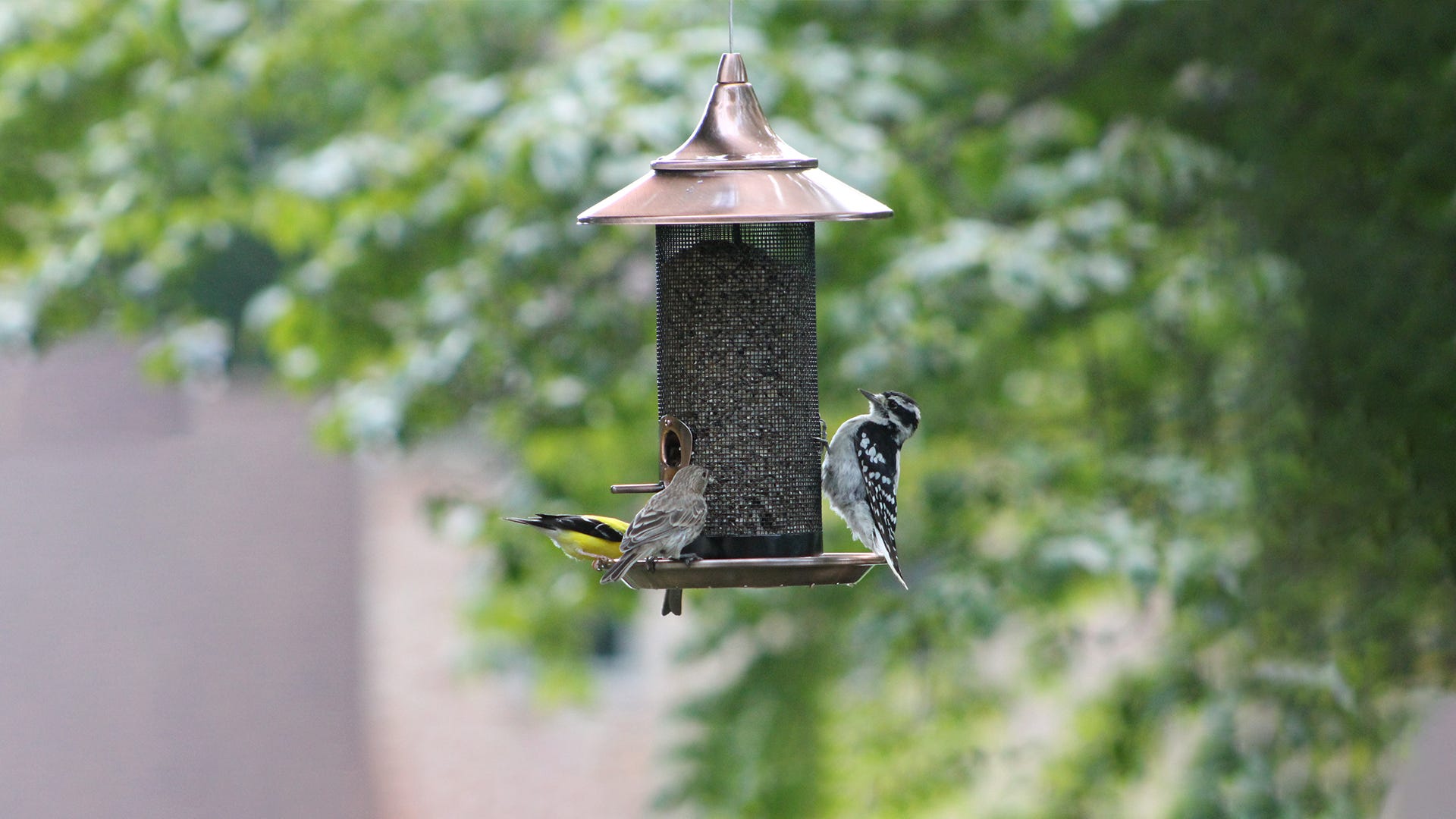
Attracting birds to your feeder begins with choosing the right one. The ideal feeder matches the needs of your desired birds. Consider feeder type, material, and placement for the best results. Birds are more likely to visit if these elements are well thought out.
Types Of Feeders
Different birds prefer different feeders. Tube feeders are great for small birds like finches. Platform feeders attract larger birds such as cardinals. Hummingbird feeders offer sweet nectar that hummingbirds love. Suet feeders are ideal for woodpeckers and nuthatches. Each type serves specific bird species well.
Material Considerations
The material of the feeder impacts its durability. Plastic feeders are lightweight and easy to clean. Metal feeders are sturdy and resist squirrel damage. Wooden feeders blend naturally with the environment. Glass feeders are stylish and show nectar levels clearly. Choose a material that suits your setting and budget.
Placement And Positioning
Position your feeder where birds feel safe. Hang it near trees or shrubs for quick escape routes. Keep feeders away from busy areas to reduce stress. Place them at varying heights for different bird species. Ensure feeders are visible and accessible. Proper placement encourages regular bird visits.
Credit: www.wmjames.co.uk
Selecting Bird-friendly Seeds
Attract birds by choosing seeds they love, like sunflower seeds and millet. These seeds are popular with many bird species. Ensure your feeder is clean and safe for birds to enjoy their meals.
Selecting the right seeds for your bird feeder can transform your backyard into a vibrant haven for feathered friends. Not all seeds attract every bird, and understanding which ones to use can make your bird-watching experience more rewarding. Let’s delve into the types of seeds that will not only attract but also benefit the birds visiting your feeder.
Popular Seed Types
Some seeds are more enticing to birds than others. Black oil sunflower seeds are a favorite, cherished by a variety of birds due to their high fat content and thin shells. Nyjer seeds, also known as thistle seeds, are perfect for attracting finches. Safflower seeds are less popular with squirrels, making them a great choice if you want to avoid these pesky visitors. Including a mix of these seeds can create a diverse bird population in your yard.
Seasonal Variations
Consider changing the seeds you offer based on the season. During winter, birds require more energy to stay warm, making high-fat seeds like sunflower and suet cakes ideal. In spring and summer, they might prefer lighter seeds like millet or cracked corn as they prepare for nesting and raising young ones. Observing which seeds the birds consume more during different times of the year can provide insights into their seasonal needs.
Avoiding Harmful Seeds
It's crucial to steer clear of seeds that can be harmful to birds. Mixed seeds often contain fillers like red millet, which many birds ignore, leading to waste. Some cheaper mixes might even include seeds treated with pesticides or other chemicals. Always check the seed packaging for any harmful additives. I remember the first time I tried a mixed seed blend, only to find that most of it ended up scattered beneath the feeder. I learned that investing in quality seeds not only keeps the birds healthy but also keeps your feeding area clean. What seeds have you found to be most effective in attracting birds to your feeder? Experimenting with different types can lead to delightful bird-watching moments right in your backyard!
Creating A Safe Environment
Creating a safe spot for birds is essential. Offer fresh seeds and clean feeders to attract them. Ensure nearby trees provide shelter from predators.
Attracting birds to your feeder is a rewarding experience, but it's crucial to ensure their environment is safe. Creating a safe haven not only protects your feathered friends but also encourages them to visit more frequently. A secure setting makes your backyard an inviting and reliable sanctuary for birds.
Predator Protection
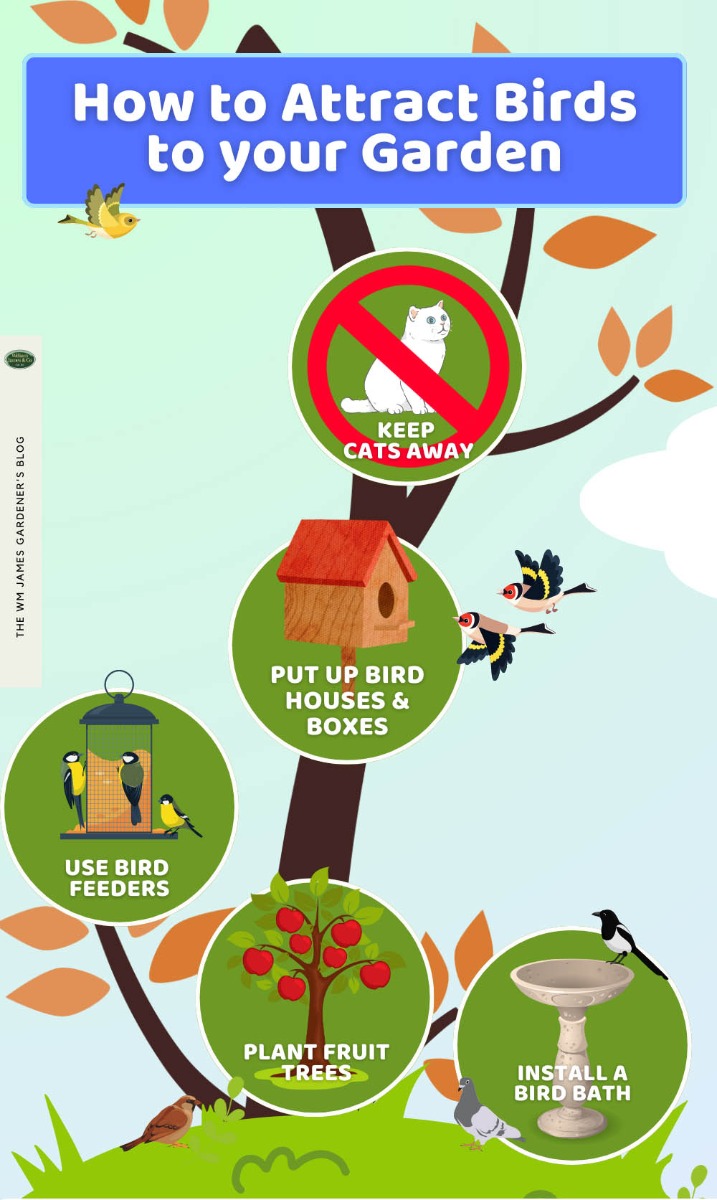
Predators like cats, hawks, and even squirrels can deter birds from visiting your feeder. Elevate your feeder at least 5 feet off the ground to keep it out of reach of most predators. Consider placing it near dense shrubs or trees that provide quick escape routes for birds. Have you ever noticed fewer birds after a neighborhood cat visits? Installing a baffle or using a pole with a smooth surface can prevent these unwanted guests from climbing to the feeder.
Weather Considerations
Birds need a place to eat that's sheltered from harsh weather. Position your feeder in a spot that offers protection from strong winds and direct sun. A covered feeder can keep seeds dry during rain, making it more appealing to birds. During winter, your feeder might become a vital source of food. Ensure it's easily accessible even when snow piles up. You might want to clear a path or place it under an overhang.
Minimizing Human Disturbance
Too much human activity can scare birds away. Place your feeder in a quiet area of your yard, away from busy pathways or loud noises. Think about how you feel when trying to enjoy a meal at a bustling restaurant; birds appreciate some peace too. Observing from a distance with binoculars can be rewarding without intruding on their space. Are you tempted to refill the feeder during peak feeding times? Try doing it early in the morning or late in the afternoon when bird activity is lower. This way, you'll minimize disturbances and keep the feathered visitors coming back. Creating a safe environment isn't just about protection—it's about making your backyard the perfect bird sanctuary. What changes can you make today to ensure your feathered friends feel secure and welcome?
Providing Water Sources
Birds love visiting feeders with fresh water sources nearby. Offer clean, shallow water in a birdbath. Place it close to the feeder for easy access. This attracts more birds, enhancing their feeding experience.
Attracting birds to your feeder is not just about offering food. Providing water sources is equally crucial. Birds need water for drinking and bathing, especially during hot and dry seasons. A well-maintained water source can make your backyard a go-to spot for them. But how do you ensure your water sources are appealing to birds? Let's explore some practical tips.
Birdbaths And Water Features
Adding a birdbath is a simple and effective way to draw birds to your garden. Make sure it's shallow, allowing birds to comfortably drink and bathe. Consider a pedestal birdbath for visibility and safety from predators. If you're looking to add a touch of flair, water features like small fountains can be a hit. The sound of running water attracts birds and adds a soothing ambiance to your garden. Birds love the gentle sound, and it piques their curiosity.
Maintaining Water Quality
Keeping the water clean is vital. Stagnant water can harbor bacteria and algae, deterring birds. Refresh the water regularly to ensure it remains appealing and safe. A simple routine of cleaning the birdbath or fountain weekly can make a huge difference. A quick scrub with a brush and a rinse will keep it hygienic. You'll notice more birds visiting when the water is fresh.
Winter Water Solutions
Winter poses a challenge with freezing temperatures. Birds still need water, but finding unfrozen sources can be tough. Consider using a heated birdbath to provide consistent access to water. You can also add small floating objects to prevent the surface from freezing completely. Have you ever thought about using dark-colored bowls? They absorb sunlight and help keep the water ice-free longer. What steps will you take to ensure your feathered friends have access to water year-round?
Enhancing Natural Habitats
Attracting birds to your feeder involves offering a variety of seeds and fresh water. Position feeders near trees or shrubs for safety. Regularly clean the feeders to prevent diseases.
Enhancing natural habitats is a key strategy to attract birds to your feeder. A thriving backyard environment can make all the difference in creating a welcoming space for your feathered friends. By focusing on a few crucial elements, you can transform your yard into a bird haven that keeps them coming back for more.
Planting Native Flora
Native plants are the foundation of a bird-friendly yard. They provide food and shelter that local bird species recognize and rely on. Consider adding a variety of native trees, shrubs, and flowers that offer seeds, berries, and nectar. Research the native plants specific to your area to ensure they thrive in your climate. This not only benefits the birds but also reduces maintenance efforts for you. It's a win-win—your yard flourishes, and the birds do too.
Creating Shelter And Nesting Sites
Birds need safe spaces to rest and nest. Incorporate dense bushes, hedges, and trees to offer protection from predators. Think of your yard as a sanctuary where birds can feel secure. Additionally, installing birdhouses can encourage nesting. Ensure these houses are the right size and placed at an appropriate height to deter unwanted guests. A little attention to detail can make your yard the top choice for nesting birds.
Encouraging Insect Life
Insects are a vital food source for many birds, especially during breeding season. Avoid pesticides and opt for natural pest control methods to maintain a healthy insect population. Encourage native insects by allowing some areas of your garden to grow wild. Have you noticed how birds love foraging in leaf litter? Create a small compost area or leave some leaves on the ground. This invites insects and, in turn, brings more birds to your yard. By enhancing the natural elements of your yard, you create a supportive environment that attracts and sustains bird life. What changes will you make to invite more birds to your feeder?

Credit: www.craftymarie.com
Maintaining Your Feeder
Keeping your feeder clean and stocked attracts more birds. Fresh seeds and regular cleaning prevent mold and disease. Place the feeder in a safe spot with nearby trees for birds to perch.
Maintaining your bird feeder is essential if you want to attract a diverse array of feathered friends to your backyard. A well-maintained feeder ensures the health and safety of visiting birds while keeping them coming back for more. Think of it as a welcoming oasis, free from hazards and fully stocked with enticing treats. Whether you're an experienced bird enthusiast or just starting out, these practical tips will help you keep your feeder in top shape and buzzing with activity.
Cleaning And Hygiene
Regular cleaning is a must for any bird feeder. Dirty feeders can harbor bacteria and mold, which may harm your avian visitors. Set a routine to clean your feeder at least once every two weeks. Use warm water and mild soap, scrubbing all surfaces thoroughly. Rinse well to ensure no soap residue remains. You wouldn't want your dinner plate covered in grime, would you? Birds feel the same way! Many bird lovers, including myself, have discovered the joy of watching their feathered friends return to a clean and inviting feeder. A little effort in hygiene goes a long way in preventing diseases and keeping the bird community healthy.
Regular Refilling
Keep your feeder stocked with fresh seeds. Birds quickly learn where they can find a reliable food source. If the feeder is empty, they may look elsewhere and not return. Set a schedule to check and refill your feeder every few days. Consider the types of birds you want to attract when choosing your seed. Different species have different preferences. Do you want to see vibrant cardinals or busy chickadees? Choose accordingly and watch as the variety of birds increases.
Monitoring For Pests
Pests can be a major nuisance for bird feeders. Squirrels, raccoons, and even ants might try to steal the food meant for birds. Regularly inspect your feeder for signs of unwanted visitors. If pests become a problem, consider investing in pest-proof feeders or installing barriers. Have you ever seen a squirrel acrobatics show on your feeder? It's entertaining but can lead to a deplete food supply. Taking proactive steps helps ensure birds get the food you intend for them. Maintaining your feeder is not just a chore—it's an opportunity to learn and grow as a bird enthusiast. By keeping your feeder clean, stocked, and pest-free, you're creating a thriving environment for local wildlife. What will you do today to make your feeder the best it can be?
Observing And Enjoying Birds
Imagine sipping your morning coffee, the gentle hum of nature surrounding you, while vibrant birds flit around your backyard feeder. Observing and enjoying these feathered visitors can transform your outdoor space into a lively sanctuary. But how can you make the most of this enchanting experience?
Identifying Local Species
Start by familiarizing yourself with the birds native to your area. Do you know which species frequent your region? Research local bird guides or use apps like Merlin Bird ID for real-time identification. Understanding the birds you attract can enhance your experience. You might spot a rare visitor one day, igniting your passion for birdwatching.
Keeping A Bird Journal
Documenting your observations can be both fun and informative. Have you ever thought about keeping a bird journal? Record species, behaviors, and the seasons they visit. This practice helps track patterns and changes in your local avian population. Plus, revisiting old entries can bring back fond memories of past sightings.
Involving The Community
Sharing your birdwatching journey with others can be incredibly rewarding. Could your neighbors benefit from your insights? Host a birdwatching event or start a community group where everyone can share tips and sightings. Engaging with others not only builds camaraderie but also fosters collective learning. You might even discover new species through shared experiences.
Observing and enjoying birds at your feeder is more than just a pastime. It’s a way to connect with nature, learn, and even build community ties. So, what are you waiting for? Set up that feeder and immerse yourself in the delightful world of birdwatching.
Frequently Asked Questions
How Do I Attract More Birds To My Feeder?
To attract more birds, offer a variety of seeds, such as sunflower seeds and millet. Ensure your feeder is clean and placed in a safe, quiet location. Provide water nearby and consider adding a variety of feeders. Plant native shrubs and trees to create a bird-friendly habitat.
What Type Of Feeder Attracts The Most Birds?
Tube feeders attract many bird species, including finches and sparrows. They are versatile and can hold various seed types. Platform feeders are also popular as they accommodate larger birds. Choosing a feeder with multiple perches can invite more birds at once, enhancing your bird-watching experience.
Why Aren't Birds Visiting My Feeder?
Birds might not visit if your feeder is dirty or positioned poorly. Ensure it's in a safe, quiet area away from predators. Check the seed quality; stale or moldy seeds deter birds. Seasonal changes can also affect bird activity, so patience is key.
What Time Of Day Do Birds Feed Most?
Birds are most active in the early morning and late afternoon. These times are crucial for feeding as they seek energy for the day and evening. Keep your feeders stocked during these periods to maximize visits. Observing bird patterns in your area can offer more insights.
Conclusion
Invite more birds with fresh seeds and clean feeders. Offer a variety. Birds love different seeds. Place feeders in safe spots. Away from predators. Add water for drinking and bathing. Keep feeders filled regularly. Birds remember dependable food sources. Watch them flock and enjoy the view.
Birds bring joy and life to your garden. Feel the connection with nature. Enjoy the beauty and sounds they bring. A simple feeder can create a lively scene. Your efforts will be rewarded. Happy birdwatching!