


Imagine sipping your morning coffee while watching a vibrant array of birds flit around your backyard, each one adding a splash of color and a chorus of melodies. Sounds delightful, right?
If your bird feeder has been disappointingly empty, you're not alone. Many people set up feeders only to wonder why the birds aren't flocking to them. But don't worry—you're about to discover the secrets to transforming your yard into a bustling bird haven.
In this guide, you'll learn how to attract birds to your feeder with simple, actionable steps. We'll explore the types of feeders and food that draw in different species, and share tips on creating a welcoming environment that birds can't resist. By the end, you'll have all the tools you need to turn your garden into a favorite spot for feathered friends. Get ready to enjoy the beauty and joy that birds bring, right from the comfort of your home.
Choosing The Right Bird Feeder
Attracting birds to your feeder requires choosing a suitable design and placing it in a safe, visible spot. Cleanliness is key; regularly clean the feeder and offer fresh seeds to entice more visitors. Selecting seeds that cater to local birds' preferences can significantly increase your chances of bird sightings.
Choosing the right bird feeder can significantly impact the number of feathered friends visiting your garden. Imagine sipping your morning coffee while watching colorful birds flutter and feast. A well-chosen feeder can turn this daydream into reality. But with so many options available, how do you pick the best one? Let’s dive into the details.
Types Of Bird Feeders
Bird feeders come in various shapes and sizes, each designed to attract different types of birds. The most common type is the tube feeder, which is perfect for small birds like finches and sparrows. If you love watching cardinals or blue jays, a hopper feeder might be your best bet. Its spacious design allows larger birds to perch comfortably. Platform feeders are another great option, offering an open space for various birds to gather and feast. These feeders can attract a wide range of bird species, including doves and juncos. Think about what birds you want to attract and choose a feeder that matches their preferences.
Considerations For Different Birds
Different birds have different needs, and understanding these can help you make the right choice. Smaller birds often prefer feeders with small perches and protective covers. These features help keep them safe from larger, more aggressive birds. Larger birds require sturdier feeders. A platform or hopper feeder with a strong base will cater to their size and weight. Reflect on the types of birds native to your area to tailor your feeder choice effectively. Think about the location of your bird feeder, too. Do you have a squirrel problem? Consider a feeder with a built-in squirrel baffle. This small adjustment can keep your seeds safe and ensure the birds get their fill. When I first set up my bird feeder, I was surprised to see that it remained empty for weeks. After some research, I realized that my feeder was not suitable for the birds in my area. Once I switched to a tube feeder, the change was instant. Now, my mornings are filled with the delightful chirps of finches and sparrows. What kind of bird-watching experience are you hoping to create? Choose a feeder that not only fits your vision but also caters to the birds in your region. The right feeder can transform your backyard into a bustling hub of activity and color.

Credit: www.craftymarie.com
Selecting Bird-friendly Locations
Creating an inviting space for birds means choosing the right location. Your bird feeder's placement can significantly affect the number of visitors. Understanding their needs ensures your feeder becomes a bustling hub of activity. Focus on safety and visibility to attract more birds.
Safe Distances From Predators
Birds need a safe haven from predators. Place feeders away from potential threats. Cats and squirrels are common predators. Avoid placing feeders too close to trees or fences. These areas provide easy access for predators. A clear space of at least 10 feet is ideal.
Consider the height of the feeder. Elevate it to deter ground predators. Hanging feeders work well in open spaces. This makes it harder for predators to reach.
Optimal Visibility And Accessibility
Birds are visual creatures. They are attracted to visible feeders. Choose a spot with clear lines of sight. Ensure the feeder is not hidden by foliage. Birds need to see the feeder from afar.
Accessibility is key for frequent visits. Ensure easy flight access to the feeder. Avoid narrow or obstructed paths. Birds prefer feeders they can approach easily. Keep the area clean and clear of debris.
Wind direction matters too. Position feeders away from strong winds. This prevents spillage and provides a steady perch. Consider placing the feeder near a window. This offers a delightful view for you and a safe spot for birds.
Providing The Best Bird Seed
Attract more birds by choosing high-quality bird seed. Offer a variety of seeds to suit different species. Keep your feeder clean and filled regularly for best results.
Providing the right bird seed is essential to attract a variety of birds to your feeder. The type of seed you offer can make or break the success of your bird-feeding station. Ever wondered why some feeders are always bustling with activity while others sit neglected? It’s all about what you put in your feeder. Let’s dive into the best options to keep your feathered friends coming back for more.
Popular Seed Options
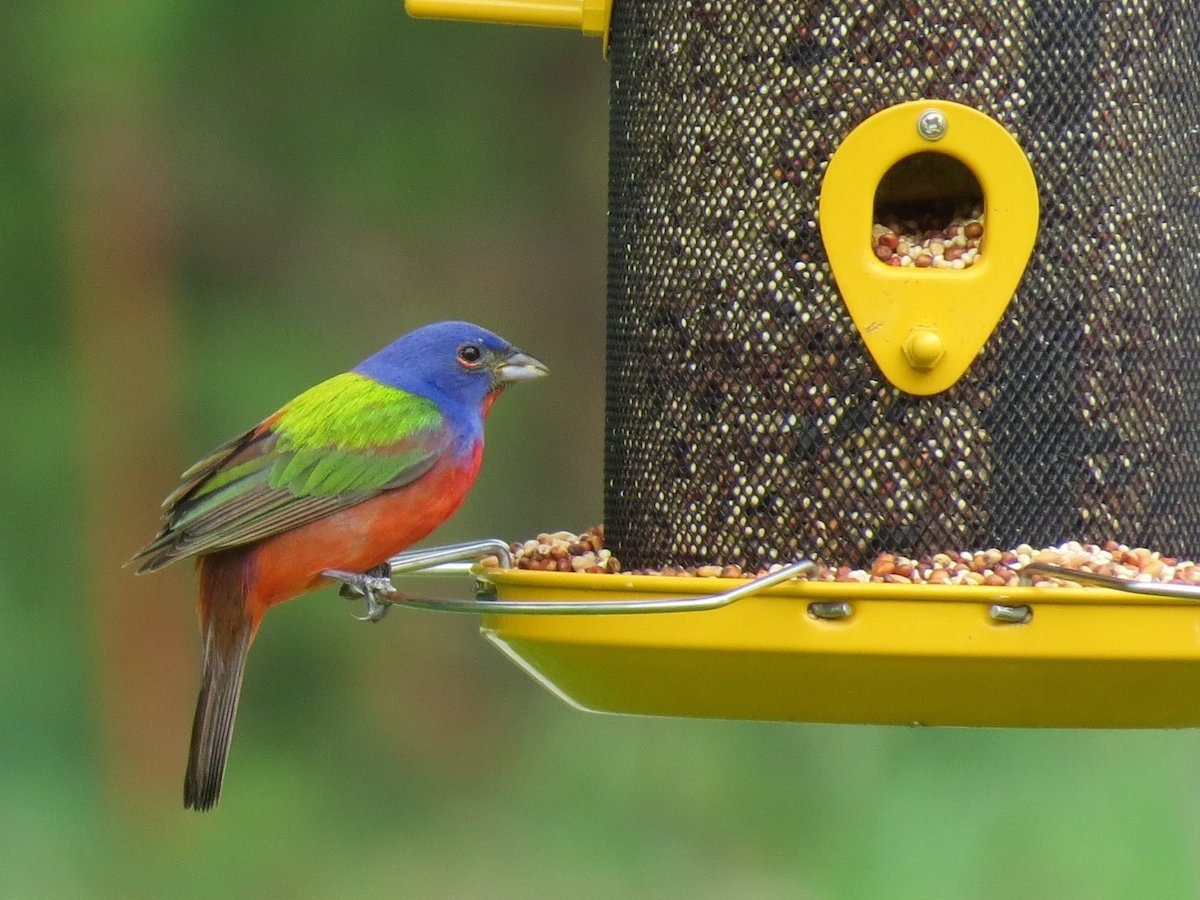
Birds, like humans, have preferences. Black oil sunflower seeds are a favorite among many species because they are rich in fat and easy to crack open. Consider mixed seed blends, which can attract a broader range of birds, each picking out their preferred seeds. Nyjer seeds are tiny but mighty, perfect for attracting finches and other small songbirds. If you've ever watched a blue jay or a cardinal, you know they love safflower seeds. These seeds are a bit more special, offering you the chance to see these vibrant birds up close. Remember, the fresher the seeds, the more appealing they are. Have you checked the expiration date on your bird seed lately?
Seasonal Considerations
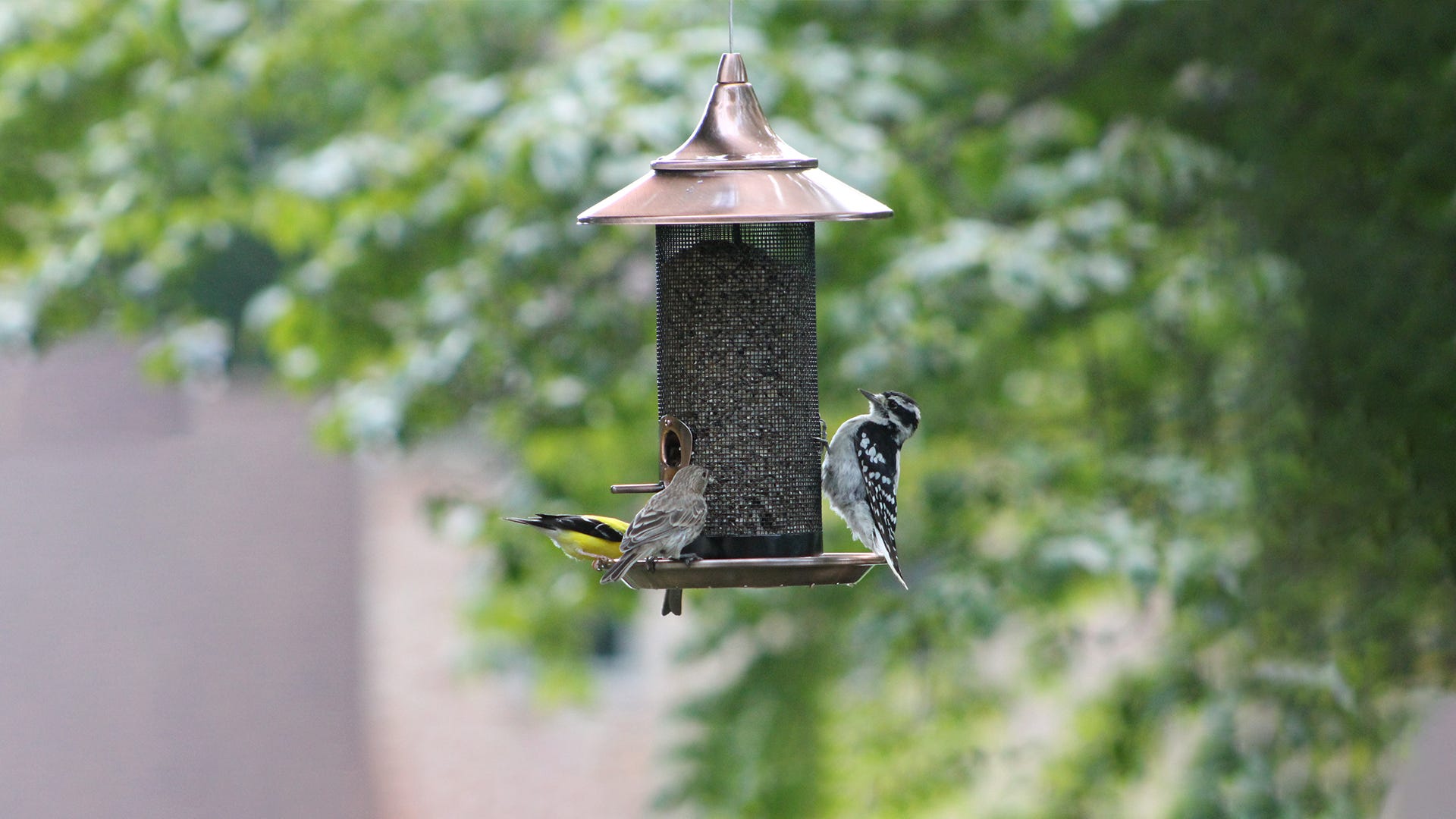
As seasons change, so do birds' dietary needs. In winter, birds need more calories to stay warm, so high-fat seeds like sunflower hearts and suet become vital. During spring and summer, consider seeds that provide protein, essential for breeding birds and their growing chicks. Have you thought about switching your seed mix with the seasons? Offering a varied selection not only attracts different species but also supports their health throughout the year. Keep in mind, during fall, birds are preparing for migration and need energy-rich options. Ultimately, the best seed is the one that suits the birds in your area and the season. Experiment with different seeds to see what your local birds prefer. Are you ready to turn your bird feeder into a lively, feathered oasis?
Credit: www.perkypet.com
Maintaining A Clean Feeder
A clean bird feeder attracts more birds. Regularly wash and refill it with fresh seeds. Keep the area tidy to ensure a safe and inviting spot for feathered friends.
Maintaining a clean bird feeder is crucial for attracting feathered visitors. Birds prefer clean environments. Dirty feeders can deter them. Regular cleaning ensures your feeder remains inviting. It also helps prevent diseases among birds. A clean feeder attracts more species and keeps them healthy.
Regular Cleaning Tips
Regular cleaning of your bird feeder is essential. Start by emptying the feeder completely. Use mild soap and warm water for washing. Scrub all surfaces thoroughly. Pay attention to corners and crevices. Rinse with clean water. Allow the feeder to dry completely before refilling. Aim to clean your feeder once a week. This routine keeps the feeder hygienic and appealing.
Preventing Mold And Disease
Mold and disease can harm birds. Moisture often leads to mold growth. Keep your feeder dry to prevent this. Use feeders with drainage holes. Regularly check for damp seeds. Replace them if wet. Clean the feeder immediately if mold is spotted. A clean feeder reduces the risk of spreading disease. Healthy birds will visit more often. A clean environment keeps them safe and happy.
Attracting Birds With Water
Birds love water. It attracts them more than food sometimes. Adding water features near your bird feeder can be a great strategy. Birds need water for drinking and bathing. They often seek out places with fresh, clean water.
Adding Bird Baths
Bird baths are a popular choice. They offer a safe place for birds to bathe and drink. Choose a shallow bird bath. Birds prefer water that is not too deep. Keep the water level low. This helps small birds use the bath easily.
Place the bird bath near your feeder. Birds will notice it quickly. Use stones or pebbles to add texture. Birds can perch on them while drinking. This makes the bath more inviting.
Ensuring Fresh Water Supply
Fresh water is crucial. Stagnant water can deter birds. Change the water regularly. This prevents algae and mosquito growth. Clean the bird bath weekly. A clean bath attracts more birds.
Consider adding a water fountain feature. Moving water stays fresh longer. Birds love the sound of running water. It catches their attention and draws them in.
In winter, water can freeze. Use a heater to keep the water unfrozen. Birds need water even in cold months. A heated bird bath can be a lifesaver.
Credit: www.birdsandblooms.com
Creating A Bird-friendly Environment
Attract birds to your feeder by placing it in a quiet area with shelter from predators. Offer a variety of seeds and fresh water to satisfy different bird species. Clean the feeder regularly to prevent disease and ensure a healthy environment.
Creating a bird-friendly environment is essential to attract birds to your feeder. Birds seek safe spaces with plentiful food sources. Transforming your garden into a sanctuary requires attention to detail. Consider what birds need to thrive. Focus on native plants and shelter.
Incorporating Native Plants
Native plants offer birds familiar food and habitat. Choose species common in your area. These plants provide seeds, berries, and nectar. Birds recognize these sources. Native plants also host insects, an additional food source. They promote biodiversity and attract various bird species. Keep plants varied. Mix shrubs, flowers, and trees for a diverse landscape.
Providing Shelter And Nesting Options
Shelter is vital for birds. Trees and shrubs create safe havens. Birds need protection from predators. Dense foliage offers cover. Consider adding nesting boxes. They provide safe places for birds to raise their young. Place them in quiet, sheltered spots. Avoid areas with heavy human activity. Nesting boxes should be the right size for local birds. Ensure they are clean and secure. Creating a welcoming environment encourages birds to visit and stay.
Using Bird Calls And Sounds
Using bird calls and sounds is a fascinating way to attract birds. These calls can lure birds to your feeder, enhancing your bird-watching experience. Understanding the different types of bird calls and when to use them can make your backyard a hub of activity.
Types Of Bird Calls
Birds communicate using various calls. Alarm calls warn others of danger. Songs attract mates and mark territory. Contact calls help birds stay together. Knowing these types helps you use the right sounds.
When And How To Use Them
Morning is the best time to use bird calls. Birds are most active then. Play calls near feeders to mimic their natural environment. Use soft sounds that blend with nature. Avoid loud noises that may scare birds. Experiment with different calls to see what works best. Adjust based on the species in your area.
Avoiding Common Mistakes
Drawing birds to your feeder involves avoiding errors like using unclean feeders or unsuitable food. Ensure feeders are clean and stocked with fresh, appropriate seeds to attract various bird species. Placing feeders in safe, quiet spots also encourages frequent visits from feathered friends.
Inviting birds to your bird feeder can be a delightful experience, but it's important to avoid some common mistakes that might discourage our feathered friends. A few missteps can turn your backyard haven into a deserted spot. Let's explore how to refine your approach and make your bird feeder a bustling hub of activity.
Overcrowding Feeders
Birds, like humans, enjoy a comfortable space to eat. When too many feeders are placed close together, it can cause unnecessary stress and competition among birds. Spread your feeders around the yard to give birds room to enjoy their meal without feeling cramped. This setup not only reduces conflict but also attracts a wider variety of species to your garden. Consider the size and number of feeders. Is one large feeder enough, or should you add a few smaller ones to create a more inviting atmosphere?
Ignoring Seasonal Changes
Birds' dietary needs change with the seasons, and ignoring this can result in an empty feeder. In the winter, birds need high-energy foods like suet and seeds to stay warm. During the spring and summer, they might prefer fruits and insects. Adjusting your offerings with the seasons can make your feeder a year-round favorite for local birds. Pay attention to the types of birds visiting your feeder. Are you seeing different species as the months go by? Tailor your food selection to cater to these seasonal visitors. By avoiding these common mistakes, you not only enhance the bird feeding experience but also contribute to the well-being of the birds. What's one change you can make today to improve your bird feeder setup?
Frequently Asked Questions
How Can I Attract More Birds To My Feeder?
To attract more birds, offer a variety of seeds like sunflower and nyjer. Ensure your feeder is clean and filled. Place it in a quiet spot with nearby trees or shrubs for cover. Fresh water sources, like a birdbath, can also entice birds to visit.
What Time Of Day Do Birds Visit Feeders?
Birds typically visit feeders early in the morning and late in the afternoon. These are their peak feeding times. Ensure your feeders are filled during these hours. Regular maintenance and fresh seeds can help attract more birds during these active times.
Why Aren't Birds Visiting My Feeder?
Birds might avoid feeders if they're dirty or placed in busy areas. Ensure your feeder is clean, positioned in a quiet location, and filled with fresh seeds. Nearby predators or lack of cover can also deter birds. Providing water can enhance your feeder's appeal.
What Seeds Attract The Most Birds?
Black-oil sunflower seeds are a top choice for attracting a variety of birds. Nyjer seeds attract finches, while safflower seeds appeal to cardinals. Offering a mix of these seeds can attract diverse bird species. Always ensure seeds are fresh and suitable for local birds.
Conclusion
Birds love safe and welcoming spaces. Keep your feeder clean and filled. Choose seeds that attract specific birds. Place feeders away from threats like predators. Water sources invite more birds. Trees and shrubs near feeders provide shelter. Patience is key in bird watching.
Enjoy each visit from feathered friends. Remember, nature takes time. Creating a bird-friendly space brings joy. Every bird visit is a reward. Share your love for birds with others. Inspire friends to create their own bird havens. Happy bird watching!