


Are you dealing with a bird that seems to have a bit too much attitude? If your feathered friend has become aggressive, you're not alone.
Many bird owners face this challenge, and it can be quite frustrating. But don't worry; there's hope. This guide will walk you through simple, effective ways to understand and fix aggressive bird behavior. Imagine enjoying a peaceful, loving interaction with your bird once again.
By the end of this article, you’ll know exactly what steps to take to help your bird feel more relaxed and happy. Let’s dive in and transform your relationship with your bird today!

Credit: m.youtube.com
Identify Aggressive Behavior
Understanding bird behavior is essential for managing aggression. Birds often display aggressive actions when stressed or threatened. Identifying these behaviors helps in addressing the root cause effectively. Let's explore common aggression signs and potential triggers.
Common Aggression Signs
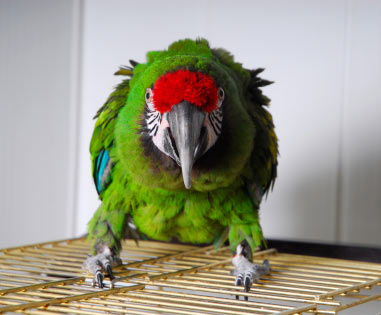
Aggressive birds may bite or peck forcefully. They sometimes spread their wings wide to appear larger. Loud squawking often accompanies aggressive behavior. Tail fanning is another sign of aggression. Staring with a piercing gaze can also indicate hostility.
Potential Triggers
Changes in environment often stress birds. New pets or people can provoke aggression. Loud noises can also trigger aggressive reactions. Lack of proper stimulation might lead to aggression. Inadequate diet can cause irritability in birds. These triggers often escalate aggressive behavior.
Credit: lafeber.com
Create A Safe Environment
Creating a safe space for aggressive birds involves understanding their triggers and providing proper training. Offer consistent, gentle handling to build trust. Adjust the environment to minimize stress, ensuring a peaceful atmosphere.
Creating a safe environment is crucial to calming aggressive bird behavior. Birds are sensitive creatures that thrive in spaces where they feel secure and comfortable. Whether you're dealing with a parrot that's biting or a finch that's overly territorial, the key is to make their surroundings as stress-free as possible. A well-arranged cage and thoughtful interaction spaces can transform your bird's demeanor. Let’s dive into some practical tips.
Cage Setup Tips
Start by ensuring your bird's cage is the right size. A cramped cage can lead to frustration and aggression. Make sure your bird has room to stretch its wings without obstruction. Position the cage in a quiet area of your home. Avoid placing it near loud appliances or areas with heavy foot traffic. Birds need a peaceful setting to feel at ease. Include a variety of perches at different heights. This gives your bird options to choose where it feels safest. Perches should be of varying textures to keep your bird's feet healthy.
Safe Interaction Spaces
Designate a quiet room for interaction. This should be away from distractions like TV noise or other pets. A calm environment helps your bird focus and relax during playtime. Use gentle tones when speaking to your bird. Birds are sensitive to noise and can pick up on stress in your voice. A soothing voice can make a world of difference. Incorporate toys that promote mental stimulation. Toys that encourage problem-solving can engage your bird's mind and reduce aggressive behavior. Rotate these toys regularly to keep things interesting. Have you noticed how your bird reacts differently to various spaces? Observing your bird's behavior in different environments can provide valuable insights into what makes them feel safe.
Promote Positive Interactions
Calm an aggressive bird by creating a peaceful environment. Consistent handling can ease stress and encourage positive interactions. Gradually introduce new stimuli to prevent fear and aggression.
Promoting positive interactions is key to transforming aggressive bird behavior into a more harmonious relationship. Birds, like humans, respond well to kindness and understanding. Creating a supportive environment not only helps reduce aggression but also fosters a stronger bond between you and your feathered friend. By focusing on positive interactions, you can significantly improve your bird's behavior and enhance your companionship.
Building Trust
Start with patience. Trust isn't built overnight, especially with a bird displaying aggression. Spend time sitting near your bird’s cage, speaking softly to it. This helps your bird become accustomed to your presence and voice. Observe your bird’s body language. Notice signs of discomfort or fear. If your bird seems relaxed, you might offer a treat through the cage bars. This gesture shows your bird that you are a source of good things, not threats. Consistency is crucial. Regular interactions help reinforce that you are part of its safe environment. Try to maintain a calm demeanor during these interactions. Your bird will learn to associate your presence with security and comfort.
Reward-based Training
Positive reinforcement is a powerful tool. Birds, like many animals, are motivated by rewards. Identify a treat your bird loves, such as a favorite seed or fruit piece. Use these treats to encourage good behavior. If your bird shows even a hint of calmness or friendliness, offer a reward. This creates a positive association with the behavior you want to encourage. Be consistent with your rewards. This consistency helps your bird understand the connection between its behavior and the treat. Gradually, your bird will begin to repeat the desired behavior more frequently. Consider using a clicker. This simple tool can help mark the exact moment your bird performs the desired action. The click sound, followed by a treat, provides clear feedback to your bird. Have you ever wondered why some birds respond better than others? It often comes down to the consistency and patience of their human companions. By taking small, deliberate steps to promote positive interactions, you're setting the stage for a more peaceful and joyful relationship with your bird.

Credit: www.youtube.com
Understand Bird Body Language
Birds show emotions through body language, and understanding it can help fix aggressive behavior. Observe their actions closely, like puffed feathers or loud squawking. Calmly approach and offer gentle interactions to build trust and reduce aggression.
Understanding bird body language is crucial when dealing with aggressive behavior. Just like humans, birds communicate through gestures and movements. Recognizing these signals can help you respond effectively and keep both you and your feathered friend safe.
Reading Signals
Birds convey their emotions through various body movements. Watch for fluffed feathers, which can indicate a bird feeling threatened or stressed. A bird with its beak open might be signaling aggression or discomfort. Observe their eyes. If a bird is staring with dilated pupils, it may be ready to strike. Wing flapping can show excitement or irritation, depending on the context. Noticing these subtle cues can prevent escalation.
Responding Appropriately
Once you recognize the signals, it's crucial to respond correctly. Stay calm and avoid sudden movements which might scare the bird further. Back away slowly if the bird seems agitated, giving it space to feel secure. Talk to the bird in a soft voice, which can help soothe its nerves. If your bird is perched, offer it a treat to divert its attention and create positive associations. Are you familiar with the concept of positive reinforcement? Rewarding good behavior can encourage your bird to remain calm in future interactions. Understanding and responding appropriately can transform your relationship with your bird, fostering trust and reducing aggression.
Modify Aggressive Triggers
Understanding aggressive bird behavior is essential for owners. Birds can become aggressive due to various triggers. Modifying these triggers can help reduce aggressive actions. This process involves identifying stress factors and implementing changes. Let's explore how to address these issues effectively.
Identifying Stress Factors
Stress can make birds act aggressively. Observe your bird's environment closely. Loud noises and sudden movements can upset them. Other pets may cause distress. Check for overcrowded cages. Birds need space to feel safe. Lack of toys may lead to boredom. Bored birds can become aggressive. Identify triggers that upset your bird.
Implementing Changes
Once you've identified stress factors, make adjustments. Reduce loud noises in your bird's area. Provide a calm atmosphere. Separate birds from other pets if needed. Ensure your bird has enough space. Provide engaging toys to prevent boredom. Rotate toys regularly to maintain interest. Offer a balanced diet and fresh water. These changes can ease stress and reduce aggression.
Consult A Professional
Seeking expert advice helps address aggressive bird behavior effectively. Professionals offer tailored strategies for calming and training birds. Their experience ensures safer interactions and happier pets.
Dealing with aggressive bird behavior can be challenging. Sometimes, despite your best efforts, your feathered friend remains unpredictable. This is when consulting a professional becomes essential. Seeking expert advice can make a significant difference in understanding and resolving aggressive tendencies in birds. But how do you know when it's time to seek help? And how do you find the right expert for your bird?
When To Seek Help
If your bird's aggression persists despite trying various methods, it's time to consult a professional. Don't wait for the situation to escalate. Frequent biting or lunging can be dangerous to both you and the bird. A professional can assess the root cause of the behavior. Have you noticed any sudden changes in behavior? An expert can determine if health issues are contributing to aggression.
Choosing The Right Expert
Finding the right expert is crucial. Look for professionals who specialize in avian behavior. Their focused expertise can offer targeted solutions. Consider their experience. A seasoned expert will have a wealth of knowledge from handling diverse cases. Check reviews and testimonials. Feedback from other bird owners can give insights into their effectiveness. How do you ensure you're choosing wisely? Ask questions about their approach and success stories. An expert should be open to discussing their methods. Remember, taking the step to consult a professional is about ensuring the well-being of your bird and your peace of mind.
Consistency And Patience
Birds can exhibit aggressive behaviors due to various reasons. Addressing this requires consistency and patience. These virtues are crucial for transforming your feathered friend's behavior. A consistent approach helps birds understand expectations. Patience ensures you maintain a calm demeanor during the process. Both are essential for achieving lasting changes.
Long-term Commitment
Fixing aggressive bird behavior is not a quick task. It requires a long-term commitment. Daily efforts build trust and safety. Birds respond better when they feel secure. Establish a routine that promotes calm interactions. Stick to this routine consistently. Over time, birds learn the new way of interacting. This commitment fosters positive behavioral changes.
Tracking Progress
Monitoring your bird's behavior is important. Tracking progress helps identify patterns and improvements. Keep a journal of daily interactions. Note any changes in aggression levels. Record what methods seem effective. Adjust strategies based on observations. Tracking allows you to see gradual improvements. It also highlights areas needing more focus. This ensures a more tailored approach to your bird's needs.
Frequently Asked Questions
What Causes Aggressive Bird Behavior?
Aggressive bird behavior can result from fear, territorial instincts, or hormonal changes. Birds may feel threatened by new environments or people. Changes in their routine or lack of stimulation can also contribute. Understanding the root cause is essential for effective intervention and management of aggression.
How Can I Calm An Aggressive Bird?
To calm an aggressive bird, provide a safe and comfortable environment. Ensure the bird has enough space and mental stimulation. Use gentle tones and avoid sudden movements. Consistent training and positive reinforcement help build trust and reduce aggression over time.
Can Diet Affect A Bird's Aggression?
Yes, diet can significantly impact a bird's behavior. A balanced diet with essential nutrients supports overall health and mood. Deficiencies or excesses in certain nutrients may lead to irritability. Consult a veterinarian for dietary advice tailored to your bird's specific needs.
Is Socialization Important For Reducing Aggression?
Socialization is crucial for reducing bird aggression. Birds are naturally social creatures and require interaction. Regular socialization helps them adapt to different environments and people. Gradual exposure to new experiences can reduce fear-based aggression and promote positive behavior.
Conclusion
Fixing aggressive bird behavior takes patience and understanding. Start by observing your bird's actions closely. Try to identify triggers. Use positive reinforcement. Reward calm behavior with treats. Establish a routine to create security. Ensure your bird gets enough exercise. Sometimes, a change in environment helps.
Seek advice from a vet if needed. Remember, each bird is unique. What works for one might not work for another. Keep trying different methods. Your bond with your bird will grow over time. With care, aggressive behavior can improve.
Happy bird, happy life!