


Imagine the simple joy of watching colorful birds flutter around your garden, bringing life and vibrancy to your outdoor space. Setting up a new bird feeder is a wonderful way to invite these delightful creatures into your world.
But how do you make sure your feathered friends find their way to your new feeder? You might think it’s as simple as hanging it up, but there’s a little more to it if you want to create a bustling bird haven.
This guide will reveal easy yet effective strategies to attract birds to your new feeder, ensuring your garden becomes a favorite stopover for them. If you’re eager to transform your outdoor space into a birdwatcher's paradise, keep reading – the secrets to a lively, chirping backyard are just a few steps away.
Choosing The Right Bird Feeder
Choosing a feeder with bright colors attracts birds quickly. Ensure it's visible and filled with seeds birds love. Position it near trees or shrubs for safety and easy access.
Attracting a variety of birds to your backyard starts with choosing the right bird feeder. With so many options available, selecting the perfect one can seem daunting. But don't worry—once you know what to look for, it's easier than you think. Consider the types of birds you want to attract and how different feeders cater to their needs. Let's dive into how to make your feeder the star of your garden.
Types Of Bird Feeders
Not all bird feeders are created equal. You’ll find several types, each designed for specific bird species. Tube feeders are great for small birds like finches, as they can easily cling to the sides. If you want to attract larger birds, platform feeders offer ample space. Suet feeders are perfect for woodpeckers, especially in colder months when they need more energy. Think about the birds you wish to see and choose a feeder that suits their habits.
Materials And Durability
Consider the material of your bird feeder. Plastic feeders are lightweight and often cheaper, but may not withstand harsh weather. Metal feeders offer durability and can deter squirrels. Wooden feeders provide a natural look but require more maintenance to prevent rot. What’s more important to you: cost, longevity, or aesthetics? Your answer will guide your choice.
Feeder Size And Capacity
The size of your feeder matters. A small feeder might be overwhelmed by hungry birds, leading to frequent refills. Larger feeders can accommodate more birds and require less maintenance. However, they might also attract unwanted visitors like squirrels. Balance your desire to feed many birds with the level of upkeep you’re comfortable with. Have you considered how often you’re willing to refill your feeder? A bigger feeder might be your solution if you prefer less frequent refilling. By considering these factors, you’ll choose a bird feeder that not only attracts a variety of birds but also fits your lifestyle. Your backyard will soon become a lively haven for feathered friends.

Credit: www.natureswaybirds.com
Selecting The Best Location
Place the bird feeder in a quiet area with nearby trees or bushes. Ensure it's visible and protected from strong winds. A spot near water sources like birdbaths can also attract more birds.
Selecting the best location for your new bird feeder is crucial to attracting a delightful array of feathered friends. You want your feeder to be a welcoming oasis for birds, offering them safety, food, and comfort. This section will guide you through the key factors to consider when choosing the perfect spot for your bird feeder.
Safe Distance From Predators
Ensure your bird feeder is positioned at a safe distance from potential predators. Cats are notorious for stalking birds, so place your feeder at least 10-12 feet away from any structures that could provide cover for these stealthy hunters. If you're concerned about squirrels, consider using a pole baffle or placing the feeder on a tall pole, making it more challenging for them to reach.
Visibility And Accessibility
Birds need to see the feeder from a distance to feel invited. Position your feeder in an open area where birds can spot it while flying overhead. Avoid cluttering the space with too many objects, but ensure it's easily visible from your window, so you can enjoy the view too.
Proximity To Natural Shelter
Birds appreciate having nearby shelter to retreat to quickly if they sense danger. Position your feeder within 10 feet of bushes or trees. This gives birds a safe spot to perch and observe their surroundings before approaching the feeder. Have you ever noticed that your feeder stays empty despite being filled with premium seeds? It might be the location! Adjust its position based on these tips and observe any changes in bird activity. By thoughtfully placing your feeder, you'll create a haven that attracts a diverse range of birds, making your backyard a lively and vibrant space.
Offering The Right Food
Attract birds to a new feeder by offering seeds and grains they love. Sunflower seeds, millet, and cracked corn are favorites. Fresh water nearby also helps draw them in.
Attracting birds to your new bird feeder can feel like a waiting game, but choosing the right food can speed up the process. Different birds have different preferences, so offering a variety of foods is key. A well-stocked feeder can transform your backyard into a lively bird sanctuary.
Popular Seeds And Grains
Birds are picky eaters, and their tastes can vary dramatically. Black oil sunflower seeds are a favorite for many species, including cardinals and finches. Millet can attract sparrows and doves, while thistle seeds are a hit with goldfinches. Some birds, like jays, enjoy peanuts and corn, adding diversity to your feeder visitors. It's helpful to mix these seeds in a feeder, offering a buffet that caters to different bird tastes. What seeds have you tried that worked best?
Providing Fresh Water
A fresh water source is just as crucial as food. Birds need water for drinking and bathing, making your feeder area more attractive. A simple bird bath or a shallow dish of water can suffice. Add a small fountain or dripper to keep the water moving, which attracts more birds. Remember to change the water regularly to keep it clean and fresh. Have you noticed more birds visiting your feeder once you added water?
Seasonal Food Preferences
Birds' food preferences can change with the seasons. In winter, high-fat foods like suet and peanuts help birds maintain energy. Spring and summer bring a demand for protein-rich foods like mealworms to support breeding and feeding young. During fall, birds may enjoy berries and fruits as they prepare for migration. Paying attention to these seasonal changes can enhance your bird-feeding success. What seasonal changes have you observed in bird feeding habits? By offering a variety of the right food, fresh water, and considering the seasons, you can create an inviting haven for birds in your yard. Have fun experimenting with different foods and watching your feathered visitors increase.
Maintaining The Bird Feeder
Keeping a bird feeder clean and filled attracts more birds. Offer a mix of seeds to entice them. Place the feeder in a quiet spot to make birds feel safe.
Maintaining your bird feeder is crucial for attracting a diverse range of feathered friends. A well-kept feeder ensures that birds feel safe and comfortable while enjoying their meals. It also keeps the environment healthy for them. How often have you seen a neglected feeder and wondered about its impact on local wildlife? Let's dive into some practical tips to keep your feeder in top shape.
Regular Cleaning Practices
Keeping your bird feeder clean is the first step in maintaining it. Dirty feeders can deter birds and spread diseases. A simple routine can make a big difference. Once a week, wash your feeder with soap and water. Make sure to rinse thoroughly and dry it completely. This prevents residue buildup and keeps your feeder inviting.
Preventing Mold And Bacteria
Mold and bacteria are common culprits in an unkempt feeder. They thrive in moist conditions and can harm birds. To combat this, ensure your feeder is placed in a well-ventilated area. Use feeders with drainage holes to prevent water accumulation. If you notice mold, scrub it off immediately. Regularly inspect your feeder for any signs of contamination.
Refilling And Monitoring
Consistent refilling is key to attracting birds. They rely on steady food sources. Check your feeder daily to ensure it’s stocked. Pay attention to the types of seeds that disappear faster. This can help you understand what local birds prefer. Consider using a mix of seeds to cater to different species. Wouldn't it be thrilling to see a variety of birds visiting your feeder? Engage with the process of maintaining your feeder. Look out for signs from the birds themselves. They are your best guide in creating a welcoming haven. Have you ever noticed how birds communicate through their behavior? Observing them can be enlightening and can inform your maintenance routine.
Creating A Bird-friendly Environment
Place the bird feeder in a quiet, safe spot to invite birds. Use seeds that attract local bird species. Fresh water nearby helps too, encouraging them to visit often.
Creating a bird-friendly environment is a crucial step in attracting a wide variety of birds to your new bird feeder. Just hanging a feeder may not suffice; birds are more likely to visit if the surroundings are inviting and safe. By making a few simple changes, you can transform your garden into a vibrant bird haven.
Planting Native Trees And Shrubs
Planting native trees and shrubs is an effective way to attract birds. Native plants provide the food and shelter that local birds are adapted to. Consider adding berry-producing plants like elderberry or serviceberry, which offer delicious snacks for birds. When I first planted native shrubs in my garden, I noticed an increase in bird visits within weeks. The vibrant colors and movement added life to my outdoor space. Have you considered how native plants could enrich your garden while supporting local wildlife?
Providing Nesting Materials
Birds need a safe place to build their nests, and you can help by providing nesting materials. Offer bits of straw, grass clippings, and even pet fur in a mesh bag. This small gesture can encourage birds to settle and raise their young nearby. During spring, I hung a small basket filled with soft yarn pieces from a tree branch. It was delightful to see birds swoop down and pick what they needed. Which materials could you easily gather to assist your feathered friends?
Avoiding Harmful Chemicals
Keeping harmful chemicals out of your garden is vital for bird safety. Pesticides and herbicides can poison birds directly or reduce their food sources by killing insects. Consider natural pest control methods like introducing beneficial insects. I switched to organic gardening practices and noticed a healthier ecosystem in my backyard. The birds seemed more numerous and lively. Are you ready to commit to a chemical-free environment for the sake of your local wildlife? By creating a bird-friendly environment, you're doing more than just attracting birds to your feeder—you're fostering a vibrant and sustainable ecosystem. Each small step makes a difference, and with time, you'll likely see a variety of birds visiting your garden regularly. What changes will you make to welcome these beautiful creatures to your outdoor space?
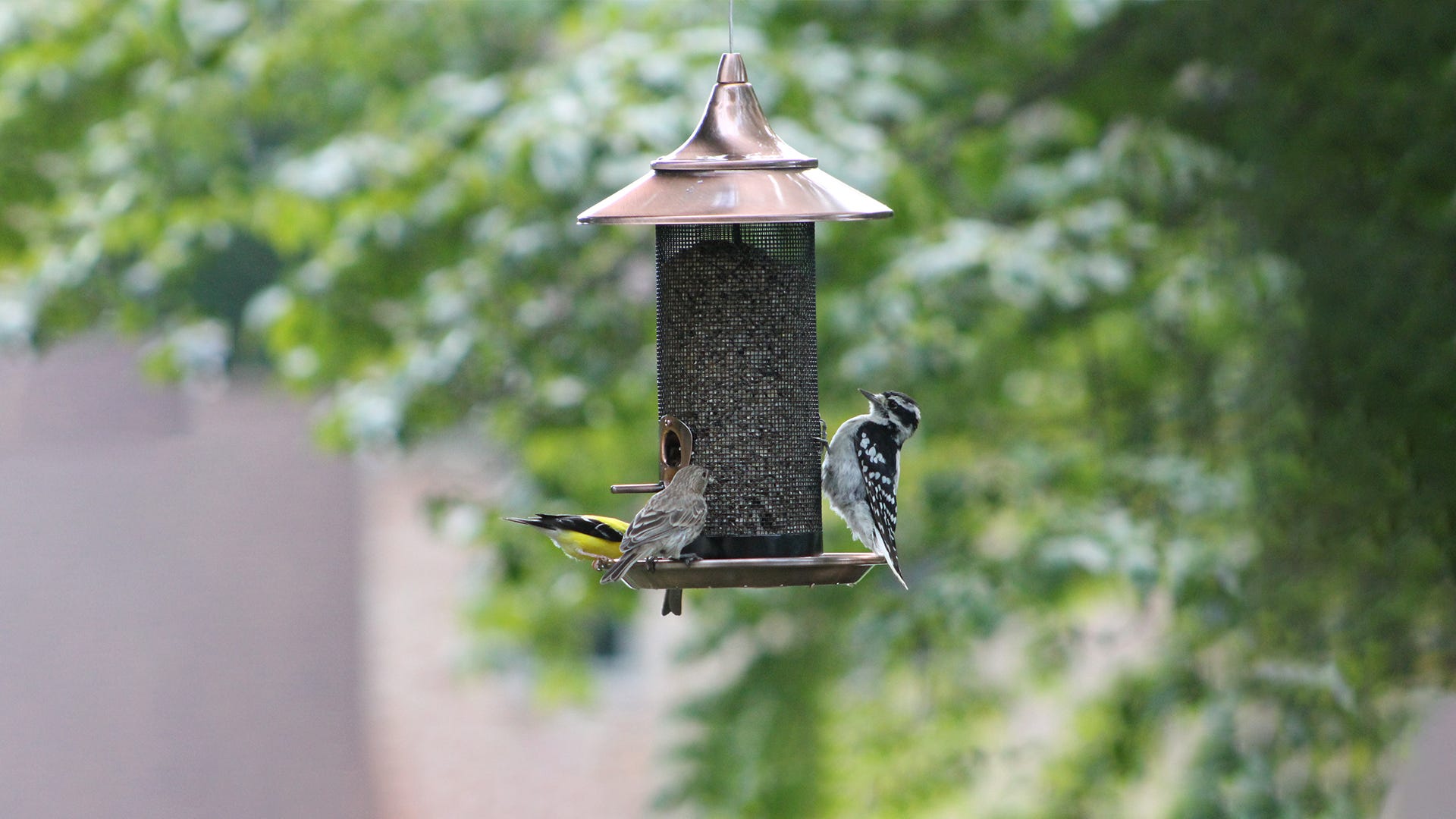
Credit: www.perkypet.com
Attracting A Variety Of Bird Species
Enhance your garden's charm by attracting diverse birds with a new feeder. Offer seeds, fruits, and nuts to invite colorful visitors. Place the feeder in a quiet, safe spot to make birds feel welcome and protected.
Attracting a variety of bird species to your new feeder can transform your backyard into a lively haven for birdwatching. You might wonder why some feeders attract a diverse range of birds while others do not. The key lies in understanding bird preferences and creating an inviting environment.
Adjusting Feeder Types
Different bird species have distinct feeding habits and preferences. Adjusting your feeder types can make a big difference. Tube feeders are great for small birds like chickadees and finches. Platform feeders appeal to larger birds such as cardinals and jays. Consider adding a hummingbird feeder if you live in the right region. It's fascinating how choosing the right feeder type can make your yard buzz with activity.
Using Bird Calls And Sounds
Birds are attracted to sounds they recognize. Play recordings of bird calls to lure them in. You can use smartphone apps or a simple speaker system. I once played a robin's call, and within minutes, a curious robin appeared. Birds are naturally curious and often investigate familiar sounds. Is your feeder positioned where birds can hear these calls clearly?
Observing And Identifying Birds
Once birds start visiting your feeder, take time to observe and identify them. Keep a notebook handy to jot down your findings. Noticing patterns can help you tweak your setup to attract more species. Identify birds by their colors, sizes, and behaviors. Use field guides or apps to assist in identification. Have you considered photographing them to document your backyard visitors? Engaging with this process not only enhances your birdwatching skills but creates a rich experience right outside your door.
Troubleshooting Common Problems
Attracting birds to a new feeder can be exciting. Yet, it can come with challenges. Troubleshooting common problems ensures birds visit and enjoy your feeder. From dealing with pesky squirrels to ensuring bird safety, addressing these issues is key.
Dealing With Squirrels And Rodents
Squirrels and rodents love bird feeders too. They often scare away birds. Try squirrel-proof feeders. These feeders have special designs. Baffles work well. Place them above and below feeders. Keep feeders clean. This reduces rodent attraction.
Addressing Aggressive Birds
Some birds dominate feeders. They chase others away. Offer multiple feeders. Spread them apart. This reduces competition. Use feeders with smaller perches. Aggressive birds find them tricky. Provide different seeds. It attracts various bird types.
Ensuring Bird Safety
Safety is vital for birds. Keep feeders away from windows. Birds can crash into glass. Use decals or stickers on windows. This alerts birds to danger. Regularly clean feeders. Dirty feeders spread disease. Fresh water is crucial. Birds need it for drinking and bathing.

Credit: nathanwoelfeloutdoors.com
Frequently Asked Questions
How Do I Attract Birds Quickly?
To attract birds quickly, choose the right bird feeder and location. Use high-quality birdseed that appeals to local species. Ensure a nearby water source and maintain a clean feeder. Patience is key; birds may take time to discover new feeders.
What Type Of Birdseed Is Best?
Black oil sunflower seeds are a top choice for attracting various bird species. They are nutrient-rich and easy to eat. Consider adding nyjer seeds for finches and mixed seeds for variety. Always choose fresh, high-quality seed to keep birds returning.
Where Should I Place My Bird Feeder?
Place your bird feeder in a quiet, safe location, ideally near trees or shrubs. This provides birds shelter and easy access. Ensure it's visible but safe from predators. A shaded area protects the feeder from harsh weather, making it more inviting for birds.
How Often Should I Clean My Feeder?
Clean your bird feeder every two weeks to prevent mold and disease. Use a mild soap solution and rinse thoroughly. Regular cleaning keeps the feeder hygienic and attractive to birds. Always allow it to dry completely before refilling with fresh birdseed.
Conclusion
Attracting birds to your feeder can be simple and rewarding. Start with choosing the right feeder and food. Place it in a safe and visible spot. Keep the feeder clean to prevent diseases. Fresh water nearby can entice more birds.
Be patient as birds discover your feeder. Enjoy watching them visit and bring life to your garden. Their presence adds beauty and joy. Keep experimenting to find what works best. Soon, your backyard will be a bird haven. Happy birdwatching!