


Have you ever looked up at the sky and wondered about those flocks of birds flying in perfect formation? Bird migration is one of nature's most fascinating events, and it happens more often than you might think.
If you're curious about how often birds embark on these incredible journeys, you're in the right place. You'll discover the secrets of bird migration and learn how often these winged travelers set off on their remarkable voyages. Unlock the mysteries of the skies and find out what drives birds to migrate and how frequently they do it.
Keep reading to explore the captivating world of bird migration and become a part of this natural wonder.

Credit: www.allaboutbirds.org
Bird Migration Basics
Bird migration is a fascinating natural phenomenon. Birds travel vast distances. This journey is often driven by seasonal changes. Many bird species migrate to find food, breeding sites, and favorable climates. Understanding these basics helps appreciate their incredible journeys.
What Is Bird Migration?
Bird migration involves the regular movement of birds. They move between breeding and wintering grounds. These journeys can cover thousands of miles. Birds rely on instinct and environmental cues. Some birds migrate twice a year, others less often.
Why Do Birds Migrate?
Birds migrate for survival. Food availability changes with seasons. Breeding requires specific conditions. Birds seek better climates to raise their young. Migration ensures access to resources. It is essential for their life cycle.
How Do Birds Navigate?
Birds use various methods to navigate. They rely on the sun and stars. Earth's magnetic field guides them too. Some birds memorize landmarks. These skills help them reach their destinations.
When Does Bird Migration Occur?
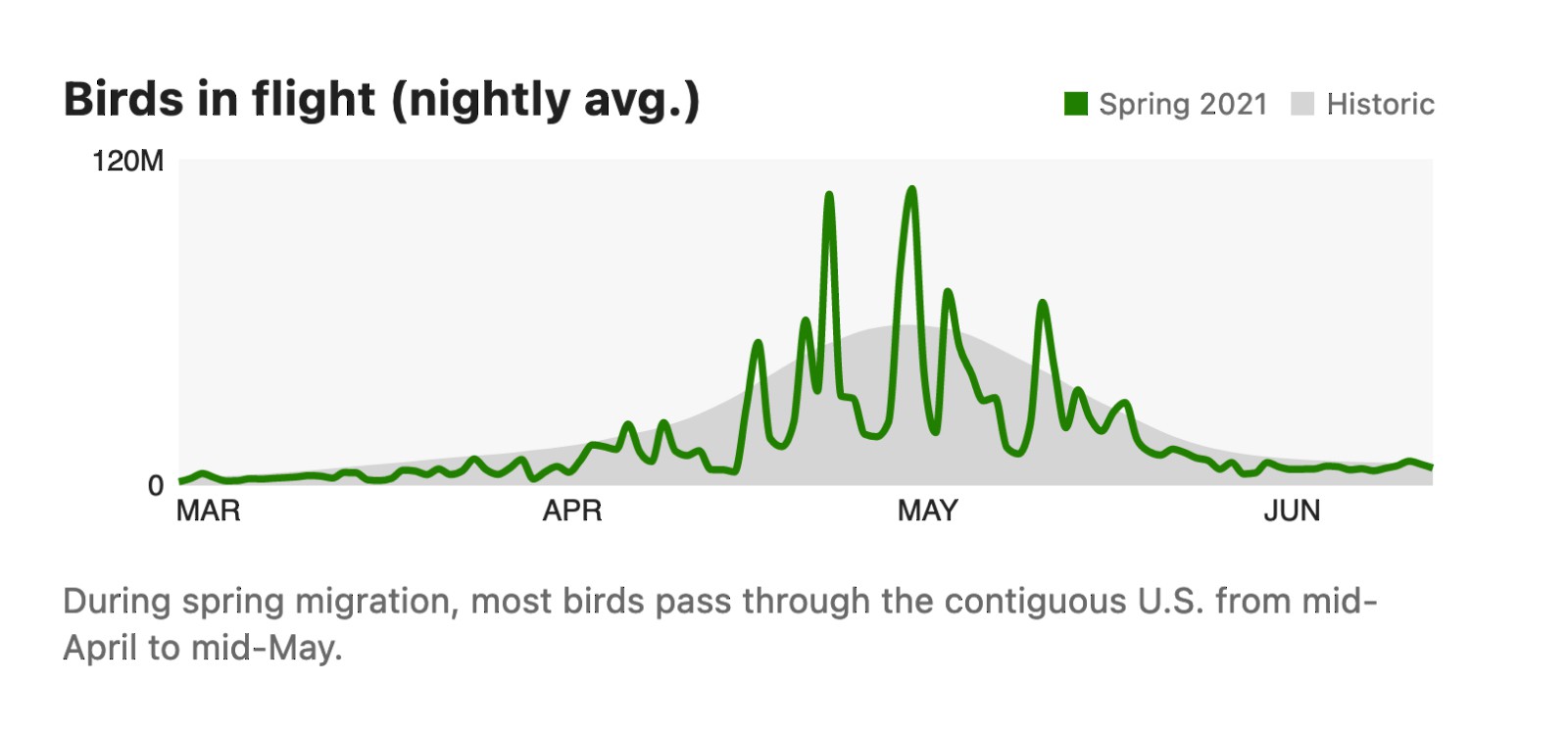
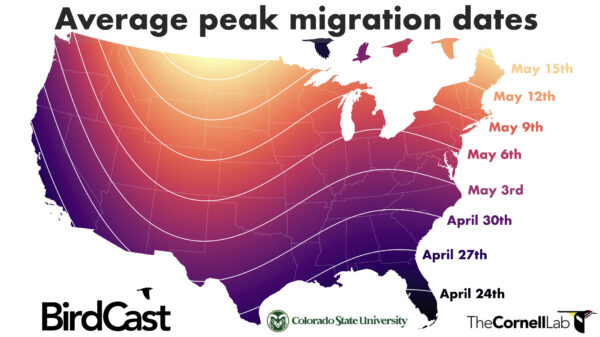
Migration timing depends on species and location. Many birds migrate in spring and fall. These times align with seasonal changes. Birds leave breeding grounds before harsh weather. Timing ensures they reach new locations when resources are plentiful.
Seasonal Patterns
Bird migration typically occurs twice a year. Birds travel from colder regions to warmer areas in autumn. They return in spring to breed, following ancient routes guided by instincts and environmental cues.
Bird migration is a fascinating natural phenomenon that follows distinct seasonal patterns. These migrations occur as birds travel between their breeding and wintering grounds, guided by changes in the environment. Understanding these patterns can help you appreciate the intricate timing and planning that birds naturally possess.
Spring Migration
Spring migration is a time of renewal and bustling activity. Birds embark on their journey back to their breeding grounds, driven by the urge to reproduce. This migration typically begins in late winter or early spring. As temperatures rise and daylight increases, birds are prompted to move northward. For example, many songbirds in North America start their migration in March or April. They travel thousands of miles, often stopping at key locations to rest and refuel. Have you ever noticed an influx of birds in your area during spring? This is their way of signaling the arrival of warmer months. Their songs fill the air, creating a symphony of nature's return.
Fall Migration
In contrast, fall migration is about preparation and survival. Birds head back to their wintering grounds as daylight decreases and food becomes scarce. This journey usually starts in late summer or early fall. During this time, you might see large flocks gathering in the sky. Raptors, such as hawks, often use thermal currents to glide effortlessly on their southward journey. It's a breathtaking sight that can make you pause and admire nature's wonders. Do you ever wonder how birds decide when to leave? It's a combination of instinct and environmental cues, like temperature and food availability. This natural clock ensures they arrive at their destination before the harsh winter sets in. Bird migration is not just a spectacle; it's a testament to nature's resilience and adaptability. By observing these seasonal patterns, you can gain a deeper appreciation for the intricate dance of life that unfolds above us each year.
Factors Influencing Frequency
Bird migration is a fascinating natural phenomenon. The frequency of migration depends on several factors. These factors vary across species and environments. Understanding these elements can explain why birds migrate at certain times. Let's explore these factors in detail.
Climate And Weather
Climate plays a key role in bird migration. Seasonal changes in temperature prompt birds to move. Warm regions may attract birds earlier in the year. Cool climates often delay migration. Weather conditions also impact bird movement. Storms can alter migration paths. Calm weather encourages steady travel. Birds adapt to climate shifts over time.
Food Availability
Food availability heavily influences migration frequency. Birds migrate in search of abundant food sources. Regions with scarce food lead to earlier migrations. Food-rich areas may delay departure. Birds rely on specific diets for survival. Changes in food supply trigger movement. Understanding food patterns helps predict migration timing.
Breeding Cycles
Breeding cycles significantly affect migration timing. Birds migrate to find suitable nesting sites. Breeding seasons vary among species. Some birds breed before migrating. Others migrate to breed in favorable conditions. The need to reproduce drives migration patterns. Breeding success depends on timing and location.
Credit: birdcast.info
Different Species, Different Timelines
Bird migration varies by species, with some birds migrating annually while others do so multiple times a year. Seasonal changes and food availability often dictate these movements. Understanding their patterns helps predict when and where birds will travel, offering insights into their fascinating journeys.
Bird migration is a fascinating phenomenon that varies greatly among species. Some birds embark on epic journeys that span continents, while others might just travel a few hundred miles. Understanding these different timelines is key to appreciating the incredible adaptability and survival strategies of our feathered friends. As you learn about these migrations, think about the incredible distances some birds travel. Could you imagine navigating such vast territories without GPS?
Long-distance Migrants
Long-distance migrants are the marathon runners of the bird world. The Arctic Tern, for instance, travels from the Arctic to the Antarctic and back each year, covering approximately 44,000 miles. This journey is one of nature's most impressive feats. These migrations often occur seasonally, with birds traveling to breeding grounds in the spring and returning to warmer climates in the fall. Timing is crucial. Birds rely on environmental cues such as daylight length and temperature changes to decide when to start their journey.
Short-distance Migrants
Not all birds undertake such exhaustive journeys. Short-distance migrants might move just a few hundred miles to find more favorable conditions. Consider the American Robin, which often migrates from northern areas to the southern United States. These birds often migrate in response to food availability. When insects and berries are scarce, they head to areas where these resources are abundant. This type of migration can occur multiple times a year, depending on the species and environmental conditions.
Resident Birds
Some birds choose not to migrate at all. Resident birds, like the Northern Cardinal, stay in the same area year-round. These birds have adapted to survive in their local climate, regardless of seasonal changes. What allows them to stay put? It often comes down to their ability to find food and shelter in all seasons. These birds often have varied diets and can change their feeding habits according to what's available. Have you noticed the different birds in your area throughout the year? Observing these patterns can offer insights into the migration habits of different species. Each bird tells a story of survival and adaptation, reminding us of nature's incredible complexity and resilience.
Human Impact On Migration
Bird migration happens regularly, often twice a year. Human activities like urban expansion and pollution disrupt these natural patterns. Changes in climate can shift migration timings, affecting bird populations.
Human activities significantly impact bird migration patterns. Birds migrate for survival, moving to areas with better resources. As humans alter environments, they disrupt these journeys. Two major factors affecting migration are urban development and climate change.
Urban Development
Cities expand and natural habitats shrink. Birds lose essential nesting sites. High-rise buildings pose collision risks. Artificial lighting confuses birds, disrupting their flight paths. Noise pollution adds stress, affecting their navigation. With fewer resources, survival becomes challenging. Green spaces in cities can offer refuge. Careful planning can minimize harm.
Climate Change
Climate change alters temperatures and weather patterns. Birds rely on stable conditions for migration. Unpredictable weather can delay or divert their journeys. Rising temperatures affect food availability. This forces birds to migrate earlier or later. Changing seasons disrupt breeding schedules. Long migrations become riskier with extreme weather events. Protecting ecosystems can help birds adapt.
Credit: birdcast.info
Tracking Migration Patterns
Bird migration occurs regularly each year, often in spring and fall. These seasonal journeys help birds find food and suitable habitats. Understanding these patterns aids in conservation efforts.
Tracking bird migration patterns is both a fascinating and essential task for understanding our natural world. With birds covering thousands of miles across continents, their migratory routes tell stories of survival and adaptation. Understanding these patterns not only helps us appreciate the intricacies of nature but also aids in conservation efforts. By knowing when and where birds travel, you can play a role in ensuring their safe journey. But how exactly do scientists track these migratory patterns? Let's dive into the tools and contributions that make this possible.
Technology And Research
Today's technology opens up incredible opportunities for tracking bird migrations. Small GPS devices and satellite tags allow researchers to follow the exact paths birds take. These tiny gadgets are attached to the birds, sending data back to scientists in real-time. Imagine having a front-row seat to a bird's epic journey from the Arctic to the tropics. This data is invaluable. It helps identify critical stopover sites that birds need for rest and refueling. It also reveals how environmental changes impact their routes. This technology isn't just cool; it's crucial. With climate change and habitat loss threatening these migrations, research helps us understand and mitigate these impacts.
Citizen Science Contributions
Did you know you can be a part of this research? Citizen science projects invite you to contribute by observing birds in your area. Platforms like eBird let you record sightings, which helps scientists piece together migration patterns. Your backyard could become a data point in a global study. This collective effort from bird enthusiasts worldwide creates a massive pool of information. It complements high-tech tracking by offering ground-level insights. Consider joining a bird count event next migration season. Your observations could provide the missing link in understanding a species' migration. Plus, it's a rewarding way to connect with nature and contribute to science. What role will you play in tracking these incredible journeys? With technology and citizen science at your fingertips, the possibilities are endless. How might your local sightings change our understanding of global migration patterns?
Conservation Efforts
Bird migration is a fascinating phenomenon. Conservation efforts play a crucial role. They ensure safe journeys for millions of birds. These efforts involve protecting habitats and fostering international cooperation.
Protecting Habitats
Birds need safe places to rest and feed. Their migratory paths often span continents. Protecting these habitats is vital. Wetlands, forests, and grasslands serve as crucial stopovers. Conservationists work to preserve these areas. They prevent them from being destroyed by human activities.
Many organizations focus on habitat conservation. They collaborate with local communities. This ensures the protection of critical areas. These efforts help sustain bird populations. Without these habitats, birds face dire challenges.
International Cooperation
Bird migration knows no borders. Birds travel across countries and continents. This requires international cooperation. Countries work together to protect migratory routes. They share research and strategies.
International treaties play a key role. Agreements like the Migratory Bird Treaty Act help. They ensure birds receive protection worldwide. Collaborative efforts enhance conservation outcomes. This international teamwork is essential for birds' survival.
Frequently Asked Questions
How Often Do Birds Migrate Annually?
Birds typically migrate twice a year. They move from breeding grounds to winter habitats. This usually occurs in spring and fall. The timing can vary based on species and environmental conditions.
What Triggers Bird Migration?
Bird migration is triggered by changes in daylight and temperature. These changes signal the need to move. Availability of food and breeding requirements also influence migration patterns.
Do All Bird Species Migrate?
Not all bird species migrate. Some are resident and remain in the same area year-round. Migration depends on species, climate, and food availability.
How Do Birds Navigate During Migration?
Birds use the sun, stars, and Earth's magnetic field for navigation. They also rely on landmarks and environmental cues. This helps them travel across long distances accurately.
Conclusion
Bird migration fascinates many. It happens twice a year, typically. Birds fly to warmer places in winter. They return to breeding grounds in spring. This cycle ensures their survival. Changes in climate affect migration patterns. Birds adapt to new environments quickly.
Understanding migration helps in conservation efforts. People can protect bird habitats better this way. Observing these journeys connects us to nature. It reminds us of nature’s wonders. So, next time you spot migrating birds, appreciate their long journey. They travel vast distances each year.
Nature's marvel at its best.