


Imagine waking up to the melodic symphony of birds singing outside your window. Each song is unique, each call a mystery waiting to be unraveled.
If you’ve ever wondered just how many different species contribute to this vibrant chorus across North America, you're not alone. You might be surprised to learn that North America is home to an astonishing number of bird species, each with its own story and role in the ecosystem.
Understanding this diversity is not just for birdwatchers or scientists. It's an opportunity for you to connect with nature in a deeper way, to appreciate the intricate patterns and colors that these winged wonders bring to the skies. This knowledge could transform your next walk in the park or hike in the mountains into an exciting quest for discovery. Get ready to dive into a world where feathers, songs, and flight patterns come together in a fascinating tapestry. Learning about the variety of birds in North America might just spark a new passion or rekindle your love for the natural world. So why not take a moment to explore this captivating subject further? You might find yourself looking up more often, captivated by the beauty and diversity that surrounds you.
Bird Diversity In North America
North America is home to a stunning variety of bird species. Enthusiasts and researchers alike find this continent fascinating. From the majestic bald eagle to the colorful warblers, the diversity is immense. Birdwatchers have recorded over 2,000 species across North America. This makes it a prime location for birding activities. Every region offers unique bird species to discover. Bird diversity here is influenced by many factors. These factors shape the habitats and ecosystems across the continent.
Factors Influencing Diversity
Bird diversity in North America depends on climate and geography. Climate zones range from arctic tundras to tropical regions. Each zone supports different bird species. Seasonal changes also impact bird populations. Migration patterns shift with the seasons. Birds travel vast distances, seeking food and breeding grounds. Habitat availability further affects diversity. Forests, wetlands, and grasslands each host unique bird communities. Human activities can alter these habitats. Conservation efforts aim to protect vital ecosystems.
Regions With Rich Bird Populations
Some regions in North America boast exceptional bird diversity. The Pacific Northwest is known for its dense forests. Many songbirds and raptors call this area home. The Great Plains provide vast grasslands for ground-nesting birds. Wetlands in the Mississippi Flyway attract numerous waterfowl. Florida's Everglades offer a tropical paradise for wading birds. Birdwatchers flock to these regions to witness diverse species. Each area offers unique experiences and opportunities for discovery.
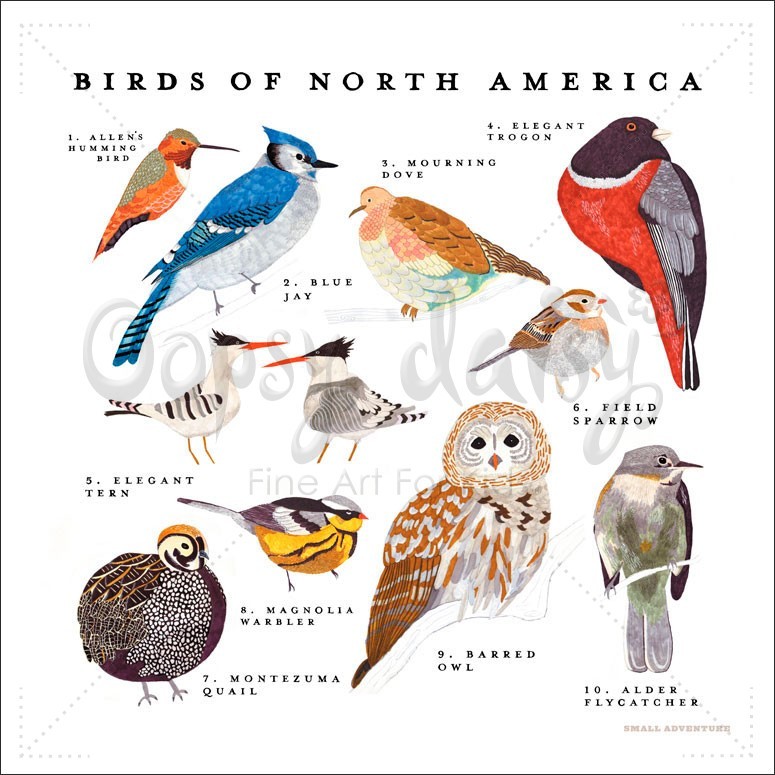
Credit: ornithology.com
Classification Of Bird Species
North America is home to over 1,000 bird species. These species include vibrant songbirds, majestic raptors, and graceful waterfowl. Bird enthusiasts enjoy observing diverse species across various habitats, from coastal regions to dense forests.
The classification of bird species in North America is a captivating topic that intrigues both seasoned birdwatchers and curious novices. With over 2,000 bird species observed, understanding how these species are classified can deepen your appreciation for their diversity. From the common birds you see daily to the rare and endangered ones, each species has its own story and role in the ecosystem.
Common Species
Chances are, you've encountered many of the common bird species in your backyard or local park. These include the vibrant Northern Cardinal, the resourceful American Robin, and the ubiquitous Mourning Dove. Observing these species can be a delightful pastime and a great way to start your birdwatching journey. Take the American Crow, for instance. It's not only widespread but also incredibly intelligent. Have you ever noticed how they use tools or solve complex problems? Their adaptability makes them a fascinating subject for study and admiration.
Rare And Endangered Species
The rare and endangered species are the hidden gems of North America's avian world. Protecting these birds is crucial as their numbers dwindle due to habitat loss and climate change. The California Condor, with its impressive wingspan, is a success story of conservation efforts that you can witness. Think about the impact on our ecosystems if these species were to disappear. It's not just about losing a bird; it's about losing a piece of our natural heritage. How can you contribute to their preservation? Supporting conservation initiatives and educating others can make a significant difference. In your next outdoor adventure, take a moment to appreciate the remarkable variety of bird species around you. Whether common or rare, each bird adds a unique note to North America's ecological symphony. What species will you spot next, and how will it inspire you?
Migration Patterns
Bird migration is a fascinating phenomenon in North America. Each year, millions of birds travel thousands of miles. This journey allows them to find suitable habitats for breeding and feeding. Migration patterns can be influenced by various factors. These include weather conditions, food availability, and geographical barriers. Understanding these patterns helps in conserving bird species.
Seasonal Migration
Birds migrate with the changing seasons. In spring, they move north to breed and raise their young. This migration ensures access to abundant food resources. In autumn, birds return south to escape the cold. This pattern is vital for their survival. Different species have unique routes and timings. Some follow coastal lines, while others cross vast landscapes. Each journey is a remarkable feat of navigation.
Impact On Population Numbers
Migration affects bird population sizes. During migration, birds face many challenges. Predation and harsh weather can decrease their numbers. Successful migration boosts population growth. Birds find suitable breeding grounds and conditions. Conservation efforts focus on protecting migratory routes. Safe passage ensures stable bird populations in North America.
Conservation Efforts
Conservation efforts play a vital role in protecting the diverse bird species in North America. Approximately 1,100 bird species inhabit the continent, each contributing to the ecosystem. Understanding their habitats helps in preserving these remarkable creatures for future generations.
Conservation efforts play a crucial role in preserving the diverse bird species of North America. With over 900 bird species gracing the continent, their survival is deeply tied to the health of our ecosystems. Understanding how we can protect these species not only enriches our natural world but also ensures that future generations can enjoy the beauty and wonder of birdwatching.
Protecting Habitats
Preserving bird habitats is vital for the survival of species across North America. Efforts include restoring wetlands, conserving forests, and safeguarding migratory corridors. For example, the protection of the Arctic National Wildlife Refuge plays a significant role in the conservation of snow geese and other migratory birds. Community involvement amplifies these efforts. Local groups often engage in tree planting and clean-up drives, directly contributing to habitat preservation. Have you ever participated in such activities? Your involvement can make a difference.
Role Of Birdwatching Communities
Birdwatching communities are not just hobbyists; they are frontline conservationists. By documenting bird sightings, they provide valuable data that helps in tracking bird populations and migration patterns. This citizen science approach has led to the discovery of declining species, prompting conservation actions. Participating in these communities can be as simple as joining a local birdwatching group. It’s a chance to connect with nature and contribute to meaningful conservation efforts. How can your passion for birdwatching contribute to the protection of these magnificent creatures? Conservation efforts are ongoing and require dedication from all of us. By protecting habitats and supporting birdwatching communities, you can play a part in ensuring the survival of North America's diverse bird species. What steps will you take to help safeguard these incredible creatures?
Technological Advances In Bird Identification
North America is home to a dazzling array of bird species, each with unique calls, colors, and behaviors. Identifying these birds used to be a challenging task reserved for seasoned birdwatchers. However, technological advancements have transformed the way we identify birds, making it accessible to everyone. With the rise of bird identification apps and citizen science contributions, the mystery of birdwatching is now just a few taps away.
Bird Identification Apps
Imagine walking through a park and hearing a bird song you've never heard before. Now, you can simply pull out your phone and use a bird identification app to learn about the singing bird. Apps like Merlin Bird ID and eBird make it easy for anyone to identify birds in real-time. These apps offer features like sound recognition and photo identification, which can accurately pinpoint the bird species. You don't need to be an expert to enjoy birdwatching; the technology does the hard work for you.
The convenience of these apps is a game-changer. They allow you to engage with nature on a deeper level. Whether you're a casual stroller or a dedicated birdwatcher, these tools enhance your experience. Have you ever wondered what bird just flew by your window? Now, you can find out without flipping through pages of a field guide.
Citizen Science Contributions
Your observations can contribute to scientific research through citizen science initiatives. When you log your bird sightings on platforms like eBird, you provide valuable data that researchers use to study bird populations and migration patterns. This collective effort helps track changes in bird species and understand their habitats better.
Joining the citizen science community is a rewarding way to make a difference. You become part of a larger network that supports conservation efforts. Are you ready to play a role in preserving North America's bird diversity? Every sighting you record can help shape future conservation policies.
Through technology, bird identification has become not only easier but more meaningful. By embracing these tools, you're not just identifying birds; you're participating in a global conversation about nature and conservation.

Credit: www.notesfromtheroad.com
Future Of Bird Populations
North America is home to over 1,000 bird species. Many face threats from habitat loss and climate change. Understanding these species helps us protect them for future generations.
The Future of Bird Populations in North America is a topic that touches both the heart and the mind. As you observe birds fluttering through your backyard, have you ever wondered what their future holds? Bird populations are in flux, and understanding their potential trajectories can help you appreciate the delicate balance of nature. It's not just about numbers, but what those numbers tell us about the world we share.
Climate Change Impacts
Climate change is more than just a distant problem; it's happening right now. It's affecting the habitats where birds live and thrive. Rising temperatures and unpredictable weather patterns are altering migration routes and breeding cycles. Imagine watching your favorite bird species vanish, simply because their environment no longer supports them. Would you miss the cheerful chirps that accompany your morning coffee? As glaciers melt and forest fires rage, consider how these events impact the delicate ecosystems birds rely on. Think about how your actions contribute to this change. Small steps like reducing carbon footprints can make a difference. Are you ready to take part in preserving these vibrant creatures for future generations?
Future Research Directions
Research is the key to understanding how bird populations adapt. Scientists are constantly exploring new ways to track and study birds. They use technology like satellite tracking and drones to gather data. This helps them predict future changes and create strategies to protect bird species. But what can you do? Support research initiatives or volunteer for local birdwatching groups. Your involvement can provide valuable data that aids researchers. Together, you can help shape the future of bird populations. Imagine a world where bird songs are a rarity. Would you miss the vibrant colors and melodies that fill your surroundings? Engaging with research initiatives can ensure these creatures continue to be a part of our world. Are you ready to contribute to this vital field of study?
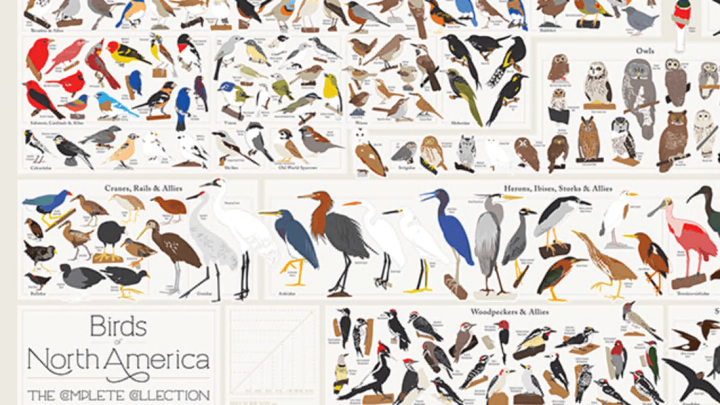
Credit: www.mentalfloss.com
Frequently Asked Questions
How Many Bird Species Exist In North America?
North America is home to around 2,000 bird species. This diverse range includes both native and migratory birds. The continent's varied habitats, from forests to wetlands, support this rich avian biodiversity. Birdwatchers across North America enjoy observing these species throughout different seasons.
What Is The Most Common Bird In North America?
The American Robin is one of the most common birds in North America. Recognizable by its red breast and melodious song, it is often seen in gardens and parks. This bird is widespread across the continent, thriving in a variety of environments.
How Do Bird Species Vary By Region?
Bird species in North America vary significantly by region. Coastal areas host seabirds, while forests are home to woodpeckers and songbirds. Deserts have unique species like the roadrunner. Each region's climate and habitat types influence the bird species found there.
Are There Any Endangered Bird Species In North America?
Yes, North America has several endangered bird species. The California Condor and Whooping Crane are among them. Conservation efforts are underway to protect these birds and their habitats. Habitat loss and climate change are significant threats to their survival.
Conclusion
Bird diversity in North America is truly remarkable. Over 1,000 species inhabit this vast region. Each bird adds unique beauty and intrigue. From tiny hummingbirds to majestic eagles, the variety is astounding. Birdwatchers have endless opportunities to explore and discover.
Many species face threats from habitat loss. Conservation efforts are vital to protect these birds. Everyone can help in small ways. Plant native trees. Support bird-friendly policies. Enjoy watching these incredible creatures. Appreciate their songs, colors, and behaviors. Understanding their importance enriches our lives.
Explore more about birds. Share the wonders of North American avian life.