


Have you ever gazed at the sky and wondered just how many different kinds of birds are soaring above you in the United States? Whether you're a seasoned birder or simply someone who enjoys the occasional chirp in your backyard, the diversity of bird species in the US is truly fascinating.
But with so many feathered friends flitting about, the big question remains: just how many species are there? Understanding this can enrich your outdoor experiences and deepen your appreciation for nature's winged wonders. Dive into this article to discover the vibrant avian world that calls the US home and find out how these incredible creatures add color and life to our everyday surroundings.
Your curiosity will be rewarded with surprising insights and maybe even inspire you to grab a pair of binoculars and explore the skies above.
Bird Diversity In The Us
The United States boasts impressive bird diversity with over 1,100 species documented. From coastal shores to mountain peaks, varied habitats support this rich array. Birdwatchers can explore numerous regions to spot these beautiful creatures.
Bird Diversity in the US The United States is a treasure trove of bird diversity. From the majestic bald eagle soaring across the skies to the colorful warblers flitting through the trees, the country offers a vibrant array of avian species. As you explore various habitats, you uncover a fascinating world teeming with feathered life.
Understanding Bird Species
Birds are everywhere—your backyard, parks, forests. Each species has distinct features that make them unique. Some birds are migratory, traveling thousands of miles annually. Others are permanent residents, adapting to local environments. You might wonder, how many species call the US home?
How Many Species Are There?
The US is home to over 800 bird species. This number fluctuates due to new discoveries and changing environmental conditions. Each state boasts its own special list of birds, contributing to the country’s rich tapestry of avian life.
Regional Variations
Bird diversity varies significantly across regions. For instance, the Pacific Northwest is famous for its diverse seabird populations. Conversely, the southeastern US is a hotspot for songbirds and waterfowl. What birds have you spotted in your region lately?
Rare And Endangered Species
Some bird species are rare or endangered due to habitat loss and other factors. The California condor, once nearly extinct, is now recovering. Conservation efforts are crucial to preserving these magnificent creatures. How can you contribute to bird conservation?
Birdwatching Adventures
Birdwatching offers a unique way to connect with nature. Whether you're an experienced birder or a curious beginner, there's always something new to discover. Equip yourself with a pair of binoculars and a bird guidebook. Have you ever considered joining a birdwatching group to enhance your experience?
Personal Experience: Discovering Local Birds
I remember spotting a vibrant Northern Cardinal in my backyard. Its striking red plumage was a delightful surprise amidst the greenery. This encounter inspired me to explore local parks, discovering a variety of birds I had never noticed before. Have you had a memorable bird sighting that sparked your curiosity? Bird diversity in the US is a fascinating subject, offering endless opportunities for exploration and discovery. Whether you're a seasoned birder or a curious observer, there's always more to learn and appreciate about the avian world around you.
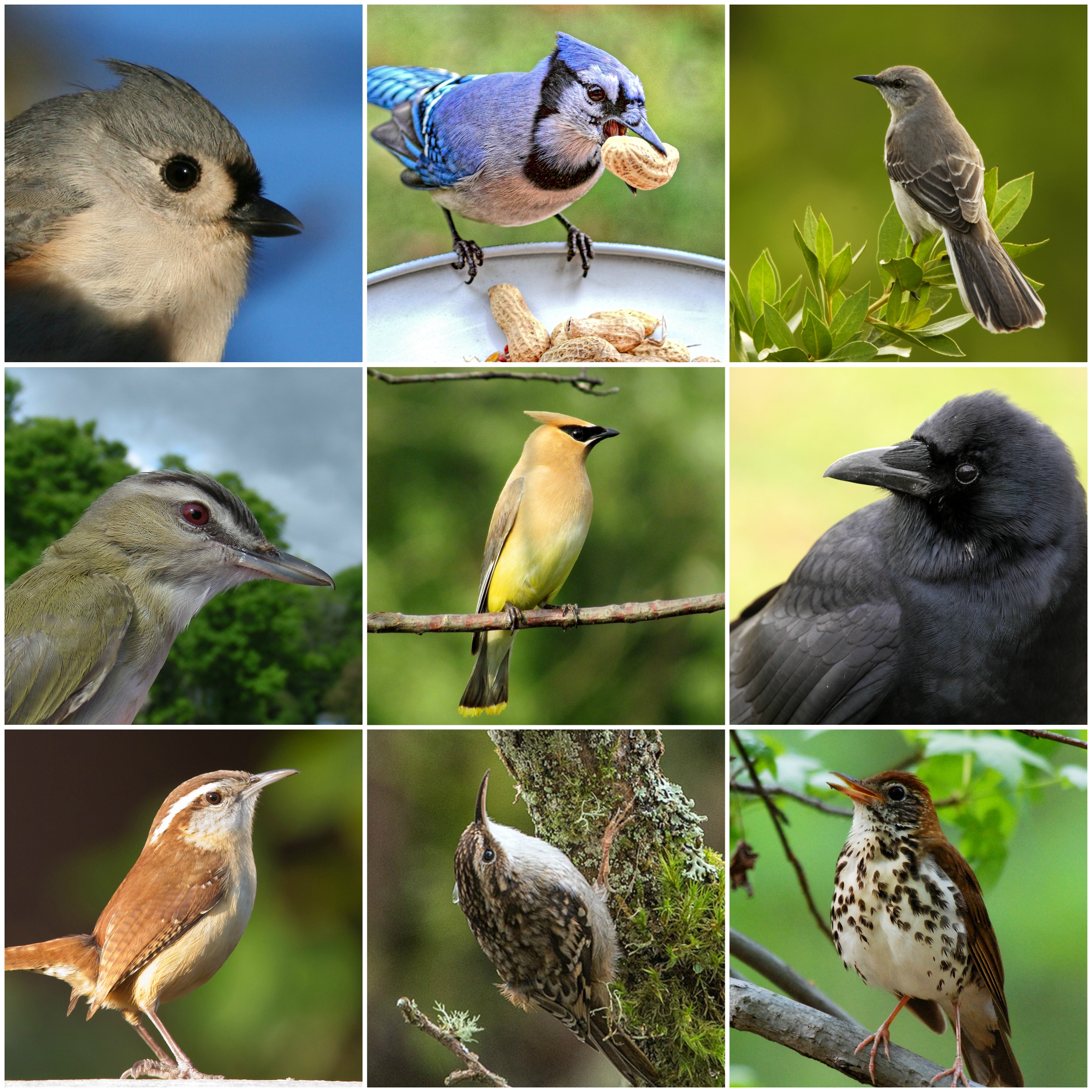
Credit: blog.nature.org
Factors Influencing Bird Populations
Bird populations in the US are dynamic and ever-changing. Various factors influence their numbers and diversity. Understanding these factors helps in conserving these beautiful creatures. From climate changes to human activities, each aspect plays a crucial role.
Climate And Habitat
Climate affects where birds can live and thrive. Temperature and rainfall patterns determine habitat suitability. Birds need specific conditions for nesting and feeding. A change in climate can disrupt these needs. Habitats like forests, wetlands, and grasslands provide necessary shelter. Loss of habitat means fewer places for birds to live. Wildfires and storms can destroy these vital areas.
Migration Patterns
Migration is a key part of many birds' life cycles. Birds travel thousands of miles between breeding and wintering grounds. Changes in migration routes can impact population size. Weather changes can alter migration timing and success. Safe stopover sites are essential during long journeys. Loss of these sites can lead to population decline.
Human Impact
Human activities greatly influence bird populations. Urban development reduces available habitats. Pollution affects air, water, and food sources. Pesticides and chemicals harm birds directly. Collisions with buildings and vehicles cause many bird deaths. Conservation efforts aim to mitigate these impacts. Protecting birds requires understanding and action from everyone.
Bird Classification Systems
Over 1,100 bird species exist in the United States, each classified by unique traits. These birds belong to various orders and families, showcasing diverse habitats and behaviors across the country. From songbirds to raptors, the U. S. offers a rich tapestry of avian life.
Bird classification systems are fascinating frameworks that help us understand the vast diversity of bird species in the U.S. These systems break down complex biological information into categories that are easier to grasp. As you explore this topic, you'll find that bird classification not only provides scientific insight but also enhances your birdwatching experience by allowing you to identify and appreciate various species more accurately.
Taxonomy Basics
Taxonomy is the science of naming, defining, and classifying organisms. It categorizes birds based on shared characteristics. Think of it like organizing your wardrobe. You group clothing into categories like shirts, pants, and jackets. Similarly, birds are classified into orders, families, and species. The American Ornithological Society (AOS) is the authority in the U.S. for bird taxonomy. They regularly update their checklist to reflect new discoveries and changes in species classification.
Regional Variations
Bird species vary across regions due to differences in habitat, climate, and food availability. The Pacific Northwest might boast different species than the swamps of Florida. Have you noticed different birds when traveling? Spotting a Bald Eagle in Alaska might be thrilling, while the Roseate Spoonbill in Texas offers a splash of color. Regional checklists help birdwatchers identify which species are likely to be seen in specific areas. Understanding these variations can make your birdwatching adventures more fruitful. Why not start a bird journal? Documenting birds you see can enhance your understanding of regional variations and deepen your connection with nature. Engaging with bird classification systems enriches your interaction with the natural world. So, the next time you're out, take a moment to appreciate the complexity and beauty of the birds around you.
Popular Bird Watching Locations
Bird watching in the US offers a chance to see over 1,100 bird species. National parks and wildlife refuges provide diverse habitats. Enthusiasts can explore places like Central Park and Everglades National Park.
Bird watching is a delightful activity that connects you with nature. The United States, with its diverse landscapes, offers numerous spots where you can witness a variety of bird species. From the tranquil environments of national parks to the bustling life in urban areas, there are plenty of popular bird-watching locations that you shouldn't miss.
National Parks
National Parks are treasures troves for bird enthusiasts. Imagine standing at the edge of the Grand Canyon, catching a glimpse of the majestic California Condor. Yellowstone National Park is another gem where you can spot species like the Bald Eagle and the Trumpeter Swan. These parks provide not only an opportunity to see rare birds but also to enjoy breathtaking natural scenery. Have you ever thought about how many species you might be missing out on by not visiting these parks?
Wildlife Sanctuaries
Wildlife sanctuaries are dedicated to preserving natural habitats. The John Heinz National Wildlife Refuge in Philadelphia is home to over 300 bird species. Another sanctuary worth mentioning is the Bosque del Apache in New Mexico, where you can witness the mesmerizing sight of thousands of Sandhill Cranes during migration. These places offer guided tours, making it easy for beginners to learn and spot different birds. What better way to spend your weekend than in a place where nature is protected and birds are abundant?
Urban Areas
Urban areas might surprise you with their bird-watching opportunities. Central Park in New York City is famous for more than just its skyline views; it's a bird-watching hotspot. You might spot the vibrant American Woodcock or the elusive Northern Saw-whet Owl. Even in cities, parks and green spaces can be havens for birds. Have you ever considered that your local park might be home to more species than you think? Bird watching can be as adventurous or as local as you want it to be. Whether you are trekking through a national park or taking a stroll in an urban park, each location offers a unique bird-watching experience. So, where will your next bird-watching adventure take you?
Conservation Efforts
Birds are an essential part of the ecosystem in the United States. Their beauty and diversity captivate birdwatchers and nature enthusiasts alike. Many species face challenges due to habitat loss and environmental changes. Conservation efforts play a vital role in protecting these avian treasures. These efforts ensure future generations can enjoy America's bird diversity. Here's how conservation efforts are making a difference.
Protective Legislation
Protective laws help safeguard bird habitats across the country. The Migratory Bird Treaty Act is a key piece of legislation. It protects over 800 bird species from harm and exploitation. This law prohibits hunting, capturing, and selling migratory birds. It ensures their survival and helps maintain ecological balance. The Endangered Species Act also plays a crucial role. It provides protection to bird species at risk of extinction. By preserving their habitats, it ensures these birds can thrive.
Community Involvement
Communities play a vital role in bird conservation efforts. Local groups often organize birdwatching events and educational programs. These activities raise awareness about the importance of bird conservation. Volunteers help monitor bird populations and report findings. Community members can participate in habitat restoration projects. Planting trees and native plants supports bird habitats. Community involvement fosters a sense of responsibility towards nature.
Research And Monitoring
Research helps scientists understand bird populations and their needs. Monitoring tracks bird migration patterns and population changes. Scientists study the effects of climate change on bird habitats. This research informs conservation strategies and policies. Bird counts and surveys provide data on species distribution. Researchers use this information to identify threats and opportunities. Continuous monitoring ensures timely interventions to protect bird species.
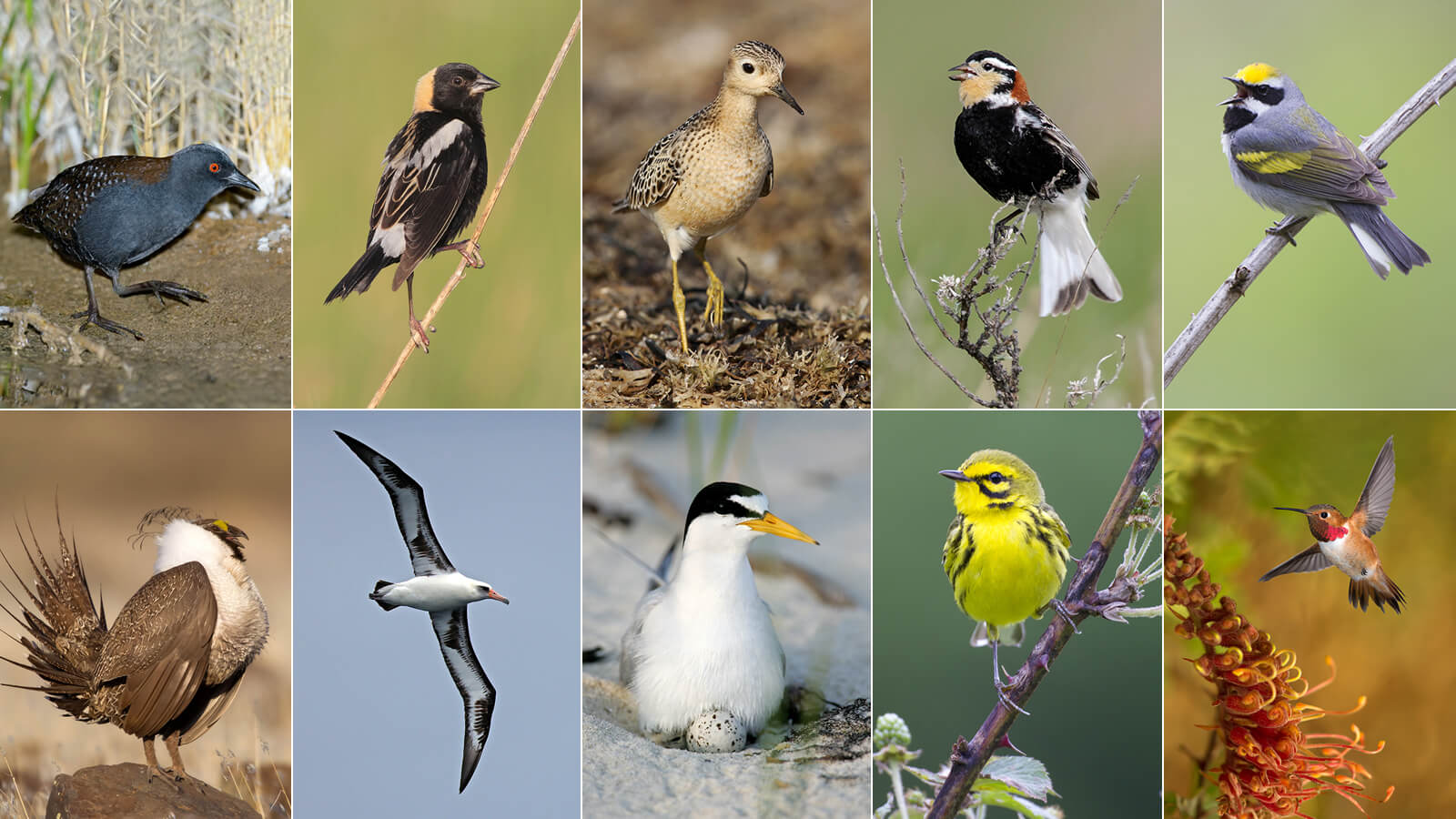
Credit: abcbirds.org
How To Identify Bird Species
Identifying bird species can be a fascinating journey. With over 1,000 species in the US, learning to distinguish them is rewarding. Each bird has unique features like color, size, and behavior. Knowing these helps in accurate identification. Here are some methods to identify bird species effectively.
Field Guides And Apps
Field guides are essential tools for birdwatchers. They contain pictures and descriptions of various birds. Guides often group birds by region or habitat. Digital apps offer interactive features. They provide instant access to bird databases. Some apps even use photos to identify birds.
Bird Calls And Songs
Bird calls and songs are key identifiers. Birds use distinct sounds to communicate. Learning these sounds aids in identification. Several apps have libraries of bird calls. They help you recognize species by sound. Listening carefully can reveal hidden birds.
Visual Identification Tips
Visual clues are vital for identifying birds. Observe the bird's size and shape. Note its colors and markings. Watch its movements and behavior. These factors distinguish one species from another. Binoculars enhance your viewing experience. They help you see details clearly.
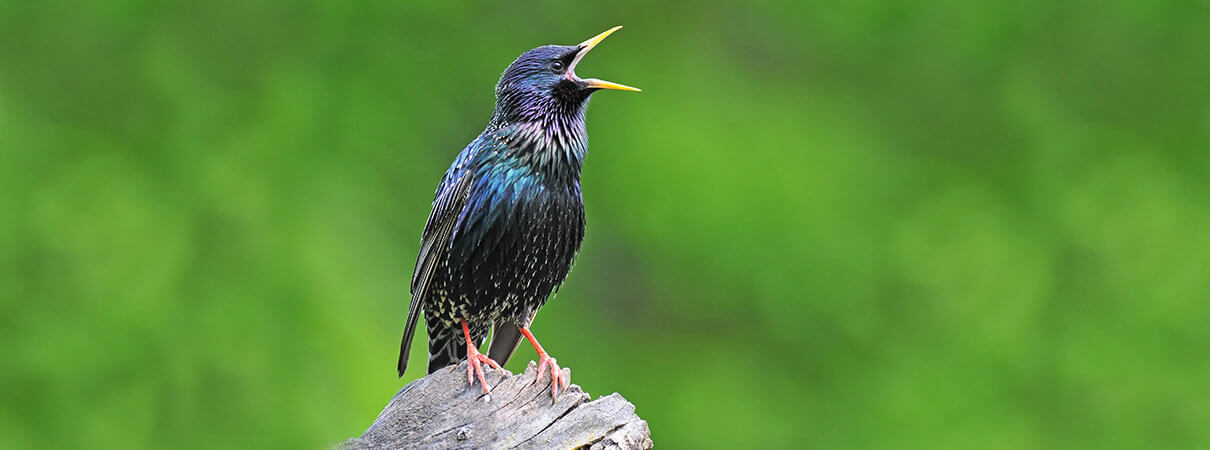
Credit: abcbirds.org
Frequently Asked Questions
How Many Bird Species Are In The Us?
The US is home to over 1,100 bird species. This diversity is due to varied habitats across states. Birdwatching is popular, with enthusiasts tracking migrations. Conservation efforts help protect endangered species. The American Birding Association provides resources for birders nationwide.
What Is The Most Common Bird In The Us?
The Northern Cardinal is among the most common US birds. It's recognized for its vibrant red color. Cardinals are found in gardens, woodlands, and wetlands. They are year-round residents in many states. Their distinct song and appearance make them a favorite among birdwatchers.
Which Us Bird Is Endangered?
The California Condor is a critically endangered species in the US. Conservation programs aim to increase their numbers. Habitat loss and lead poisoning are significant threats. Public awareness and protective legislation aid recovery efforts. Success stories include increased wild populations.
Are Migratory Birds Found In The Us?
Yes, many migratory birds visit the US seasonally. They travel between breeding and wintering grounds. Species include the Arctic Tern and Sandhill Crane. Migration patterns are tracked by scientists and birdwatchers. Seasonal changes affect their movement and habitat.
Conclusion
Exploring bird species in the US is truly fascinating. With over 1,000 species, birdwatchers have much to discover. Each region offers unique avian wonders. From majestic eagles to tiny hummingbirds. Every bird adds beauty to our skies. Observing these creatures enriches our connection to nature.
It also helps us appreciate biodiversity. Protecting bird habitats ensures their survival. So, grab your binoculars and explore nearby parks. Enjoy watching these amazing creatures. Remember, every bird tells a story. Happy birdwatching!