


Have you ever stopped to wonder just how many species of birds flutter across the skies of the United States? Imagine waking up each morning to the delightful symphony of chirps and songs, as colorful wings flit by your window.
Whether you're a seasoned birdwatcher or simply someone who enjoys the occasional tweet, the diversity of bird species in the US is nothing short of mesmerizing. You might be surprised to learn just how many different types of birds call this country home.
Get ready to uncover the fascinating world of our feathered friends and discover why their numbers are more intriguing than you might think. Dive into this captivating exploration and satisfy your curiosity about the avian wonders that share your world.
Bird Population In The Us
Have you ever marveled at the colorful flutter in your backyard or during a leisurely walk in the park? The United States is home to a dazzling array of bird species that paint the skies with their vibrant hues and melodies. But have you ever wondered just how many species there are?
Current Estimates
Today, the US boasts over 800 species of birds. These range from the majestic bald eagle to the tiny hummingbird. Each species plays a unique role in the ecosystem. Birdwatchers and enthusiasts have documented these species extensively.
Bird populations can fluctuate. Migration patterns, environmental changes, and human activity all influence these numbers. The diversity is a testament to the rich habitats spanning the country. From dense forests to sprawling wetlands, birds find homes in varied landscapes.
Changes Over Time
Bird populations have shifted over the decades. The reasons are many—climate change, habitat destruction, and conservation efforts, to name a few. Some species have thrived, while others have faced challenges.
Consider the passenger pigeon, once abundant, now extinct. It serves as a sobering reminder of the impact humans can have. On a positive note, conservation efforts have helped certain species recover. The bald eagle, for example, has made a remarkable comeback.
What does this mean for you? Awareness is key. By understanding these changes, you can contribute to conservation efforts. Whether it's supporting local wildlife organizations or making eco-friendly choices, your actions matter.
So next time you spot a bird, think about the story it carries. Its presence is a piece of the broader tapestry that is the bird population in the US. How will you contribute to its future?
Factors Influencing Bird Diversity
The United States hosts a vast variety of bird species. This diversity results from several factors. Understanding these factors helps us appreciate the rich avian life.
Climate And Geography
Climate plays a crucial role in bird diversity. Different climates offer unique habitats. Birds adapt to these climates in specific ways. The U.S. has diverse climates, from deserts to rainforests. These varied climates support different bird species. Geography also influences bird diversity. Mountains, valleys, and plains provide varied landscapes. Birds use these landscapes for nesting, feeding, and migration.
Habitats And Ecosystems
Habitats directly affect which birds thrive in an area. Forests, wetlands, and grasslands each host specific species. Birds depend on these ecosystems for food and shelter. Wetlands are home to waterfowl and wading birds. Grasslands support birds like sparrows and hawks. The destruction of habitats leads to decreased bird diversity. Conservation efforts aim to protect these vital ecosystems.
Common Bird Species
Bird watching is a captivating hobby that connects you with nature's vibrant colors and melodious tunes. In the U.S., the diversity of bird species is astounding, making it a paradise for enthusiasts. Whether you're a seasoned birder or a curious beginner, understanding the common bird species can deepen your appreciation. Let's explore some widespread species and regional variants, enhancing your birdwatching experience.
Widespread Species
Have you ever noticed the cheerful chirping of a American Robinduring your morning walks? This bird is everywhere—from city parks to rural backyards. Its bright orange breast is a familiar sight across the U.S.
Northern Cardinalsare another common sight. Their vibrant red color is striking against the green foliage, often seen at bird feeders, adding a splash of color to your garden.
Then there's the Mourning Dove, with its soothing cooing. It's a gentle reminder of nature's peaceful side. These birds are as comfortable in suburban settings as they are in open fields.
Regional Variants
Why do you think some birds are only found in certain regions? The answer often lies in the unique habitats and climates.
In the Southeastern U.S., you might spot the Brown Pelican, gliding gracefully over the coastal waters. It's a magnificent sight, often seen diving for fish.
The California Quailis a common resident of the West Coast, known for its distinctive topknot. It's a social bird, often seen in coveys, adding charm to the rugged landscapes.
Meanwhile, in the northern forests, the Common Loonmakes its presence known with haunting calls, a true symbol of the wilderness.
Have you ever wondered how your own backyard might change if you welcomed more of these regional beauties? By understanding their needs and preferences, you can transform your outdoor space into a haven for birds.
Engage with the fascinating world of birds. Their presence enriches your environment, offering a window into the natural world right outside your door. So next time you step outside, pause and listen—what birds are sharing their stories with you today?

Credit: www.reddit.com
Rare And Endangered Birds
The US hosts over 1,100 bird species, including rare and endangered ones. Protecting these birds is crucial for biodiversity. Efforts focus on habitat conservation and awareness to safeguard these unique avian treasures.
Birds paint the skies of the United States with vibrant hues and songs. Among them, some species stand out not just for their beauty but for their rarity. These rare and endangered birds face an uncertain future. Walking through a forest and hearing the call of a bird on the brink of extinction can be both a thrilling and sobering experience. It reminds us of the delicate balance in nature and our role in preserving it.
Conservation Efforts
Efforts to save these rare birds are underway across the country. Organizations collaborate with local communities to protect habitats. Protecting nesting sites is crucial. Innovative programs focus on breeding and reintroducing species into the wild. Volunteers also play a crucial role. They monitor populations and report sightings. Funding is essential for these initiatives. Donations, grants, and government support keep the wheels of conservation turning. Your contribution can make a difference.
Challenges Facing These Birds
Many rare birds face habitat loss. Urban development and deforestation are primary culprits. Climate change alters their environments, making survival tough. Pollution also poses a threat. Contaminated water and soil affect food sources. Birds ingest toxins, leading to health issues. Predation and human disturbance are additional hurdles. Increased tourism and outdoor activities disrupt nesting. Protecting these areas requires vigilance and respect. Have you ever wondered about the impact you can have? Simple choices, like supporting conservation and respecting wildlife spaces, contribute to the protection of these endangered species. Your actions today can help ensure that future generations will also get to hear the songs of these rare birds.
Birdwatching And Citizen Science
Birdwatching offers a window into the world of avian diversity. In the US, birdwatching has grown beyond a hobby. It is now a bridge connecting enthusiasts and scientists. Observers document bird species, aiding conservation efforts. This activity connects nature lovers with vital research.
Popular Birdwatching Locations
The United States boasts diverse ecosystems. Each region hosts unique bird species. In Florida, Everglades National Park is famous. Visitors might spot the colorful Roseate Spoonbill. Great Smoky Mountains is another hotspot. It attracts birdwatchers with its vibrant warblers.
On the West Coast, Point Reyes is a must-visit. It is known for its migrating birds. In the Midwest, Magee Marsh is popular. The spring migration there is spectacular. Alaska's Denali National Park is a treasure. It offers a chance to see the majestic Gyrfalcon.
Role Of Citizen Science
Citizen science plays a vital role in ornithology. Everyday birdwatchers contribute valuable data. They track bird species and their behaviors. This information is crucial for research and conservation.
Many participate in bird counts and surveys. The Audubon Christmas Bird Count is one example. It provides insights into bird populations. eBird is another vital platform. It allows users to log and share sightings. Scientists use this data to monitor trends.
Citizen science empowers individuals. It creates a community of active participants. Together, they help protect our feathered friends.
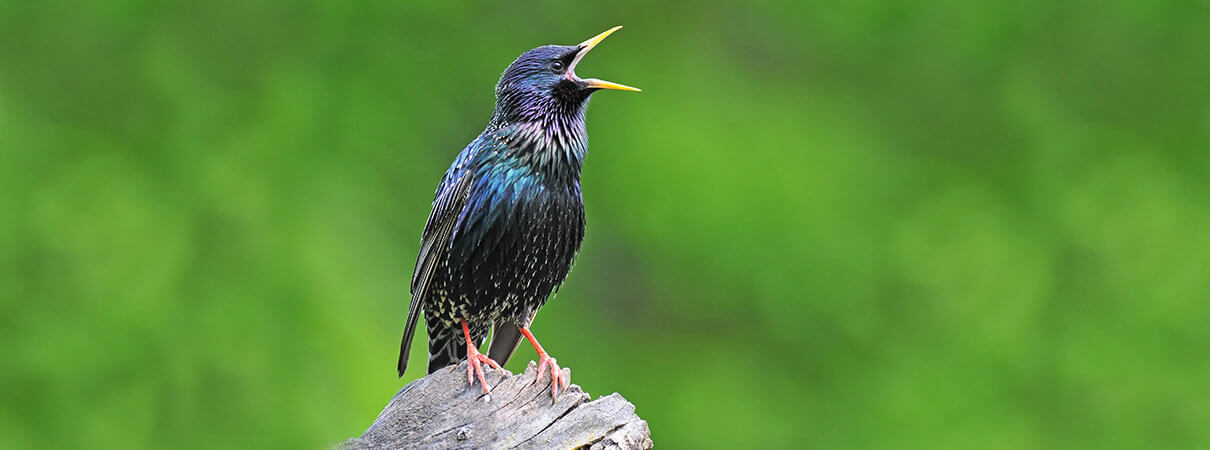
Credit: abcbirds.org
Impact Of Human Activities
Human activities significantly influence bird populations in the US. From sprawling cities to industrial growth, these activities alter bird habitats. The impact is profound and often detrimental. Understanding these effects is crucial for conservation efforts.
Urbanization
Urbanization changes landscapes, reducing natural habitats for birds. Cities expand, forests shrink. Many bird species struggle to adapt. Noise pollution disrupts communication among birds. Bright lights confuse migratory patterns. Tall buildings pose collision risks. Urban sprawl challenges survival for many species.
Pollution And Climate Change
Pollution threatens bird health and habitats. Chemicals contaminate water sources, harming aquatic birds. Air pollutants affect respiratory systems. Plastic waste entangles and traps birds. Climate change alters weather patterns. Extreme temperatures affect bird migration. Habitat loss due to rising sea levels is a growing concern. The combined effects of pollution and climate change threaten many species.
Future Of Bird Diversity
The future of bird diversity in the US is a topic of interest. With over 800 species identified, the dynamics of bird populations are constantly changing. The environment, climate, and human activity all impact these changes. Understanding future trends can help us protect bird species and preserve their habitats.
Potential Trends
Bird diversity may face challenges due to climate change. Rising temperatures can alter migration patterns. Some species might struggle to find food and nesting sites. Urban expansion could threaten natural habitats. Birds may need to adapt to survive in new environments. Conservation efforts are crucial to support bird diversity.
What Can Be Done
Preserving bird diversity requires action. Protecting natural habitats is essential. Creating bird-friendly spaces can help species thrive. Community involvement in conservation projects makes a difference. Educating the public on bird importance raises awareness. Sustainable practices can reduce environmental impacts. Supporting policies that protect wildlife ensures a brighter future for birds.
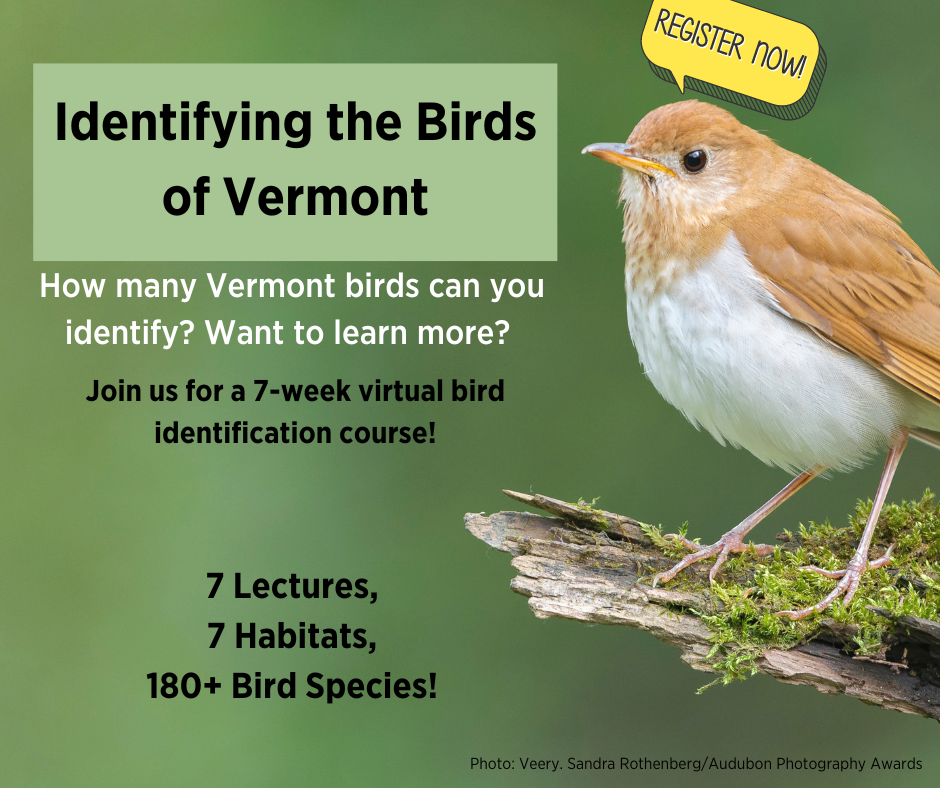
Credit: vt.audubon.org
Frequently Asked Questions
How Many Bird Species Are In The Us?
The United States is home to over 1,100 bird species. This diverse range includes both native and migratory birds. These species span various habitats, from coastal regions to forests and deserts. Birdwatchers and enthusiasts can explore numerous locations to observe this rich avian diversity.
What Is The Most Common Bird In The Us?
The most common bird species in the United States is the American Robin. Known for its orange breast and melodious song, it is widespread across the country. It is often seen in gardens, parks, and woodlands, making it a familiar sight to many.
How Are Bird Species Classified In The Us?
Bird species in the US are classified based on taxonomy, behavior, and habitat. Taxonomy involves their evolutionary relationships and characteristics. Behavior includes their feeding and breeding habits. Habitat refers to their preferred living environment. This classification helps in understanding and conserving bird populations effectively.
Why Is Bird Diversity Important In The Us?
Bird diversity is crucial for ecological balance and environmental health. Birds play roles in pollination, seed dispersal, and pest control. Their presence indicates ecosystem health, and they contribute to biodiversity. Protecting diverse bird species ensures the stability of various ecosystems across the United States.
Conclusion
Exploring bird species in the US offers endless joy and learning. You discover diverse habitats and unique behaviors. Each bird tells its own story. Observing them enriches our connection with nature. Birds highlight the importance of conservation efforts. Many species face threats from habitat loss.
Protecting them ensures biodiversity. Every sighting is a chance to connect with nature. Encourage others to appreciate and protect these creatures. With awareness, we can safeguard their future. Birdwatching offers peace and wonder. An adventure just beyond your doorstep. Keep exploring, learning, and cherishing these beautiful creatures.