


Imagine standing on the shores of Michigan, the wind gently tousling your hair as you gaze at the endless stretch of water. Above you, a kaleidoscope of birds dances against the sky, each with its unique song and flight pattern.
Have you ever wondered just how many different bird species call this vibrant coastal habitat home? You might be surprised by the diversity and beauty that thrives right in your own backyard. As you read on, prepare to be captivated by the stories of these feathered travelers and the vital role Michigan's coastal habitat plays in their lives.
The sheer variety of birds you’ll discover will change the way you see your local environment forever. Don't miss the chance to deepen your connection with nature and find out how you, too, can help protect these incredible creatures.

Credit: www.us23heritageroute.org
Bird Diversity In Michigan's Coastal Regions
Michigan's coastal regions host a dazzling array of bird species. These areas provide vital habitats for birds throughout the year. The diverse ecosystems along the coast are rich in resources. They offer nesting, feeding, and resting grounds for many bird species. This makes Michigan a prime spot for birdwatching enthusiasts.
Unique Habitats Supporting Bird Life
Michigan's coastlines feature forests, wetlands, and dunes. Each habitat supports different bird species. Wetlands attract waterfowl and wading birds. Forests provide shelter for songbirds and raptors. Dunes are home to rare shorebirds. This variety creates a thriving bird community.
Migratory Birds Along The Coast
The Great Lakes serve as a major flyway for migratory birds. Every spring and fall, thousands pass through Michigan. These birds rely on the coast for rest and nourishment. Warblers, thrushes, and sparrows are common visitors. The coast acts as a vital migration corridor.
Resident Birds Of Michigan's Coast
Not all birds are just passing through. Many call Michigan's coast home year-round. The Northern Cardinal and Black-capped Chickadee are familiar sights. These birds adapt to seasonal changes. They thrive in the coastal habitats available to them.
Conservation Efforts And Bird Diversity
Conservation plays a key role in maintaining bird diversity. Efforts focus on habitat preservation and restoration. Protecting wetlands and forests ensures bird populations remain stable. This work supports the rich bird life on Michigan's coast.
Seasonal Bird Migration Patterns
Michigan's coastal habitat serves as a crucial stopover for countless migratory birds. Over 200 species rely on this region. Diverse environments provide essential resources for feeding and resting during long journeys.
Seasonal bird migration patterns along the Michigan coastal habitat offer a fascinating glimpse into the natural world. Each year, countless birds embark on epic journeys, crossing vast distances to reach this unique ecosystem. These migrations not only highlight the resilience of avian species but also showcase Michigan's vital role as a stopover and nesting ground.
Understanding The Migration Cycles
Bird migration is a marvel of nature, driven by instinct and necessity. Many birds travel thousands of miles to escape harsh winters or find abundant food sources. In Michigan, spring and fall are peak migration periods, with birds flocking to the coastal habitats for rest and nourishment.
Spring Arrivals
As winter thaws, the coastal habitats of Michigan welcome a new wave of avian visitors. Species such as the Sandhill Crane and the American Robin are among the first to arrive. Their presence signals the start of a bustling season, filled with courtship songs and nesting activities.
Fall Departures
As autumn leaves begin to fall, so do many bird populations from Michigan's coasts. Birds like the Northern Flicker and the Common Loon prepare for their southward journey. This exodus is a critical time for birdwatchers, offering a chance to witness the spectacle of mass departures.
Challenges Along The Way
Migration is not without its challenges. Birds face threats from habitat loss, climate change, and human interference. Yet, the Michigan coastal habitat provides essential resources like food and shelter. These elements are crucial for the survival of migrating birds.
How You Can Help
Have you ever wondered how you can support these incredible journeys? Simple actions, such as maintaining bird feeders or advocating for habitat preservation, can make a difference. Your efforts contribute to a safer passage for these magnificent travelers. Michigan's coastal habitat is a critical waypoint on the migratory paths of many bird species. Engaging with this natural phenomenon offers insight into the delicate balance of ecosystems. How will you play a role in preserving these important migration patterns?
Common Resident Species
Michigan's coastal habitat is a remarkable haven for bird enthusiasts, offering a diverse range of avian species throughout the year. Among these, the common resident species play a significant role in maintaining the ecological balance and providing bird watchers with consistent sightings. These birds are a permanent fixture in the area, adapting to the changing seasons and becoming a familiar sight for locals and visitors alike.
American Robin
The American Robin is often the first bird you notice during a leisurely walk along Michigan's coast. Its cheerful song and vibrant orange breast are unmistakable. Have you ever noticed how they seem to be everywhere, from your backyard to the coastal trails? Their presence is a reminder of the rich biodiversity the area supports.
Northern Cardinal
Spotting a Northern Cardinal can brighten your day instantly. With their striking red plumage and melodic tunes, these birds are a favorite among locals. They thrive in Michigan's habitat, providing a splash of color even during the colder months. Have you ever stopped to listen to their song? It’s like a soothing melody that connects you to nature.
Black-capped Chickadee
The Black-capped Chickadee is a small yet energetic bird, always on the move. Their curiosity often leads them to interact with humans, making them a delightful sight. These birds adapt well to the coastal environment, showcasing their resilience and tenacity. Next time you're out, try to spot their distinctive black cap and listen to their cheerful call.
Mourning Dove
Mourning Doves grace the Michigan coastal habitat with their gentle cooing. Their soft, gray feathers blend seamlessly with the surroundings, offering a peaceful presence. Have you ever watched them glide effortlessly in the sky? Their graceful flight is a testament to the beauty that lies in simplicity.
As you explore the Michigan coastal habitat, think about the common resident species you encounter. How many of these birds can you identify? Are there any that surprise you with their adaptability and presence? Michigan’s coast is a living classroom, ready to teach you more about the avian world.
Rare And Endangered Birds
The Michigan coastal habitat hosts a diverse array of bird species. Over 200 different bird species use this area as a vital part of their migratory path. Some of these birds are rare and endangered, making this habitat crucial for their survival.
The Michigan coastal habitat is a sanctuary for many bird species. Among them, rare and endangered birds find refuge in this unique ecosystem. These birds face challenges due to habitat loss and climate change. Protecting their environment is crucial for their survival. Let's explore the rare and endangered birds that grace Michigan's coast.
Unique Species Of Piping Plovers
Piping Plovers are small, pale shorebirds. They are known for their distinctive calls. These birds breed on the sandy beaches of Michigan. Their numbers are declining due to human activity. Conservation efforts aim to protect their nesting areas. Volunteers monitor these birds during the breeding season. Their work helps in increasing the Piping Plover population.
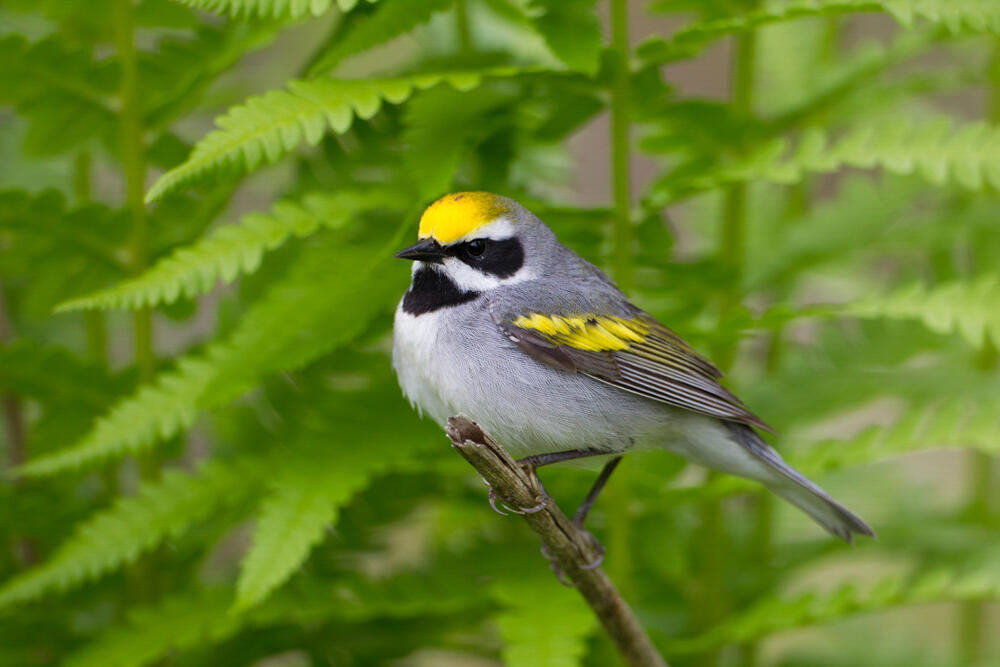
Majestic Kirtland's Warbler
Kirtland's Warbler is one of North America's rarest songbirds. It nests exclusively in young jack pine forests. Michigan is a primary breeding ground for this species. Controlled burns and reforestation are vital for their habitat. These efforts have helped stabilize their population. Birdwatchers travel to Michigan to catch a glimpse of this warbler.
Elusive Red Knot
The Red Knot is a long-distance migratory bird. It travels from the Arctic to South America. Michigan's coast provides a critical stopover site. Here, Red Knots rest and feed during their migration. Their population is at risk due to habitat destruction. Protecting coastal areas is essential for their survival.
Secretive Least Bittern
Least Bitterns are small, heron-like birds. They reside in dense marshes along Michigan's coast. Their numbers are declining due to wetland drainage. These birds are elusive and hard to spot. Conservationists focus on preserving wetland habitats. This ensures the Least Bittern's continued existence.
Iconic Bald Eagle
The Bald Eagle is a symbol of strength and freedom. Once endangered, their numbers are now recovering. Michigan's coast offers prime nesting sites for eagles. These birds prefer large trees near water bodies. Efforts to clean waterways have benefited their population. Seeing a Bald Eagle in flight is a majestic experience.
Impact Of Habitat On Bird Population
Michigan's coastal habitat attracts a diverse array of bird species. Over 300 different birds find refuge here. This ecosystem supports migratory and resident birds, enhancing biodiversity.
The coastal habitat of Michigan is a treasure trove for bird enthusiasts. It's a dynamic ecosystem, offering shelter, food, and nesting grounds for countless bird species. This habitat plays a crucial role in maintaining and even increasing the bird population. When you visit these coastal areas, you might find yourself surrounded by a symphony of chirps and tweets, each bird adding its unique note to the landscape. But how does this habitat impact bird population?
How Does Habitat Quality Affect Bird Numbers?
Quality habitat is like a well-stocked pantry for birds. It provides everything they need for survival and reproduction. Birds flock to areas rich in resources. If you improve the habitat by planting native vegetation or reducing pollution, more birds may come. You might wonder: How can you contribute to improving habitat quality in your area?
Why Do Birds Prefer Coastal Regions?
Coastal areas offer diverse resources. They have wetlands, sandy beaches, and forested areas. Each habitat type supports different bird species. For example, shorebirds thrive on beaches, while songbirds prefer forest edges. Imagine taking a stroll along Michigan's coast and witnessing this variety.
Impact Of Human Activities On Bird Population
Humans play a big role in shaping habitats. Pollution, urban development, and recreational activities can alter bird populations. Have you ever noticed fewer birds in busy areas? That's because disturbances can drive birds away. What steps can you take to minimize your impact on these beautiful creatures?
What Can You Do To Help?
Your actions matter. You can volunteer for local conservation projects or simply enjoy nature responsibly. Picking up trash, planting native plants, and advocating for wildlife protection are small steps with big impacts. Your efforts can help sustain Michigan's coastal habitats and ensure birds keep coming back. How will you contribute to preserving these vital ecosystems?
Credit: gl.audubon.org
Conservation Efforts
The Michigan coastal habitat hosts a variety of bird species. These birds rely on this habitat for nesting and feeding. Conservation efforts help protect and sustain this important ecosystem.
The Michigan coastal habitat is a vibrant ecosystem, home to an astounding variety of bird species. However, these beautiful creatures face challenges that threaten their existence. Conservation efforts play a crucial role in preserving this habitat and the diverse bird life that depends on it. These efforts aim to protect, restore, and sustainably manage the coastal environment. By doing so, they ensure that future generations can enjoy the sights and sounds of Michigan's feathered inhabitants.
Understanding Habitat Restoration
Habitat restoration is vital in conservation work. It involves returning natural areas to a state where wildlife can thrive. You might have seen teams planting native vegetation along the shores. These plants prevent erosion and provide essential shelter for birds. Imagine walking along a beach where native grasses sway in the breeze, offering a safe haven for nesting birds. Restoration projects like these make a tangible difference in bird population health.
Community Involvement
Community involvement is key to successful conservation. Local groups often organize clean-up events and educational workshops. Have you ever participated in a beach clean-up? It’s a rewarding experience that directly benefits the coastal habitat. These activities raise awareness about the importance of protecting bird habitats. They also empower you to take action, fostering a sense of stewardship for the environment.
Monitoring And Research
Monitoring and research are crucial for understanding bird populations. Scientists conduct studies to track bird migration patterns and assess habitat health. You might be surprised to learn how many birds rely on Michigan's coast during their journeys. Research provides insights into how climate change affects these patterns. This knowledge helps guide conservation strategies, ensuring that efforts are effective and timely.
Policy And Advocacy
Policy and advocacy shape the future of conservation efforts. Laws and regulations protect critical habitats from development and pollution. You can support these efforts by staying informed and voting for leaders who prioritize environmental conservation. Advocacy groups work tirelessly to influence policy, ensuring that bird habitats receive the protection they deserve. Your voice matters in this ongoing battle to preserve Michigan’s coastal treasures.
Personal Responsibility
Personal responsibility plays a part in conservation too. Simple actions like reducing plastic use and supporting local wildlife organizations can make a difference. Consider adopting sustainable practices in your daily life. By doing so, you contribute to the health of the coastal habitat and the birds that call it home. What changes can you make today to help protect Michigan’s coastal birds? Your efforts, no matter how small, can have a lasting impact.
Bird Watching In Michigan's Coastal Areas
Michigan's coastal areas host a diverse range of bird species. Over 300 different birds rely on these habitats. This makes it a vibrant spot for bird watchers. The variety of species offers endless opportunities for observation and enjoyment.
Bird watching in Michigan's coastal areas offers a unique experience for enthusiasts and novices alike. The state's diverse habitats attract a wide variety of birds, making it a prime location for spotting both common and rare species. Whether you're armed with binoculars or a camera, Michigan's coastal regions provide endless opportunities to enjoy the sights and sounds of nature.
Understanding Michigan’s Coastal Bird Habitats
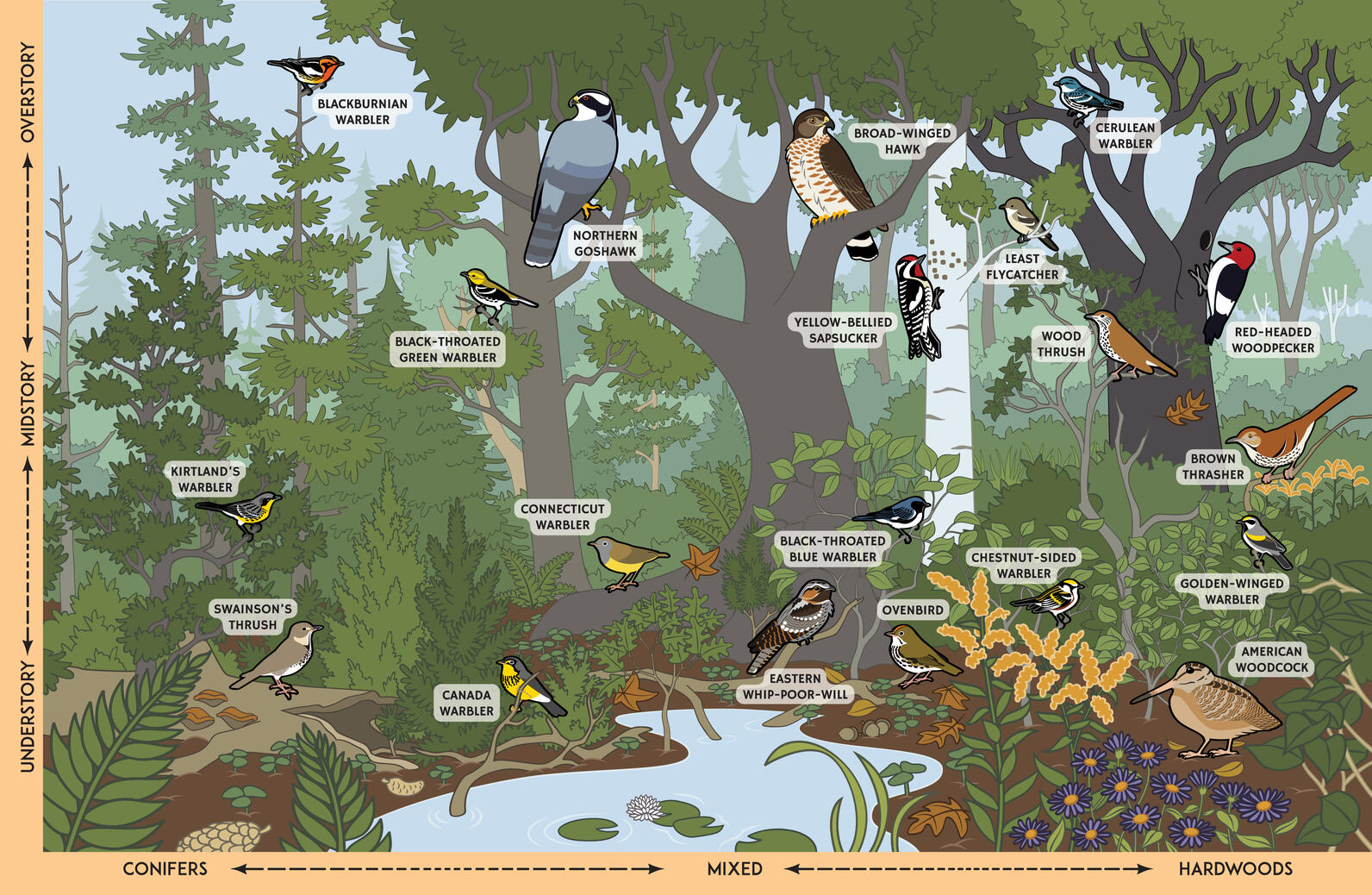
Michigan's coastline is dotted with a mix of wetlands, dunes, and forested areas. These varied environments support a rich bird population. You might find shorebirds like sandpipers and plovers along sandy beaches. In the wetlands, herons and egrets gracefully hunt for fish. Forested areas are home to warblers and woodpeckers. Each habitat offers its own set of birds, making every visit a new adventure.
Seasonal Bird Watching Opportunities
Bird watching in Michigan isn't limited to one season. Spring and fall are prime times for observing migratory birds. Imagine witnessing a flock of geese heading south in the autumn sky. Winter brings its own surprises with hardy species like the Snowy Owl making appearances. Summer showcases resident birds in full song and color. Timing your visit can enhance your bird watching experience.
Essential Gear For Bird Watching
Having the right gear can elevate your bird watching. Binoculars are a must for getting a closer look at distant birds. A field guide can help you identify species and learn more about their habits. Dress comfortably, as Michigan weather can be unpredictable. Consider packing a notebook to jot down your observations.
Connecting With Local Bird Watching Groups
Joining a bird watching group can enrich your experience. These groups often organize guided tours and provide valuable insights into local bird populations. They can help you spot elusive species and share tips on the best viewing spots. Plus, it's a great way to meet fellow bird enthusiasts.
Respecting Nature While Bird Watching
As you explore Michigan's coastal areas, remember to respect the environment. Keep a safe distance from nesting sites and avoid disturbing the birds. Leave no trace by carrying out any trash. Your actions help preserve these habitats for future generations. Michigan's coastal areas offer a treasure trove of bird watching opportunities. With diverse habitats and seasonal changes, there's always something new to discover. So grab your gear, head to the coast, and immerse yourself in the fascinating world of birds.
Credit: gl.audubon.org
Frequently Asked Questions
How Many Bird Species Are In Michigan Coastal Habitats?
Michigan's coastal habitats host over 400 bird species. These species include migratory and resident birds. The habitats provide essential resources for feeding, nesting, and resting. The diversity is due to Michigan's varied ecosystems along the Great Lakes.
What Migratory Birds Visit Michigan's Coast?
Migratory birds like warblers, sandpipers, and hawks visit Michigan's coast. They travel long distances for breeding and feeding. Michigan's location along major flyways makes it a crucial stopover. These birds rely on the coastal habitats for food and rest.
Why Are Michigan's Coastal Habitats Important For Birds?
Michigan's coastal habitats offer vital resources for birds. They provide food, nesting sites, and protection. These areas support both migratory and resident bird populations. The habitats' diversity and richness make them crucial for bird survival.
Which Rare Birds Can Be Seen In Michigan?
Birdwatchers may spot rare species like the piping plover in Michigan. These birds are endangered and rely on specific coastal habitats. Conservation efforts are crucial for their survival. Observers need to follow guidelines to protect these rare species.
Conclusion
Michigan's coastal habitat hosts a diverse range of bird species. These birds find food, shelter, and nesting areas along the shores. From migratory to local species, they thrive in this environment. Birdwatchers enjoy spotting them throughout the year. This habitat plays a crucial role in maintaining bird populations.
Protecting it ensures birds continue to flourish. Conservation efforts are vital for their survival. Everyone can contribute by supporting habitat preservation. Visiting the coast offers a glimpse into nature's beauty. Witness the vibrant life of birds in Michigan's coastal areas.
Nature's wonders await those who explore.