


Have you ever gazed up at the sky, marveling at the variety of birds soaring above and wondered just how many different species there are? Birds captivate us with their vibrant colors, mesmerizing songs, and astonishing behaviors.
They adorn our gardens, inspire our art, and even play vital roles in our ecosystems. But the true beauty lies in their diversity, as there are thousands of bird species across the globe. Imagine the thrill of discovering the rarest of them all or simply identifying the ones fluttering around your neighborhood.
Understanding the vast number of bird species not only satisfies your curiosity but also opens up a whole new world of exploration and appreciation. So, why not dive into this fascinating topic? By the end of this article, you'll have a deeper insight into the avian wonders that share our planet. Get ready to uncover the secrets of the skies, and prepare to be amazed by the incredible variety that awaits.

Credit: www.sci.news
Global Bird Diversity
Bird species worldwide number around 10,000, showcasing incredible diversity. Each species offers unique traits and adaptations. Explore their fascinating variety and discover the marvels of avian life.
Birds are among the most fascinating creatures on Earth. Their vibrant colors, melodious songs, and incredible diversity captivate nature enthusiasts and scientists alike. When you think about global bird diversity, it's staggering to realize just how many species soar through our skies, each uniquely adapted to its environment. Whether you're an avid birder or simply someone who enjoys watching a sparrow flit by, understanding the diversity of bird species can enrich your appreciation of the natural world.
Estimated Species Count
Current estimates suggest there are approximately 10,000 bird species globally. This number is continually refined as researchers discover new species and reassess known ones. It's a dynamic figure, showcasing the ever-evolving nature of our knowledge about avian life. In your backyard, you might spot a dozen different birds. Yet, the world is teeming with thousands more, each with distinct calls, plumages, and behaviors. From the tiny hummingbird to the majestic eagle, birds exhibit an astonishing range of forms and functions.
Factors Influencing Diversity
Several factors contribute to the rich diversity of bird species. Habitat variety plays a crucial role. Birds have adapted to life in diverse environments—forests, deserts, wetlands, and urban areas all host unique bird communities. Climate also significantly impacts bird diversity. Regions with stable, mild climates tend to support more species. Tropical rainforests, for example, are biodiversity hotspots teeming with avian life. Human activities can both positively and negatively affect bird diversity. Conservation efforts can protect habitats and species, while habitat destruction poses serious threats. You might wonder how your actions influence the birds around you—consider how planting native trees or reducing pesticide use can support local species. Bird diversity isn't just a statistic; it's a testament to the adaptability and resilience of life. As you observe the birds in your area, think about the myriad factors that have shaped their existence. What role can you play in preserving this incredible diversity?
Regions Of High Avian Diversity
Birds are an incredible part of our planet's biodiversity. Some regions boast exceptional numbers of bird species. These areas offer varied habitats and plentiful food sources. Let's explore where bird diversity thrives.
Tropical Rainforests
Tropical rainforests are rich in bird species. These lush areas offer abundant food and shelter. Birds in these regions have vibrant colors and unique calls. Parrots, toucans, and hummingbirds are common here. The Amazon hosts hundreds of unique species. Conservation efforts help protect these vital habitats.
Wetlands And Coastal Areas
Wetlands and coastal areas support diverse bird life. These regions provide crucial breeding and feeding grounds. Many migratory birds stop here during long journeys. Flamingos, herons, and pelicans thrive in these environments. These areas are vital for bird survival. Protecting wetlands ensures birds have a safe haven.
Endemic Bird Species
Birds are fascinating creatures, and among them, endemic bird species hold a special allure. These birds are found in specific geographic locations and nowhere else in the world. Their presence tells a unique story about evolution and adaptation. Have you ever wondered how these birds came to exist in such isolated places? Let’s dive into their intriguing world.
Island Ecosystems
Islands are natural laboratories for evolution, often hosting a variety of endemic bird species. The isolation of islands creates unique evolutionary paths, leading to birds that are perfectly adapted to their environments. Consider the Galápagos Islands, where you can find Darwin’s finches. Each species has evolved a distinct beak suited to its food source. Have you ever thought about how isolation shapes survival strategies?
Island ecosystems can be fragile, though. The introduction of non-native predators or habitat destruction can lead to the extinction of these precious birds. It's a stark reminder of the delicate balance in nature. Have you seen how quickly an ecosystem can change?
Unique Habitats
Endemic birds often thrive in habitats that offer specific conditions, like Madagascar's rainforests or New Zealand's alpine regions. These environments provide the perfect mix of food, shelter, and climate for specialized birds. The kiwi bird, for example, is flightless and nocturnal, perfectly adapted to New Zealand's dense forests. Can you imagine seeing a kiwi rummaging through the underbrush at night?
These unique habitats are increasingly threatened by human activities, such as deforestation and climate change. Protecting them is crucial for the survival of endemic species. What actions can you take to help preserve these natural wonders?
Understanding endemic bird species and their habitats offers insight into the complexity of nature. Next time you spot a bird, think about its story and the environment that shaped it. How might your actions impact these remarkable creatures?
Evolution Of Bird Species
Birds are a product of millions of years of evolution. Their ancestors were small, feathered dinosaurs. Over time, these creatures adapted to new environments. They developed the ability to fly. This remarkable journey is marked by various evolutionary changes. Understanding this evolution helps us appreciate the diversity of birds today.
Adaptive Traits
Birds possess unique traits that help them survive. Feathers are one such trait. They provide insulation and enable flight. Birds also have lightweight bones. This makes flying easier. Their beaks are specialized for different diets. They lack teeth, which reduces weight. These adaptations have helped birds thrive in various habitats.
Speciation Processes
Speciation is the formation of new species. Birds have undergone significant speciation. Geographic barriers often lead to this process. A group of birds may become isolated. Over time, they adapt to their new environment. This results in the emergence of new species. Behavioral changes can also drive speciation. Birds might develop different mating calls. This can lead to reproductive isolation. As a result, new species can form.
Threats To Avian Diversity
Avian diversity faces serious threats today. Many bird species are declining rapidly. Their survival depends on understanding these challenges. Let's explore the main threats impacting bird populations.
Habitat Loss
Habitat loss is a major threat. Deforestation reduces nesting areas. Urban expansion destroys natural habitats. Birds struggle to find food and shelter. Wetlands disappear due to agriculture. Many bird species rely on these areas. Without them, survival becomes difficult.
Climate Change
Climate change affects birds in many ways. Rising temperatures disrupt migration patterns. Birds migrate based on seasonal cues. Unpredictable weather confuses these signals. Extreme weather events increase. Storms and floods harm nesting sites. Food availability changes with shifting climates. Birds may struggle to adapt.
Conservation Efforts
Bird conservation efforts strive to protect and sustain bird species worldwide. These initiatives are crucial to maintaining biodiversity and ecological balance. Without dedicated conservation, many bird species face extinction. Understanding conservation strategies is key to supporting these efforts.
Protected Areas
Protected areas are vital for bird conservation. They safeguard habitats from urban development and pollution. These areas provide birds with a safe space to breed and thrive. National parks and wildlife reserves are examples. They often host diverse bird populations. Conservationists focus on preserving these spaces.
Effective management of protected areas is essential. It includes monitoring bird populations and habitat conditions. Regulations limit human activities that might harm these areas. Educating the public about the importance of protected areas helps too. It fosters community support and involvement.
Global Initiatives
Global initiatives unite countries in bird conservation. International agreements are crucial. They encourage cooperation and resource sharing. The Convention on Migratory Species is one example. It helps protect birds during their long migrations.
Organizations play a big role in global efforts. They conduct research and advocacy. BirdLife International is a leading group. They work to identify and protect critical bird habitats worldwide. These initiatives aim to reduce threats like habitat loss and climate change.
Public awareness campaigns are part of global efforts. They inform people about the importance of birds. Educating communities leads to better local conservation practices. Global initiatives rely on collaboration. Working together makes conservation possible.
Citizen Science And Birdwatching
Birdwatching is a delightful hobby. It connects people with nature. This pastime has grown into a valuable tool for science. Citizen science and birdwatching play a crucial role in understanding birds. Enthusiasts contribute to scientific research. They help track bird species across the globe. Many people use apps and websites to log their sightings. This data aids scientists in studying bird populations. It also helps in understanding migration patterns.
Role In Species Identification
Birdwatchers assist in identifying bird species. They often spot rare birds. This helps scientists catalog diverse bird species. Enthusiasts use guides and apps to identify birds. Their observations are shared with researchers. This data is vital for bird species identification.
Community Engagement
Birdwatching fosters community engagement. Groups often organize birdwatching events. These events bring people together. Participants share their sightings and experiences. This strengthens community bonds. It promotes awareness about bird conservation. People learn about the importance of preserving bird habitats. Community members become advocates for bird protection.
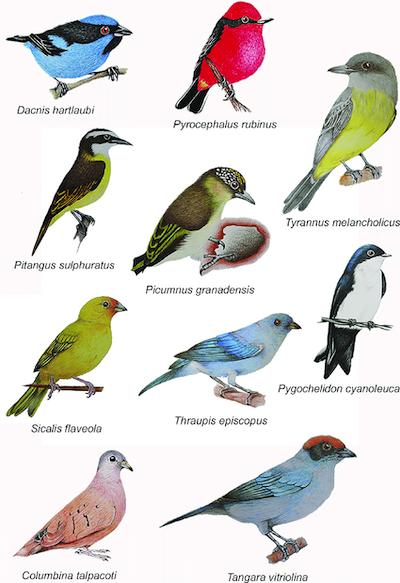
Credit: ornithology.com
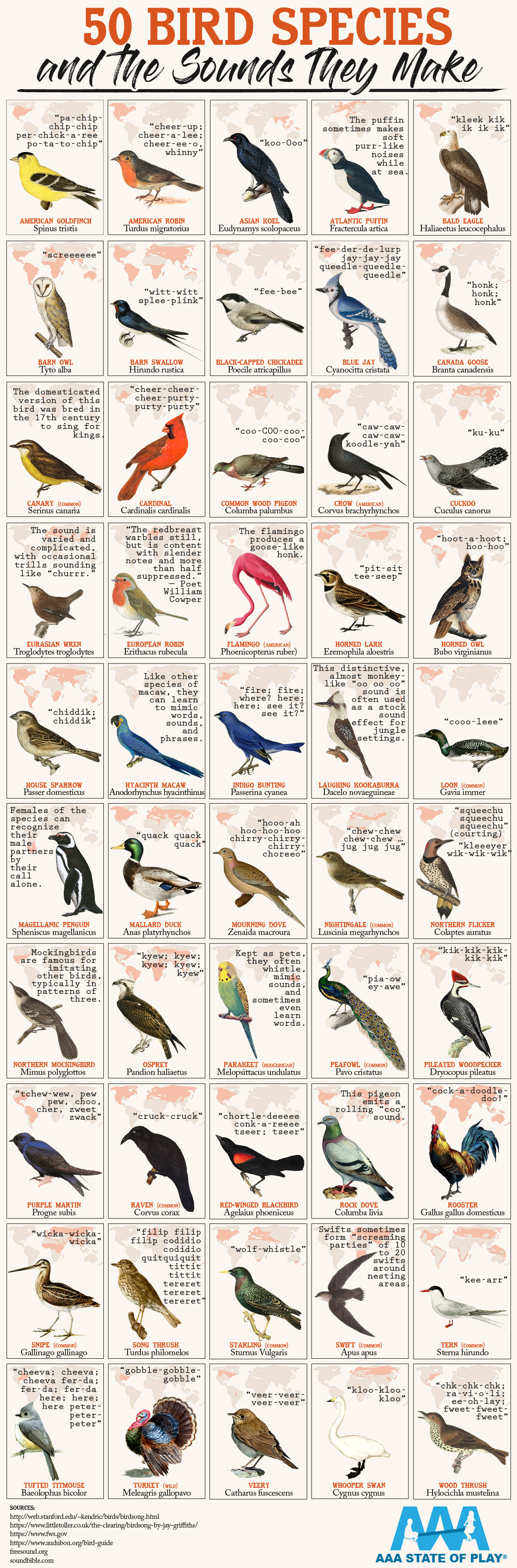
Credit: www.aaastateofplay.com
Frequently Asked Questions
How Many Bird Species Exist Worldwide?
There are approximately 10,000 bird species worldwide. This number varies slightly due to ongoing discoveries and classifications. New species are occasionally identified, while some are reclassified. The vast diversity ranges from common sparrows to exotic parrots.
What Is The Rarest Bird Species?
The Spix's Macaw is considered one of the rarest bird species. It became famous through the animated movie "Rio. " Its population is critically endangered, with conservation efforts ongoing. Captive breeding programs aim to increase their numbers.
How Are Bird Species Classified?
Bird species are classified based on their physical characteristics and genetics. Taxonomists study their anatomy, plumage, and DNA. These classifications help scientists understand evolutionary relationships. Modern technology aids in precise classifications.
Which Country Has The Most Bird Species?
Colombia has the most bird species in the world. It boasts over 1,900 species due to its diverse habitats. These include rainforests, mountains, and wetlands. Its rich biodiversity makes it a birdwatcher's paradise.
Conclusion
Exploring bird species opens a world of wonders. Each bird unique. Each with its own story. From vibrant parrots to graceful eagles. Their songs fill the skies. Observing them can be a peaceful hobby. Nature's beauty is endless. Birds play vital roles in ecosystems.
They help with pollination and seed dispersal. Protecting bird habitats is crucial. We need to preserve them for future generations. Learn more about birds. Appreciate their diversity and their role on Earth. Enjoy birdwatching. It connects us with nature. Understanding birds enriches our lives.
Let's cherish these amazing creatures.