


Have you ever noticed how much we love to watch birds? Their vibrant colors, enchanting songs, and graceful flights capture our attention effortlessly.
But did you know that birds are also a hot topic in the world of animal behavior studies? It's true! Researchers are increasingly fascinated by our feathered friends. And you might be surprised to learn just how many studies focus on them compared to other animals.
Why are birds stealing the spotlight in scientific research? What makes them so special? We’ll dive into these questions. You'll discover the unique traits that make birds a favorite among scientists and learn why understanding their behavior is crucial not just for science, but for the future of our planet. Keep reading, and let's explore the world of avian studies together. You might just find yourself looking at the birds outside your window in a whole new way.
Credit: en.wikipedia.org
Birds In Animal Behavior Research
Birds captivate researchers in animal behavior studies. Their unique traits make them ideal subjects. Observing birds offers insights into complex behaviors. These studies help understand communication, mating rituals, and survival strategies. Birds' diverse species provide rich data for scientists.
How Birds Communicate
Birds use songs and calls to communicate. Each species has distinct sounds. Researchers study these vocalizations for patterns. Understanding bird communication reveals social interactions. It also helps track migration patterns.
Birds And Their Mating Rituals
Mating rituals in birds are fascinating. Many birds have elaborate courtship dances. These rituals ensure species survival. Scientists observe these behaviors to learn about mate selection. Such studies contribute to knowledge on reproductive success.
Birds' Survival Strategies
Survival strategies of birds intrigue scientists. They adapt to changing environments. Researchers study how birds find food and avoid predators. These strategies show resilience and adaptability. Learning from birds enhances conservation efforts.
Historical Perspective
The study of animal behavior has long fascinated scientists and nature enthusiasts. Birds, in particular, have captured attention due to their diverse behaviors and adaptability. Historically, birds have been a frequent focus in animal behavior studies. This section explores the historical perspective on why birds have been preferred subjects.
Early Observations Of Birds
Birds were among the first animals observed by humans. Their visibility and accessibility made them easy to study. Early naturalists noted bird migration, nesting, and communication.
These initial observations laid the groundwork for more structured studies. Birds provided a unique window into the natural world.
Birds In Classical Studies
In ancient times, birds were featured in classical studies. Greek philosophers and Roman scholars documented their behaviors. These records highlighted bird intelligence and social structures.
Such classical studies influenced later scientific inquiries. Birds continued to be a central subject in understanding nature.
19th Century Scientific Interest
The 19th century marked a significant period for bird studies. During this time, Charles Darwin observed finches on the Galápagos Islands. His observations contributed to the theory of evolution.
Birds became emblematic of evolutionary studies. Researchers focused on adaptation and survival strategies.
Advancements In The 20th Century
In the 20th century, technology advanced bird behavior studies. Scientists used banding, radio tracking, and video recording. These methods provided deeper insights into bird life.
Research expanded to include cognitive studies. Birds demonstrated problem-solving and tool use, surprising many researchers.
Birds In Modern Research
Today, birds remain a popular focus in animal behavior research. They play a crucial role in ecological studies and conservation efforts. Birds help scientists understand environmental changes and biodiversity.
Their varied behaviors continue to intrigue both scientists and the public. Birds are invaluable to the ongoing study of animal behavior.
Unique Traits Of Birds
Scientists often study birds due to their distinct behaviors. Birds show unique communication skills and social structures. These traits make them fascinating subjects for animal behavior research.
Birds have long fascinated scientists and enthusiasts alike with their distinct behaviors and characteristics. Their unique traits make them a favorite subject in animal behavior studies. Whether it's their cognitive abilities, communication skills, or social structures, birds offer a wealth of information about the natural world.
Cognitive Abilities
Birds are smarter than many people think. Some species, like crows and parrots, demonstrate exceptional problem-solving skills. Have you ever seen a crow use tools or solve puzzles? It's a testament to their intelligence. Many birds can recognize themselves in mirrors, a sign of self-awareness. This ability is rare in the animal kingdom. It makes you wonder about the depth of their consciousness.
Communication Skills
Birds have diverse ways of communicating. Their songs and calls serve various purposes, from attracting mates to warning of danger. Have you ever noticed how different bird species have distinct calls? Birds can also mimic sounds, including human speech. Parrots are famous for this skill. It's not just a party trick; it shows their ability to learn and adapt.
Social Structures
Many birds live in complex social groups. They form bonds, establish hierarchies, and cooperate in raising young. Think about geese flying in formation—it's not just for show. These social structures help them survive and thrive. They can teach us about the importance of community and teamwork. What lessons can we learn from their social dynamics? Birds continue to captivate us with their behaviors. Their unique traits offer insights into the natural world and inspire countless studies. Next time you observe a bird, consider what it might be teaching you.

Credit: en.wikipedia.org
Methodological Approaches
Understanding animal behavior often means studying birds. Researchers use different methods to explore their actions and habits. Each approach reveals unique insights into the avian world. This section focuses on two popular methods: field studies and laboratory experiments.
Field Studies
Field studies involve observing birds in their natural habitats. Scientists watch birds interact with their environment. They note feeding patterns and mating rituals. This method captures real-life behaviors. It shows how birds adapt and survive. Researchers spend hours, sometimes days, in the field. They use binoculars and cameras for detailed observations. Field studies can be challenging. Weather and terrain might pose obstacles. Yet, they offer authentic insights into bird life.
Laboratory Experiments
Laboratory experiments allow controlled testing of bird behaviors. Researchers can manipulate variables to observe changes. This helps understand specific reactions to stimuli. Birds are monitored in specialized settings. Scientists measure responses to sound, light, and other factors. Labs offer precision and repeatability. Experiments provide data on cognitive abilities and problem-solving skills. Though different from natural settings, they reveal a lot. Scientists can replicate conditions to test theories. This method complements field studies. Together, they build a complete picture of bird behavior.
Prominent Bird Studies
Birds have fascinated researchers for decades. Their behaviors offer insights into nature's complexities. Many studies focus on understanding these creatures. From migration patterns to communication methods, birds provide endless research opportunities. Let's explore some of the most prominent bird studies that have shaped our understanding.
Classic Case Studies
One classic study is on the homing pigeons. Researchers discovered their amazing navigation skills. They can find their way home from unfamiliar places. Another well-known study involves the European Starlings. These birds show incredible flocking behavior. Their synchronized movements are a wonder of nature. These classic studies laid the groundwork for future research.
Recent Discoveries
Recent studies have shed light on bird intelligence. Crows and ravens display problem-solving abilities. They use tools to obtain food. Studies on parrots reveal their vocal mimicry skills. Some can mimic human speech with surprising accuracy. Research on migratory patterns of birds has evolved too. Scientists use technology to track their long-distance journeys. These recent discoveries offer new perspectives on bird behavior.
Comparative Analysis
Comparative analysis in animal behavior studies reveals intriguing insights into the varied ways animals interact with their environment. Birds often take center stage in these studies, offering unique behavioral patterns compared to other animals. This section dives into how birds stack up against mammals and reptiles, showcasing the fascinating distinctions and similarities.
Birds Vs. Mammals
Birds often exhibit complex behaviors that are both captivating and mysterious. Their social structures and communication methods, such as intricate songs, are studied extensively. Mammals, while also displaying social behaviors, often rely on vocalizations and body language.
Imagine observing a flock of birds seamlessly coordinating their flight patterns. This is a testament to their advanced navigational skills. Mammals, on the other hand, might rely more on scent marking or visual signals. What can we learn from these differences in communication?
Birds also display remarkable problem-solving skills. For instance, crows use tools to obtain food, showcasing cognitive abilities. Mammals like primates are known for similar intelligence, but birds often surprise researchers with their innovative approaches. How do these skills shape their survival strategies?
Birds Vs. Reptiles
The comparison between birds and reptiles highlights intriguing evolutionary paths. Birds evolved from reptiles, yet their behavior has diverged significantly. Birds are known for their ability to adapt quickly to environmental changes. Reptiles, with their cold-blooded nature, often rely on environmental conditions for survival.
Consider the migration patterns of birds. They travel vast distances to find suitable habitats, showing resilience and adaptability. Reptiles, however, are more static, often confined to specific regions. What does this tell us about their evolutionary choices?
Birds' parenting strategies also differ. Many birds are attentive caregivers, nurturing their young until they can fend for themselves. Reptiles often leave their offspring to survive independently. How does this affect their population dynamics and survival rates?
These comparisons are not just academic; they offer practical insights into biodiversity and conservation efforts. By understanding these differences, you can appreciate the intricate behaviors that define each species. What observations have you made about the animals in your environment?
Impact On Conservation Efforts
Animal behavior studies have increasingly focused on birds, revealing fascinating insights that significantly impact conservation efforts. These studies not only deepen our understanding of bird species but also equip conservationists with strategies to protect and preserve them. By examining how birds interact with their environment, we can tailor conservation plans to be more effective and responsive to the needs of these creatures.
Impact On Habitat Preservation
Bird behavior studies highlight the importance of specific habitats for different species. Understanding the nesting and feeding habits of birds allows you to identify critical areas that need preservation. For example, if a study shows that a particular bird species relies heavily on wetland areas for breeding, conservationists can prioritize these habitats for protection.
Role Of Citizen Science
Bird behavior studies often involve citizen science, where everyday people contribute to data collection. This approach not only enhances the scope of research but also raises public awareness. When you participate in birdwatching or reporting bird sightings, you become part of a larger effort to protect bird populations.
Adaptive Conservation Strategies
Birds are often indicators of environmental changes, and their behavior can signal shifts in ecosystems. Studies on migratory patterns or changes in feeding behavior provide clues to environmental threats. How can you use this information? By adapting conservation strategies to address these changes promptly.
Influence On Policy Making
Research findings from bird studies can influence conservation policies and legislation. When policymakers understand the specific needs of bird species, they can create laws that support sustainable practices. Have you ever considered how your voice can push for stronger conservation policies?
Engagement Through Education
Bird behavior studies offer educational opportunities for schools and communities. By learning about the intricacies of bird behavior, people develop a deeper connection to nature. How can you contribute? Encourage local schools to integrate bird studies into their curriculum to foster conservation-minded citizens.
As you consider the impact of bird behavior studies on conservation efforts, think about the role you can play. Whether it's participating in citizen science, advocating for policy change, or educating others, your actions can help protect bird species and their habitats for future generations.
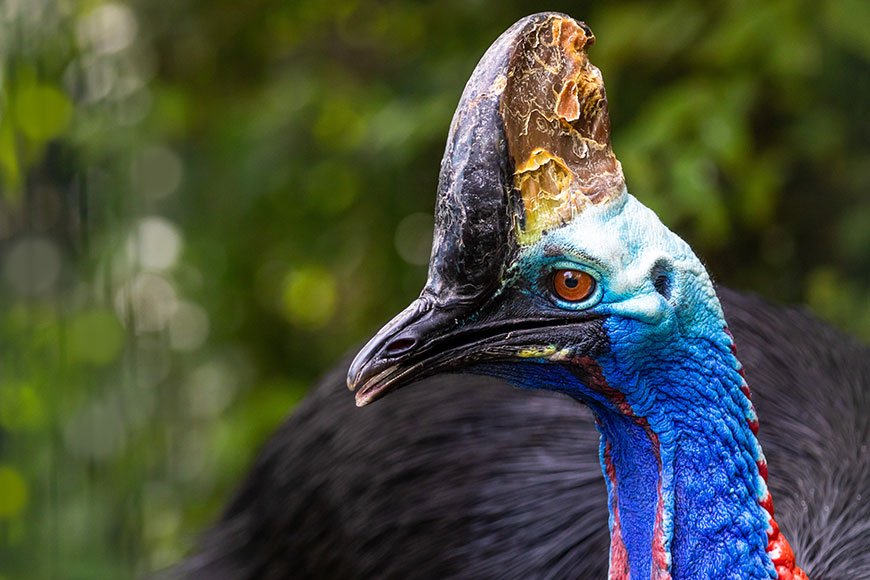
Credit: currumbinvetservices.com.au
Future Directions
The study of animal behavior, especially in birds, is evolving. Researchers explore new directions to understand these fascinating creatures better. This exploration promises exciting advancements and insights.
Emerging Technologies
New technologies offer fresh perspectives on bird behavior. GPS tracking devices help monitor migration patterns. Scientists use drones to observe birds without disturbing them. Cameras capture bird interactions in their natural habitat. These tools help gather valuable data efficiently. Advanced software analyzes bird calls and songs. This aids in understanding communication and social structures. Technology enhances our ability to study birds in diverse environments.
Interdisciplinary Approaches
Collaboration among various fields enriches bird behavior studies. Biologists work with technologists to interpret data effectively. Psychologists contribute insights into animal cognition. Ecologists examine environmental impacts on bird behavior. These interdisciplinary efforts lead to comprehensive understanding. The integration of various disciplines opens new research avenues. Combining expertise creates innovative solutions and explanations.
Frequently Asked Questions
Why Do Many Studies Focus On Bird Behavior?
Birds are highly adaptable and display diverse behaviors. They are ideal subjects for studying communication, migration, and social structures. Their visibility and accessibility make them popular in behavioral research.
What Benefits Do Birds Offer In Behavioral Studies?
Birds offer insights into complex social interactions and cognitive abilities. Their diverse species and behaviors provide rich data for understanding animal behavior and adaptation. Researchers can observe them in varied environments, enhancing study accuracy.
How Do Birds Help In Understanding Animal Communication?
Birds are known for their complex vocalizations and signaling systems. Studying these can reveal patterns in animal communication. Their songs and calls are crucial for understanding the evolution of language and communication in the animal kingdom.
Are Bird Studies Relevant To Conservation Efforts?
Yes, bird behavior studies contribute to conservation by identifying critical habitats and behavioral adaptations. These studies help in crafting effective conservation strategies. Understanding bird behaviors can aid in protecting endangered species and their ecosystems.
Conclusion
Bird behavior studies hold valuable insights. They reveal fascinating patterns and behaviors. Researchers often choose birds for their unique traits. Birds offer diverse study opportunities across species. Their behaviors can be observed in varied environments. This makes them ideal subjects for understanding animal behavior.
The focus on birds enriches our knowledge. It sheds light on broader ecological systems. Such studies help us appreciate the complexity of nature. They also assist in conservation efforts worldwide. Bird studies contribute significantly to animal behavior research. Their importance cannot be overstated.
Keep exploring. The world of bird behavior awaits.