


Imagine looking out your window to see a colorful display of birds fluttering around your bird feeder. It's a scene that brings joy and tranquility, connecting you with nature right from your home.
But what if the birds aren’t visiting your feeder as often as you’d like? You might wonder what you’re doing wrong or what you could do differently. The good news is, attracting birds to your bird feeder doesn’t have to be complicated.
In this guide, you'll discover simple yet effective strategies to make your bird feeder a popular dining spot for local birds. By understanding what birds need and prefer, you can create an inviting environment that keeps them coming back for more. Whether you’re a seasoned bird watcher or a curious beginner, these tips will help you enhance your backyard sanctuary. Ready to transform your bird feeder into a bustling hub of avian activity? Let's dive in and explore how you can make it happen.
Choosing The Right Bird Feeder
Attracting birds requires the right feeder. The feeder plays a key role. It determines which birds visit your garden. Picking the right one ensures you attract the species you love. Understanding different feeders helps make the best choice for your space. Consider the types, materials, and design.
Types Of Bird Feeders
Different feeders attract different birds. Tube feeders are long and cylindrical. They are perfect for finches and sparrows. Platform feeders are flat surfaces. They welcome a variety of birds, like doves and cardinals. Suet feeders hold suet cakes. Woodpeckers love them. Each type serves a unique purpose. Choose based on the birds you wish to attract.
Material And Design Considerations
The material affects the feeder's durability. Plastic feeders are lightweight. They are also easy to clean. Metal feeders offer strength. They withstand harsh weather. Wooden feeders blend with nature. They provide a natural look. Design also matters. Consider the size of feeding ports. Large ports suit bigger birds. Small ports prevent seed waste. Choose a feeder that fits your garden's style.
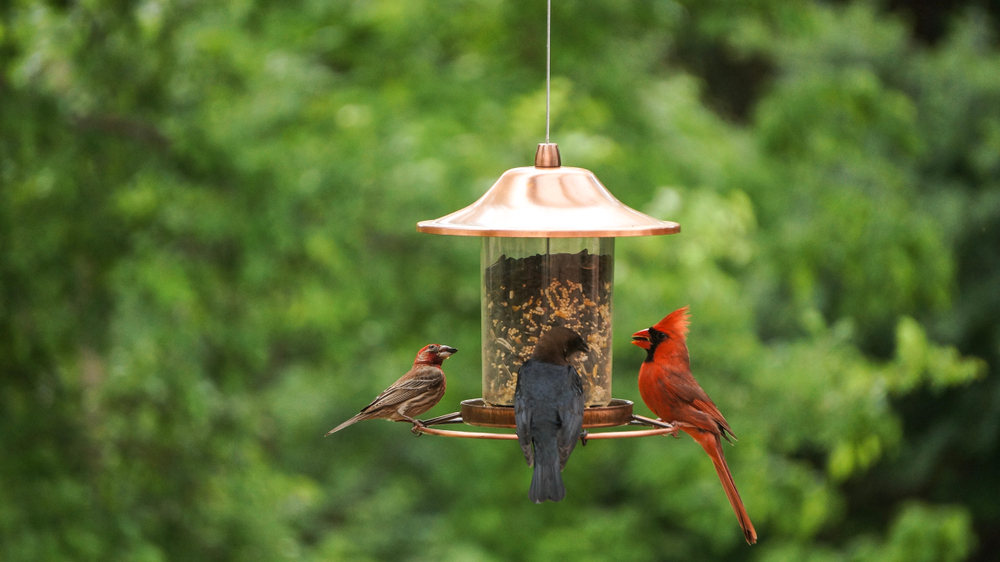
Credit: www.skh.com
Selecting Birdseed
Choosing the right birdseed helps attract diverse birds to your feeder. Sunflower seeds are popular among many birds. Millet and cracked corn draw sparrows and doves.
Selecting the right birdseed is crucial for attracting a variety of birds to your feeder. Imagine the delight of watching a vibrant cardinal or a playful chickadee nibbling on seeds just outside your window. The type of seed you choose will largely determine which birds visit your feeder. It's not just about attracting birds; it's about enticing them with the right menu. Let's dive into some popular seed varieties and their nutritional benefits.
Popular Seed Varieties
Choosing the right seed can feel overwhelming with so many options available. Black oil sunflower seeds are a favorite, loved by many bird species due to their high fat content and easy-to-crack shells. They're a great starting point if you're new to bird feeding. If you're looking to attract a specific type of bird, consider adding thistle or nyjer seeds. These tiny seeds are particularly appealing to finches and are best used in tube feeders. Another popular choice is safflower seeds, which are favored by cardinals but often ignored by squirrels, making them a smart pick if you're battling these pesky critters.
Nutritional Benefits
Just like humans, birds need a balanced diet to thrive. Black oil sunflower seeds offer high fat and protein, making them perfect for winter months when birds need extra energy. Safflower seeds, while slightly lower in fat, are packed with protein and provide essential nutrients. Thistle seeds are rich in oils, which are vital for maintaining healthy feathers and energy levels. Offering a mix of these seeds ensures that your feathered visitors receive a varied and nutritious diet. This not only attracts more birds but also keeps them returning for more. Have you ever noticed how certain birds prefer specific seeds? Experimenting with different seeds can help you discover which species are native to your area. What seeds will you try to attract your favorite feathered friends?
Location And Placement
Choosing the right spot for your bird feeder is crucial. Birds need a safe and inviting place to visit. The feeder's location can make a big difference. It affects both safety and visibility. A well-placed feeder attracts more birds. It also provides endless entertainment.
Consider the surroundings and environment. Think about the birds' needs. Also, think about your viewing pleasure. A strategic location benefits everyone.
Safe Distances From Predators
Safety is a top priority for birds. Keep feeders away from lurking predators. Cats and squirrels are common threats. Place your feeder at least 10 feet from bushes. This distance helps prevent surprise attacks. Avoid placing feeders near fences or low branches. These can offer easy access to predators.
Hanging feeders from a pole is another option. Use a baffle to keep climbers at bay. This setup provides more security for visiting birds.
Optimal Viewing Spots
Watching birds at the feeder is delightful. Position the feeder where you can easily see it. A window view is perfect. Ensure there is no glare or obstruction.
Think about the time of day. Sunlight can enhance bird colors. Morning and evening light is ideal. You might also consider placing feeders near a patio. This allows for outdoor birdwatching.
Choose a spot that fits your lifestyle. Make birdwatching a part of your daily routine.

Credit: www.natureswaybirds.com
Maintaining Cleanliness
Birds flock to clean feeders stocked with fresh seeds. Regular cleaning prevents mold and disease, ensuring a safe feeding spot. A tidy area also deters pests, making it more inviting for feathered visitors.
Maintaining cleanliness is crucial for attracting birds to your feeder. A clean feeder invites more birds and keeps them healthy. Dirty feeders can harbor harmful bacteria and mold. This can deter birds and pose risks to their health. Regular cleaning ensures your feathered visitors remain safe and happy.
Routine Cleaning Tips
Clean your bird feeder once a week. Use a mild soap and warm water. Rinse thoroughly to remove soap residue. Dry completely before refilling with seeds. Check for any damage or wear. Replace broken parts to prevent injuries to birds. A clean feeder looks appealing and attracts more birds.
Preventing Mold And Disease
Moisture leads to mold growth in bird feeders. Use a feeder with good drainage. Avoid overfilling to reduce moisture buildup. Check seeds regularly for freshness. Remove any clumped or moldy seeds. Mold harms birds and deters them from visiting. Clean spilled seeds around the feeder promptly. This discourages mold and unwanted pests.
Providing Water Sources
Birds flock to your feeder when fresh water is nearby. A small birdbath enhances attraction. It provides a refreshing source for drinking and bathing. This simple addition makes your garden a lively bird haven.
Attracting birds to your feeder involves more than just offering seeds. Providing water sources is crucial, as birds need water for drinking and bathing. Water attracts a variety of species, making your backyard a vibrant hub of activity. Picture a bright, chirping goldfinch enjoying a splash in your birdbath. It’s a delightful scene that can be easily achieved.
Bird Baths And Water Features
Bird baths are simple yet effective ways to draw birds. Choose a shallow basin, as birds prefer easy access to water. A depth of about two inches is ideal. Add small stones or pebbles to prevent slipping. Birds love having a perch while they bathe. Consider a solar-powered bird bath fountain to keep the water moving. Birds are drawn to the sound and movement of water, and it prevents stagnation. Water features like small ponds can also entice birds. Incorporate gentle slopes for easy access. Add aquatic plants for natural filtration and shelter. These features mimic natural habitats birds love.
Seasonal Water Needs
Birds' water needs change with the seasons. In summer, they need fresh water daily to stay cool and hydrated. During winter, water sources can freeze. Use heated bird baths to ensure birds have access to water even in freezing temperatures. Keep water clean to prevent disease. Change it regularly, especially in hot weather. Consider the location of your water source. Place it near bushes or trees for cover, but away from areas with high traffic. Ask yourself: Is your yard ready to host these feathered guests year-round? By meeting their seasonal needs, you make your garden a welcoming oasis.
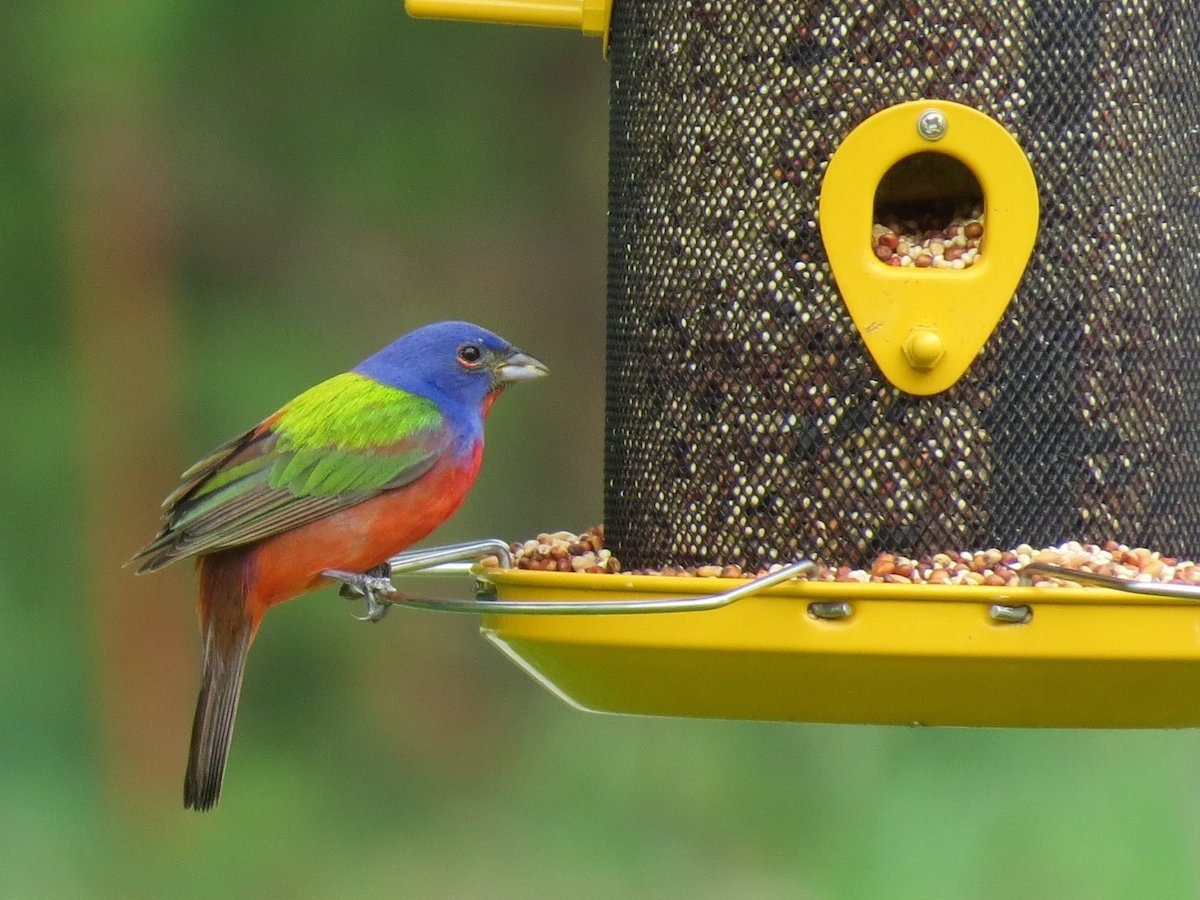
Credit: www.birdsandblooms.com
Creating A Bird-friendly Habitat
Attract birds by offering a variety of seeds at your feeder. Fresh water nearby enhances their visit. Ensure the feeder is clean to prevent diseases.
Creating a bird-friendly habitat around your bird feeder is not just about attracting feathered friends; it's about creating a sanctuary where they can thrive. Imagine your backyard buzzing with vibrant birds, each one adding color and life to your space. But how do you make this dream a reality? It's simpler than you might think. By thoughtfully designing your outdoor area, you can invite more birds to visit, stay, and even raise their young right outside your window. Let’s dive into some practical steps to transform your garden into a haven for birds.
Incorporating Native Plants
Native plants are the backbone of a successful bird-friendly habitat. These plants are like a familiar menu to local birds, offering them the food they know and love. Native flowers, shrubs, and trees can provide essential nectar, seeds, and berries that birds naturally seek. Choose a mix of plants that bloom at different times of the year. This ensures a continuous food supply throughout the seasons. Think about planting sunflowers, coneflowers, or berry bushes. These not only attract birds but also add beauty to your garden. You can also consider the plants' height and spread. Taller trees offer refuge for bigger birds, while smaller shrubs and flowers attract those that prefer to stay close to the ground.
Providing Shelter And Nesting Sites
Birds need a safe place to rest and nest. Adding trees or bushes that offer dense foliage can give birds the cover they seek from predators. Evergreens are particularly good as they provide shelter year-round. Consider installing birdhouses or nesting boxes. These are perfect for birds that don’t build nests in trees. Place them at varying heights to accommodate different species. Ensure they're stable and clean to make them inviting. Use your personal experience to tweak the placement. Notice where birds tend to linger in your garden, and place nesting sites nearby. Your backyard can become a bustling neighborhood for birds!
Have you ever thought about how your garden design can affect the type and number of birds that visit? It's fascinating how simple changes can make a big impact. You might find that your efforts to create a welcoming habitat bring more joy and natural beauty into your daily life. Why not start today and see which birds decide to call your garden home?
Using Decoys And Sounds
Enhancing your bird feeder experience involves more than just adding seeds. Using decoys and sounds can significantly attract a variety of birds. These methods can bring life and color to your backyard. Birds are naturally curious creatures. They respond well to sounds and visuals. Let's explore how you can make the most of these strategies.
Attracting Birds With Calls
Bird calls can be a powerful attraction tool. Play specific calls of birds you want to see. This can pique their curiosity. Birds often respond to calls they recognize. Ensure the sound is clear and natural. Use devices that mimic real bird sounds. This makes birds feel comfortable and safe.
Consider the timing of your calls. Birds are most active in the morning and evening. During these times, play your calls to attract them. Keep the volume moderate. Too loud can scare them away. Experiment with different calls. Find what works best for your local birds.
Effective Use Of Bird Decoys
Bird decoys can be quite effective. They attract birds by creating visual interest. Choose decoys that resemble local species. Place them near your feeder. This can encourage live birds to visit. Decoys should look realistic. This makes birds feel more at ease.
Position decoys strategically. Make them visible from a distance. Birds notice movement and shapes easily. Keep decoys clean and well-maintained. This ensures they remain attractive. Rotate decoy positions occasionally. This prevents birds from becoming wary. Experiment with different types. Find decoys that best attract your target birds.
Observing Bird Behavior
Observing bird behavior at your feeder can be a rewarding activity. You learn about different species and their unique habits. Patience is key. As you watch, you'll start noticing patterns and characteristics. These insights can help you attract more birds and enhance your birdwatching experience.
Identifying Common Species
Start by learning the common birds in your area. Sparrows, finches, and robins are frequent visitors. Use a bird guidebook to identify them by color and size. Note their distinct markings and calls. This helps you recognize them at your feeder.
Recognizing Feeding Patterns
Different birds have unique feeding habits. Some prefer seeds, others like suet or nectar. Observe the time of day they visit your feeder. Early morning and late afternoon are busy times. Watch how long each species stays. Some are quick eaters, others linger.
Frequently Asked Questions
What Types Of Seeds Attract Most Birds?
Different seeds attract different birds. Black oil sunflower seeds are popular among many species. Nyjer seeds are favored by finches. Millet is great for ground-feeding birds. Offering a mix ensures you attract a variety of birds to your feeder.
How Often Should I Clean My Bird Feeder?
Clean your bird feeder every two weeks to prevent mold and bacteria. Use warm, soapy water and rinse thoroughly. Regular cleaning keeps birds healthy and encourages them to return. During wet or humid seasons, consider cleaning more frequently.
Where Should I Place My Bird Feeder?
Place your bird feeder in a quiet, safe spot near trees or shrubs. This provides birds with shelter and protection. Ensure it's visible, so they can easily find it. Avoid placing it too close to windows to prevent collisions.
What Time Of Day Do Birds Visit Feeders?
Birds typically visit feeders early in the morning or late afternoon. These are peak feeding times. However, some birds may visit throughout the day. Keeping your feeder stocked ensures birds have food whenever they come by.
Conclusion
Attracting birds to your feeder can be easy and fun. Choose the right seeds and keep the feeder clean. Hang it in a safe, quiet spot. Add water nearby for a complete setup. Offer varied food to attract different bird types.
Be patient; birds will come. Enjoy watching them and listening to their songs. A well-maintained feeder brings nature closer to your home. Share your experiences with friends and family. Encourage them to join in the joy of birdwatching. Your efforts help birds thrive and brighten your backyard.