


Imagine waking up to the delightful sound of chirping birds right outside your window. Picture the vibrant colors of cardinals, blue jays, and finches dancing around your garden, transforming your outdoor space into a lively sanctuary.
If you've ever asked yourself, "How do I get birds to my bird feeder? " You're not alone. Many bird enthusiasts share your desire to attract these beautiful creatures. Your journey to a bird-filled backyard can be incredibly rewarding, offering a constant source of joy and relaxation.
But maybe you're puzzled about why your feeder is often left untouched or why only a few species visit. Don't worry, you're not doing anything wrong. Understanding what attracts birds to a feeder is key, and that's what this article will help you uncover. We'll dive into the secrets of creating an irresistible haven for birds, ensuring your feeder becomes the go-to spot for local feathered friends. From choosing the right food to optimizing the placement of your feeder, you'll learn everything you need to know to turn your yard into a bird's paradise. Ready to transform your outdoor space and enjoy the beauty of nature up close? Let’s get started!
Choosing The Right Bird Feeder
Attracting birds to your feeder starts with the right choice. Select a feeder that suits the local bird species. Keep it clean and filled with fresh seeds to entice them regularly.
Attracting birds to your backyard begins with choosing the right bird feeder. It's not just about hanging any feeder; it's about selecting one that suits the birds you want to attract. A well-chosen bird feeder can transform your garden into a lively aviary, filled with the delightful sounds of nature.
Types Of Feeders
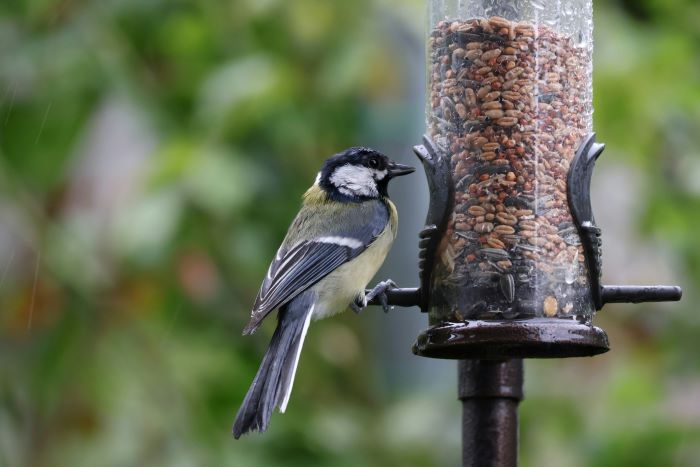
There are several types of bird feeders, each designed to cater to specific bird species. Tube feeders are great for small birds like finches and chickadees. They keep seeds dry and are easy to clean. Platform feeders attract a variety of birds, including cardinals and sparrows. They're open and allow birds to perch comfortably, but watch out for squirrels who love them just as much. Hummingbird feeders are perfect for those tiny, agile birds that love sugary nectar. It's fascinating to watch them hover as they feed.
Materials And Durability
The material of your bird feeder affects its longevity and the birds it attracts. Plastic feeders are lightweight and inexpensive, but they may not withstand harsh weather. Metal feeders offer durability and are often squirrel-proof. They can endure heavy rain and snow, making them a long-term investment. Wooden feeders blend beautifully with natural surroundings. However, they require regular maintenance to prevent wear and tear. Have you ever noticed how some feeders look brand new even after years, while others barely make it through a season? Choosing a durable material is key to saving money and ensuring your feathered friends always have a place to eat. By selecting the right feeder and material, you set the stage for a thriving bird-watching experience. What type of birds do you hope to see in your garden?
Selecting Bird-friendly Locations
Position your bird feeder near trees and shrubs. Birds feel safe with cover nearby. Choose locations away from busy roads and loud noises. Quiet surroundings attract more birds. Ensure fresh water sources are available close to your feeder. Birds need water as much as food.
Selecting the right location for your bird feeder is crucial if you want to attract a variety of feathered visitors. Birds are naturally cautious creatures, and their safety is a top priority. A well-placed feeder not only draws birds but also keeps them coming back. Choosing the right spot can be the difference between a bustling bird haven and a lonely feeder.
Safe Placement
Prioritize the safety of your avian friends by placing the feeder in areas that protect them from predators. Consider positioning the feeder at least 10-12 feet away from shrubs or trees where cats or squirrels might lurk. This distance gives birds a chance to spot danger and escape to safety. Elevating the feeder can be another effective strategy. A height of about 5-6 feet ensures it's out of reach for most ground predators while still being accessible for birds. I once moved my feeder to a higher stand and noticed an immediate increase in bird visits. It seemed they felt safer, knowing they had more time to react to any threats.
Visibility For Birds
Birds rely heavily on sight to locate food, so make sure your feeder is easily visible. Position it in open areas where birds can spot it from afar. This doesn’t mean it has to be in the middle of your yard, but rather, it should be somewhere they can quickly identify it. Experiment with different spots. Try hanging the feeder in an area that gets good sunlight during the day. The shimmering light can catch a bird's eye from a distance, drawing them in for a closer look. I once moved my feeder to a sunny spot, and the reflections seemed to act like a beacon, attracting more birds than before. Think about what birds might see from above. Is your feeder easily noticeable? Could it be obscured by overhanging branches? Ensuring clear visibility not only helps birds find your feeder but also makes it easier for you to enjoy watching them. Have you ever thought about how a bird sees your yard? Adjusting your feeder's location with this perspective in mind can make all the difference.
Offering The Best Bird Food
Attract birds to your feeder by offering a variety of seeds like sunflower and millet. Fresh water nearby enhances their visit. Ensure feeders are clean and placed in a safe, quiet area.
Attracting birds to your bird feeder is all about offering the best bird food. Birds, like us, have their preferences. Providing the right mix of seeds and seasonal options can make your backyard the favorite hangout for our feathered friends. But what exactly should you offer to keep them coming back for more? Let's dive into the specifics.
Popular Bird Seeds
Choosing the right seeds can make a world of difference. Black oil sunflower seeds are a favorite among many bird species. They have a high-fat content and a thin shell that's easy for birds to crack open. Nyjer seeds, often called thistle seeds, are another popular choice. They are small and rich in oil, attracting finches and other small birds. You might also consider safflower seeds. While they may not be as popular as sunflower seeds, they have a unique advantage—they are less likely to attract squirrels.
Seasonal Food Options
Nature changes with the seasons, and so do birds' dietary needs. During the winter months, suet cakes can provide essential fats to help birds maintain energy and warmth. In the spring, consider offering fruit pieces or mealworms. These options can attract a wider variety of birds as they prepare for nesting season. Summer is a great time to offer nectar for hummingbirds. Setting up a nectar feeder alongside your traditional seed feeders can add some vibrant visitors to your garden. Have you ever noticed how certain birds only show up at specific times of the year? Adjusting your food offerings can play a huge role in attracting seasonal visitors. Remember, the fresher the food, the more likely you are to have a bustling bird feeder. Have you tried any of these options before? Consider experimenting with different seeds and foods to see which ones bring the most birds to your yard.

Credit: www.reddit.com
Maintaining Cleanliness
Maintaining cleanliness is crucial for attracting birds to your feeder. Clean feeders prevent the spread of disease and keep birds healthy. A dirty feeder can discourage birds from visiting. They sense danger from unclean environments. Regular cleaning ensures a steady flow of feathered visitors.
Cleaning Techniques
Use warm soapy water to clean feeders. Scrub thoroughly with a brush. Rinse with clean water and let dry completely. Disassemble parts if possible for a deeper clean. Avoid harsh chemicals that can harm birds. Cleaning once a week keeps feeders inviting.
Preventing Disease
Unclean feeders can spread disease among birds. Bacteria and mold thrive in dirty feeders. Regular cleaning reduces this risk. Remove old food before refilling. Check for signs of mold or mildew. Keep the ground below feeders clean too. Dispose of fallen seeds to prevent contamination.
Creating A Bird-friendly Environment
Creating a bird-friendly environment attracts more birds to your feeder. It involves more than just hanging a feeder. Birds need safe spaces, water, and shelter. This ensures they feel welcome and secure.
Adding Water Sources
Birds are drawn to water. Consider adding a birdbath near your feeder. Ensure the water is fresh and clean. A shallow basin works best. Birds enjoy splashing and drinking from it. A small fountain can also attract them with its sound. In winter, consider a heated birdbath. This keeps the water from freezing. Birds will appreciate this reliable source.
Providing Shelter
Shelter offers birds protection and comfort. Plant shrubs and trees near your feeder. They provide cover from predators. Dense foliage creates a safe space. Nesting boxes are another great option. They offer a home for birds to rest. Ensure the boxes are suitable for local species. Keep them clean to encourage use. A well-sheltered environment attracts more feathered friends.

Credit: www.reddit.com
Understanding Bird Behavior
Birds are drawn to feeders by offering seeds and water in a quiet area. Use feeders with bright colors and fill them with diverse seeds to attract different bird species. Regularly clean and refill the feeders to ensure a fresh supply, encouraging birds to visit often.
Understanding bird behavior is crucial to attracting a diverse flock to your bird feeder. Birds are fascinating creatures with habits and preferences that influence their feeding routines. By learning about these behaviors, you can create a welcoming environment that caters to their needs.
Feeding Patterns
Birds have distinct feeding patterns that can vary based on species, time of year, and even time of day. Early mornings and late afternoons are typically prime feeding times for many birds. Take note of the seasons. During winter, birds are in search of high-energy foods to survive the cold. In the spring, they're looking for foods that aid in nesting and raising young. Adjusting your offerings based on these patterns can greatly enhance your feeder's appeal. Consider the types of seeds and foods you provide. Sunflower seeds are a favorite for many species, while suet is particularly enticing during colder months. Experimenting with different foods can help you discover what works best for the birds in your area.
Recognizing Species
Understanding which species frequent your backyard can guide your feeder strategy. Some birds, like finches, are seed eaters, while others, like woodpeckers, prefer suet. Take the time to observe the birds that visit your area. Use a bird guide or app to identify them. This knowledge allows you to tailor your feeder to cater specifically to their preferences. For instance, if you notice a lot of hummingbirds, adding a nectar feeder can attract more of these tiny, colorful visitors. Recognizing species not only helps with food choice but also with feeder placement. Some birds prefer higher feeders, while ground feeders are favored by others. Engage with your backyard. Watch and learn from the birds you see. How do they behave? What do they seem to prefer? As you notice patterns and preferences, adjust your strategy. This understanding can transform your backyard into a vibrant hub of avian activity. Are there specific birds you'd love to see at your feeder? Consider what changes might make your space more inviting for them.
Troubleshooting Common Issues
Bird feeders can sometimes face issues that deter birds. Addressing these problems is essential for attracting feathered visitors. Whether it's pesky squirrels or low bird visits, understanding these common challenges can enhance your bird feeding experience.
Deterring Squirrels
Squirrels love bird feeders. They can empty them quickly. To deter squirrels, choose a squirrel-proof feeder. These feeders have designs that prevent squirrel access. Hanging feeders away from trees helps too. Squirrels are excellent jumpers. Place feeders at least ten feet from branches. You can also use baffles. They are barriers that block squirrels from reaching feeders. Greasing feeder poles is another trick. It makes climbing difficult for squirrels.
Addressing Low Bird Visits
Low bird visits can be frustrating. Start by checking your seed. Birds prefer fresh seeds. Avoid stale or moldy seeds. Placement is crucial. Ensure feeders are visible and accessible. Birds need to see and feel safe. Cleanliness matters. Dirty feeders can deter birds. Regular cleaning prevents disease spread. Offer variety in food. Different birds like different seeds. Consider adding suet or fruit. These attract a wider range of birds.
Credit: www.reallywildbirdfood.co.uk
Frequently Asked Questions
What Types Of Seeds Attract More Birds?
Using a mix of sunflower seeds, millet, and nyjer can attract diverse bird species. These seeds provide essential nutrients. Birds like finches, sparrows, and cardinals are especially attracted to these options. Regularly replenishing these seeds ensures a constant influx of birds to your feeder.
How Often Should I Clean My Bird Feeder?
Clean your bird feeder every two weeks to prevent mold and bacteria. Use warm soapy water and a brush for thorough cleaning. Rinse well and dry before refilling. This practice ensures the health and safety of visiting birds and keeps the feeder in good condition.
Why Are Birds Avoiding My Feeder?
Birds may avoid feeders due to poor food quality or placement. Ensure the feeder is in a safe, quiet spot. Using fresh seeds and cleaning the feeder regularly can also help. Additionally, provide nearby shelter like trees or shrubs for birds to feel secure.
When Is The Best Time To Fill Bird Feeders?
Fill bird feeders early morning when birds are most active in searching for food. This ensures they have a fresh supply available. Keeping the feeder consistently stocked can help establish a routine for visiting birds, increasing the likelihood of regular visits.
Conclusion
Birds bring joy to any garden. They chirp and flutter, creating a lively scene. Attracting them to your feeder takes patience and care. Start with quality seeds and a safe spot. Keep the feeder clean and full. Different birds like different seeds.
Experiment to find what works best. Water sources and shelter help too. Watch and enjoy the colorful visitors. Small efforts make big rewards. Remember, each bird is unique. They come when they feel welcome. Keep trying and soon your garden will be alive with feathered friends.
Happy bird watching!