


How Do Birds Know to Eat from a Bird Feeder?
Have you ever wondered how birds know to flock to your bird feeder? It's a fascinating mystery that captivates both seasoned bird watchers and curious minds alike.
You might think it’s just a matter of luck or chance, but there's more going on than meets the eye. Imagine the joy of watching vibrant feathers flit and flutter, just a glance away from your window. By understanding how birds discover these food havens, you can transform your backyard into a bustling sanctuary that attracts a variety of species.
Stick around, and you'll uncover the secrets that make your bird feeder the go-to dining destination in your neighborhood. Whether you're a nature enthusiast or simply enjoy the occasional chirp, this insight could change the way you see your feathered visitors forever. Ready to dive into the world of avian dining habits? Let's explore!
Credit: www.perkypet.com
Birds' Natural Instincts
Birds instinctively know how to find food in their environment. This natural ability helps them survive in various conditions. Even in urban areas, birds adapt quickly. They learn to use resources like bird feeders. But how do these instincts work?
Innate Behaviors
Birds are born with certain innate behaviors. These behaviors guide them in daily activities. One such behavior is searching for food. They use their keen senses to find sustenance. Their sight and hearing are especially sharp. This helps them spot food sources like feeders.
Birds often imitate each other. They watch their peers to learn new skills. If one bird finds a feeder, others quickly follow. This imitation ensures they find food quickly and efficiently.
Survival Mechanisms
Survival mechanisms drive birds to explore new food sources. Hunger pushes them to seek out feeders in urban settings. They scan their surroundings constantly. This vigilance increases their chances of finding food.
Birds have a strong memory for locations. Once they find a reliable food source, they return regularly. This behavior ensures they have enough food. In harsh conditions, this instinct is critical for survival.
Birds also communicate with each other. They use calls to signal food locations. This sharing of information benefits the entire flock. It increases their survival rate in challenging environments.
Birds' Sense Of Smell And Sight
Birds have incredible abilities to find food. They rely on their keen senses. Their sense of smell and sight guide them to bird feeders. Each plays a unique role. These senses ensure birds find the food they need.
Visual Cues
Birds have excellent vision. They can spot colors and shapes from far away. Brightly colored feeders attract them. Red, yellow, and orange are most appealing. The movement of other birds also draws their attention. They learn from watching their peers. This visual learning helps them discover new food sources.
Olfactory Signals
While not as strong as sight, smell helps birds too. Some birds have a well-developed sense of smell. They can detect the scent of seeds and nuts. This guides them to feeders. The smell of fresh food is a strong lure. It helps birds locate hidden feeders among trees and bushes.
Learning From Experience
Birds, like humans, often rely on experience to master new behaviors. You might wonder how birds know to eat from a feeder. It's not instinctive; they learn through observation and practice. This learning process is fascinating and reveals the intelligence of our feathered friends.
Observational Learning
Have you ever noticed how birds flock together, watching each other's actions? They learn by observing their peers. When one bird discovers a feeder, others watch and imitate. Your backyard might become a classroom for these keen observers. It's a bit like how children learn to ride a bike by watching their friends. Birds are curious and intelligent, absorbing cues from their environment and the actions of fellow birds. Next time you see a flock at your feeder, consider how they're teaching each other!
Trial And Error
Birds also learn through trial and error. They might try different food sources before settling on your feeder. It's a process of experimentation, much like how you might taste different dishes before finding a favorite. They may initially be cautious, pecking at unfamiliar seeds. Over time, they realize the feeder is a reliable food source. If your feeder is new, it might take a few days for birds to try it. But once they do, they remember and return. Have you ever noticed how quickly they adapt to changes?
Understanding how birds learn to eat from feeders can enhance your bird-watching experience. You might consider how you can make your feeder more inviting. What could you do to attract a diverse range of bird species? Observing their learning patterns can make feeding birds a more rewarding activity for you.
Social Dynamics In Bird Feeding
Birds are social creatures with intricate feeding behaviors. Bird feeders offer an intriguing glimpse into these dynamics. Understanding how birds interact helps us appreciate their feeding habits.
Birds rely on social cues and interactions. This helps them discover food sources. Bird feeders become a hub for these social exchanges.
Influence Of Flock Behavior
Birds often feed in groups. This behavior provides safety and efficiency. Flock behavior influences how birds locate food sources like feeders.
When one bird finds a feeder, others notice. The presence of a flock signals a food source. This attracts more birds to the feeder.
Flocks also deter predators. Safety in numbers encourages more birds to visit feeders. This dynamic boosts the number of birds at your feeder.
Communication Among Birds
Birds communicate in various ways. Calls and songs are common methods. These sounds can signal food availability to other birds.
Visual cues play a role too. Birds observe each other’s actions. A bird eating at a feeder sends a visual message. This can attract more birds to join.
Communication ensures birds share valuable information. This helps them survive and thrive. Bird feeders become a focal point for these exchanges.
Role Of Environmental Factors
Birds discover feeders through environmental cues, such as the presence of familiar food and the sound of other birds. Bright colors and movement also attract their attention, encouraging exploration and feeding.
Understanding how birds find and choose to eat from a bird feeder is fascinating. Environmental factors play a crucial role in this behavior. These factors influence the availability of food and the birds' awareness of new sources.
Seasonal Influences
Seasons significantly impact bird feeding habits. During winter, natural food sources become scarce. Birds, driven by necessity, are more likely to explore new food options like feeders. In spring, bird feeders attract migratory species. These birds rely on quick energy sources to fuel their long journeys. Have you noticed different birds visiting your feeder in various seasons? Summer provides an abundance of natural food. Yet, some birds still visit feeders for easy access to nutrition. Offering varied seeds can attract a wider range of species.
Habitat Characteristics
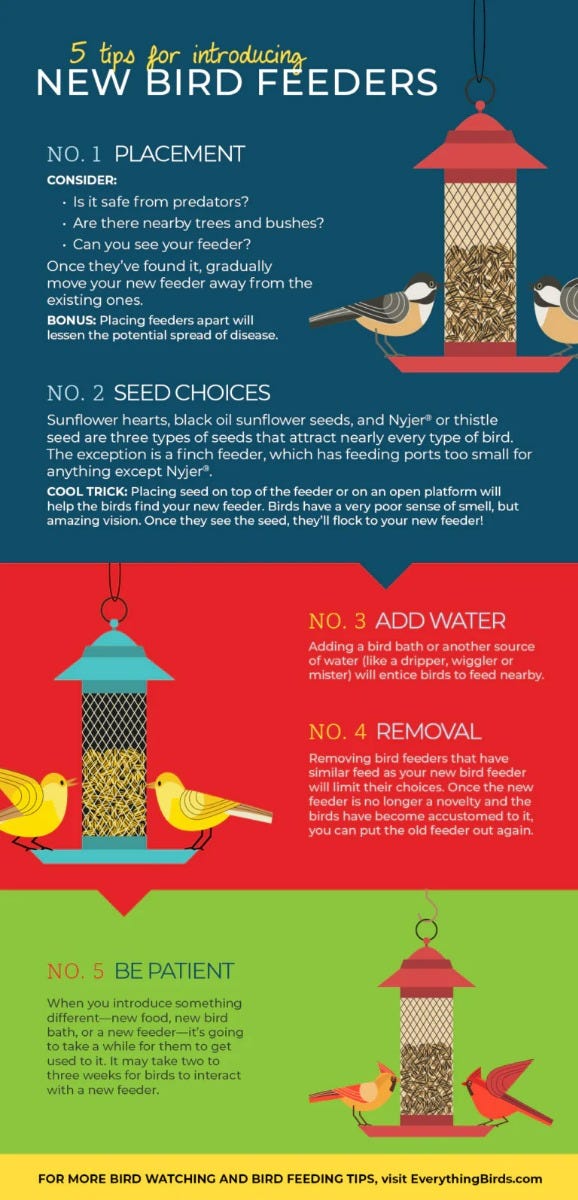
The location of your feeder is crucial. Birds are more likely to use feeders in environments that mimic their natural habitats. Placing feeders near trees or shrubs can make them more appealing. Urban areas present unique challenges and opportunities. Here, bird feeders become essential as birds adapt to fewer natural resources.
Have you noticed more birds visiting your feeder in city parks? In rural settings, feeders complement the existing abundance of natural food. Birds in these areas may use feeders as a supplementary source. Is your feeder in a rural area? You might find it attracts a wide variety of species throughout the year. By understanding these environmental factors, you can optimize your bird feeder's location and offerings. This knowledge helps attract a diverse array of birds while providing them with much-needed sustenance.
Credit: www.lyricbirdfood.com
Human Influence On Bird Feeding
Bird feeding is more than a simple interaction. Humans play a significant role in shaping how birds approach feeders. Our understanding of bird behavior helps design feeders that attract them. This interaction between humans and birds creates a unique feeding dynamic.
Design Of Bird Feeders
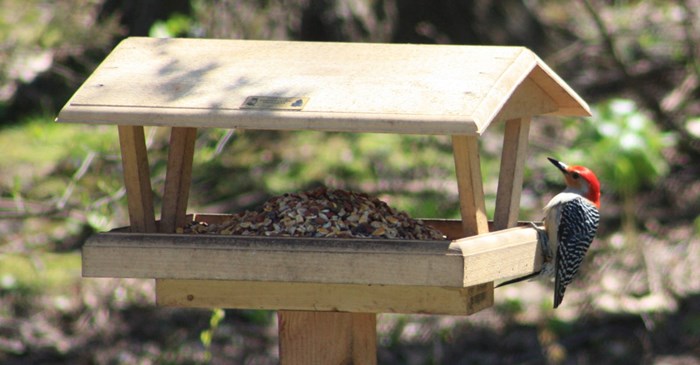
Bird feeders come in various shapes and sizes. They are crafted to suit different bird species. Some feeders hang, while others sit on stands. The design often mimics natural settings. This encourages birds to investigate and feed. Colors and materials are chosen carefully. Bright colors can attract specific birds. Feeder designs also aim to deter predators. This keeps birds safe while they eat.
Impact Of Feeding Patterns
Humans set feeding patterns through regular refills. Birds learn these patterns quickly. They adapt their schedules around human activity. If a feeder is consistently stocked, birds visit frequently. Regular feeding times create expectations. Birds become familiar with the routine. Changes in feeding times can confuse them. Consistency helps birds rely on feeders as a food source.

Credit: www.birdwatchingdaily.com
Frequently Asked Questions
How Do Birds Find Bird Feeders?
Birds find feeders through their keen eyesight and memory. They spot seeds and other birds feeding. Once they learn a feeder's location, they often return. Bright colors and movement can also attract their attention. Providing a consistent food source helps them remember and revisit your feeder regularly.
Why Do Birds Eat From Feeders?
Birds eat from feeders for easy access to food. Feeders provide a reliable source, especially during scarce times. They offer high-energy foods like seeds and suet. This helps birds conserve energy they would otherwise spend searching for food. Feeders can be crucial during harsh weather conditions.
Do All Birds Use Bird Feeders?
Not all birds use feeders. While many common backyard species do, others prefer natural sources. Birds like hawks or owls, which hunt live prey, rarely visit feeders. Some species are ground feeders and might not use elevated feeders. Offering a variety of food can attract different types of birds.
Can Bird Feeders Impact Bird Behavior?
Yes, bird feeders can impact behavior. Feeders can alter migration patterns and feeding habits. Birds may become reliant on feeders, affecting their natural foraging skills. However, feeders also provide crucial support during winter or food shortages. Responsible feeding practices can minimize negative impacts.
Conclusion
Birds find feeders by using their keen senses and instincts. They see movement and colors, which attract them. Curious by nature, they explore new food sources. Once they find a feeder, they remember the location. Consistent feeding helps build their trust.
Birds communicate with each other, sharing news of food. This increases the number visiting your feeder. Patience and consistency encourage birds to visit. Enjoy watching them as they grace your yard. Their presence brings nature close to home. So, keep your feeder filled and welcome these feathered friends.
Happy birdwatching!