


Have you ever hung a bird feeder in your backyard and wondered how the birds find it so quickly? It's as if they have a secret map guiding them right to your door.
This magical phenomenon isn't just a stroke of luck. Birds have fascinating methods and instincts that lead them straight to your feeder. Discovering these secrets will not only satisfy your curiosity but also help you attract even more feathered friends to your yard.
Imagine the vibrant colors and melodies enhancing your outdoor space as you learn how to make your feeder irresistible. Stay with us to unveil the mystery behind how birds find your feeder, and turn your garden into a lively, avian paradise.
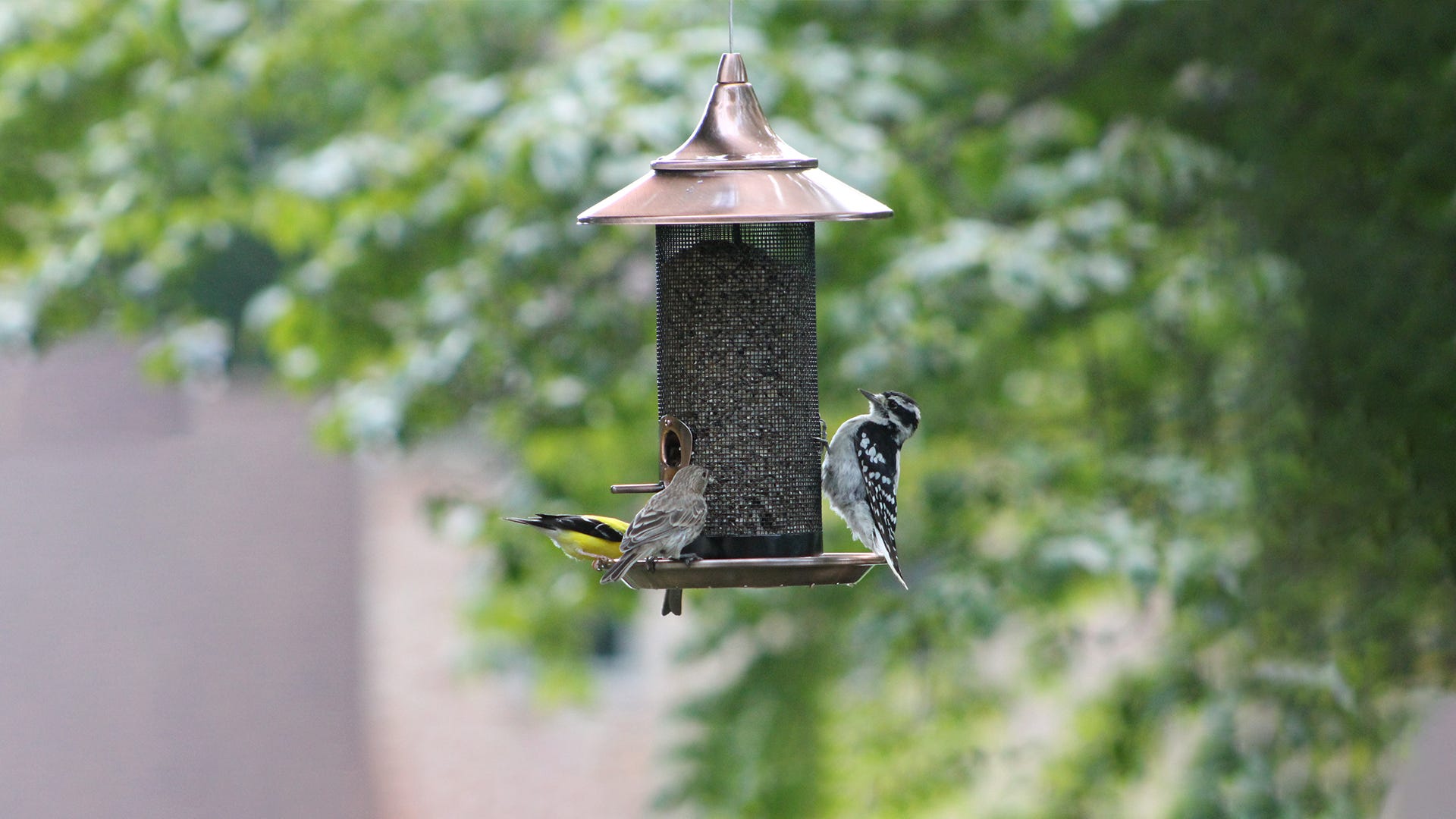
Credit: www.perkypet.com
Birds' Sensory Abilities
Birds locate feeders using sharp vision and keen hearing. Their bright colors and movements catch a bird's eye quickly. Scents from seeds also attract birds, helping them find food easily.
Birds have an incredible way of finding your bird feeder, and it's all thanks to their amazing sensory abilities. Imagine you're a bird flying high above, scanning the landscape for a quick snack. How do you zero in on that perfect spot with seeds waiting just for you? Birds rely on a combination of visual, auditory, and olfactory signals to navigate and find food sources. Understanding these can not only help you attract more birds but also appreciate the fascinating natural world around us.
Visual Cues
Birds have exceptional vision, often spotting things humans might miss. Their eyes are specially adapted to detect colors and movements. Have you ever noticed how a bright red cardinal stands out against the green foliage? Similarly, vibrant bird feeders can draw in birds from a distance. If you want to attract more feathered friends, consider using colorful feeders and placing them in open areas where birds can easily spot them.
Auditory Signals
Birds communicate using a variety of sounds and calls. These auditory signals play a crucial role in their daily lives, including finding food sources. When birds hear the chatter of others at a feeder, it's like a dinner bell ringing. This sound can travel over long distances, inviting more birds to join the feast. If you've ever noticed an increase in bird activity after one starts chirping loudly, you're witnessing this auditory invitation in action.
Olfactory Sensors
While birds aren't known for their sense of smell, some species do use olfactory cues to locate food. This ability is more pronounced in certain birds like vultures, which rely on scent to find carrion. For your backyard birds, ensuring the feeder stays fresh and clean can prevent any off-putting smells. Keep the seeds dry and replace them regularly. Doing so may not attract birds through scent, but it ensures a pleasant dining experience, encouraging them to return.
Have you ever considered how your own senses might guide you in finding food? Birds use theirs in similar, yet surprisingly sophisticated ways. By tapping into these sensory abilities, you can create a more inviting environment for your avian visitors. What changes will you make to your bird feeder setup to appeal to their keen senses?
Migration Patterns
Birds are fascinating creatures. Their ability to migrate across vast distances is remarkable. Migration patterns play a key role in how birds find your bird feeder. These patterns are influenced by various factors. Understanding them can help attract more birds to your backyard.
Seasonal Movement
Birds migrate based on seasonal changes. They travel to warmer areas during winter. This movement is crucial for their survival. They follow specific routes every year. These routes are determined by the availability of food and suitable habitats. Recognizing these patterns can help you plan your feeder locations.
Navigational Skills
Birds possess exceptional navigational skills. They use the sun, stars, and Earth's magnetic fields to guide their journeys. Their keen senses help them find feeders along the way. Birds can even remember specific landmarks. This memory aids them in locating food sources, including your bird feeder.
Communication Among Birds
Birds have fascinating ways to communicate. This helps them find food, like bird feeders. Their communication is a mix of calls, songs, and behaviors. Each type of bird has its own unique style. Understanding these can help you attract more birds to your feeder.
Social Interaction
Birds often rely on social interaction to share information. They gather in flocks, which helps them exchange details about food sources. Social birds, like sparrows and finches, use this method frequently. Watching them, you'll notice their quick movements and sounds. This behavior helps them find your bird feeder.
Alarm Calls
Alarm calls alert birds about danger. But they serve another purpose too. These calls can lead birds to your feeder by mistake. When one bird spots food, its calls can attract others. The noise is like an invitation to join the feast. So, even alarm calls can help birds find your feeder.

Credit: www.birdwatchingdaily.com
Role Of Habitat
Birds locate your feeder through sight and sound. Bright colors and familiar calls draw them in. Native plants and natural habitats increase their chances of finding your bird feeder.
The role of habitat is crucial in attracting birds to your feeder. Birds are naturally inclined to seek out areas that provide shelter, food, and safety. This is why the habitat surrounding your bird feeder can greatly influence its popularity among local bird species.
Natural Environment
Birds are drawn to areas that mimic their natural environment. A diverse habitat with trees, shrubs, and water sources can attract a variety of species. Think about how some birds prefer dense foliage for cover while others thrive in open spaces. Do you have a mix of these features in your yard? If not, consider adding native plants or a small birdbath to create an inviting environment. Having a feeder near these elements can increase its visibility and accessibility to birds. A personal experience I had involved planting berry bushes near my feeder. Not only did this attract more birds, but it also introduced new species I hadn't seen before.
Human Impact
Human activity can significantly affect bird habitats. Urbanization often leads to reduced natural spaces, making your backyard an oasis for birds. Are there changes you can make to counteract these effects? Installing bird feeders is a great start, but maintaining a quiet, safe space is equally important. Avoid using pesticides and keep pets at a respectful distance from your feeder. I learned this the hard way when a curious cat scared off the birds I had painstakingly attracted. A few adjustments made my yard a peaceful refuge again. By thoughtfully considering your role in shaping the habitat, you can make your feeder a popular spot for birds. What simple changes can you make to enhance your feeder's surroundings today?
Influence Of Weather Conditions
Birds are sensitive to their environment. Weather conditions play a crucial role in how they find your bird feeder. Birds rely on their keen senses. They adapt quickly to changes in their surroundings. Understanding these influences can help you attract more birds.
Temperature Changes
Temperature affects bird behavior significantly. In colder months, birds seek food more actively. They need extra energy to maintain body heat. A well-stocked feeder becomes a beacon for hungry birds. In warm weather, birds might visit less often. They rely on natural food sources abundant in nature.
Wind Patterns
Wind patterns can alter a bird’s flight path. Strong winds can make flying challenging. Birds may choose to stay closer to the ground. During gentle breezes, birds might explore new areas. They could find your feeder by chance. By observing wind patterns, you can better predict bird visits.
Strategic Bird Feeder Placement
Strategic bird feeder placement is key to attracting a variety of birds to your backyard. By carefully choosing the location and ensuring high visibility, you increase the chances of birds discovering your feeder. Let's explore some practical ways to make your bird feeder the go-to dining spot for your feathered friends.
Location Selection
Think of your backyard as a bustling bird hub. Where would birds feel safe to land and dine? Consider placing your feeder near trees or shrubs. These provide birds with shelter and a quick escape if they feel threatened.
Avoid spots that are prone to high winds or extreme sun exposure. Birds prefer a stable environment. A feeder swaying in the wind can deter them. Aim for a serene and shaded area that offers birds a comfortable feeding experience.
Feeder Visibility
Visibility is crucial. Birds have keen eyesight but need visual cues to find food. Ensure your feeder stands out by choosing bright colors or adding colorful decorations. This will catch their attention from a distance.
Elevate your feeder slightly above ground level. This makes it more visible to flying birds and reduces the risk of predators. You might notice more birds visiting once you make these changes.
Have you ever wondered if your bird feeder is in the best spot? Observe the birds' behavior. Are they flocking to your feeder or avoiding it? Adjust its position based on these observations for optimal results.
Remember, attracting birds requires patience and a bit of experimentation. Try different locations and monitor the activity. The joy of watching birds flock to your feeder is worth the effort!
Attracting Specific Species
Birds find your feeder through sight and sound. Bright colors attract them, and familiar chirping catches their attention. Placing feeders in open areas helps birds spot them easily, encouraging visits from specific species.
Attracting specific bird species to your feeder requires some strategy. Birds have unique preferences and habits. By understanding these, you can encourage a variety of feathered friends to visit. Whether you desire vibrant cardinals or cheerful chickadees, selecting the right food and feeder is key.
Food Preferences
Different birds favor different foods. Cardinals love sunflower seeds. Goldfinches prefer nyjer seeds. Offering a mix of seeds can attract diverse species. Suet attracts woodpeckers and nuthatches. Fruit pieces lure orioles and robins. Knowing what birds in your area like helps in choosing the right food. This ensures your feeder is a popular spot.
Feeder Types
The type of feeder also influences which birds visit. Tube feeders suit small birds like finches. Platform feeders attract larger birds, such as jays. Hanging feeders are great for agile birds like chickadees. Ground feeders attract mourning doves and sparrows. Each type has its strengths for specific species. Choose feeders based on the birds you wish to see.
Bird Behavior Studies
Birds locate feeders through sight and memory. They observe colorful seeds and track feeding patterns. Social cues from other birds also guide them to food sources, creating a natural network. Your backyard can become a busy bird hub with the right feeder placement and seed types.
Bird enthusiasts often wonder how birds manage to find their feeders so quickly. Understanding bird behavior is key to unlocking this mystery. Through various studies, researchers have observed fascinating patterns and insights into how birds locate food sources. Let's delve into the methods and findings from these bird behavior studies.
Observation Techniques
Researchers employ a variety of techniques to study bird behavior. One common method is time-lapse photography, which captures bird activity over extended periods. By analyzing these images, scientists can identify patterns in bird visits. Another technique involves field observations. Researchers spend hours watching birds, noting their flight paths and feeding habits. Imagine sitting quietly in your garden, binoculars in hand, as you witness a cardinal effortlessly navigate to your feeder. These direct observations provide invaluable data. Tagging and tracking birds is also a popular approach. With tiny GPS devices, scientists can monitor bird movements. This technology offers insights into their travel routes and feeding hotspots.
Scientific Discoveries
Studies reveal that birds use a combination of visual cues and social learning to find feeders. Birds have excellent eyesight, allowing them to spot brightly colored feeders from afar. If you've ever noticed a sudden influx of birds at your feeder after adding a splash of color, you've experienced this firsthand. Social learning plays a significant role too. Birds observe each other and learn from the actions of their peers. Have you ever seen one bird at your feeder, only to be joined by several others shortly after? This is a testament to the power of social learning. Recent research also highlights the importance of memory in bird behavior. Birds can remember where food sources are located and return to them later. This memory aids in their survival, especially during harsh weather when food is scarce. Understanding these behaviors not only enriches your bird-watching experience but also helps you attract more birds to your feeders. So, next time you set up a new bird feeder, consider how these fascinating creatures will find it. What will you do differently to make your feeder more inviting?
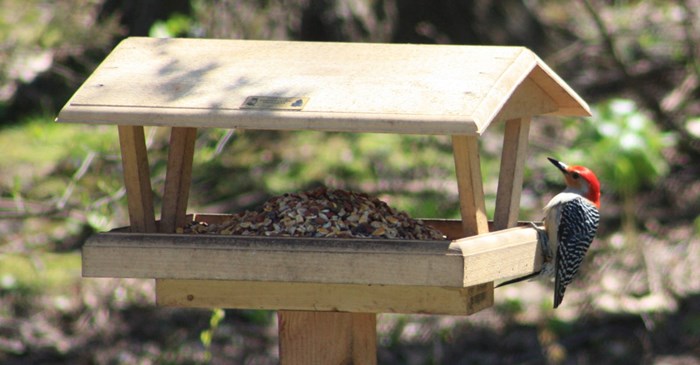
Credit: www.lyricbirdfood.com
Frequently Asked Questions
How Do Birds Locate Bird Feeders?
Birds use their keen eyesight to spot feeders from afar. Bright colors and movement attract them. They also rely on memory and social cues. If one bird finds food, others follow. Positioning your feeder in a visible, safe spot enhances its discovery.
Do Birds Smell Food In Feeders?
Birds primarily rely on sight and sound, not smell, to find food. While some birds have a basic sense of smell, it's not their main tool for locating feeders. Visual cues, like colorful seeds and feeder designs, are more effective in attracting them.
How Long Does It Take Birds To Find A Feeder?
It can take anywhere from a few hours to weeks for birds to find a new feeder. Factors like location, visibility, and surrounding bird activity play a role. Be patient and ensure the feeder is well-stocked to encourage discovery.
Why Aren't Birds Visiting My Feeder?
Several factors can deter birds from visiting. These include poor feeder placement, lack of food variety, or nearby predators. Ensure your feeder is clean, filled with fresh seed, and positioned safely. Sometimes, it just takes time for birds to discover a new food source.
Conclusion
Birds are clever creatures. They find feeders through sight and sound. Bright colors attract them quickly. The smell of seeds also helps. Birds remember good food spots. They share information with others. So, placing feeders in visible areas is key.
Keep them stocked with fresh seeds. Patience is important. Birds may take time to come. Keep feeding areas clean and safe. This attracts more birds. Enjoy watching them visit your feeder. It's rewarding and peaceful. A simple way to connect with nature.