


Imagine setting up a brand-new bird feeder in your backyard, only to wonder, "How do birds find a new bird feeder?" It’s a question that piques your curiosity and awakens a sense of wonder about the natural world.
You’re not alone in this curiosity. The answer lies in the fascinating, instinctual behaviors of birds and their ability to adapt to new environments. As you delve into this article, you’ll uncover the secrets behind how these remarkable creatures locate food sources.
By the end, you'll not only satisfy your curiosity but also gain insights into how you can make your feeder a favorite dining spot for your feathered friends. So, are you ready to transform your backyard into a bird haven? Let's explore the captivating world of bird feeding together.

Credit: birdseedandbinoculars.com
Birds' Natural Instincts
Birds use their sharp vision and keen senses to locate new feeders. Bright colors and seeds attract them quickly. Familiar sounds, like chirping from other birds, signal food availability nearby.
Birds have an incredible ability to find new bird feeders, and their natural instincts play a significant role in this process. These instincts are not just basic survival skills but are finely tuned abilities that help them adapt to their environment. Whether you're a seasoned bird watcher or just setting up your first feeder, understanding these instincts can enhance your experience.
Innate Navigational Skills
Birds possess remarkable navigational skills that help them locate food sources. Many species can travel long distances and still find their way home. This is due to their ability to use the Earth's magnetic field, the sun, and even the stars as navigational tools. Imagine having a built-in GPS that never fails you. Next time you see a bird at your feeder, consider how far it might have traveled. This innate ability allows birds to explore new territories and locate feeders in unfamiliar settings. It's an extraordinary skill that many of us wish we had.
Role Of Memory And Experience
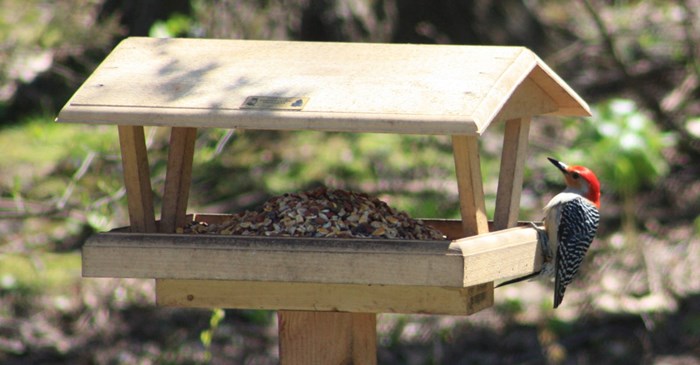
Birds also rely on memory and past experiences to find food. Once a bird discovers a reliable food source, it will remember its location for future visits. This is why your feeder might suddenly be bustling with activity once a few birds find it. Think about how you remember your favorite restaurant's location. Birds have similar mental maps that guide them back to your feeder. Their ability to remember these spots is crucial for their survival and a testament to their intelligence. Have you noticed that some birds seem to arrive at your feeder at the same time every day? This regularity isn't just coincidental. Birds learn to associate certain places with food, and their experiences reinforce these habits. By understanding these natural instincts, you can better appreciate the fascinating behaviors of birds at your feeder. Why not try moving your feeder to a different spot and see how quickly they find it again? This simple experiment can give you a deeper insight into the minds of these remarkable creatures.
Credit: www.lyricbirdfood.com
Visual And Auditory Cues
Birds locate new feeders using visual and auditory cues. Bright colors and movement catch their eyes. Chirping and rustling leaves guide them to a food source.
Birds rely on visual and auditory cues to find food sources. These cues help them locate new feeders in their environment. Understanding these cues can enhance your backyard bird-watching experience.
Color Attraction
Birds are attracted to bright colors. Red, yellow, and blue often catch their attention. These colors stand out in their natural surroundings. A brightly colored feeder is more visible from a distance. It acts like a beacon for hungry birds. Choosing a feeder with vivid colors can increase visits from feathered friends.
Sound Signals
Birds use sounds to find food sources. The rustling of leaves may indicate insects. The sound of seeds falling can attract them to a feeder. You can mimic these sounds to draw birds. Wind chimes or gentle music can also help. These sounds signal a safe area to explore. Birds may become curious and investigate new feeders.
Social Learning Among Birds
Birds often discover new feeders through social learning. They observe fellow birds visiting a feeder and imitate their actions. This behavior helps them quickly identify food sources in unfamiliar environments.
Birds are fascinating creatures, especially when it comes to their learning behaviors. You may have noticed how quickly they can find a new bird feeder in your yard. This is largely due to social learning, a process where birds learn from each other. Let's dive into how birds use social cues to discover new food sources.
Observational Learning
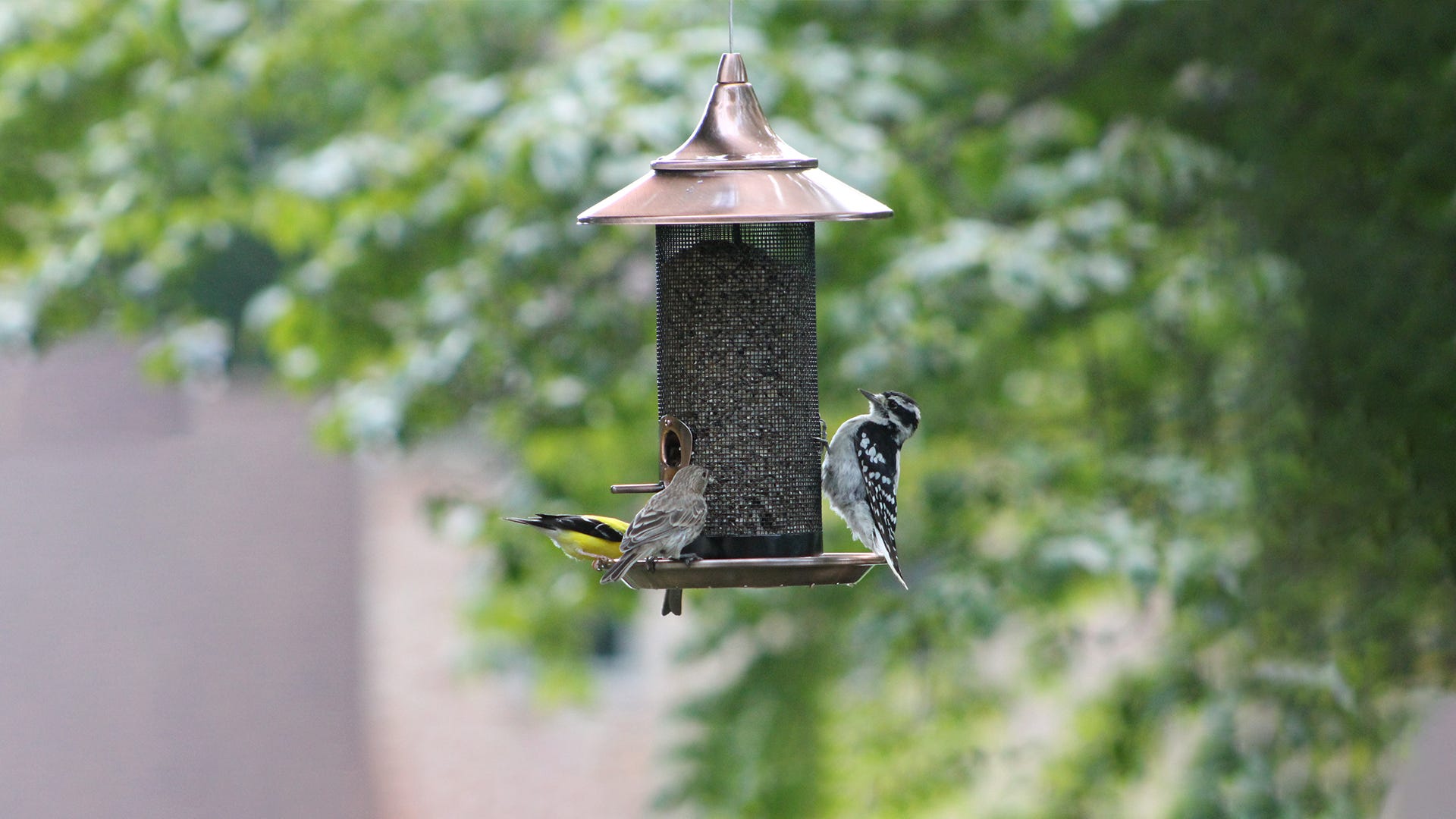
Birds often learn by watching others. If one bird finds your feeder, it could attract more. This is because birds tend to observe and mimic the actions of their peers. Picture a curious sparrow spotting your feeder and trying it out. Other birds in the area might notice this behavior and decide to join in. This chain reaction can quickly turn your feeder into a bustling avian hotspot.
Communication And Signals
Birds don't just rely on sight; they communicate through various signals. Chirps, calls, and even certain postures can alert fellow birds to new food sources. Imagine watching a group of finches at your feeder. One might let out a specific call that signals others to come over. This type of communication is crucial for birds to share information about food availability. Have you ever wondered if birds gossip about new feeders? In a way, they do. Their ability to communicate and learn socially ensures they don't miss out on new opportunities. Next time you set up a feeder, observe how quickly it becomes popular. Notice the dynamics among the birds and think about their clever social strategies. Your backyard is more than just a feeding spot—it's a hub of learning and communication.
Credit: www.perkypet.com
Environmental Factors
Birds have an incredible ability to locate new bird feeders. Environmental factors play a crucial role in guiding them. Understanding these factors helps us better support our feathered visitors. Let's explore how habitat and weather influence their behavior.
Influence Of Habitat
Birds rely on familiar habitats to find food. Dense foliage offers protection and shelter. Open spaces provide clear sightlines for spotting feeders. Trees and shrubs near feeders attract more birds. They feel safer approaching in such environments. Urban areas may present challenges. Yet, birds adapt by finding green spaces. Gardens and parks serve as vital habitats within cities.
Weather And Seasonal Changes
Weather greatly impacts birds' feeding habits. Rain can deter them from visiting feeders. They seek shelter until conditions improve. Windy days might also decrease feeder visits. Birds prefer stable weather for feeding. Seasonal changes influence feeder activity too. During migration, birds search for new food sources. Feeder visits increase as they travel long distances. In winter, food scarcity drives birds to feeders. They rely on these resources to survive cold months.
Human Influence
Birds are naturally curious creatures, but human influence plays a role in their behaviors. People often wonder how birds find new feeders. Several factors contribute to this discovery. One significant factor is human interaction with the environment.
Feeder Placement Strategies
The location of your bird feeder can attract or deter birds. Place feeders in visible areas. Birds scout from perches like trees or rooftops. Ensure feeders are not too exposed. Predators might scare away potential visitors. Some birds prefer feeders near cover like bushes. Others like open spaces for easy access. Consider the type of birds you want to attract. Different species have different habitat preferences.
Impact Of Design And Materials
The design of a bird feeder affects its attractiveness to birds. Bright colors can catch a bird's eye. Red and yellow are especially appealing. The material used also matters. Natural materials like wood blend into the environment. Metal or plastic can stand out more. Ensure the feeder has the right openings for seeds. Birds need easy access to food. Some birds prefer specific shapes or styles. Tube feeders may attract small birds. Platform feeders are suitable for larger species.
Common Mistakes To Avoid
Birds may struggle to find a new feeder if it's in a hidden spot. Bright colors can help attract them. Avoid placing feeders too close to windows to prevent accidents. Adding seeds they like can make them visit more often.
Finding a new bird feeder can be a delightful experience for birds, but there are common mistakes you might make that could lead to a barren feeder. Avoiding these pitfalls can enhance the chances of your feathered friends visiting your feeder. Let's delve into some frequent missteps that could hinder birds from discovering your feeder.
Missteps In Feeder Placement
Where you place your feeder can greatly affect its visibility and attractiveness to birds. Consider the surroundings. If your feeder is obscured by dense foliage, birds may not even see it. Place it in a clear area where it can be spotted easily from the sky and nearby trees. Safety is another crucial aspect. Avoid placing feeders too close to windows where birds might collide. A friend once shared how she placed her feeder too close to her patio, leading to unfortunate accidents. Keeping feeders a safe distance from obstacles can make them more appealing. Lastly, avoid placing feeders near areas with heavy foot traffic. Birds appreciate a quiet, undisturbed space to feed. If your feeder is too close to your barbecue spot or busy deck, birds might be hesitant to visit.
Ignoring Local Bird Preferences
Understanding the preferences of local bird species can significantly increase the number of visitors to your feeder. Different birds have different tastes. Some prefer seeds, while others might be drawn to nectar or suet. If your feeder isn't stocked with the right food, birds might pass it by. Research the common bird species in your area and cater to their preferences. Birds also have varying feeding heights. Some like to feed high up, while others prefer ground level. Adjust the height of your feeder accordingly. Lastly, consider the type of feeder. Tube feeders might attract finches, while platform feeders could be more appealing to cardinals. Choose a feeder type that suits the birds in your area. Could your feeder be more enticing if you understood these bird preferences better? Taking a moment to think about local bird habits could transform your feeder into a bustling hub of activity.
Frequently Asked Questions
How Do Birds Locate New Feeders?
Birds use their keen eyesight and memory to spot new feeders. They notice changes in their environment and follow the movements of other birds. Bright colors and movement can attract their attention. Once one bird finds a feeder, others often follow, creating a chain reaction.
Do Birds Remember Feeder Locations?
Yes, birds have excellent memory and can remember feeder locations. They rely on visual cues and familiar landmarks. Birds often return to areas where they previously found food. Consistent feeding times and locations help birds remember and revisit feeders regularly.
What Attracts Birds To A Feeder?
Birds are attracted to feeders by food type, color, and location. Offering a variety of seeds and suet can draw different species. Placing feeders near trees or shrubs provides safety and visibility. Brightly colored feeders and those with movement can also catch a bird's eye.
How Long Does It Take For Birds To Find A Feeder?
Birds can find a new feeder within a few hours or days. The time varies based on the feeder's visibility and location. Placing feeders in open, safe areas increases the likelihood. Regularly checking and filling the feeder encourages frequent visits.
Conclusion
Birds find new feeders using sight and sound. Their keen eyes spot bright colors and movement. They listen for familiar chirps from other birds. Curiosity often leads them to explore new areas. Once they discover food, they remember the location.
Over time, they learn to trust regular feeding spots. Patience is key for those setting up feeders. Birds take time to adapt to new environments. Keep feeders clean and stocked to attract visitors. Soon, your garden will be a favorite spot for our feathered friends.
Watching them find your feeder is a joyful experience. Enjoy the beauty of nature!