


Imagine you're enjoying a sunny afternoon in your garden, watching birds flutter from tree to tree. It's a peaceful scene, right?
But have you ever wondered if these delightful creatures face threats from tiny pests like ticks? You might be surprised to learn that ticks don't just feast on mammals; they can also latch onto birds. Understanding this interaction is crucial, especially if you care about the health of your garden's wildlife and your surroundings.
By the end of this article, you'll uncover the hidden dynamics between birds and ticks, and discover how this impacts not only your local ecosystem but also your own wellbeing. Stay tuned, because this information might just change the way you see your feathery visitors and their tiny, unwelcome hitchhikers.
Ticks And Their Hosts
Ticks are small parasites that feed on the blood of their hosts. They play a crucial role in the ecosystem by helping control animal populations. Ticks are found in various environments, from dense forests to urban gardens. Understanding their hosts helps in managing tick populations and preventing diseases.
Common Hosts For Ticks
Ticks latch onto a wide range of animals. Common hosts include mammals like deer, mice, and dogs. They prefer hosts that provide ample blood supply and warmth. Larger mammals often serve as adult tick hosts. Smaller mammals are usually hosts for younger ticks.
Birds As Potential Hosts
Birds can also serve as tick hosts. They play a key role in tick life cycles. Certain bird species travel long distances, spreading ticks over wide areas. This movement can introduce ticks to new environments, increasing the risk of spreading tick-borne diseases. Some birds have adapted to coexist with ticks, while others are more susceptible to infestations.
Bird nests provide a perfect environment for ticks. The warmth and protection make nests ideal for tick development. Ticks on birds can lead to health issues in avian populations. Studying birds as hosts helps in understanding tick ecology and control measures.

Credit: en.people.cn
Types Of Ticks
Birds are not immune to ticks. These tiny pests cling to feathers and skin, feeding on their blood. But not all ticks are the same. Two main types are hard ticks and soft ticks. Each has unique features and behaviors.
Hard Ticks
Hard ticks are common. They have a tough outer shell. This makes them durable. Hard ticks attach for long periods. They often stay on a host for days. Their feeding process is slow but steady. Hard ticks are found in grassy areas. They prefer warm climates. They can transmit diseases like Lyme disease. This makes them a concern for wildlife.
Soft Ticks
Soft ticks differ from hard ticks. They lack a hard shell. Their bodies are more flexible. Soft ticks feed quickly. They attach for shorter times. Often, they feed at night. Soft ticks are found in burrows and nests. They prefer dry environments. These ticks can spread diseases too. Relapsing fever is one such disease. Birds are susceptible to soft ticks.
Ticks Feeding On Birds
Ticks can feed on birds, attaching to their skin for a blood meal. These tiny parasites may spread diseases between birds. Birdwatchers and pet owners should check for ticks to protect avian health.
Ticks feeding on birds might not be the first thing you think of when you hear about these pesky parasites. Yet, many bird species are indeed hosts to ticks. This interaction can have significant effects on the health of the birds and the spread of tick-borne diseases. If you enjoy bird watching, it’s essential to understand how ticks affect our feathered friends. Recognizing the role birds play in the tick's life cycle can offer insights into broader ecological dynamics.
Species Of Birds Affected
Not all birds are equally affected by ticks. Some, like the American Robin and the Eastern Bluebird, are more susceptible due to their habitats and behaviors. Ground-feeding birds are particularly vulnerable since ticks often wait in grassy areas for a host to pass by. Even migratory birds can become tick carriers, transporting these parasites across long distances. This can affect the spread of tick-borne diseases far beyond local ecosystems. Have you ever wondered if the birds in your backyard could be hosting ticks?
Impact On Bird Health
Ticks can significantly impact bird health, especially if infestations are heavy. Birds may experience discomfort, anemia, or weakened immune responses due to blood loss. Some birds might even show reduced reproductive success. In extreme cases, tick infestations can lead to severe health issues or death. It’s crucial for bird enthusiasts to be aware of these risks, as it could change the way you observe and interact with birds. Are the birds in your area showing signs of tick-related stress? Understanding these interactions can shape how we approach bird conservation and tick management. By staying informed, you can contribute to healthier ecosystems and support the birds that bring so much joy to our lives.
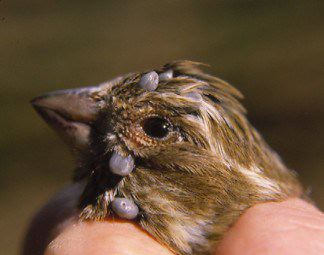
Credit: www.hiltonpond.org
Ecological Implications
Ticks often feed on birds, affecting ecosystems by spreading diseases. Bird movements can carry ticks to new areas, altering local habitats and wildlife dynamics. Understanding these interactions helps in managing ecological balance and protecting biodiversity.
Ticks are not just a nuisance for humans and pets; they also have significant ecological implications when they feed on birds. This interaction goes beyond mere annoyance and can impact the balance of ecosystems. Understanding the relationship between ticks and birds helps us see the broader picture of how wildlife and pests interact.
Tick-bird Relationship
The tick-bird relationship is more complex than it appears. Ticks attach to birds for nourishment, using them as mobile hosts to spread across various regions. Birds inadvertently become carriers, transporting ticks over long distances and across diverse habitats. This movement can introduce ticks to new areas, increasing their population and affecting local wildlife. Consider how one bird, carrying ticks, can impact an entire ecosystem. Could this relationship alter the dynamics of your local environment?
Effects On Bird Populations
Ticks can affect bird populations in several ways. They can weaken birds by feeding on their blood, leading to anemia and decreased vitality. In some cases, tick infestations can cause distress and affect the reproductive success of birds. This impact can lead to a decline in bird numbers, altering the balance of the ecosystem. Have you noticed fewer birds in your area? It's worth considering how tick infestations might play a role in this change.
By understanding these ecological implications, you gain insight into the delicate balance of nature. How can you contribute to protecting bird populations and maintaining ecological harmony?
Research And Studies
Research and studies on ticks feeding on birds are growing. Scientists are keen to understand these interactions. Knowing how ticks affect birds can help in controlling diseases. Many researchers have conducted studies to explore this relationship.
Recent Findings
Recent studies show that many bird species host ticks. These birds carry ticks during migration. This helps ticks spread over large areas. Some birds seem more prone to tick infestation. Scientists are trying to find out why.
Methodologies Used
Researchers use various methods to study ticks on birds. They often capture birds in nets. This helps in examining the birds closely. Scientists also collect ticks directly from birds. Molecular techniques identify tick species and pathogens.
Field observations are crucial. They provide real-world data on bird-tick interactions. Some studies use radio tracking. This tracks bird movements and identifies tick spread patterns.
Preventing Tick Infestations In Birds
Ticks can be a threat to birds. These parasites attach themselves to birds and feed on their blood. Infestations can lead to illness and discomfort for birds. Preventing tick infestations is crucial for maintaining healthy bird populations.
Habitat Management
Maintaining a clean environment is essential. Ticks thrive in overgrown areas. Regularly trim grass and shrubs. Remove leaf litter and debris. This reduces tick hiding spots. Keep bird feeders and nests in clear areas. Encourage birds to stay in tick-free zones. This minimizes their exposure to ticks.
Use Of Tick Repellents
Using tick repellents can protect birds. Choose repellents safe for avian species. Apply them to areas where birds frequent. This creates a barrier against ticks. Ensure repellents do not harm birds. Consult experts for suitable products. Repellents help reduce tick infestations significantly.
Future Directions
The study of ticks feeding on birds opens new paths for research. Understanding the dynamics helps in controlling tick-borne diseases. Scientists explore how birds play a role in spreading ticks. This knowledge is crucial for protecting wildlife and humans.
Areas For Further Research
Researchers should study tick species that prefer birds. Discovering these species helps in predicting outbreaks. Investigating the impact of climate change on tick-bird interactions is essential. Changes in temperature might alter tick behavior and distribution. Analyzing how migratory patterns affect tick spread can provide insights. It may help in developing effective control strategies.
Potential Solutions
Developing bird-safe repellents could minimize tick infestations. These repellents must be harmless to the birds. Creating tick-resistant bird habitats is another solution. These environments can deter ticks from thriving. Regular monitoring of bird populations helps in early detection. This can prevent the spread of tick-borne diseases.

Credit: wildlife.org
Frequently Asked Questions
Do Ticks Commonly Feed On Birds?
Yes, ticks do feed on birds. Birds can be hosts for ticks, providing a blood meal. This interaction helps ticks complete their life cycle. While feeding, ticks can sometimes transmit diseases to birds.
Can Birds Transport Ticks To New Areas?
Yes, birds can transport ticks to new areas. As birds migrate, they carry ticks over long distances. This can contribute to the spread of tick populations and tick-borne diseases.
Which Bird Species Are Most Affected By Ticks?
Ground-nesting birds are often more affected by ticks. Species like quails and pheasants frequently encounter ticks in their habitats. These birds are more likely to carry and transport ticks.
Do Ticks Harm Birds Significantly?
Ticks can harm birds by transmitting diseases. They can cause anemia due to blood loss. In severe infestations, ticks can affect a bird's health and behavior.
Conclusion
Birds can be hosts for ticks. These tiny parasites feed on their blood. Ticks find birds attractive for easy transport. They hitch a ride to new areas. This spreads tick-borne diseases widely. Bird migration aids ticks in crossing borders. Birdwatchers should be cautious during outings.
Protect yourself and birds from tick bites. Use proper clothing and tick repellent. Check for ticks after outdoor activities. Stay informed about tick hotspots near you. Bird health matters for ecosystem balance. Everyone plays a part in controlling tick spread.
Stay aware and enjoy nature safely.