


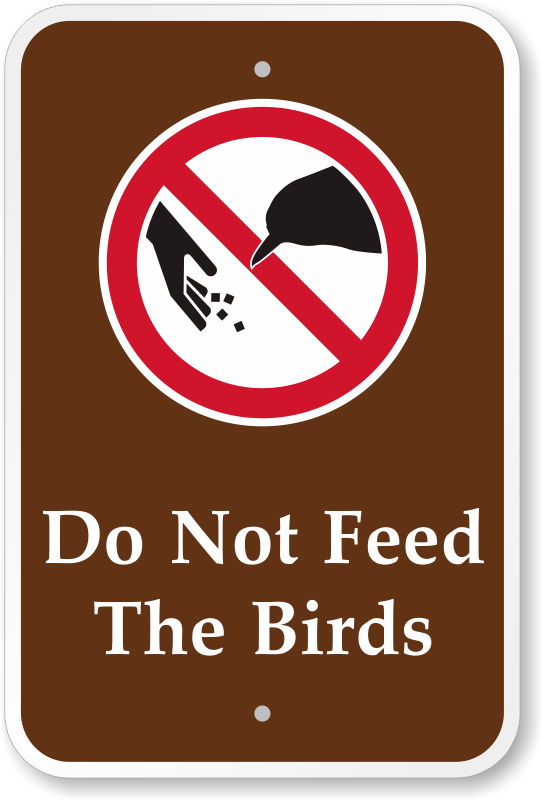
Imagine stepping into a serene park, the sound of chirping filling the air, only to spot a "Do Not Feed the Birds" sign. You might wonder why a simple act of feeding birds is discouraged.
It's natural to want to help these creatures, but the truth behind this sign might surprise you. Understanding the reasons can change how you interact with nature and make you a responsible nature lover. We'll uncover the hidden truths and essential reasons behind this seemingly simple sign.
Stay with us as we explore how a small change in your actions can have a big impact on the environment and the well-being of local wildlife.
Impact On Bird Health
Feeding birds might seem kind, but it can harm them. Human food affects their health. This simple act has long-lasting effects. Understanding these impacts is crucial.
Nutritional Imbalance
Birds need specific nutrients for good health. Human food often lacks these nutrients. Bread, chips, and snacks provide little nutrition. Birds eating these foods miss essential vitamins. Their diet becomes unbalanced. This can lead to poor health and growth problems.
Dependency On Human Food
Feeding birds regularly makes them dependent. They rely on humans for food. This changes their natural behaviors. Birds stop seeking their natural food sources. This dependency weakens their survival skills. In the wild, this could be dangerous. They might struggle without human food.
Disruption Of Natural Behavior
The presence of a "Do Not Feed the Birds" sign often raises questions about its necessity. While feeding birds may seem like an act of kindness, it can lead to significant disruptions in their natural behavior. Human interference, even with good intentions, can alter birds' instincts and affect their survival.
Altered Migration Patterns
Feeding birds can disrupt their natural migration patterns. When birds find an easy food source, they might delay or completely skip their migration. This can be detrimental as they miss essential breeding grounds or warmer climates.
Think about the geese you often see at local ponds. If they find ample food, they may decide to stay put, exposing themselves to harsh winter conditions they aren't equipped to handle. This can lead to increased mortality rates.
Have you noticed fewer migratory birds in your area during certain seasons? It could be a result of altered migration patterns. By following the “Do Not Feed the Birds” sign, you play a part in ensuring these birds stick to their natural routes, crucial for their survival.
Changes In Feeding Habits
When birds become reliant on human-provided food, their natural feeding habits change. They may begin to favor processed foods over their natural diet, which lacks essential nutrients. This can lead to health problems and weakened immune systems.
Picture the ducks at your local park eagerly gobbling up bread. This isn't just an amusing sight—it’s a dietary shift that could harm them. Bread offers little nutritional value, potentially causing malnutrition.
Ask yourself: Would you want your diet to consist solely of junk food? Similarly, birds need a balanced diet to thrive. By respecting the sign, you help maintain their natural feeding habits, crucial for their health and longevity.
Your small actions, like refraining from feeding birds, can have a big impact on preserving their natural behavior. Are you ready to contribute to their well-being by respecting the "Do Not Feed the Birds" sign? Your efforts matter more than you might think.
Environmental Consequences
Feeding birds can disturb their natural diet, leading to health issues. Unnatural food causes them to rely less on natural foraging. This disrupts local ecosystems, affecting bird populations and other wildlife.
Feeding birds might seem like a harmless act. It's a simple gesture that many enjoy. However, there are environmental consequences that often go unnoticed. Have you ever wondered what happens to their habitat when food is plentiful in unnatural ways? Or how pollution levels rise due to this seemingly innocent practice?
Habitat Degradation
Feeding birds can lead to habitat degradation. When birds rely on human-provided food, they might flock to certain areas in large numbers. This concentration can damage local vegetation and disturb the ecological balance. Imagine a park where birds gather in droves. The soil erodes from constant trampling, and native plants struggle to survive. It may even lead to invasive species taking over. You might enjoy seeing more birds, but their natural environment suffers. Have you noticed a decline in local flora where birds are often fed?
Increased Pollution
Feeding birds can also increase pollution. You might not realize it, but leftovers and litter accumulate quickly. Think of the excess food that remains uneaten. It attracts pests and leads to foul odors. Plastic wrappers and bags, often left behind, are a common sight in areas popular for bird feeding. This pollution isn't just unsightly. It harms the ecosystem and can pose health risks to both wildlife and humans. Have you ever stumbled upon a pile of litter while looking for a peaceful spot? Consider how your actions impact the environment. Feeding birds may seem benign, but the ripple effects are far-reaching. Are there other ways you can enjoy nature while protecting it?
Credit: www.campgroundsigns.com
Spread Of Disease
Feeding birds might seem harmless, but it can spread diseases. Birds gather in large numbers at feeding spots. This increases the risk of disease transmission. People often overlook the health dangers involved. "Do Not Feed the Birds" signs aim to prevent these issues.
Transmission Among Birds
When birds share food, they also share germs. Close contact helps diseases spread quickly. Bird feeders and parks become hotspots for infections. Contaminated surfaces and food make it worse. Healthy birds can catch diseases easily in such environments.
Risks To Human Health
Bird diseases can also affect humans. Some infections can transfer from birds to people. Handling bird feeders or bird droppings increases this risk. Germs can cause illnesses like salmonella or E. coli. People with weak immune systems are at higher risk.
Human-wildlife Conflict
Human-wildlife conflict arises when human actions disrupt natural habitats. Feeding birds in parks or urban areas is a common practice. This seemingly harmless act can lead to serious issues. Birds become dependent on human food, altering their behavior. This disrupts the balance of local ecosystems. The 'Do Not Feed the Birds' sign is more than a polite request. It aims to prevent these conflicts and protect wildlife.
Aggressive Bird Behavior
Feeding birds can lead to aggression. Birds may lose their natural wariness of humans. They might become bold and demanding. This can lead to aggressive behavior towards people. Birds may start fighting each other for food. This disrupts their natural social structures. Aggressive birds can pose safety risks to humans, especially children. These changes in behavior highlight the need for caution.
Negative Impact On Local Ecosystems
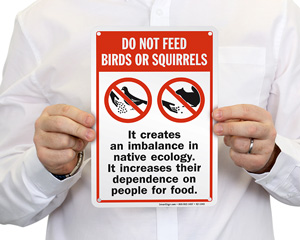
Feeding birds alters their dietary habits. Human food lacks the nutrients they need. This affects their health and reproduction. Birds become dependent on easy food sources. This dependency can lead to overpopulation in certain areas. Overpopulation strains local resources and affects other wildlife. Native plants and animals may suffer from this imbalance. Human intervention can inadvertently harm the ecosystem's delicate balance.
Credit: www.campgroundsigns.com
Educational Initiatives
Educational initiatives play a vital role in promoting the importance of not feeding wild birds. By spreading awareness, communities can better understand the ecological impact and health risks associated with feeding birds. These initiatives aim to engage individuals and encourage responsible interactions with wildlife.
Community Awareness Programs
Community awareness programs are essential in educating local residents about wildlife conservation. These programs often involve workshops, seminars, and interactive sessions at community centers or schools. You might have attended a neighborhood meeting where experts discussed the negative effects of feeding birds.
Such initiatives also use creative methods like local art projects or storytelling sessions to captivate audiences. Imagine children painting signs that remind everyone not to feed birds—these efforts foster a sense of ownership and responsibility. Do you recall a time when a simple sign made you reconsider your actions?
Role Of Conservation Organizations
Conservation organizations are pivotal in driving educational campaigns. They often collaborate with local governments to place informative signs and distribute pamphlets. These organizations also host events and activities that highlight the importance of preserving natural habitats.
Consider the impact of a local birdwatching tour organized by a conservation group. Participants learn firsthand about the birds’ natural behaviors and the consequences of disrupting their diet. How often do you think about the long-term effects of your actions on wildlife?
By participating in these initiatives, you contribute to a collective effort to protect our feathered friends. Next time you see a ‘Do Not Feed the Birds’ sign, remember the community behind it striving to make a difference.

Credit: www.istockphoto.com
Frequently Asked Questions
Why Are "do Not Feed The Birds" Signs Important?
"Do Not Feed the Birds" signs are crucial for maintaining bird health. Feeding birds human food can harm their digestion. It also disrupts their natural foraging behavior. Additionally, overfeeding can lead to overpopulation and dependency on humans. These signs help preserve natural ecosystems and protect bird species.
What Happens If You Feed Birds In Public Areas?
Feeding birds in public areas can cause several issues. It attracts large flocks, leading to overpopulation. This can result in aggressive behavior and increased disease spread. Human food is often unhealthy for birds. It disrupts their natural diet and foraging habits.
This can negatively impact their overall health and survival.
Can Feeding Birds Harm Their Environment?
Yes, feeding birds can harm their environment significantly. It leads to overpopulation and pollution from excess waste. This can damage local vegetation and water sources. Overfeeding disrupts natural food chains and ecosystems. It also attracts pests like rats and insects.
Keeping ecosystems balanced is essential for all wildlife.
What Types Of Food Are Harmful To Birds?
Many common human foods are harmful to birds. Bread is particularly bad as it lacks essential nutrients. Salty snacks can lead to dehydration and kidney failure. Sugary foods can cause obesity and metabolic issues. Processed foods often contain additives harmful to birds.
It's best to let birds find their natural diet.
Conclusion
Signs telling us not to feed birds are important. They protect birds and people. Feeding can harm birds' health. It also changes their natural habits. Birds might depend too much on humans for food. This can cause problems later. Signs help us remember to let birds find their own food.
It keeps them safe and strong. By following these signs, we respect nature. We help keep the environment balanced. Next time you see a sign, think twice. Let birds be wild and free.