


Have you ever watched birds and wondered about their fascinating behaviors? One intriguing question that often comes up is whether male birds feed female birds.
It might seem like a small detail in the grand tapestry of nature, but it's a behavior that can reveal a lot about bird relationships, mating rituals, and survival strategies. Understanding this can deepen your appreciation for the natural world and might even change the way you see the birds in your backyard.
Stick around, because what you learn might just surprise you and make your next bird-watching experience even more rewarding.
Credit: www.wildbirdsgpw.com
Courtship Feeding
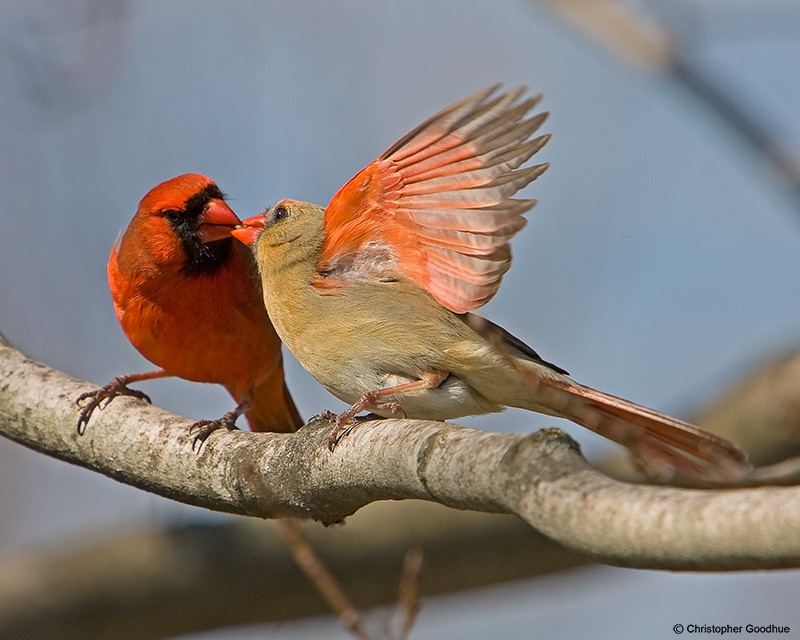
Male birds often engage in courtship feeding, offering food to females as a part of mating rituals. This behavior helps build trust and bond between potential mates. It also demonstrates the male's ability to provide, which is crucial for female birds when choosing a partner.
Courtship feeding is a fascinating behavior observed in the avian world, where male birds offer food to female birds. This ritual is not just an act of kindness; it plays a crucial role in mate selection and bonding. Understanding why and how this occurs can shed light on the intricate dynamics of bird relationships.
How Does Courtship Feeding Begin?
In the early stages of courtship, male birds often present food items to females as a show of their ability to provide. This act demonstrates the male’s strength and resourcefulness. It’s like saying, “Look, I can take care of you.”
What Types Of Food Are Offered?
Male birds typically offer food that is easily accessible and nutritious. This might include insects, seeds, or small fruits. The quality and abundance of the offering can influence the female’s choice.
Why Do Female Birds Accept The Food?
Females may accept the food to assess the suitability of the male as a mate. Accepting food also helps strengthen the pair bond. It’s a practical way to ensure a reliable partner for raising future chicks.
Does Courtship Feeding Affect Mating Success?
Yes, males who are successful in courtship feeding often have better mating success. Females are more likely to choose males that consistently provide high-quality food. This behavior indicates a higher chance of survival for their offspring.
Personal Experience: Observing Courtship Feeding
I once watched a male cardinal offering sunflower seeds to a female in my backyard. Each time she accepted a seed, he seemed to puff up with pride. It was a small gesture, yet it spoke volumes about their connection.
What Can We Learn From Courtship Feeding?
This behavior highlights the importance of providing and sharing in relationships. It prompts us to consider how acts of giving can build trust and mutual respect. Could this be a lesson applicable to human relationships too? Understanding courtship feeding can change how you view the natural world. Next time you see birds in your garden, you might notice these interactions with a new perspective. What else might these feathered creatures teach us about partnership and care?
Credit: www.reddit.com
Behavior In Different Species
Male birds often play a vital role in feeding females. The behavior varies among species. It can affect mating success and offspring survival. Let's explore different bird species.
Songbirds
In songbirds, males often feed females during courtship. This behavior strengthens their bond. Males may bring insects or seeds. These gifts show their ability to provide. Feeding can continue into the nesting period. It helps females conserve energy for egg-laying and incubation.
Waterfowl
Male waterfowl rarely feed females directly. They protect their mates instead. Males guard food-rich areas. This ensures females can eat undisturbed. Their presence deters rivals and predators. This strategy supports the female's health and future offspring.
Raptors
Raptors, like hawks and eagles, show unique feeding behavior. Males hunt and provide food for females during nesting. This ensures females can stay with their eggs. Hunting skills of the male are crucial for family survival. The female relies on his success for nourishment.
Reasons For Feeding
Have you ever watched birds and wondered why male birds sometimes feed females? Their actions go beyond just sharing a meal. There are fascinating reasons behind this behavior that highlight the dynamics of bird relationships. From attracting mates to strengthening bonds, the act of feeding plays a crucial role in the avian world.
Attracting Mates
Male birds often use feeding as a strategy to attract potential mates. It's like offering a gift to win someone's affection. By providing food, males demonstrate their ability to gather resources, showcasing their strength and suitability as partners. This act isn't just about survival; it's about creating a connection. Imagine yourself in their shoes, would you be impressed by a partner who shows care and reliability?
Some male birds even go to great lengths to find the best and most nutritious food for their chosen female. This dedication can set them apart from other suitors. In the bird world, a well-fed female is more likely to choose a mate who ensures her needs are met.
Strengthening Bonds
Beyond attracting mates, feeding also helps strengthen bonds between bird pairs. Sharing food builds trust and cooperation. You might recall a time when sharing a meal with someone deepened your connection with them. Similarly, birds use feeding to reinforce their relationship, ensuring that both partners are invested in their shared future.
Feeding can also be a way for birds to communicate their commitment. It's a daily reminder that they’re in it together. This mutual support is vital for raising offspring and facing challenges as a pair. Have you ever thought about how simple acts of kindness, like sharing food, can fortify relationships in both human and bird lives?
Understanding the reasons behind male birds feeding females offers a glimpse into the intricate world of avian relationships. It's fascinating how these small gestures can play such a significant role in attracting mates and strengthening bonds.
Impact On Reproduction
Male birds play a crucial role in reproduction. They often provide food to females during mating. This behavior impacts the reproductive success of many species. Feeding helps females conserve energy for egg production. It also strengthens the bond between mating pairs. Such interactions enhance nesting success and chick development.
Nesting Success
Nesting success greatly depends on male assistance. Males often gather materials for nest building. Their efforts help create a safe home for the eggs. When males feed females, it allows them to stay on the nest longer. This increases the chances of egg survival. A well-fed female can better protect and incubate her eggs. Her energy is focused on nurturing the next generation.
Chick Development
Chick development benefits from male feeding. With adequate nutrition, females produce healthier eggs. After hatching, the chicks need constant feeding. Males often help by bringing food to the nest. This shared responsibility ensures chicks grow strong and healthy. It reduces the stress on the female. Both parents working together boosts the survival rate of the young.
Evolutionary Perspectives
Male birds often feed females during courtship, showcasing their commitment and ability to provide. This behavior strengthens pair bonds and increases the chances of successful reproduction. Feeding rituals can vary among species, highlighting diverse evolutionary strategies in avian relationships.
Understanding the roles that male birds play in feeding females offers fascinating insights into evolution. This behavior isn’t just a charming quirk; it's a strategic adaptation that has developed over time. Males feeding females can impact survival, reproduction, and ultimately, the success of their species.
Role Of Food Exchange In Courtship
In many bird species, males provide food to females as part of their courtship ritual. This act is not merely about nourishment but also about demonstrating their ability to be a good provider. Imagine a male bird bringing a tasty morsel to a potential mate. This gesture says, "I can take care of you and our future offspring." The female gauges the male's capacity to forage and support her during nesting.
Impact On Female Choice
Have you ever wondered how female birds choose their mates? The answer often lies in the male’s ability to provide. Females might prefer males who offer the best food, indicating their strength and skill. This selection ensures that their chicks inherit superior genes. By prioritizing males who feed them, females enhance the likelihood of their offspring thriving.
Ensuring Offspring Survival
Feeding doesn’t stop at courtship; it extends to the nesting period. Some males continue to bring food to their mates while they incubate eggs. This support allows females to conserve energy and stay with the eggs, leading to better hatching success. It’s a cooperative effort that boosts the chances of their young surviving in a competitive world.
Influence On Male Competition
The competition among males to be the best provider is fierce. Males that excel in foraging and feeding are often more successful in securing mates. This competition drives the evolution of better skills, benefiting the species as a whole. Have you noticed how birds in your backyard seem to compete for attention? This behavior isn’t just about looks; it’s about showcasing their capabilities.
Adaptations Across Species
Not all bird species exhibit the same feeding behaviors, but the evolutionary pressures remain. In species where males don’t feed females, other strategies come into play. However, in those that do, it often results in more robust populations. These behaviors have evolved differently depending on environmental demands and ecological niches.
Questions To Ponder
Consider this: if you were a female bird, what qualities would you prioritize in a mate? Would his ability to feed you tip the scales in his favor? Reflecting on these questions can deepen your appreciation for the intricate dance of evolution. By examining these behaviors, you gain a richer understanding of nature’s complexities. Observing birds through this lens can transform a simple birdwatching experience into a journey through evolutionary history.
Observing The Behavior
Male birds often feed females during courtship to show their strength and ability to provide. This behavior strengthens their bond and increases the chances of mating success. Observing such interactions reveals fascinating aspects of avian relationships.
Observing the behavior of male birds feeding females can be a fascinating and rewarding experience. It offers a glimpse into the unique dynamics of avian relationships. You may wonder why these feathered creatures engage in such a nurturing act. This behavior showcases the intricate mating rituals and survival strategies that birds employ. Let’s dive deeper into how you can witness this firsthand.
Field Studies
Researchers often head out into the wild with binoculars and notebooks. They meticulously record every detail of bird interactions. They observe how male birds present food as part of courtship rituals. This act helps strengthen the bond between potential mates. Imagine standing quietly in a lush forest, feeling the excitement of spotting a male bird carefully feeding his chosen partner. You become part of the scene, witnessing nature's wonders. Many studies have shown that food sharing is a sign of healthy mating prospects. It can also indicate the male's ability to provide, a crucial factor for females in selecting a mate. You might find it intriguing to know that even small changes in food availability can impact these behaviors.
Amateur Birdwatching
You don't need to be a professional to enjoy birdwatching. Grab a pair of binoculars and head to your local park or nature reserve. You can observe birds in their natural habitat, engaging in feeding rituals. Keep a journal of your observations. Note the types of birds, their behaviors, and any food-sharing you witness. This practice enhances your understanding of their world. Join a local birdwatching group. Sharing experiences can deepen your knowledge and make the hobby more enjoyable. Discuss the feeding behaviors you’ve seen and learn from others’ insights. Have you ever noticed how certain times of the day bring out different bird activities? Early mornings or late afternoons might reveal more feeding behaviors. Adjust your birdwatching schedule to maximize your chances of witnessing these fascinating interactions. Next time you’re out observing birds, ask yourself: what can I learn from their interactions? How do they decide who gets fed? Your curiosity will lead to a deeper appreciation of these captivating creatures.
Debunking Myths
Birdwatchers often wonder about the behaviors of male birds. A common question arises: do male birds feed females? Myths surrounding this topic abound. Some people believe male birds are solely providers. Others think males never assist females. Let’s unravel these myths and get to the truth.
Myth 1: Male Birds Always Feed Females
Not all male birds feed females. Some species have males that actively provide food. Others do not. It's specific to each bird species. Observing their natural habits helps clarify this behavior.
Myth 2: Only Males Feed During Courtship
Feeding during courtship is not exclusive to males. Females sometimes share food too. This act strengthens their bond. It’s a mutual exchange rather than a one-sided affair.
Myth 3: Feeding Equals Love
Feeding does not always signify affection. In some cases, it’s a survival tactic. Birds may share food to ensure health. It's practical, not purely emotional.
Myth 4: All Bird Species Exhibit Same Feeding Habits
Feeding habits vary across species. Some male birds feed more than others. Environmental factors influence these behaviors. Understanding species-specific habits helps demystify these actions.

Credit: theraptorlab.wordpress.com
Frequently Asked Questions
Do Male Birds Provide Food For Females?
Yes, male birds often feed females, especially during courtship. This behavior strengthens pair bonds. It also ensures the female is well-nourished for egg-laying. In some species, males bring food to females sitting on nests. This cooperation boosts reproductive success.
Why Do Male Birds Feed Female Birds?
Male birds feed females to court them and form bonds. This feeding shows the male's ability to provide. It enhances the female's health for breeding. This behavior is common during mating seasons. It plays a crucial role in reproductive success.
What Species Show Males Feeding Females?
Species like cardinals and bluebirds show males feeding females. In these species, males bring food to females. This behavior occurs during courtship and nesting. It strengthens pair bonds and aids reproductive success. Such behavior is common in many bird species.
Is Feeding A Sign Of Bird Courtship?
Yes, feeding is often part of bird courtship. It helps build trust between mates. By feeding, males show their ability to provide. This behavior enhances pair bonding. It is crucial for successful breeding. Many bird species exhibit this during mating seasons.
Conclusion
Male birds sometimes feed females during courtship. This act strengthens their bond. It also shows the male's ability to provide. Not all bird species do this. But many do. It's a fascinating behavior to observe. Feeding can also occur during nesting.
This helps the female focus on egg care. Watching birds can teach us a lot. It's a reminder of nature’s wonders. Next time you spot birds, look closely. You might see this caring act. Understanding bird behavior enriches our connection with nature.
Keep observing and learning from these amazing creatures.