


Have you ever wondered if hummingbirds, those mesmerizing tiny creatures with their iridescent feathers and rapid wing beats, continue their feeding frenzy after the sun sets? This question might pique your curiosity, especially if you enjoy watching them flit about your garden during the day.
Understanding the feeding habits of hummingbirds can transform your nighttime garden experience and may even change the way you attract these enchanting birds to your yard. We'll explore whether these little marvels feed under the cover of darkness and what that could mean for your backyard birdwatching adventures.
Keep reading to uncover the secrets of hummingbird behavior and learn how you can create an inviting environment for them, day or night.
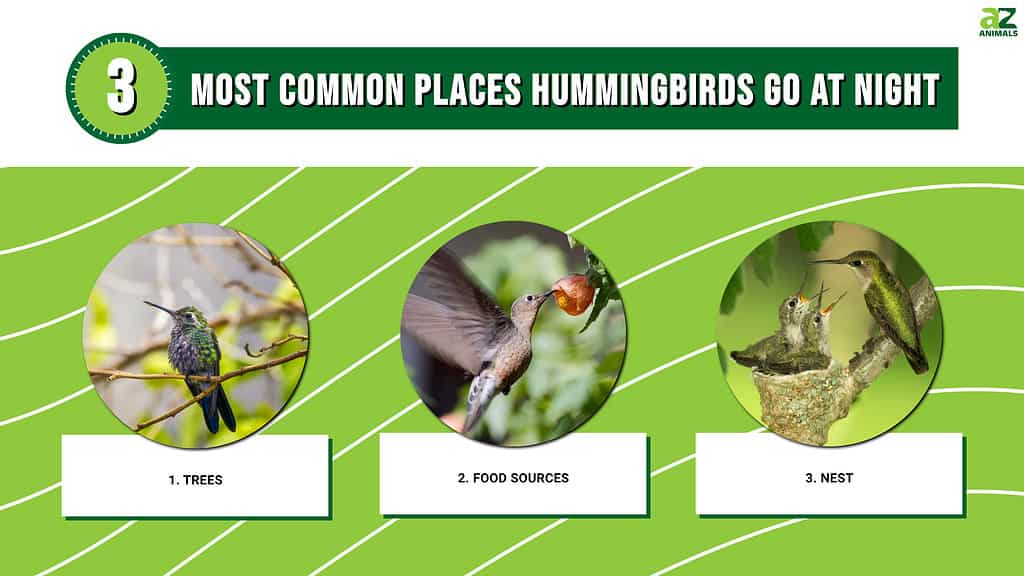
Credit: a-z-animals.com
Hummingbird Feeding Habits
Hummingbirds are tiny, vibrant creatures with fascinating feeding habits. They flit from flower to flower, sipping nectar with their long beaks. Observing these habits provides insight into their daily routines and survival strategies. Understanding their feeding patterns can help attract them to your garden.
Do Hummingbirds Feed At Night?
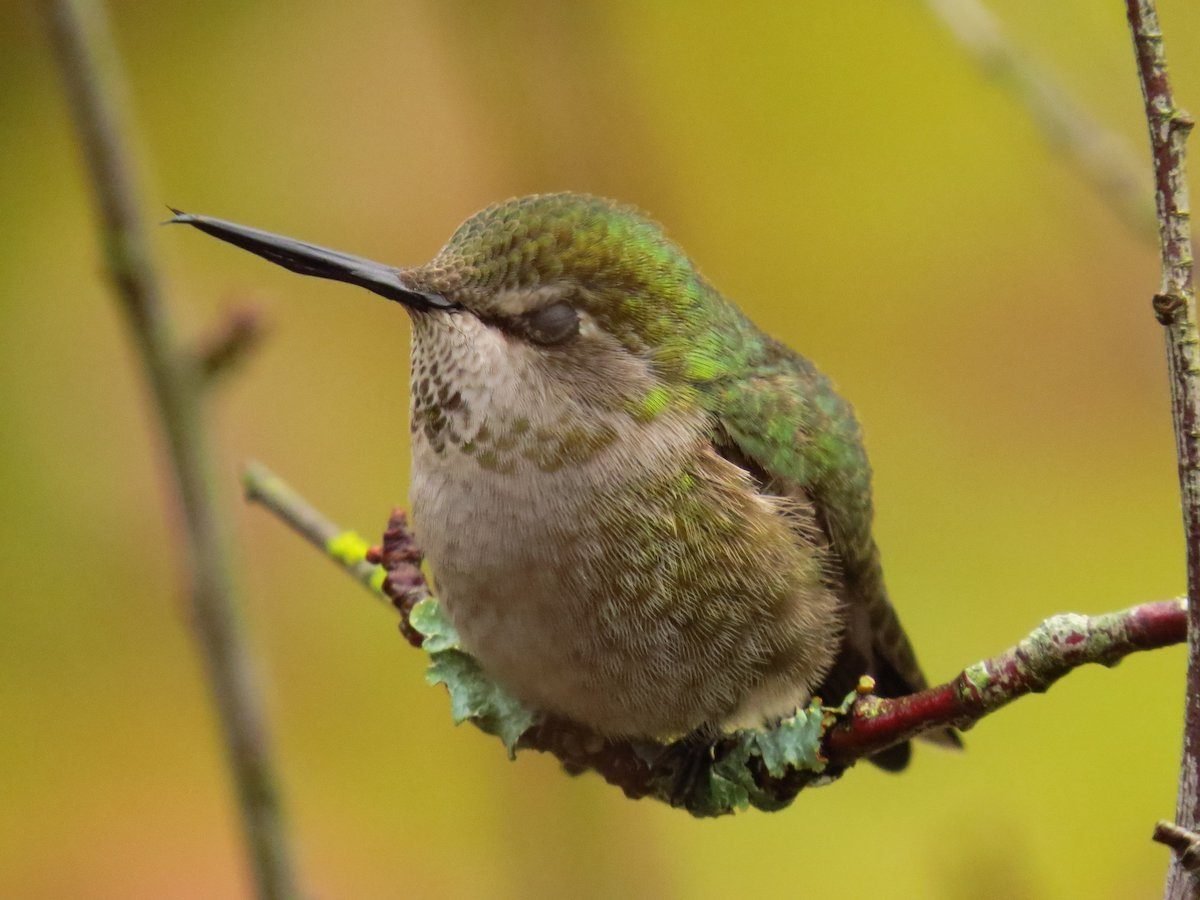
Most hummingbirds rest at night. They conserve energy by entering a state called torpor. Torpor is like a deep sleep, slowing their metabolism. This helps them survive cold nights. But some may feed at night, especially near artificial lights. These lights can confuse them, making them active.
Daytime Feeding Patterns
Hummingbirds feed frequently during the day. They visit flowers and feeders to refuel. Their high metabolism requires constant energy intake. They can visit hundreds of flowers daily. Early morning and late afternoon are peak feeding times.
The Importance Of Nectar
Nectar is crucial for hummingbirds. It provides the sugar energy they need. They prefer flowers with rich nectar supplies. Red and tubular flowers attract them most. Gardeners can plant these to encourage visits. Providing feeders filled with sugar water is also effective.
Alternative Food Sources
While nectar is primary, hummingbirds eat insects too. Insects offer protein and nutrients. They catch small insects mid-flight or pick them from leaves. This diet balance supports their health and growth. Understanding their food needs helps create a welcoming habitat.
Daytime Feeding Patterns
Hummingbirds usually feed during the day when flowers are open. At night, they rest and conserve energy. They might feed at night if artificial lights attract them, but it's rare.
Understanding the daytime feeding patterns of hummingbirds can give you a deeper appreciation for these tiny, energetic creatures. Their feeding habits are fascinating and often quite predictable, making it easier for you to enjoy watching them. By recognizing these patterns, you can ensure your garden or balcony is a welcoming spot for hummingbirds throughout the day.
Typical Daytime Schedule
Hummingbirds are early risers. They begin feeding at dawn, looking for the first available nectar. You might notice them visiting feeders or flowers as the sun rises, taking advantage of the cooler morning air. Their feeding continues throughout the day, with a peak in mid-morning and late afternoon. These times coincide with the availability of nectar in flowers, as plants often produce more nectar during these periods. Observing these patterns, you can strategically place feeders in areas that catch the morning and afternoon sun, ensuring a steady stream of visitors.
Frequent Feeders
Did you know that hummingbirds need to eat every 10-15 minutes? Their high metabolism requires constant energy intake. This means they visit multiple feeding sites throughout the day. To support this frequent feeding, consider adding multiple feeders in different locations. This not only helps them find food easily but also reduces territorial disputes among them. Remember, a varied environment can mimic the natural habitat they thrive in, encouraging them to return frequently.
Adapting To Changes
Hummingbirds are incredibly adaptable. If weather conditions or food sources change, they adjust their feeding habits accordingly. For instance, on cooler days, they might feed less frequently but take in more nectar per visit. You might notice changes in their behavior during different seasons too. In the fall, they bulk up in preparation for migration, visiting feeders more often. By observing these changes, you can gain insights into their adaptive strategies and ensure your garden meets their needs year-round.
Encouraging Daytime Visits
Want more hummingbirds during the day? Consider planting native flowers that bloom at different times. This provides a consistent nectar source from morning till evening. Additionally, keep your feeders clean and full. A well-maintained feeder is more likely to attract hummingbirds than one that is neglected. By making these small changes, you create a welcoming environment that encourages hummingbirds to visit and feed throughout the day. Have you noticed any unique feeding patterns in your garden? Share your observations and make your space a haven for these delightful creatures.
Nighttime Behavior
Hummingbirds are fascinating creatures with unique behaviors. During the day, they flit around gardens, feeding on nectar. But what about at night? Do they feed or rest? Understanding their nighttime behavior can reveal much about these tiny birds.
What Do Hummingbirds Do At Night?
Hummingbirds rest at night, conserving energy for the next day. They enter a state called torpor, where their metabolism slows down. This helps them survive when food isn't available.
Do Hummingbirds Feed At Night?
Hummingbirds rarely feed at night. Their vision is not suited for nighttime activity. They rely on daylight to find flowers and nectar.
What Is Torpor?
Torpor is a deep sleep that saves energy. During torpor, a hummingbird's heart rate drops. Its body temperature decreases. This state helps them maintain energy levels overnight.
Do Artificial Lights Affect Hummingbirds?
Artificial lights can confuse hummingbirds. They may mistake them for daylight. This might disturb their natural rest cycle.
Can Hummingbirds Feed At Night In Some Conditions?
In rare cases, hummingbirds might feed at night. This happens only if they find bright flowers under artificial lights. Otherwise, nighttime feeding is uncommon.
Credit: www.birdsandblooms.com
Factors Influencing Night Feeding
Hummingbirds are fascinating creatures. Their feeding habits are influenced by various factors. Night feeding is uncommon but can occur under certain conditions. These factors affect their decision to feed during the night.
Temperature And Climate
Warm nights encourage hummingbirds to feed. Cold temperatures slow them down. In warmer climates, they might feel more active. Night feeding could be a survival strategy. Mild weather increases their energy levels. They need to maintain their body temperature.
Availability Of Food Sources
Food source availability plays a crucial role. Flowers that bloom at night attract them. Limited food during the day can push them to feed at night. Night-blooming plants offer nectar when daytime sources are scarce. Artificial feeders can also attract them.
Predator Avoidance
Predator presence influences their feeding patterns. Nighttime offers safety from some predators. Less visibility at night can be an advantage. They avoid daytime threats by feeding at night. Quiet nights are less risky for these tiny birds.
Scientific Observations
Hummingbirds usually feed during daylight. Nighttime feeding is rare. They rely on flowers and feeders for nectar. Some species may feed at dusk or dawn. Most hummingbirds rest at night to save energy for the next day.
Scientific Observations When pondering whether hummingbirds feed at night, scientific observations provide fascinating insights. Researchers have spent countless hours studying these tiny creatures, uncovering behaviors that are as surprising as they are informative. Understanding these behaviors can help you appreciate the complexity and adaptability of hummingbirds.
Research Findings On Nighttime Feeding
Studies have shown that most hummingbirds feed during daylight, relying on the sun to fuel their high-energy needs. However, certain conditions may prompt them to feed at night. On rare occasions, artificial lighting near feeders can entice them to take a nocturnal sip.
The Role Of Torpor In Energy Conservation
Hummingbirds use a state called torpor to conserve energy during the night. This allows them to lower their metabolic rate dramatically, almost like a deep sleep. Have you ever wondered how they survive without eating for hours? Torpor is the answer, offering them the ability to endure the night without food.
Observations In Urban Environments
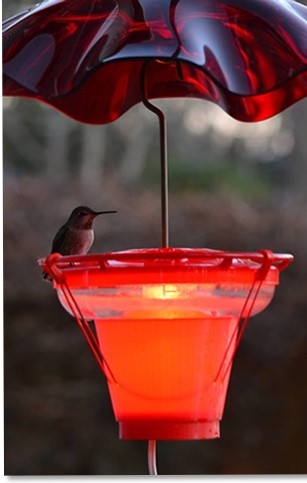
In urban areas, hummingbirds might adapt to nighttime feeding due to streetlights or porch lights. This behavior is more of an exception rather than the norm. Next time you see a hummingbird at night, ask yourself: Is it adapting to artificial conditions?
Impact Of Seasonal Changes
During migration, some species may extend their feeding hours into the night. This is particularly true when days are shorter, and they need to maximize their energy intake. Imagine the challenge of traveling hundreds of miles; wouldn't you want to fuel up as much as possible?
Personal Observations And Citizen Science
Have you ever watched a hummingbird feeder after sunset? Many bird enthusiasts report occasional sightings of these birds feeding at dusk. These personal observations can contribute valuable data to citizen science projects. Why not try observing your feeder at different times and share your findings? By understanding these scientific observations, you can gain a deeper appreciation for the adaptability and resilience of hummingbirds. Their behavior is a testament to nature's ingenuity, offering a glimpse into the complex lives of these remarkable creatures.
Credit: langley.wbu.com
Common Myths And Misconceptions
When it comes to hummingbirds, many myths cloud our understanding of these vibrant creatures. People often wonder if these tiny birds feed at night, leading to various misconceptions. Let’s clear the air and uncover the truth about hummingbirds and their feeding habits.
Hummingbirds Are Nocturnal Feeders
One prevalent myth is that hummingbirds feed during the night. This misconception likely stems from observing other nocturnal creatures. In reality, hummingbirds are diurnal, meaning they are active during the day.
They rely on daylight to spot colorful flowers and feeders. Have you ever tried finding your way in the dark? Imagine a hummingbird doing the same!
Artificial Light Attracts Hummingbirds At Night
Some believe that artificial light can lure hummingbirds to feed at night. It's a tempting thought, given how light attracts many insects. But hummingbirds don't feed after sunset, regardless of artificial lighting.
They need to conserve energy overnight. Any unusual nighttime activity could disrupt their rest and impact their well-being.
Nighttime Feeding Is Necessary For Survival
Another common misconception is that hummingbirds must feed at night to survive. These birds have a fascinating adaptation called torpor, allowing them to conserve energy during sleep.
It's like their own version of hibernation, ensuring they maintain energy without needing nighttime snacks. Isn't nature incredible in how it equips creatures for survival?
All Birds Have Similar Feeding Patterns
Many assume all birds share similar feeding habits, including nighttime activity. Hummingbirds are distinct; their fast metabolism requires frequent feeding during daylight hours.
Next time you see a hummingbird zipping around, remember their feeding schedule is unique. Their energy bursts are something to marvel at during the day!
Now that you know the truth about hummingbirds, you can appreciate their daytime feeding routine. What other misconceptions have you heard about these fascinating birds?
Impact On Ecosystem
Hummingbirds, with their vibrant colors and rapid wing beats, are not just a delightful sight. Their feeding habits play a crucial role in the ecosystem. Understanding their nocturnal feeding can shed light on their impact.
Role In Pollination
Hummingbirds are key pollinators. Their search for nectar leads them to various flowers. As they feed, their beaks and feathers collect pollen. They then transfer this pollen from one bloom to another. This process helps many plants reproduce. Nighttime feeding allows them to pollinate flowers that bloom at night. This benefits certain plants that rely on nocturnal pollinators. Their activity supports diverse plant growth, contributing to a healthy ecosystem.
Interactions With Other Species
Hummingbirds interact with various species. They compete with insects and bats for nectar. These interactions affect food availability and plant choice. Predators, like owls, may hunt them at night. Their presence influences predator-prey dynamics. Their nocturnal feeding impacts the feeding patterns of other species. This ripple effect shapes the ecosystem's balance. Understanding these interactions helps in preserving biodiversity.
Tips For Observing Hummingbirds
Hummingbirds rarely feed at night. Their tiny bodies rest to conserve energy after a busy day of foraging. Observing them during daylight offers the best chance to see their vivid colors and swift movements.
Observing hummingbirds can be a delightful experience. These tiny birds captivate with their vibrant colors and rapid movements. Many people wonder if hummingbirds feed at night. With proper setup, you can observe these fascinating creatures even after sunset. Below are some tips to enhance your hummingbird-watching adventures.
Setting Up A Nighttime Feeder
Choose a location for your feeder with good visibility. Ensure the area is safe from predators. Use a feeder designed for hummingbirds. Fill it with fresh nectar regularly. Hang the feeder near a window or porch. This will allow easy observation. Install a soft light nearby. It should be gentle and not too bright. This will help hummingbirds find the feeder. Check the feeder often. Keep it clean to prevent mold.
Best Practices For Bird Watching
Be patient. Hummingbirds are cautious and may take time to appear. Sit quietly near the feeder. Loud noises can scare them away. Use binoculars for a closer view. This helps see their intricate details. Keep a journal. Note the times they visit and their behaviors. Avoid sudden movements. These can frighten hummingbirds. Respect their space. Never attempt to touch or capture them. Enjoy the peacefulness of watching nature unfold. Observing hummingbirds can be a rewarding hobby. `
Frequently Asked Questions
Do Hummingbirds Feed During Nighttime?
Hummingbirds typically feed during the day when flowers are open. However, in some areas, they might visit feeders at night, especially if artificial lights are present. This behavior is more common during migration or in regions with longer daylight hours.
Why Do Hummingbirds Visit Feeders At Night?
Hummingbirds may visit feeders at night due to artificial lighting or during migration. Lights can extend their feeding hours. Migration increases their energy needs, prompting nighttime feeding when nectar sources are scarce.
Can Hummingbirds See In The Dark?
Hummingbirds have limited night vision compared to their daytime sight. They rely more on available light sources. While they can navigate in low light, they prefer feeding in well-lit conditions or during daylight hours.
What Attracts Hummingbirds At Night?
Artificial lights near feeders can attract hummingbirds at night. These lights help them locate food sources easily. Additionally, during migration, their increased energy requirements make them seek food even after dark.
Conclusion
Hummingbirds rarely feed at night. They are most active during daylight. These tiny birds rely on sunlight for energy. At night, they rest and conserve energy. Sometimes, they might feed in moonlight if there's enough nectar. This happens mostly in warmer climates.
Observing their habits can be fascinating. Daytime is their prime feeding time. Encourage a garden with flowers. This attracts them during their active hours. They bring vibrancy to any garden. So, keep feeders clean and filled. Enjoy watching these beautiful creatures during the day.
Their presence adds a touch of nature's beauty.