


Have you ever watched a flock of birds and wondered if they understand each other? Imagine the rich tapestry of whistles, chirps, and songs filling the air.
It’s like an avian symphony, each bird contributing its unique sound. But do these various notes and calls make sense beyond their own species? This question can spark your curiosity and lead you into a fascinating world of avian communication.
Understanding how birds interact might offer insights into broader themes of communication and connection. Stay with us as we unravel this mystery and explore whether these feathered friends are sharing secrets we have yet to uncover.
Credit: animals.howstuffworks.com
Bird Communication Basics
Birds are fascinating creatures, not just because of their colorful feathers and melodic songs, but also due to their unique ways of communication. Understanding how birds communicate can give you insight into their behavior and interactions. This section will explore the basics of bird communication, focusing on the types of bird calls and the functions of their vocalizations. As someone who enjoys birdwatching, I've often wondered if different species understand each other. This curiosity drives the exploration of how birds use sounds to convey messages.
Types Of Bird Calls
Bird calls can be categorized into several types, each serving a distinct purpose. Alarm calls are sharp and urgent, meant to alert other birds of potential danger. Have you ever noticed how a sudden loud chirp can cause a flock to take flight? It's their instinctive reaction to a warning.
Contact calls, on the other hand, are softer and maintain communication between birds. Next time you're in a park, listen closely; you might hear these calls as birds keep track of each other among the trees.
Then there are territorial calls, which are often complex and loud, marking a bird's territory. Think of them as nature's way of saying, "This is my space!" Each species has its own unique call, ensuring their message is heard clearly.
Functions Of Vocalizations
Vocalizations in birds serve several important functions. They can be a means of attracting mates. Imagine a male bird singing its heart out to impress a potential partner; it's nature's concert of courtship.
Birds also use vocalizations to establish dominance. Have you ever seen two birds facing off, their calls growing louder? It's an audio display of strength and intent, often settling disputes without physical confrontations.
Another crucial function is communication during migration. Birds often travel in large groups, and vocalizations help them coordinate. Picture a group of birds navigating long distances, relying on calls to maintain formation and direction.
As you observe birds and their interactions, consider how these vocalizations affect their daily lives. Do you think birds from different species can understand each other's calls? This question opens up a world of possibilities for understanding bird behavior and communication.
Inter-species Communication
Birds might understand each other's calls and songs across species. Some birds share similar alarm calls or mating signals. These shared sounds could help them communicate about dangers or resources.
Inter-species communication among birds is a fascinating subject that reveals the complex and often surprising ways these creatures interact with each other. While we might assume that different bird species are like different languages, unable to understand each other, research shows there are shared signals and interactions that transcend species boundaries. Have you ever wondered if your backyard robin and the visiting blue jay are communicating in some way?
Shared Signals Among Birds
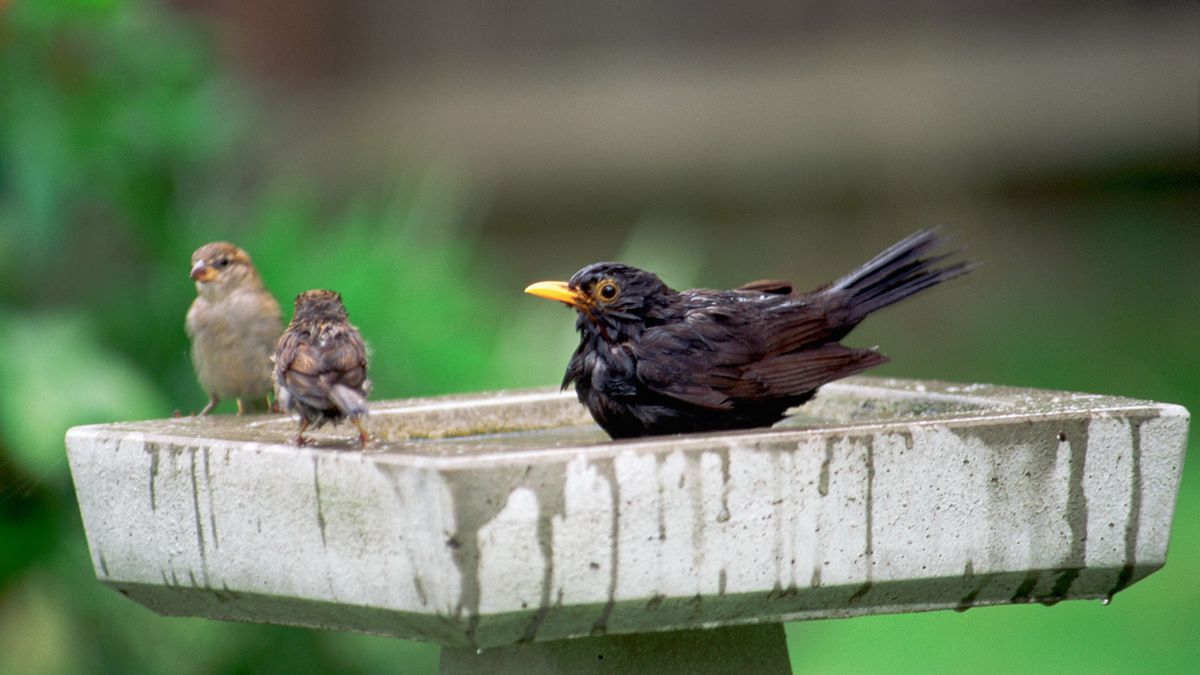
Birds often share common signals that transcend species. Alarm calls, for instance, can alert multiple bird species of a nearby predator. Imagine sitting in your garden, hearing a sudden chorus of bird calls, and realizing it's a communal warning system at work. These shared signals benefit all involved. Birds that heed these alerts are more likely to escape danger, proving the effectiveness of cross-species communication. This cooperation is a survival strategy, showcasing nature’s incredible adaptability.
Examples Of Cross-species Interactions
One captivating example is the mutual relationship between the oxpecker and large mammals like rhinos. The oxpecker's calls alert the rhino to approaching threats, while the bird feasts on the parasites on the rhino’s skin. This interaction shows that communication extends beyond just birds to other animals as well. Have you noticed how mixed flocks of birds often feed together? Sparrows, finches, and buntings frequently join forces. Their combined numbers confuse predators and increase their chances of survival, highlighting a form of inter-species teamwork. Consider this: what other surprising alliances exist in your local environment? Observing birds and their behaviors can offer insights into the complex web of communication in nature. Next time you watch birds, look for these interactions and shared signals, and think about the stories they're telling each other. Understanding these interactions can offer valuable lessons in cooperation and communication. So, what can you learn from the birds in your backyard?
Research And Observations
Birds have fascinated humans for centuries with their diverse communication skills. Scientists and bird enthusiasts alike have long been curious about interspecies communication among birds. Research and observations in this area provide intriguing insights. They explore whether different bird species can understand each other.
Studies On Bird Communication
Recent studies have delved into the complexity of bird calls and songs. Researchers have examined how birds from different species respond to each other's vocalizations. Some birds demonstrate an ability to understand warnings or mating calls from unrelated species. Experiments have shown that birds often react to alarm calls from other species. This suggests a level of understanding across different bird communities.
Bioacoustics research employs technology to analyze these bird interactions. Scientists use audio recordings to study patterns in bird communication. They aim to uncover how birds interpret sounds from other species. This research is crucial for understanding the ecological dynamics of bird populations. It also helps in conserving habitats by identifying crucial communication cues.
Insights From Field Observations
Field observations provide valuable insights into bird communication. Birdwatchers often report seeing mixed-species flocks cooperating for feeding or protection. In these flocks, birds seem to communicate through shared signals. Observers have noted how birds use visual cues alongside vocal ones to convey messages. This interaction hints at an understanding beyond mere sound recognition.
Experienced birdwatchers document these interactions in various habitats. Their observations contribute to understanding bird behavior in natural settings. They have observed birds mimicking calls of other species to gain advantages. Such behaviors indicate a complex communication network among birds. These insights are critical for bird conservation efforts worldwide.

Credit: animals.howstuffworks.com
Factors Influencing Understanding
Bird communication is a fascinating subject. Birds use calls and songs to share information. But do different species understand each other? Many factors influence this understanding. Environmental influences, social structures, and hierarchies play a role. Understanding these factors helps us learn more about bird communication.
Environmental Influences
The environment affects bird communication. Birds living in noisy areas have louder calls. This helps them communicate over the noise. Birds in quiet areas have softer calls. Trees, mountains, and water bodies shape how sound travels. Dense forests can muffle sounds. Open fields allow sound to travel farther. Birds adapt their calls based on their surroundings. This adaptation can influence understanding between species.
Social Structures And Hierarchies
Birds often live in groups. These groups have social structures and hierarchies. Leaders in a flock often have distinct calls. These calls signal dominance or alert others to danger. Some species learn calls from others in their group. This learning can help birds understand different species. Social interactions within groups also affect understanding. Birds that often interact may understand each other better.
Implications For Conservation
Birds sometimes understand each other's calls, impacting conservation efforts. This understanding can help mixed-species flocks cooperate to avoid predators. Protecting diverse habitats may support these interactions, aiding conservation.
Understanding how different species of birds communicate has profound implications for conservation efforts. The rich tapestry of avian communication could hold the key to preserving diverse ecosystems. By deciphering these interactions, we can make informed decisions to protect bird species and their habitats.
Enhancing Habitat Connectivity
Birds rely heavily on well-connected habitats for survival. Imagine watching two different species of birds interacting in a shared space, each understanding the other's cues. This mutual understanding can lead to shared resources and reduced competition. Creating corridors between habitats can facilitate such interactions. It’s like opening up a highway for birds, allowing them to travel safely between feeding and breeding areas. Think about how you feel when a path opens up for you – it’s freeing. Birds experience similar freedom, which boosts their chances of survival.
Supporting Biodiversity
Biodiversity thrives when species understand and coexist with each other. Birds play a crucial role in this balance. When you hear a symphony of bird songs, each species contributes to the ecosystem's health. Their interactions can influence plant growth and insect populations. Consider the thrill of spotting a rare bird species in your local park. That excitement stems from the biodiversity that birds help sustain. By supporting these interactions, you’re preserving the intricate web of life that surrounds us. Could understanding bird communication be the secret to unlocking more effective conservation strategies? By focusing on these interactions, you can foster environments that support diverse life forms.

Credit: www.cbc.ca
Future Directions
As you ponder whether different species of birds can understand each other, imagine the exciting future this field holds. With the rapid advancement of technology, the possibilities for new discoveries are endless. Researchers and enthusiasts alike are on the brink of uncovering fascinating insights that could reshape our understanding of avian communication.
Advancements In Technology
Technology is the driving force behind modern research. Tools like AI and machine learning are revolutionizing how we study bird communication.
Imagine using drones equipped with high-definition audio recorders. These can capture intricate bird songs and calls from remote areas that are otherwise unreachable.
These recordings can be analyzed for patterns and nuances, potentially revealing how birds of different species interact. Have you ever wondered if your backyard birds are having conversations you can't comprehend?
Potential New Discoveries
Each technological leap opens doors to potential discoveries. We could uncover shared communication methods across species.
Researchers might find universal signals or calls that convey common messages like danger or food availability. This could revolutionize how we view ecosystems and the interconnectedness of species.
Consider the impact on conservation efforts. If we understand how birds communicate across species, could we better protect endangered birds by fostering environments that support these interactions?
Your thoughts and actions today could contribute to these discoveries tomorrow. What role do you see yourself playing in this exciting journey? The future of avian communication is not just for scientists; it's for everyone who listens to the birds' melodies and wonders what they might be saying.
Frequently Asked Questions
Can Birds Of Different Species Communicate?
Birds of different species often communicate through universal signals. These include body language and alarm calls. While they may not understand each other fully, these signals help in identifying threats and food sources.
Do Birds Use Similar Calls Across Species?
Certain calls, especially alarm calls, are understood across species. These calls signal danger or alert nearby birds. However, each species has unique calls for mating and territory.
How Do Birds Learn To Understand Other Species?
Birds learn by observing and interacting with other species. Living in mixed-species flocks helps them recognize common signals. Experience and adaptation enhance their understanding.
Do All Birds Respond To Alarm Calls?
Most birds respond to alarm calls as a survival instinct. These calls warn them of nearby predators. However, the response may vary based on familiarity and threat level.
Conclusion
Birds communicate in fascinating ways. Some species understand each other's calls. This helps them share important information. For example, warning about predators. Yet, not all bird species communicate across types. Each species has its own language. Understanding bird communication can teach us more about nature.
It shows the complexity of wildlife interactions. Birds' communication methods are unique and diverse. Observing them can be quite enlightening. Nature holds many secrets, and bird communication is one. So next time you hear birds, think about their hidden conversations.
There's much more to learn from our feathered friends.