


Imagine waking up to the vibrant song of a cardinal bird, its brilliant red feathers catching the first light of dawn. These captivating birds have likely made a lasting impression on you with their striking appearance and melodious tunes.
But have you ever wondered where these winged wonders go when the seasons change? Do cardinal birds migrate, or do they brave the chill of winter? If these questions have ever crossed your mind, you're in the right place. We'll unravel the mystery of cardinal migration, revealing fascinating insights that might just change the way you view these charming creatures.
Prepare to be captivated by nature's secrets as we dive into the world of cardinal birds and their seasonal habits.
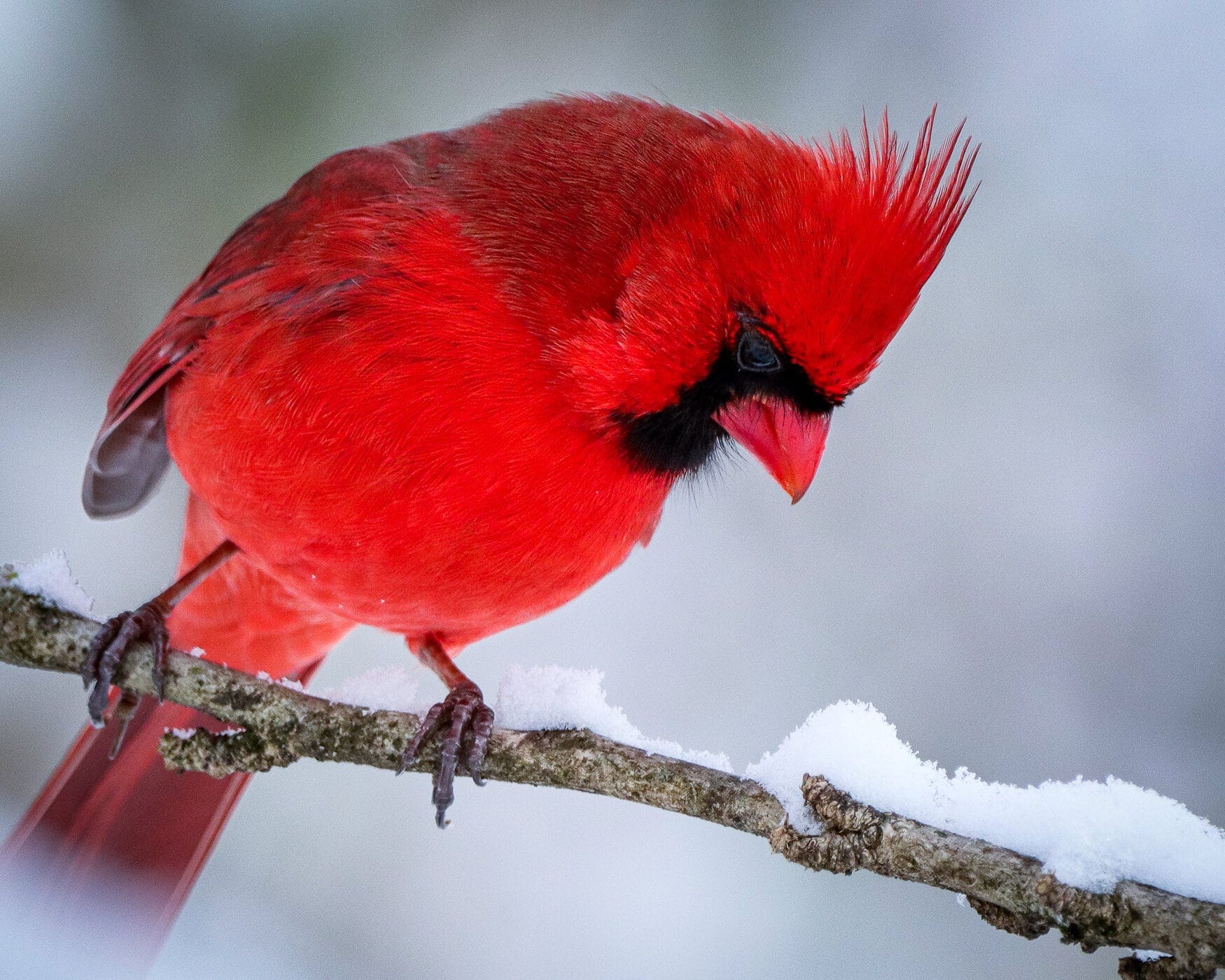
Credit: www.scenichudson.org
Cardinal Birds Overview
Cardinal birds captivate with their vibrant red feathers and enchanting song. They are a common sight in North America. Cardinals are easy to spot due to their striking appearance. These birds are not only beautiful but also fascinating.
They belong to the family Cardinalidae. Cardinals are known for their strong beaks and rich songs. These birds thrive in woodlands, gardens, and shrubs.
Physical Characteristics
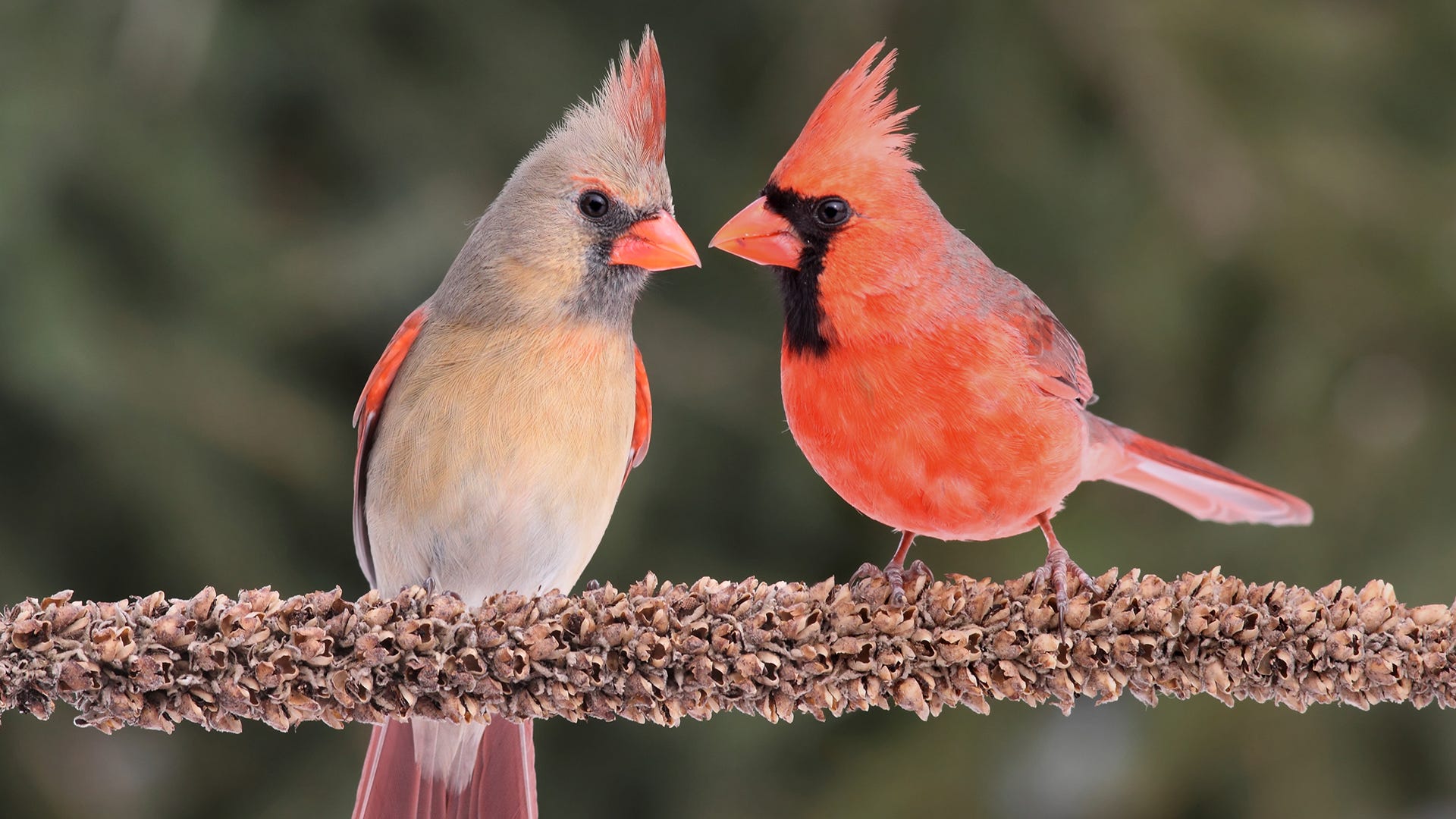
Cardinal birds are medium-sized. Males are bright red, while females are brownish-red. Their beaks are short and thick, perfect for cracking seeds. Cardinals have a distinctive crest on their heads. This crest stands out, especially in males.
Diet And Feeding Habits
Cardinals primarily eat seeds and grains. They also enjoy fruits and insects. Their strong beak helps them access food easily. Bird feeders often attract cardinals. They are not picky eaters but prefer sunflower seeds.
Behavior And Social Structure
Cardinals are territorial birds. Males sing to defend their territory. They are monogamous, often staying with one mate for life. Cardinals are social and may form small flocks. During winter, they are more visible in groups.
Habitat And Distribution
Cardinals thrive in diverse habitats. They prefer woodlands, gardens, and shrublands. These birds are common in eastern North America. Cardinals adapt well to suburban environments. They are often seen in backyards.
Habitat And Range
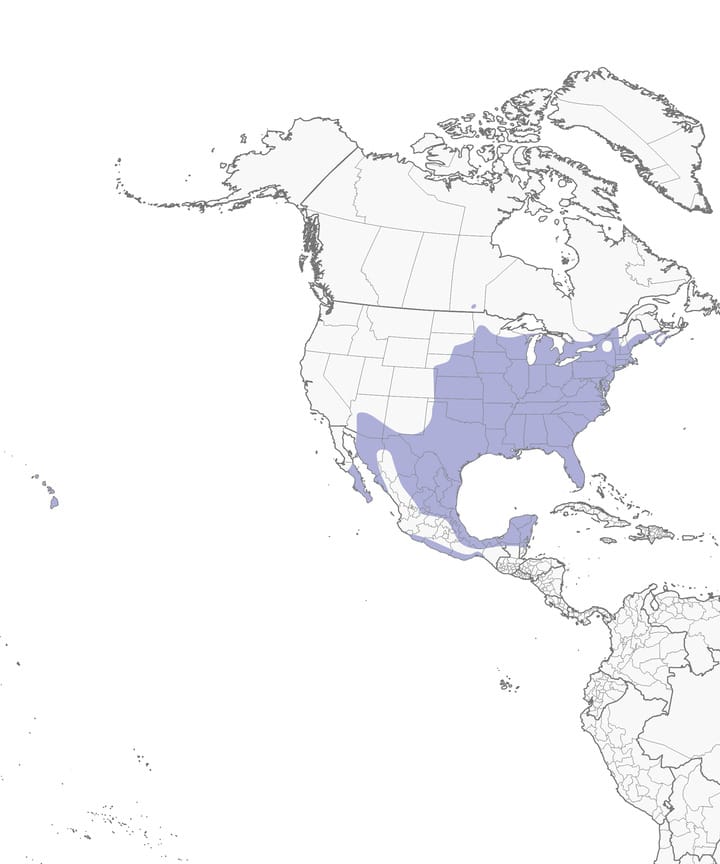
Cardinal birds are non-migratory, staying in their habitat all year. They thrive in woodlands, gardens, and shrublands. Their range extends across the eastern and central United States, as well as parts of Canada and Mexico. These vibrant birds are easily spotted due to their striking red feathers.
Cardinal birds are a fascinating species that captivate bird enthusiasts and casual observers alike. Their vibrant red plumage and distinct song make them a standout in any setting. Understanding their habitat and range can help you appreciate these birds even more, whether you spot them in your backyard or while hiking through nature.
Habitat Preferences
Cardinals are highly adaptable birds. They thrive in various environments, from woodlands and gardens to swamps and city parks. Their ability to adapt to different habitats is a key reason they are so widespread. They prefer areas with dense thickets or shrubs. This provides them with necessary cover from predators and a good supply of food. If you're aiming to attract cardinals to your garden, consider adding thick bushes or hedgerows.
Geographical Range
Cardinals are primarily found in North and Central America. Their range stretches from southern Canada through the United States and down into parts of Mexico. Interestingly, cardinals have been expanding their range northward over the past few decades. Warmer winters and the availability of bird feeders have encouraged them to explore new territories.
Year-round Residents
Unlike many bird species, cardinals do not migrate. They are year-round residents in their range, which means you can enjoy their presence throughout the seasons. This makes them a delightful addition to winter landscapes, where their bright feathers contrast beautifully against the snow. You might wonder how they survive harsh winters without migrating. Cardinals have thick feathers and a strong social structure that helps them endure cold weather. They often gather in groups to conserve warmth and find food.
Adapting To Urban Areas
Cardinals are increasingly making urban areas their home. They are not particularly shy and can adapt well to city life, where they find ample food and nesting sites. Have you noticed cardinals in your neighborhood? Their adaptability to urban settings offers an excellent opportunity for city dwellers to observe these stunning birds up close.
Providing Suitable Habitats
If you want to attract cardinals to your area, consider providing a suitable habitat. Planting native shrubs and trees can offer them the cover they need. You can also set up bird feeders with seeds they prefer, like sunflower or safflower seeds. This not only supports cardinals but also enhances your garden’s ecological diversity. Do you think cardinals might choose your backyard as their home? By making a few simple changes, you can create an inviting environment for these beautiful birds.
Migration Patterns
Cardinal birds are known for their striking red plumage. Unlike many birds, they do not migrate in winter. They adapt to cold by fluffing feathers and seeking shelter, staying year-round in their habitat.
Cardinal birds are a favorite among bird enthusiasts, and understanding their migration patterns can be fascinating. Do these vibrant red birds take to the skies for long journeys like many other species, or do they stay put? Let's dive into the intriguing world of cardinal migration patterns and uncover the truth about their habits.
Understanding Cardinal Migration
Cardinals are unique in their approach to migration. Unlike many birds, they are not known for long-distance migration. Instead, they tend to stay within their range year-round. This means if you've spotted cardinals in your backyard, they're likely to remain there through the seasons. Why do they choose this lifestyle? Cardinals are well-adapted to their environment, finding food and shelter easily.
Regional Variations
While cardinals are generally non-migratory, some regional variations exist. In the northern parts of their range, cardinals may move short distances during harsh winters. This movement is not a true migration but more of a survival strategy. In southern regions, where winters are milder, cardinals are less likely to move. They thrive in these areas, benefiting from a stable climate and abundant resources.
Factors Influencing Cardinal Movement
Several factors can influence whether a cardinal decides to move. Food availability is a significant factor; if natural food sources dwindle, cardinals may seek out new areas. Severe weather conditions can also play a role. Have you ever noticed cardinals disappearing during a particularly harsh winter? They might be relocating temporarily to find better shelter and food. Observing these patterns can provide insights into their behavior and adaptability.
How You Can Help Cardinals In Your Area
If you love having cardinals around, consider making your backyard a welcoming haven. Provide bird feeders with seeds they enjoy, like sunflower seeds and safflower. Ensure there's fresh water available, especially in winter when natural sources may freeze. Planting native shrubs and trees can offer shelter and nesting sites. By creating a cardinal-friendly environment, you encourage these beautiful birds to stay and thrive in your vicinity. Have you ever wondered why some cardinals seem more abundant at certain times of the year? Observing and supporting their needs can lead to rewarding interactions and a better understanding of their subtle movements.
Credit: www.perkypet.com
Factors Influencing Migration
Cardinal birds generally stay in the same area throughout the year. Food availability and climate influence their movement. Sometimes, they may move short distances for better shelter and resources.
Migration is a fascinating aspect of bird behavior, and cardinal birds are no exception. While many birds take flight to warmer climates during the harsh winter months, cardinals often remain in the same area year-round. But what factors influence this decision to migrate or stay put? Understanding these factors can help you appreciate the incredible adaptability of these vibrant birds.
Climate Impact
Climate plays a crucial role in the migration patterns of cardinal birds. In regions with mild winters, cardinals may choose to stay rather than migrate. You might notice cardinals in your backyard even when the temperature drops. This is because they can withstand colder weather, provided it's not extreme. But as climate patterns shift, you may wonder if cardinals will change their habits. Changes in temperature and precipitation can affect their decision to migrate, highlighting the importance of monitoring climate changes.
Food Availability
Food is another significant factor in migration decisions. Cardinals depend on seeds, fruits, and insects for sustenance. If your area provides ample food throughout the year, you’re likely to see these red-feathered friends year-round. In contrast, scarcity of food due to harsh winters or competition may compel them to migrate. Imagine the challenge of seeking food when snow covers the ground. By ensuring food availability, you can encourage cardinals to stay.
Breeding Season
Breeding season is a critical time for cardinals, influencing their movement. Cardinals usually breed in spring and summer, and they prefer areas where conditions are favorable for raising their young. If your region has a nurturing environment during these seasons, cardinals may choose to stay put. They might even return to the same spot each year to breed. Consider the importance of providing safe and suitable nesting spaces in your garden. This can have a direct impact on their decision to remain in your area during breeding season. The factors influencing cardinal migration are closely tied to their survival instincts. As you observe these birds, think about how climate, food, and breeding needs shape their behavior. How might your actions influence their choices?
Survival Strategies
Cardinal birds are known for their vibrant red feathers. But how do these beauties survive harsh winters? Unlike many birds, cardinals do not migrate. They stay put, using clever survival strategies to brave the cold months. These strategies include adapting to the cold and finding food when resources are scarce.
Adaptations To Cold
Cardinal birds have several adaptations to withstand cold weather. Their feathers play a big role. These birds fluff up their feathers to trap warm air close to their bodies. This keeps them warm even when temperatures drop. Cardinals also tuck their heads under their wings to conserve heat. It's an instinct that helps them survive chilly nights.
Finding Food In Winter
Food can be scarce during winter. Cardinals have adapted to find food even in snow. They have strong, thick bills to crack open seeds. This allows them to feed on seeds from various plants. In winter, cardinals often visit bird feeders. These feeders provide an essential source of nutrition. They also forage in bushes and shrubs for berries. Their keen eyesight helps them spot food easily. All these strategies ensure they get enough to eat during cold months.
Behavioral Characteristics
Cardinal birds are known for their vibrant red plumage and cheerful songs. Their behavior is fascinating to observe. These birds do not migrate. They stay in their habitats year-round. Understanding their behavior helps us appreciate their presence in our gardens.
Territorial Nature
Cardinals are territorial birds. Males often claim a space and defend it fiercely. They use songs and calls to warn intruders. This behavior ensures they have enough food and shelter. Watching a male cardinal stand guard is a sight to behold. They often perch high to keep watch.
Social Interactions
Cardinals interact socially, especially during mating season. Their calls are unique and melodic. These birds often form pairs. The pairs communicate with each other through chirps. They show affection by preening each other's feathers. This bond is strong and lasts for life.
Impact Of Human Activity
The vibrant cardinal birds are a beloved sight. Yet, human activities greatly affect their migration patterns. Urbanization and conservation efforts play significant roles in this process. Understanding these impacts helps us preserve their natural beauty.
Urbanization
Cities expand, and natural habitats shrink. Cardinal birds face challenges as urban areas grow. Noise pollution disrupts their communication. Light pollution affects their sleep patterns. Less green space means fewer places to nest. As habitats vanish, cardinals adapt to city life. They find food in gardens and bird feeders. Yet, adaptation isn't always easy. Predators like cats pose new threats. Buildings and cars bring risks of collision. Urbanization alters cardinal migration routes.
Conservation Efforts
Efforts to preserve cardinal habitats are vital. Creating green spaces in cities provides safe havens. Planting native trees and shrubs benefits their survival. Community awareness programs educate about cardinal needs. Protecting wetlands and forests helps maintain migration routes. Bird-friendly practices in agriculture aid their journey. Conservation aims to balance development with nature. Support for conservation projects is growing. People cherish the beauty of cardinal birds. Efforts ensure their continued presence in our lives.
Credit: www.allaboutbirds.org
Frequently Asked Questions
Do Cardinal Birds Migrate In Winter?
Cardinal birds are non-migratory and stay in their habitat year-round. They adapt to cold climates by fluffing up their feathers. This behavior helps them retain body heat and survive harsh winters. Their bright red plumage remains vibrant, making them easy to spot even in snowy conditions.
Where Do Cardinals Go In The Cold Months?
During cold months, cardinals remain in their familiar territories. They seek shelter in dense shrubs, evergreen trees, and thickets. These provide protection from harsh weather and predators. Cardinals often gather in groups to forage for food, ensuring better chances of survival through the winter.
How Do Cardinals Survive Harsh Winters?
Cardinals survive harsh winters by forming flocks and foraging together. They consume seeds, berries, and insects to maintain energy levels. Their plumage provides insulation, and they seek refuge in dense vegetation. By conserving energy and staying in groups, cardinals effectively endure the winter months.
Do Cardinals Change Color In Winter?
Cardinals do not change color in winter. The males retain their bright red plumage year-round. This vibrant color helps them attract mates and establish territory. Females have a more subdued, brownish color with red accents, which remains consistent throughout the year.
Both genders maintain their distinctive appearance.
Conclusion
Cardinal birds stay put during winter months. They don’t migrate like other birds. This behavior makes them unique and fascinating. Cardinals adapt well to cold weather. They find food and shelter easily. Their bright red color brings joy in winter.
Many bird lovers enjoy watching them. Cardinals thrive in various habitats. They are resilient and resourceful. Understanding their habits enhances appreciation. Observing them can be a delightful experience. Keep feeders full to attract these beautiful birds. Enjoy their presence and vibrant plumage.
Cardinals remind us of nature’s wonders.