


Do Birds Feed Their Young With Milk?
Have you ever wondered how birds feed their young? If you're imagining a mother bird with a miniature baby bottle, get ready to be surprised.
When it comes to feeding their chicks, birds have their own unique methods, but do they actually use milk? This intriguing question might just change the way you see our feathered friends. Understanding this fascinating aspect of bird biology not only satisfies your curiosity but might also uncover the secret strategies nature employs to nurture the next generation.
Stick around, because what you discover might just be more captivating than any nature documentary you've seen.
Birds And Their Feeding Habits
Birds have unique ways of feeding their young. Unlike mammals, they do not produce milk. Instead, they regurgitate partly digested food. This provides necessary nutrients for the chicks' growth and development.
Birds have always fascinated us with their unique behaviors, especially how they care for their young. Their feeding habits are particularly intriguing, sparking curiosity about whether birds, like mammals, feed their young with milk. Understanding these habits can deepen our appreciation for the feathered creatures around us.
Understanding Bird Feeding Mechanisms
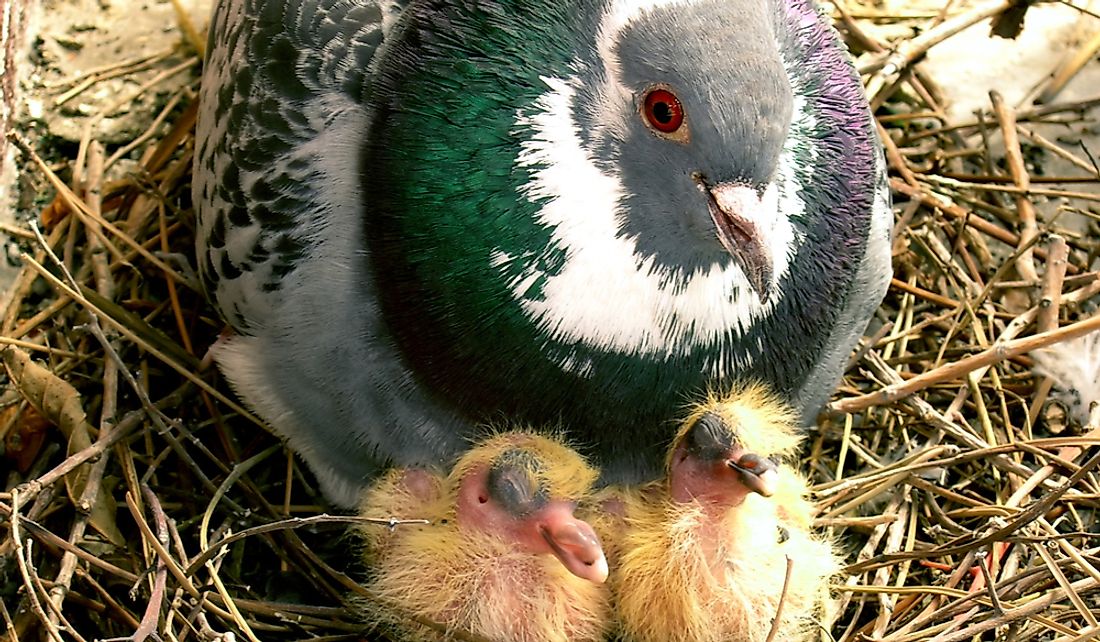
Birds have evolved various feeding mechanisms to nourish their chicks. Most birds regurgitate partially digested food to feed their young. This is a practical way to ensure that the food is soft and easy for the chicks to swallow. Some species, like pigeons, produce a milk-like substance. This "crop milk" is rich in nutrients and provides the necessary sustenance for their growing chicks. Pigeon parents take turns feeding this crop milk to their young until they can digest solid food.
The Role Of Crop Milk
Crop milk is an intriguing adaptation in the bird world. Produced in the crop, a part of the bird's digestive system, this secretion is similar to mammalian milk in its nutritional benefits. Only a few bird species produce it, making it a rare but vital resource for their offspring. You might wonder how a simple bird can produce something so complex. It's all about survival. Crop milk ensures that the young receive high protein and fat content, crucial for their rapid development. The idea that all birds feed their young with milk is a common misconception. Most birds rely on regurgitated food instead. It's a fascinating point that shows nature's diversity in problem-solving. Have you ever watched a bird feeding its chicks? It's a moment of marvel and mystery. Each bird species has its own method, shaped by thousands of years of evolution.
Why It Matters To You
Understanding bird feeding habits can enhance your birdwatching experience. Next time you spot a pigeon or dove, consider how they might be feeding their young. It's a glimpse into the complex and varied world of avian life. This knowledge can also inspire you to protect bird habitats. By ensuring they have safe environments, you support their natural behaviors and the continuation of these fascinating feeding practices. Birds might not feed their young with milk in the way mammals do, but their methods are no less remarkable. Each feeding technique is a testament to the adaptability and ingenuity of birds, offering lessons in survival and care.

Credit: www.reddit.com
Understanding Milk In The Animal Kingdom
Understanding milk in the animal kingdom opens up a fascinating world. Many animals produce milk to nourish their young. This natural process varies across species, offering unique insights.
What Is Milk?
Milk is a nutrient-rich liquid. It is produced by mammals to feed their offspring. Packed with proteins, fats, and sugars, milk provides essential nutrients.
Milk Beyond Mammals
While mammals are known for milk production, some non-mammals do similar things. Certain birds and fish produce milk-like substances. These serve a similar function for feeding the young.
The Unique Case Of Pigeons
Pigeons produce a substance called crop milk. It nourishes their chicks during early growth. This liquid is rich in fat and protein.
Milk Production In Fish
Some fish, like the discus, secrete a milk-like mucus. This mucus feeds their young. It is an exceptional form of parental care in aquatic life.
Why Milk Matters
Milk provides essential nutrients for growth and development. It is crucial for young animals' survival. Understanding milk's role highlights the diversity of life.
The Myth Of Birds Feeding Milk
It's a common myth that birds feed their young with milk. When you hear "milk," you probably think of mammals like cows or humans. But have you ever wondered if birds have their own version of this nurturing practice? Let's dive into this intriguing myth and discover the truth behind how birds actually nourish their young.
The Origin Of The Myth
Where did this myth come from? You might be surprised to learn that some ancient texts and folklore suggest birds produce milk-like substances. These stories were passed down through generations, leading many to believe that birds have similar nurturing habits to mammals.
Birds Vs. Mammals: Feeding Differences
Unlike mammals, birds don't produce milk. Instead, they rely on regurgitation to feed their young. You might find it fascinating that birds, such as pigeons, create a substance known as "crop milk." This isn't milk in the traditional sense but a nutrient-rich fluid produced in their crops.
What Is Crop Milk?
Crop milk is a fascinating biological feature. It's a secretion from the lining of the crop in parent birds. Rich in proteins and fats, this substance provides the essential nutrients needed for the rapid growth of hatchlings. Isn't it amazing how nature has equipped birds with such unique feeding methods?
Real-life Examples
Let's look at pigeons and flamingos. These birds produce crop milk to feed their young. It's a vital part of their nurturing process. Next time you see a pigeon, remember that they might be feeding their chicks this nutritious substance.
Why The Myth Persists
Despite the facts, the myth persists because of its deep roots in culture and misunderstanding. Have you ever believed in something just because "everyone says so"? It's crucial to question and seek the truth, even in the world of birds.
Engaging With Nature
So, next time you're observing birds, think about how they feed their young. It's not with milk but with their own unique methods. How does nature surprise you with its diversity and innovation? Share your thoughts and experiences with bird watching. Let's keep the conversation going!
Avian Alternatives To Milk
Birds are fascinating creatures. They have unique ways of feeding their young. Unlike mammals, birds don't produce milk. Instead, they have developed alternatives. These methods ensure their chicks get the nutrients they need.
Regurgitation Process
Many bird species use regurgitation. Parent birds consume food. They partially digest it in their stomach. Then, they bring it back up for their chicks. This process provides soft, digestible meals. It's essential for young birds who can't eat hard food yet.
Crop Milk Production
Some birds produce crop milk. Pigeons and doves are known for this. The crop is a pouch in their throat. It secretes a nutritious liquid. Crop milk is rich in proteins and fats. It supports the rapid growth of chicks. Both male and female birds can produce it. This method is unique and efficient.
Species Known For Crop Milk
Birds are fascinating creatures with diverse parenting techniques. Some birds are known for feeding their young with a unique substance called crop milk. This milk is not like the milk mammals produce. It is a secretion from the lining of the crop, an expanded part of the esophagus. Certain bird species use this nutrient-rich substance to nourish their chicks during the early stages of life. Let's explore these species in detail.
Pigeons And Doves
Pigeons and doves are famous for producing crop milk. Both parents share the feeding duty. The crop milk is rich in proteins and fats. It provides essential nutrients for the chicks' growth. The young pigeons, or squabs, rely on it entirely during their first days. As they grow, parents mix seeds with the milk for a balanced diet.
Flamingos
Flamingos also produce a form of crop milk. Both male and female flamingos participate in feeding. The milk is red due to the pigments in the flamingos' diet. This milk is vital for chick development. It supplies all the necessary nutrients. Flamingo chicks thrive on this diet until they can eat solid food.
Male Emperor Penguins
Male emperor penguins are unique among birds. They produce a milk-like substance to feed their chicks. During harsh Antarctic winters, the males fast while incubating the eggs. If the female is delayed, males produce this substance. It sustains the chicks until the female returns. This adaptation ensures chick survival in extreme conditions.

Credit: www.audubon.org
Nutritional Value Of Crop Milk
Birds are fascinating creatures, and one intriguing aspect of their care for young ones is the production of crop milk. This substance is unique and plays a vital role in the growth and development of baby birds. Understanding its nutritional value can give us insight into how nature ensures the survival and health of these little winged wonders.
What Is Crop Milk?
Crop milk isn't milk in the typical mammalian sense. It's a secretion produced by certain birds like pigeons, doves, and flamingos. Unlike mammalian milk, crop milk is rich in proteins and fats but lacks carbohydrates. This makes it an excellent energy source for growing chicks.
Rich In Proteins And Fats
The high protein content in crop milk is crucial for building muscles and tissues in young birds. Proteins are the building blocks of life, and baby birds need them to grow strong. Fats in crop milk provide the necessary energy, ensuring the chicks remain active and healthy.
Essential Vitamins And Minerals
Crop milk also contains essential vitamins and minerals that support the development of feathers and bones. Calcium, for example, is vital for bone strength. Vitamins like A and B are important for vision and metabolism. These nutrients ensure that birds grow up to be strong and capable.
Boosting Immunity
Crop milk is known to have immune-boosting properties. It contains antibodies that help protect the young birds from diseases. This natural defense mechanism is crucial during the early stages of life when chicks are vulnerable to infections. Have you ever wondered how a tiny pigeon survives in the wild? Crop milk plays a big part in that.
Personal Experience: Witnessing Crop Milk Feeding
Watching a pigeon feed its young with crop milk is a memorable experience. The dedication and care are palpable. You can see the chick eagerly consuming the milk, gaining strength with every drop. It's a reminder of the wonders of nature and the intricate ways life sustains itself.
Environmental Impact On Crop Milk Production
Interestingly, environmental factors can influence the quality of crop milk. A bird’s diet, stress levels, and habitat conditions can affect the nutritional value of the milk. This raises an important question: How can we ensure birds have the best environment to produce quality crop milk for their offspring?
Understanding the nutritional value of crop milk not only enlightens us about bird care but also inspires curiosity about the broader natural world. What other secrets does nature hold in ensuring the survival of its creatures?
Comparing Crop Milk To Mammalian Milk
Birds have a unique way of nurturing their young. They use a substance known as crop milk. Unlike mammals, birds don't produce milk through mammary glands. Instead, they have evolved a different method to feed their chicks. This leads to intriguing comparisons between crop milk and mammalian milk.
What Is Crop Milk?
Crop milk is a nutritious secretion from birds. It is produced in the crop, a part of the bird's digestive system. This special milk is rich in fats and proteins. It is essential for the growth and development of baby birds. Crop milk is not the same for all bird species. Some birds like pigeons, flamingos, and penguins produce it.
Composition Of Crop Milk
Crop milk contains proteins and fats. It also has immune-boosting properties. These nutrients are crucial for chick survival. The milk provides energy and helps build strong bodies. It is a vital source of nourishment.
How Mammalian Milk Differs
Mammalian milk is produced by mammary glands. It is liquid and typically white. This milk contains lactose, proteins, and fats. It is tailored for the young of mammals. It helps in growth and development. Mammalian milk has a different composition compared to crop milk.
Nutritional Benefits Of Both Milks
Both types of milk offer vital nutrients. Crop milk provides high protein levels. Mammalian milk has lactose for energy. Each milk suits the needs of the offspring it feeds. Both are critical for survival and growth.
Evolutionary Adaptations
Birds and mammals have adapted differently. Birds evolved crop milk for feeding young. Mammals developed mammary glands for milk production. Each adaptation suits the species' environment. It ensures the offspring receive proper nourishment.
Credit: www.worldatlas.com
Common Misconceptions
Many people think birds feed their young with milk. This is not true. Birds produce a substance called "crop milk" to nourish their chicks, but it's not milk like mammals produce.
When you think about birds nurturing their young, you might imagine scenes of parent birds gently feeding their chicks. But there's a fascinating misconception that birds feed their young with milk. This idea has roots in various cultural beliefs and often leads to confusion. Let's dive into some common misconceptions about this topic.
Cultural Beliefs
In several cultures, stories and myths suggest that birds produce a milk-like substance to nourish their young. Perhaps you've heard tales of pigeons producing "milk" to feed their chicks. These beliefs stem from observations of specific bird behaviors, like pigeons regurgitating food, which looks similar to how mammals feed their young. It's easy to see how such behaviors could be misunderstood as milk feeding. Growing up, I remember my grandmother telling me a story about birds nurturing their babies with milk. At the time, it seemed magical. These tales, though charming, don't align with the scientific facts. They often reflect the wonder and mystery surrounding the natural world rather than reality.
Scientific Clarification
Scientifically speaking, birds do not produce milk like mammals. However, some birds, like pigeons and doves, create a unique substance known as "crop milk." This secretion is rich in nutrients but is not milk in the mammalian sense. It's produced in the crop, a part of the bird's digestive system. When pigeons feed their young, they regurgitate this crop milk directly into the chicks' mouths. It's a fascinating adaptation, but it’s different from mammalian lactation. Understanding this distinction helps clear up common misconceptions and highlights the incredible diversity of feeding strategies in the animal kingdom. Have you ever considered how our perceptions of nature can be shaped by stories and myths? It's a reminder to question what we think we know and seek out the truth. Next time you see a bird feeding its young, think about the unique ways they care for their chicks. It's a world full of wonders waiting to be understood.
Implications For Bird Care
Birds do not produce milk like mammals. Instead, they regurgitate a nutritious substance to feed their young. This practice impacts bird care by emphasizing the need for easily digestible, nutrient-rich food for chicks. Understanding these dietary needs is crucial for anyone raising or caring for baby birds.
Birds are fascinating creatures, and one of the most intriguing aspects of their behavior is how they care for their young. While mammals feed their babies with milk, birds have a different approach. Understanding these differences can have significant implications for bird care. This knowledge can guide you in providing the best environment and nutrition for baby birds, whether you're a bird enthusiast or someone who has just found a nestling in need of help.
Understanding Bird Feeding Techniques
Birds feed their young by regurgitating food that has been partially digested. This method ensures that the nutrients are easily absorbed by the chicks. You'll often see parent birds flying back and forth to the nest with a wide variety of foods. This feeding strategy requires constant attention and effort, making it crucial for bird caregivers to mimic this if they're raising young birds.
Nutrition Needs Of Baby Birds
Since birds don't produce milk, their chicks rely on a diet rich in insects, seeds, and fruits. Each species has specific dietary requirements that must be met for healthy growth. If you're caring for a baby bird, researching its dietary needs is essential. Providing the wrong type of food can lead to malnutrition and developmental issues.
Challenges In Mimicking Natural Feeding
Mimicking a bird's natural feeding process can be challenging. The texture, temperature, and nutrient composition of the food are vital factors. You might face difficulties in preparing meals that resemble what the parent bird provides. This can be a bit overwhelming, but using commercially available bird formulas can simplify this process. However, always consult a professional to ensure you're meeting the bird's unique needs.
Why Observing Wild Birds Can Help
Watching birds in their natural habitat can offer insights into their feeding habits. Spend time observing how parent birds interact with their chicks. You might notice patterns in food choice and feeding frequency. These observations can inform your approach to feeding baby birds, making it more aligned with their natural behavior.
Innovative Bird Care Techniques
Are there new methods to improve bird care? Absolutely! Some caregivers have started using technology to monitor feeding times and food types. Apps and devices can help track these details, ensuring the young birds receive consistent care. If you're tech-savvy, consider integrating these tools into your bird care routine.
Your Role In Bird Conservation
By understanding and implementing proper bird care techniques, you play a vital role in conservation efforts. Every bird cared for correctly is a step towards maintaining biodiversity. Have you considered how your actions contribute to a larger cause? Engage with local bird conservation groups to share your experiences and learn more about preserving these incredible creatures.
Frequently Asked Questions
Do Birds Produce Milk For Their Young?
No, birds do not produce milk like mammals. Instead, some bird species produce a nutrient-rich substance called "crop milk. " This is secreted from the lining of the crop and fed to their young. It is not milk in the traditional sense but serves a similar nutritional purpose.
What Is Crop Milk In Birds?
Crop milk is a secretion produced by some birds, like pigeons and doves. It is rich in fat and protein, providing essential nutrients to chicks. Unlike mammalian milk, crop milk is a semi-solid substance and is regurgitated by parent birds to feed their offspring.
How Do Birds Feed Their Young?
Birds feed their young by regurgitating food directly into their mouths. Parents consume food, partially digest it, and then regurgitate it to their chicks. This method ensures that the young receive nutrients in an easily digestible form, supporting their growth and development.
Which Birds Produce Crop Milk?
Birds like pigeons, doves, and flamingos produce crop milk. These birds secrete the nutrient-rich substance to feed their young. Both male and female birds can produce crop milk, ensuring chicks receive adequate nutrition during their early development.
Conclusion
Birds do not produce milk like mammals. Instead, they use crop milk. It's a special secretion from the crop, a part of their digestive system. Only certain birds like pigeons and flamingos feed their young this way. This crop milk is rich in nutrients.
It helps chicks grow strong. Most birds feed their young insects, seeds, or worms. Nature has many fascinating feeding methods. Each species has its own way to nurture their young. Understanding these methods highlights the diversity in the avian world.
Birds truly have unique ways of caring for their young.