


Have you ever found yourself gazing out the window on a rainy day, watching the droplets dance on the leaves, and wondered about the feathered creatures that frequent your backyard? Do birds feed in the rain, or do they seek shelter until the sun reappears?
This simple question might have popped into your mind before, and it's more intriguing than you might think. Imagine this: you're sitting comfortably with a warm cup of tea, while outside, a vibrant cardinal flits from branch to branch, seemingly unfazed by the rain.
What drives these birds to brave the elements? Is it necessity, instinct, or something else altogether? Understanding their behavior not only satisfies curiosity but also helps you create a more welcoming environment for them, rain or shine. You'll discover fascinating insights into how birds adapt to rainy weather, and why knowing this can transform your backyard into a haven for them. Whether you're a seasoned birdwatcher or just someone who appreciates nature, the answers might surprise you. Let’s delve into the world of our avian friends and unravel the mystery of their rainy day routines.
Bird Behavior In Rainy Weather
Birds often feed in the rain, driven by their need for sustenance. Many species adapt by finding shelter, using foliage or structures to stay dry while foraging. Rain can increase insect activity, providing more food opportunities for birds.
Bird Behavior in Rainy Weather Have you ever watched birds during a downpour? It's fascinating to see how different species react to the rain. Some birds seem unfazed, while others take cover. Understanding bird behavior in rainy weather can provide insight into their survival strategies and adaptability. Let's dive into how rain impacts bird activity and how these creatures adapt to wet conditions.
Impact Of Rain On Bird Activity
Rain can significantly alter bird activity. Birds often become less active, spending more time perched and less time flying. This behavior helps conserve energy and avoid the risk of injury from wet feathers. Food availability can also influence activity levels. Many birds rely on insects, which may be less available during rain. Have you noticed fewer birds at your feeder on rainy days? That's because they may be finding it harder to source their usual meals. Yet, some birds thrive in the rain. Ducks and other waterfowl are in their element, often more active during wet weather. Observing which birds are active can give you clues about their feeding habits and habitat preferences.
Adaptations To Wet Conditions
Birds have fascinating adaptations to cope with wet conditions. Water-repellent feathers are a common feature. This adaptation keeps their bodies dry and maintains their ability to fly efficiently. Certain species, like the American Robin, can hunt for earthworms that surface after rain. This opportunistic feeding behavior helps them find food when other sources are scarce. Have you ever noticed birds fluffing their feathers during the rain? This action creates air pockets for insulation, keeping them warm despite the chill. These small behavioral adjustments show the resilience and ingenuity of birds in facing nature's challenges. Think about the next time you see a bird in the rain. What behaviors stand out to you? Watching them can teach you more about adaptability and survival. These insights might even inspire you to embrace rainy days with a newfound appreciation for nature's wonders.

Credit: en.wikipedia.org
Feeding Patterns During Rain
Have you ever watched birds during a rainstorm and wondered if they continue their search for food? Rain can dramatically alter the feeding patterns of birds, influencing their behavior and choices. Understanding these patterns can deepen your appreciation for these resilient creatures and perhaps offer insights into how nature thrives despite challenges.
Challenges Of Feeding In Wet Environments
Rain presents a set of challenges for birds. Wet feathers can make flying difficult, limiting their mobility and energy. Additionally, rain can wash away or hide food sources, making it harder for birds to locate meals.
For ground-feeding birds, soggy soil can mean earthworms are plentiful, but it can also make it harder to spot other insects or seeds. Birds that rely on sight to hunt might struggle in heavy downpours as visibility decreases.
Species-specific Feeding Strategies
Each bird species has its own strategy to cope with rain. Some birds, like robins, take advantage of the softened ground to pull worms to the surface. Others, like hummingbirds, might visit feeders more often when rain limits their access to flowers.
Birds such as gulls and ducks are well-adapted to wet environments and continue feeding actively in the rain. They often capitalize on the disrupted water surface to catch fish or other aquatic prey.
Next time it rains, observe the birds in your area. Which species adapt and how do they manage the challenges? Their strategies might surprise you and offer a fresh perspective on resilience and adaptability.
Rainy Season Food Sources
The rainy season provides a feast for birds. Raindrops may deter some animals, but not birds. Their resilience shines through as they adapt to wet conditions. This period brings an abundance of food sources. Birds take advantage of these opportunities to nourish themselves.
Availability Of Insects And Worms
Rain awakens hidden insects and worms. Water softens the ground, making it easy for birds to find earthworms. Insects emerge, seeking shelter from the rain. Birds feast on these critters, ensuring their energy levels stay high. Many species rely on insects as a primary food source during the rainy months.
Role Of Vegetation And Fruits
Rain boosts plant growth. Trees and shrubs bear more fruits during this time. Birds flock to these plants, enjoying the fresh bounty. Fruits offer essential nutrients, vital for their survival. Vegetation also shelters insects, adding to the birds' feast. This synergy between plants and birds is crucial in rainy seasons.

Credit: www.perkypet.com
Shelter And Protection
Birds, like many creatures, have their own strategies for dealing with rain. When the skies open up, they seek shelter and protection to ensure their safety. Understanding how birds find refuge during a downpour can offer fascinating insights into their survival instincts and behaviors.
Finding Shelter In Natural Habitats
Birds are remarkably resourceful when it comes to finding shelter. Trees, shrubs, and dense foliage provide excellent cover from the rain. The thick canopy of a tree not only shields birds from the rain but also offers protection from predators.
Imagine watching a sparrow nestle comfortably under a tree branch, its feathers puffed up to stay warm. Birds like sparrows and robins often use dense vegetation to hide from the elements. Have you ever wondered how they seem to disappear during a storm?
Next time it rains, take a moment to observe your backyard. You'll notice birds huddling in bushes or beneath leaves, waiting for the weather to clear. They instinctively know where to find the best natural shelter.
Impact Of Rain On Nesting
Rain can significantly impact nesting sites. Water can seep into nests, making them uncomfortable and sometimes unsafe for the birds and their eggs. Birds often construct their nests in areas that minimize rain exposure.
Think about how you would choose the best location for a tent during a camping trip. Birds do something similar—they select nesting spots that offer the best protection from rain. They might choose tree cavities or thick branches to keep their nests dry.
Heavy rain can even cause nests to collapse if not properly secured. This is why some birds, like swallows, build their nests with more durable materials. Have you considered how critical it is for birds to have a secure home during a storm?
Understanding how birds navigate rainy days can enhance your appreciation for their resilience and adaptability. Next time you watch birds during a rainstorm, remember the clever ways they keep themselves safe and dry. What can you learn from their behavior that might help you in your own life?
Observing Birds In Rain
Observing birds during rain offers unique insights into their behavior. Rain changes the way birds interact with their environment. Many birdwatchers find rain to be a special time to observe these creatures. Birds often display different behaviors when it rains. Wet weather can reveal hidden aspects of their lives. Watching birds in the rain can be both challenging and rewarding.
Tips For Birdwatching In Wet Weather
Dress in waterproof clothing to stay dry. Use binoculars with lens covers to protect them from rain. Find a sheltered spot to avoid getting wet. Bring a waterproof notebook to jot down observations. Choose a location with good visibility and safe footing. Pay attention to bird calls, as they may be louder in rain. Carry a small umbrella to protect your equipment.
Influence Of Rain On Bird Visibility
Rain can affect how easily you see birds. Birds may seek shelter under trees or bushes. Some birds become more active in light rain. Heavy rain might make birds harder to spot. Rain can also enhance the colors of birds' feathers. Water droplets on feathers can make them glisten. Visibility changes depending on the type of rain and location. Observing birds in these conditions offers new perspectives.
Rain As A Resource
During rain, birds often find food like worms and insects more accessible. The rain softens the ground, making it easier for birds to hunt. Some species, such as robins and thrushes, are particularly active feeders in wet conditions.
Rain as a Resource Have you ever wondered how birds manage to thrive even during a downpour? Rain is not just a challenge for them; it's a valuable resource that plays a crucial role in their survival. While you might dash indoors at the first sign of rain, birds embrace it as an opportunity.
Benefits Of Rain For Birds
Rain provides birds with fresh drinking water. After a shower, water collects in leaves and puddles, offering easy access for thirsty birds. Additionally, rain helps in keeping their feathers clean. The natural shower can remove dust and parasites, improving their flight efficiency and insulation. Rain also encourages insects to emerge. This is a treat for birds that feast on worms and bugs. Imagine the delight of a robin hopping in your garden, finding a buffet of earthworms after a heavy rain.
Rain's Role In Ecosystem Balance
Rain is essential in maintaining the balance of ecosystems. It replenishes lakes, rivers, and wetlands, ensuring birds have a steady supply of food and nesting materials. Moreover, rain supports plant growth. Healthy vegetation means more seeds and fruits for birds to eat. A flourishing plant life also provides shelter and breeding grounds. Think about this next time you watch a bird chirping happily in the rain. How does rain influence the world around it? Your backyard becomes a bustling ecosystem, thriving with life. Next time it rains, rather than seeing it as an inconvenience, consider the benefits it brings to the natural world. How can you create a welcoming environment for birds in your own space?
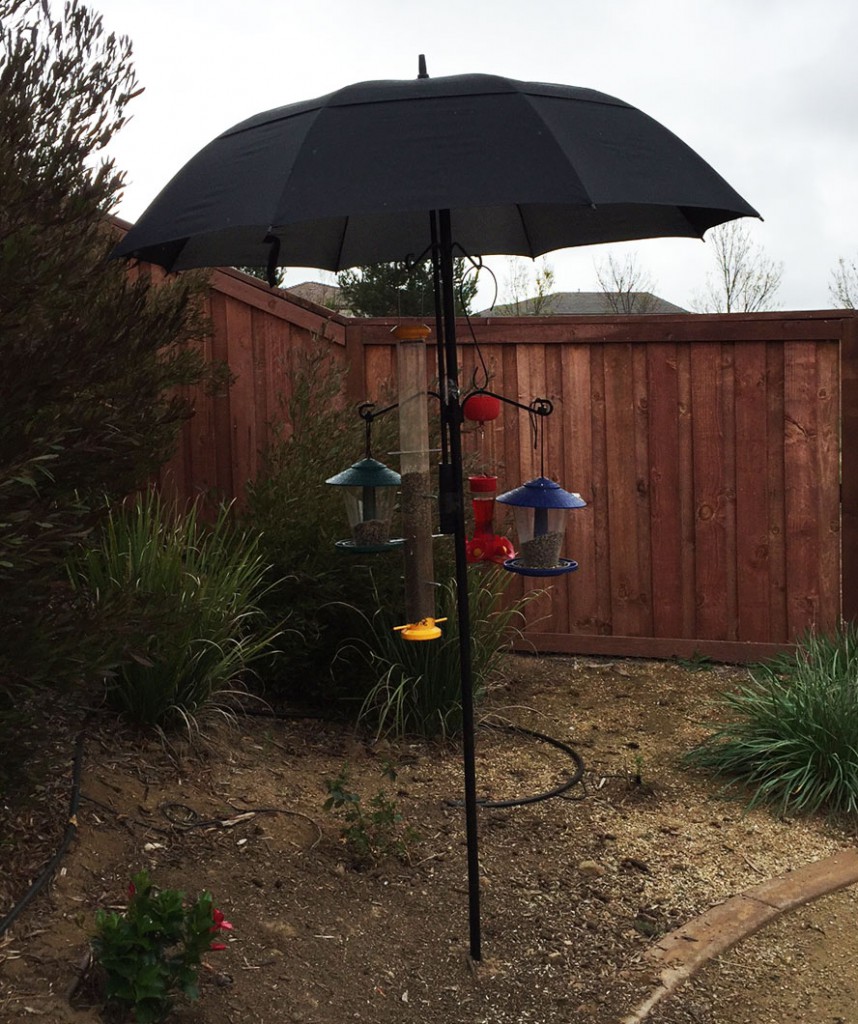
Credit: feederwatch.org
Frequently Asked Questions
Do Birds Eat During Rainy Weather?
Yes, many birds continue to feed in the rain. Rain can make it harder to find food, but birds adapt by seeking shelter under trees or feeding on exposed worms and insects. Birds with waterproof feathers, like ducks, are especially adept at foraging during wet conditions.
How Do Birds Find Food In The Rain?
Birds rely on their keen senses to locate food during rain. They often hunt for worms and insects that surface due to wet soil. Birds use shelter from trees and shrubs to stay dry while feeding. Their adaptability helps them thrive in various weather conditions.
Does Rain Affect Bird Feeding Habits?
Rain can alter bird feeding habits temporarily. Birds may seek sheltered feeding spots or forage for worms and insects on wet surfaces. They often adjust their diet based on availability. Rain may lead to a temporary decrease in activity, but birds adapt quickly to changing conditions.
Why Do Some Birds Stop Feeding In Rain?
Some birds may pause feeding to conserve energy and stay dry. They seek shelter in trees or bushes to avoid getting soaked. Staying dry helps maintain body temperature and energy levels. Once the rain subsides, they resume their normal feeding activities.
Conclusion
Birds do feed in the rain, adapting to their environment. Some species prefer shelter, while others thrive in wet conditions. Rain can make insects and worms more accessible, offering easy meals. Bird behavior varies, but rain rarely stops them from feeding.
Their resilience is remarkable, showcasing nature's adaptability. Observing these creatures during rain offers unique insights. Understanding bird habits helps us appreciate their survival skills. Next time it rains, watch the birds. Notice their persistence and resourcefulness. A reminder of the wonders of the natural world.
Their behavior in rain teaches us about adaptation and survival.