


Have you ever gazed up at the sky and wondered about the birds flying overhead as the seasons change? You might assume all birds pack their bags and migrate to escape the winter chill.
But is that really the case? Do all our feathered friends take off for warmer destinations, or do some brave the cold? This question might surprise you, and the answer could change how you see the natural world around you.
We’ll uncover the secrets of bird migration and explore why some birds choose to stay put even when winter arrives. Understanding these fascinating behaviors not only satisfies your curiosity but could also give you insights into nature's incredible adaptability. Keep reading to discover which birds are the true travelers and which ones call winter home. You might just find yourself looking at the birds in your backyard a little differently.

Credit: www.vnews.com
Bird Migration Patterns
Bird migration is a fascinating spectacle. Each year, millions of birds travel vast distances. These journeys are driven by survival needs. Birds migrate to find food and suitable habitats. Understanding these patterns helps us appreciate nature's complexity.
Migratory Vs. Non-migratory Birds
Not all birds migrate. Some stay in their home region year-round. These are non-migratory birds. They adapt to local conditions. They find food and shelter even in harsh winters.
Migratory birds, however, take long journeys. They travel thousands of miles. This migration is essential for their survival. They seek warmer climates and abundant food sources.
Seasonal Triggers For Migration
Several factors trigger bird migration. One major factor is temperature change. Birds sense the cooling air. Days become shorter as winter nears.
Food availability also affects migration. As resources dwindle, birds move to new areas. They find places with plentiful food supplies.
Genetic instincts play a role too. Birds have an innate drive to migrate. This ensures their species' survival.
Credit: www.allaboutbirds.org
Reasons For Migration
Many birds migrate to escape cold winters, seeking warmer climates for survival. Not all birds migrate, some adapt to local conditions. Migration patterns vary based on species and environment, influencing their survival strategies.
Understanding the reasons behind bird migration can be fascinating. Not all birds migrate during winter, but those that do often have compelling motivations. These reasons are mostly tied to survival, and understanding them can give you a deeper appreciation for these incredible journeys. Let’s dive into some of the primary reasons why birds migrate.
Food Availability
One of the most critical factors driving bird migration is the availability of food. As winter approaches, regions in the northern hemisphere experience a significant drop in food sources. Imagine living in a place where your grocery store closes for months. Wouldn't you consider moving to where food is abundant? For birds, especially those relying on insects or nectar, the scarcity of food in cold climates forces them to relocate. Have you ever noticed how some species suddenly disappear from your backyard as the weather cools? This seasonal movement is often due to their search for sustenance.
Climate And Temperature Changes
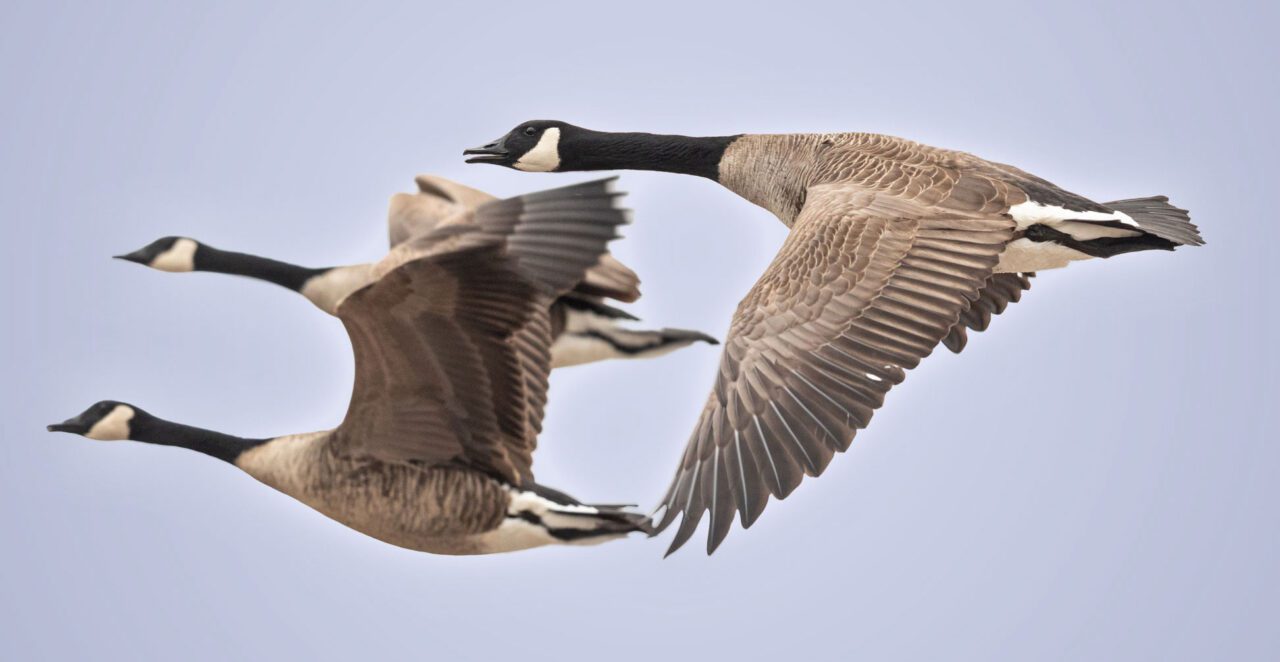
Climate plays a pivotal role in bird migration. Birds are highly sensitive to temperature changes, and many species can't survive the harsh cold of winter. Think of it as packing up for a warmer vacation spot as soon as the frost begins. Some birds, like the Arctic Tern, travel thousands of miles to enjoy milder climates. These movements are not just about comfort but survival. Have you ever wondered why some birds, like the Canada Goose, are seen flying in their iconic V-formation at certain times of the year? They’re likely escaping the cold to find a more suitable environment. Migration is a risky endeavor, but for many birds, it's a necessary one to ensure they thrive. The next time you see a flock of birds heading south, consider the challenges and instinctual drives behind their journey. What would you do to ensure your survival if you faced similar conditions?
Non-migratory Birds
Not all birds migrate during winter. Some species stay in the same area year-round. These non-migratory birds have adapted to survive cold conditions, finding food and shelter where they live.
When the chill of winter sets in, you might wonder if all birds take flight to warmer regions. Surprisingly, many birds choose to stay put, braving the cold season. These non-migratory birds have fascinating adaptations that allow them to thrive even when temperatures drop. So, what makes these resilient creatures tough enough to endure winter’s harshness?
Adaptations To Cold Climates
Non-migratory birds have developed unique adaptations to survive the cold. Their feathers are thicker and denser, providing excellent insulation. You might have noticed how birds puff up in winter; this is them trapping air for additional warmth. Food scarcity in winter poses a challenge. Non-migratory birds often change their diets, relying on available resources like seeds and berries. Some even cache food in hidden spots for lean times. Next time you see a bird seemingly playing hide and seek with its food, know it’s a clever survival tactic. Would you believe some birds increase their body fat in preparation for winter? This extra layer acts like a cozy blanket, keeping them warm when temperatures plummet. It's a fascinating reminder of nature's ingenuity.
Examples Of Non-migratory Species
The Northern Cardinal is a striking example of a bird that sticks around for winter. With its vibrant red plumage, it adds a splash of color to the snowy landscape. Cardinals are known for their adaptability in finding food, often visiting feeders for seeds. Another non-migratory bird is the Blue Jay. These intelligent birds are not just pretty faces; they are resourceful foragers, often seen caching nuts and seeds. Their bold calls are a familiar sound in winter woods. And let's not forget the Downy Woodpecker. These birds stay active in cold months, using their strong beaks to find insects in tree bark. If you listen closely, you might hear their rhythmic tapping echoing through the forest. Have you ever spotted any of these birds during winter walks? Observing them can be a reminder of resilience and adaptability, qualities we can all appreciate and learn from. What other birds might you see in your area that choose to face winter head-on?

Credit: www.birdsandblooms.com
Partial Migration Phenomenon
Some birds migrate, while others stay put. This is called partial migration. Birds decide based on food availability and climate. Some species have both migratory and non-migratory individuals, adapting to local conditions.
When you think of bird migration, you might picture flocks of birds heading south as winter approaches. But not all birds embark on long journeys to escape the cold. The phenomenon of partial migration challenges the notion that all birds migrate in a uniform manner. Some birds only migrate short distances, while others stay put. This intriguing behavior offers insight into the diverse survival strategies found in the avian world.
What Is Partial Migration?
Partial migration occurs when only a portion of a species migrates, while others remain in their habitat year-round. This can happen within the same population or even among individual families. Imagine watching a flock of sparrows in your backyard. Some leave as winter approaches, while others brave the cold. This adaptability allows species to maximize resources and reduce competition.
Factors Influencing Partial Migration
Several factors influence whether birds choose to migrate partially. One significant factor is food availability. Birds in areas with abundant food sources may choose to stay put, while those in less fruitful regions move to find sustenance. Climate plays a role too. In milder winters, birds might skip the long journey and stay closer to their breeding grounds. Personal experience shows that local weather patterns can greatly influence bird behavior; a mild winter might mean more birds stick around. Social structure within bird communities also impacts migration decisions. Some birds follow the lead of dominant individuals, while others rely on instinct or learned behavior. Have you ever wondered why some birds in the same flock migrate while others stay? It could be due to varying social dynamics or individual instincts. Partial migration is a fascinating aspect of bird behavior that invites us to reconsider how we view migration. Are these birds making calculated survival decisions, or are they simply responding to changes in their environment? As you watch birds this winter, consider the complex decisions they face. Do you notice any patterns or unexpected behaviors?
Impact Of Climate Change
Climate change is reshaping the natural world. Birds are feeling this impact intensely. Not all birds migrate for the winter. But the changes in climate affect even those that do. Warmer temperatures disrupt their migration patterns. This can have serious consequences. Let's explore how climate change is altering bird migration and affecting populations.
Altered Migration Patterns
Birds rely on seasonal cues for migration. Climate change shifts these cues. Warmer winters lead to delayed migrations. Some birds skip migration entirely. This disrupts their natural cycles. Birds may arrive at breeding grounds too late. Their food sources might not be available. This can lead to fewer offspring. Altered migration patterns can confuse birds. It disrupts their survival strategies.
Effects On Bird Populations
Climate change impacts bird populations in many ways. Altered migration affects breeding success. Birds that miss optimal breeding times have fewer chicks. Changes in climate also affect food availability. Birds face starvation if their food sources dwindle. Some species are at risk of extinction. Rising temperatures may force birds to adapt. Not all species can adjust quickly. This threatens their survival.
Human Influence On Migration
Human activities significantly affect bird migration patterns. Urbanization and habitat loss disrupt traditional routes. Conservation efforts aim to mitigate these impacts. Understanding our role is crucial for preserving migratory species.
Urbanization And Habitat Loss
Cities expand rapidly, consuming natural spaces. Birds lose essential habitats for rest and feeding. Urban areas can confuse migratory paths. Bright city lights disorient birds during night flights. Noise pollution disrupts their communication. Some birds adapt to city life, but many struggle.
Deforestation removes crucial nesting sites. Birds face challenges finding food. Wetlands drained for agriculture reduce available resources. Migratory birds rely on specific ecosystems. Loss of these areas forces birds to alter routes. This affects their survival and reproduction rates.
Conservation Efforts
Conservation groups work to protect migratory birds. They create reserves to safeguard critical habitats. These reserves offer birds safe resting and feeding spots. Environmental laws aim to control urban sprawl. Protecting forests and wetlands is crucial.
Education programs raise awareness about bird migration. Communities learn the importance of preserving habitats. Volunteer initiatives monitor bird populations. Data collection helps track changes in migration patterns. This information guides effective conservation strategies.
Frequently Asked Questions
Do All Bird Species Migrate In Winter?
Not all bird species migrate for the winter. While many birds travel to warmer regions, some remain in their habitats. Birds like chickadees and cardinals adapt to cold climates and find food locally. Migration patterns depend on the species, environmental conditions, and availability of resources.
Why Do Some Birds Not Migrate?
Some birds do not migrate because they have adapted to local conditions. They can find food and shelter even in winter. These birds have developed strategies like storing food or changing their diet. Species such as woodpeckers and blue jays are known to stay in one place year-round.
What Factors Influence Bird Migration?
Bird migration is influenced by several factors, including food availability, temperature changes, and breeding needs. Birds migrate to access more abundant food sources and favorable living conditions. The length of daylight and weather patterns also play a crucial role in triggering migration.
Which Birds Commonly Migrate In Winter?
Many bird species migrate in winter, including swallows, geese, and warblers. These birds travel to warmer regions to find better food sources and breeding conditions. Migration patterns vary, with some species traveling thousands of miles, while others move only short distances.
Conclusion
Not all birds migrate during winter. Some stay where they are. Others travel short distances. Factors like food availability and temperature influence their decisions. Birds adapt to their environments. This ensures survival. Understanding bird behavior helps in conservation efforts. It also enriches our knowledge about wildlife.
Each species has unique patterns. Observing them reveals nature's wonders. Bird migration is a fascinating topic. It shows resilience and adaptation in the animal kingdom. Keep exploring and learning about these amazing creatures. Nature always has more to teach us.