


Ever watched a flock of birds fluttering with excitement around a feeder? It's a mesmerizing sight, isn't it?
If you're thinking about filling your bird feeder with sunflower seeds, you're on the right track. Sunflower seeds are a favorite among many bird species. But you might be wondering if they're the best choice for your backyard friends. What if I told you that the type of seed you choose could transform your yard into a vibrant bird sanctuary?
Imagine the joy of seeing a colorful array of birds visiting daily, turning your garden into a lively ecosystem. You’ll find yourself spending more time gazing out your window, captivated by their antics. Curious to know how sunflower seeds can attract more birds to your feeder? Stick around, because we're about to uncover the benefits, the best practices, and a few secrets that will make your bird-feeding experience a delight.
Credit: duncraft.com
Benefits Of Sunflower Seeds For Birds
Sunflower seeds are a wonderful addition to any bird feeder. These seeds offer numerous benefits for our feathered friends. Birds flock to feeders filled with these nutritious treats. The benefits of sunflower seeds extend far beyond mere sustenance. Let's explore the advantages these seeds bring to birdlife.
Nutritional Value
Sunflower seeds are packed with essential nutrients. They contain high levels of protein and healthy fats. These nutrients help birds maintain strong muscles and vibrant feathers. Vitamins and minerals in sunflower seeds support overall bird health. The seeds also provide antioxidants, promoting long life.
Energy Source
Birds require a lot of energy to fly and forage. Sunflower seeds are a rich energy source. The high-fat content fuels birds' active lifestyles. Especially during cold months, energy-rich seeds are crucial. Birds can keep warm and stay active with these seeds.
Attracting Diverse Species
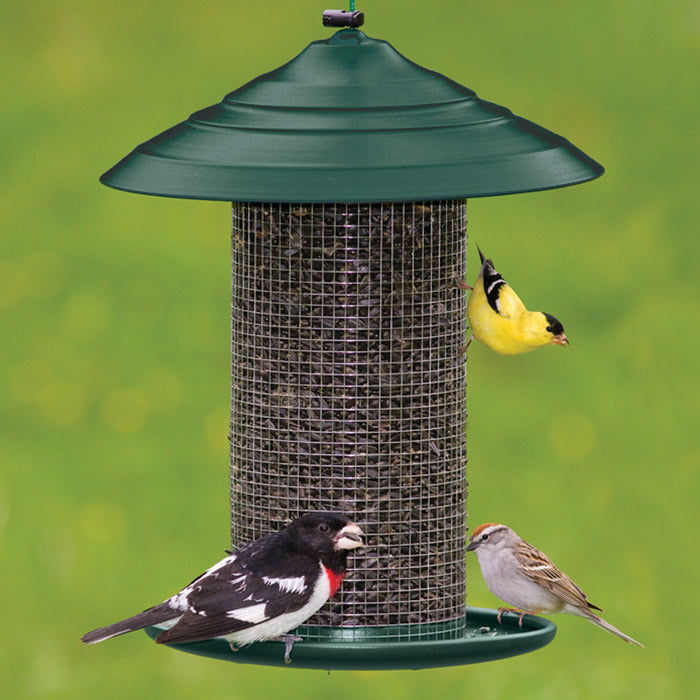
Sunflower seeds attract a variety of bird species. Many birds find these seeds irresistible. Cardinals, finches, and chickadees are common visitors. Blue jays and sparrows also enjoy sunflower seeds. Offering these seeds can increase the diversity of birds in your garden.
Credit: www.allaboutbirds.org
Types Of Sunflower Seeds
Understanding the types of sunflower seeds can enhance your bird feeding experience. Sunflower seeds are a favorite among many bird species. They provide essential nutrients and energy. Different types of sunflower seeds offer unique benefits. Choosing the right type can attract a variety of birds.
Black Oil Sunflower Seeds
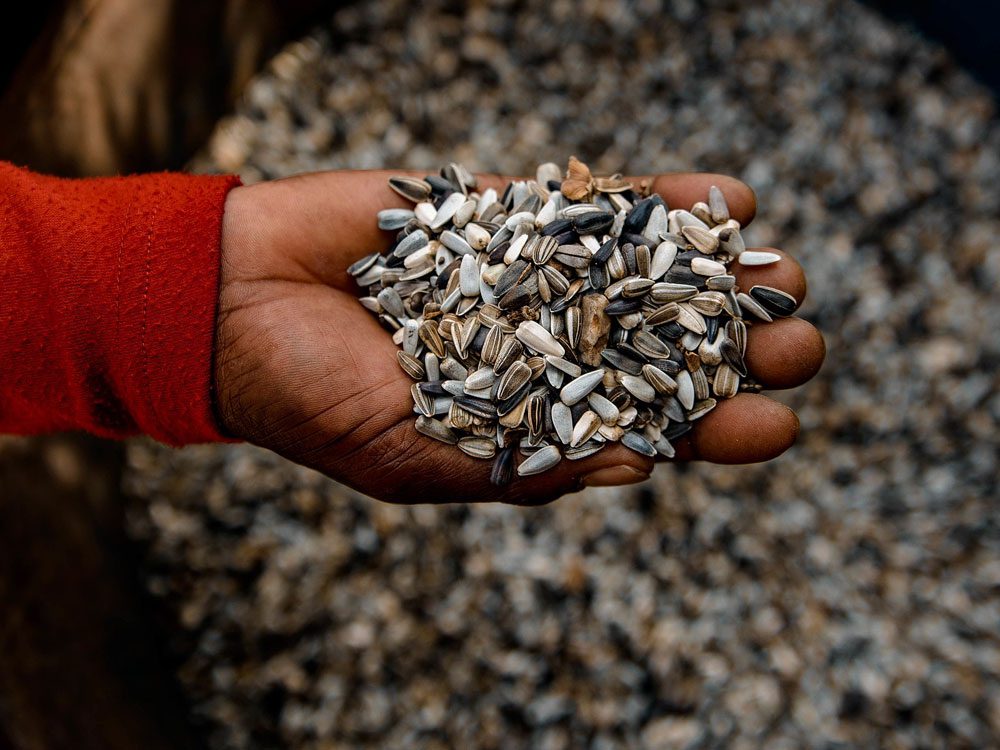
Black oil sunflower seeds are popular for bird feeders. They have a thin shell, making them easy to crack. Birds find them easy to eat and digest. These seeds are rich in oil, providing high energy. Many bird species love them, from small finches to larger cardinals.
Striped Sunflower Seeds
Striped sunflower seeds have a thicker shell. Birds that enjoy these seeds have stronger beaks. They are larger than black oil seeds. Some birds prefer the challenge of cracking them open. They are less oily but still nutritious.
Shelled Vs. Unshelled
Shelled sunflower seeds lack the outer shell. Birds can eat them quickly and easily. They reduce mess around the feeder. Unshelled seeds require birds to crack them open. This process can be messy, leaving shells behind. Both types offer nutritional benefits to birds.
Choosing The Right Bird Feeder
Sunflower seeds can be placed in a bird feeder to attract a variety of birds. These seeds are rich in nutrients and favored by many bird species. Ensure the feeder is suitable for the seed size to prevent spillage.
Choosing the right bird feeder can make all the difference in attracting a variety of beautiful birds to your backyard. The type of feeder you choose will impact not only the kind of birds that visit but also how often they return. With sunflower seeds being a favorite among many bird species, picking the right feeder becomes even more important.
Feeder Designs
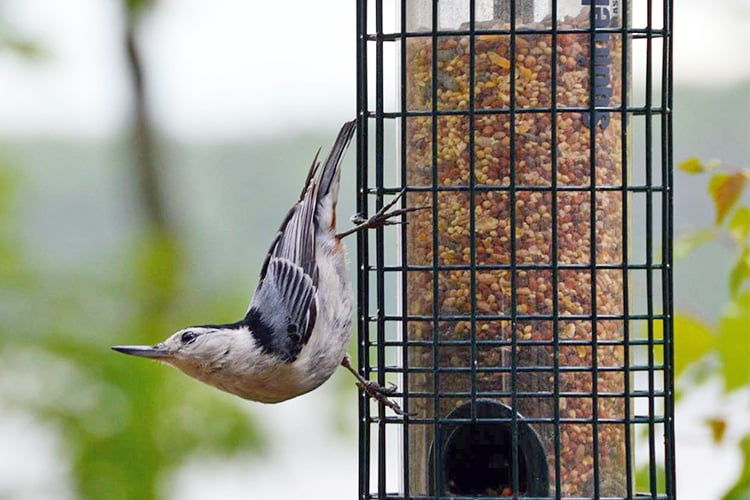
When selecting a feeder design, consider the birds you wish to attract. Tube feeders are great for smaller birds who love sunflower seeds. Platform feeders work well for larger birds like cardinals. If you have a squirrel problem, opting for a squirrel-proof design can save both seeds and sanity. Have you noticed which birds frequent your garden most?
Material Considerations
The material of your bird feeder can affect its durability and appeal. Wooden feeders offer a natural look, but may not withstand harsh weather as well as metal or plastic ones. Metal feeders are sturdy and often squirrel-resistant. Transparent plastic allows you to easily monitor seed levels. Which material do you think suits your environment best?
Placement Tips
Where you place your bird feeder can significantly influence its success. Position the feeder within view, but not too close to windows to prevent bird collisions. Ensure it’s near shelter like trees or shrubs for birds to retreat to if needed. Keep it away from areas where predators can easily reach. Have you tried different spots in your yard to see which attracts the most birds? Choosing the right bird feeder involves a bit of trial and error, but the joy of watching birds flock to your garden is worth the effort. Keep experimenting until you find the perfect setup that works for you and your feathered visitors.
Credit: www.massaudubon.org
How To Prepare Sunflower Seeds
Preparing sunflower seeds for your bird feeder can be simple and rewarding. Birds love sunflower seeds, but proper preparation is key. Clean, dry seeds attract more birds and ensure their health. Avoid harmful additives to keep birds safe. Follow these steps to prepare sunflower seeds effectively.
Cleaning And Drying
Start by removing debris from sunflower seeds. Use a sieve to shake off dust and small particles. Rinse seeds under cold water to ensure cleanliness. Lay seeds on a towel to dry completely. Wet seeds can mold in feeders. Dry seeds thoroughly to prevent moisture buildup.
Avoiding Harmful Additives
Choose seeds without salt or flavoring. Birds need natural seeds for a healthy diet. Check labels for preservatives or chemicals. Avoid seeds with added oils. Natural seeds are best for bird health. Keep seeds pure to ensure birds thrive.
Maintaining A Bird Feeder
Sunflower seeds are perfect for bird feeders. They attract a variety of birds, including cardinals and sparrows. Ensure the feeder is clean and well-maintained to keep the birds healthy and happy.
Maintaining a bird feeder is essential for attracting a variety of vibrant birds to your garden. It’s not just about filling it with seeds; it's about creating a welcoming and safe environment for your feathered visitors. A well-maintained feeder means healthier birds and a more enjoyable bird-watching experience for you.
Regular Cleaning
Keeping your bird feeder clean is crucial. Dirty feeders can spread diseases among birds, which is the last thing you want. Consider setting a routine to clean your feeder every two weeks. Use warm, soapy water and a brush to scrub away any residue. Rinse thoroughly and let it dry before refilling. Have you ever noticed fewer birds visiting your feeder? A good scrub might be just what it needs to become a popular spot again.
Monitoring Seed Freshness
Seeds can go stale, just like the snacks in your pantry. Fresh seeds are more appealing to birds, so it's vital to check their condition regularly. Look out for mold, clumping, or an off smell, which are signs the seeds have gone bad. Rotate the seeds frequently to ensure freshness. If you’ve ever been tempted to buy seeds in bulk, consider how long it will take to use them. Storing them in a cool, dry place will help maintain their quality. Do you want your feeder to be the birds’ favorite dining spot? Fresh seeds will keep them coming back for more. Maintaining your bird feeder doesn't have to be a chore. With a bit of regular care and attention, you can enjoy a lively and diverse array of birds right in your backyard. What are some of your favorite birds that visit your feeder?
Common Challenges And Solutions
Sunflower seeds are a popular choice for bird feeders due to their high nutritional value and appeal to a wide variety of birds. However, feeding your feathered friends isn't always as straightforward as scattering seeds. There are common challenges you may encounter, but with some practical solutions, you can make your bird-feeding experience both enjoyable and effective.
Preventing Squirrel Access
Squirrels are notorious for raiding bird feeders and stealing sunflower seeds. This can be frustrating when you want to nurture your local bird population. Consider using squirrel-proof feeders designed with mechanisms that prevent squirrels from reaching the seeds. Hanging your feeder away from trees and launching pads also helps. You might even find joy in watching a squirrel try and fail, knowing your seeds are safe.
Managing Mess And Waste
Birds can be messy eaters, leaving behind shells and uneaten seeds. This can lead to a messy yard and may attract unwanted pests. To manage waste, opt for hulled sunflower seeds which eliminate the issue of shells. Regularly clean the area under the feeder to prevent buildup. A simple rake and bin can be your best friends here. It's satisfying to see a clean garden, knowing you're caring for nature responsibly.
Dealing With Mold And Moisture
Moisture can quickly lead to moldy seeds, which are harmful to birds. This is a common issue, especially in humid climates or after rain. Ensure your feeder is designed to keep seeds dry, perhaps with a roof or cover. Regularly check and replace wet seeds. A small investment in a weatherproof feeder can save you from these hassles. Do you want to provide a safe haven for birds? Keeping seeds dry is essential.
By addressing these challenges head-on, you can transform your bird-feeding station into a thriving hub of activity. Watching birds flock to your feeder is rewarding, knowing you’ve tackled these issues with savvy solutions. What steps will you take to improve your bird-feeding experience today?
Enhancing Bird Watching Experience
Bird watching can be a delightful hobby for nature lovers. Using sunflower seeds in your bird feeder can enhance this experience. Sunflower seeds attract a variety of colorful birds. They offer a chance to observe these creatures closely. This makes every bird-watching session unique and exciting.
Identifying Bird Species
Sunflower seeds attract many bird species. You might see finches, sparrows, and cardinals. Each bird has unique colors and patterns. Use a bird guide to identify them. It adds depth to your bird-watching hobby.
Creating A Welcoming Environment
A welcoming bird feeder attracts more birds. Place your feeder in a quiet spot. Ensure it's safe from predators. Keep it clean and full of seeds. Birds feel safe and return regularly. This increases your chances to see different species.
Documenting Bird Visits
Documenting bird visits can be fun and educational. Take notes or photos of visiting birds. Write down their species and behavior. This helps track which birds visit your feeder. Over time, you'll build a bird-watching journal. It enriches your understanding of local wildlife.
Frequently Asked Questions
Can Sunflower Seeds Attract More Birds?
Yes, sunflower seeds are highly attractive to many bird species. They are rich in nutrients and provide essential energy. Birds like cardinals, chickadees, and finches particularly love them. Offering sunflower seeds can increase bird diversity in your garden.
Are Sunflower Seeds Safe For All Birds?
Sunflower seeds are generally safe for most birds. However, ensure they are unsalted and unflavored. Large seeds might be difficult for smaller birds to eat. Always offer fresh seeds to avoid mold, which can harm birds.
Do Sunflower Seeds Need To Be Shelled?
Shelled sunflower seeds can be easier for birds to eat. They reduce mess and waste around feeders. However, unshelled seeds can also work well. Birds enjoy cracking them open, which engages their natural foraging instincts.
How Often Should I Refill Sunflower Seeds?
Refill your feeder with sunflower seeds every few days. Regular refills ensure a steady food supply for visiting birds. Check frequently, as birds might eat seeds quickly, especially during peak feeding times.
Conclusion
Sunflower seeds work great in bird feeders. They attract many bird types. You enjoy watching birds come and feed. It’s a simple joy. Birds love the taste and nutrition. Easy for them to crack open. Plus, they add variety to bird diets.
Just fill your feeder with sunflower seeds. Sit back and watch the magic unfold. Birds will flock to your garden. A delightful sight to behold. Remember, fresh seeds keep birds coming back. Your feeder becomes a bird paradise. A peaceful way to enjoy nature.
Perfect for any bird lover.