


Can You Put Dried Mealworms in a Bird Feeder?
Have you ever stood by your window, watching the flurry of colorful birds visiting your backyard, and wondered if you could add something new to their menu? Imagine transforming your bird feeder into a bustling bird bistro with just one simple ingredient: dried mealworms.
Yes, those little critters might be the secret to attracting a vibrant array of feathered friends to your garden. But before you rush to sprinkle them into your feeder, you're probably curious about whether it's truly a good idea. Will the birds love them?
Are they safe? And how can you make the most of this crunchy delight to entice more avian visitors? By the end of this article, you'll have a clear answer to these questions and discover why dried mealworms could become your bird feeder's new best friend. So, if you're ready to elevate your birdwatching experience, read on to uncover the surprising benefits and tips for using dried mealworms in your bird feeder.
Benefits Of Dried Mealworms
Dried mealworms offer birds a delightful treat packed with nutrition. They are easy to store and can be used all year round. Placing these in bird feeders can bring many benefits. Let's explore what makes dried mealworms a popular choice among bird enthusiasts.
Nutritional Value
Dried mealworms are rich in protein, offering birds essential nutrients. Protein aids in muscle development and energy. It helps birds stay strong during migration and breeding seasons. These mealworms also contain fats that keep birds healthy. The fats help birds maintain body heat in cold weather. Vitamins and minerals in mealworms support overall bird health. Calcium found in mealworms strengthens bones and eggshells.
Attracting Diverse Bird Species
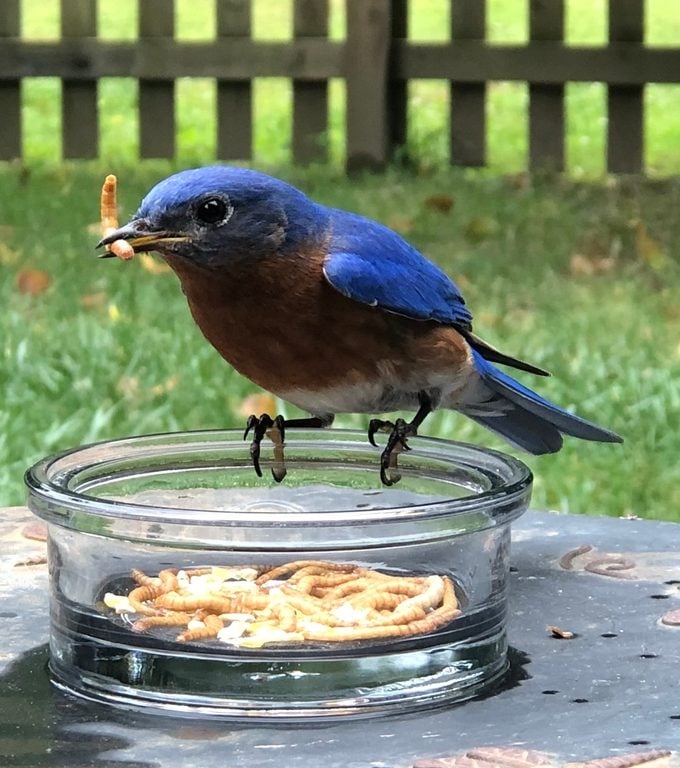
Bird feeders with dried mealworms attract a variety of species. Many birds find mealworms irresistible. Bluebirds, robins, and sparrows are common visitors. These feeders can even attract rare species. Dried mealworms lure insect-eating birds that might skip seed feeders. This diversity brings life to your garden. Watching different birds can be a joyful experience. It enhances understanding of local wildlife.
Credit: www.birdsandblooms.com
Types Of Bird Feeders For Mealworms
Bird lovers often wonder if dried mealworms can be put in bird feeders. Mealworms are a nutritious treat for birds, but choosing the right feeder is crucial for maximizing their benefits. Different types of bird feeders offer unique advantages for serving these tasty morsels. Let's dive into how each feeder type can enhance your backyard birdwatching experience.
Platform Feeders
Platform feeders are a versatile choice. They have a flat surface, allowing birds to easily spot mealworms. This type of feeder accommodates various bird sizes, from small sparrows to larger robins. You might find more action on your feeder with these open designs. Do you enjoy watching birds swoop in? Platform feeders could be your best bet.
Tube Feeders
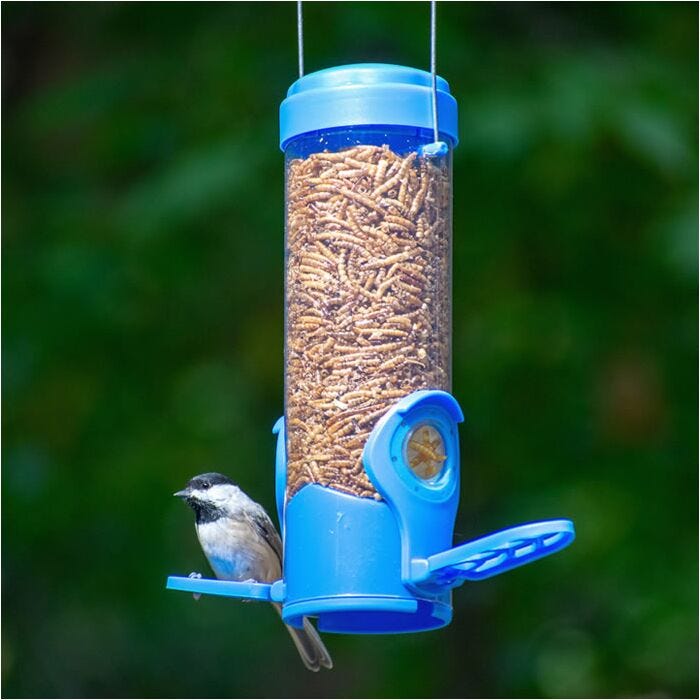
Tube feeders are typically used for seeds but can work for mealworms too. They limit access to smaller birds, reducing competition and waste. If you notice larger birds crowding your feeders, a tube feeder might help balance the feeding frenzy. Ever had a squirrel raid your feeder? Tube feeders can also deter those pesky intruders.
Specialized Mealworm Feeders
Specialized mealworm feeders are designed specifically for serving mealworms. They often include small compartments to keep mealworms contained. This keeps them dry and accessible, perfect for regions with unpredictable weather. Do you live in a rainy area? These feeders could ensure your mealworms stay fresh and appealing. Trying different feeders can reveal surprising bird preferences in your area.
Choosing the right feeder can transform your birdwatching experience. Each type has its own charm and functionality. Which feeder will you try next to attract more feathered friends to your garden?
How To Prepare Mealworms For Feeding
Dried mealworms are a nutritious option for birds. Easily placed in feeders, they attract various species, offering essential protein. Rehydrate them in water for extra moisture, ensuring birds stay hydrated.
Preparing mealworms for bird feeding is essential. Birds enjoy them more when they are ready to eat. Proper preparation can attract more birds to your feeder. Mealworms provide essential nutrients for wild birds. Here's how to make them even more appealing.
Rehydrating Mealworms
Dried mealworms can be tough for some birds. Rehydrating makes them soft and juicy. Start by placing them in a bowl. Cover with warm water. Let them soak for 20 to 30 minutes. Drain the water after soaking. Pat them dry with a paper towel. Rehydrated mealworms look and taste better to birds. Birds prefer them to be soft and moist.
Mixing With Other Foods
Mealworms can be mixed with other bird foods. They pair well with seeds and nuts. This creates a balanced diet for birds. Mixing helps attract a variety of species. Use a mix of sunflower seeds and suet with mealworms. Scatter them together in the feeder. Birds love the combination. It offers texture and flavor. Mixing also encourages birds to visit often.
Credit: www.perkypet.com
Placing Mealworms In The Feeder
Placing mealworms in a bird feeder can be a delightful way to attract a variety of feathered friends to your backyard. Whether you are a seasoned bird enthusiast or a beginner, mealworms offer a nutritious treat for birds and can enhance your bird-watching experience. However, the key to success lies in how you present these tasty morsels to your avian visitors. Let's explore some practical tips on choosing the right location and ensuring accessibility for your bird feeder.
Choosing The Right Location
Location is crucial for attracting birds to your feeder. Consider placing the feeder in a quiet area away from heavy foot traffic. Birds appreciate peace and will be more likely to visit if they feel safe.
Observe your yard to find the best spot. Choose an area with natural cover like trees or bushes. This provides birds with a sense of security and a place to retreat if they feel threatened.
Keep the feeder visible from a window. This allows you to enjoy birdwatching from the comfort of your home. Plus, it helps you monitor the feeder's activity and cleanliness.
Ensuring Accessibility
Accessibility is essential for your feeder’s success. Make sure the mealworms are easy for birds to reach. Use a feeder with perches that accommodate different bird sizes.
Adjust the height of the feeder to suit various birds. If it's too high, smaller birds may struggle to access it. Too low, and it might be vulnerable to unwanted visitors like squirrels.
Maintain a clean feeder. Birds are more likely to return if the feeder is fresh and free of debris. Regular cleaning can prevent diseases and keep your feathered friends healthy.
Have you ever noticed how some birds seem hesitant to approach a crowded feeder? By thoughtfully placing mealworms and ensuring accessibility, you can create a welcoming environment that encourages a diverse range of birds to visit. How will you improve your bird feeder setup today?
Maintaining The Feeder
Adding dried mealworms to a bird feeder provides birds with a nutritious snack. Many birds enjoy them, especially during nesting season. Ensure the feeder is clean and dry to keep mealworms fresh.
Maintaining your bird feeder is essential for attracting healthy birds. Proper upkeep ensures mealworms stay fresh and appealing. Regular cleaning and monitoring for spoilage are key parts of this process.
Regular Cleaning
Cleaning the feeder prevents bacteria and mold growth. Wash the feeder with warm soapy water every week. Rinse thoroughly to remove any soap residue. Dry it completely before refilling with mealworms. This keeps the mealworms fresh and safe for birds. A clean feeder attracts more birds.
Monitoring For Spoilage
Check the mealworms regularly for signs of spoilage. Dried mealworms can go bad if exposed to moisture. Spoiled mealworms can harm the birds. Look for changes in color or smell. Replace any spoiled mealworms immediately. Keep the feeder dry to prevent spoilage. This ensures birds get nutritious food.

Credit: www.perkypet.com
Potential Challenges
Placing dried mealworms in a bird feeder can pose challenges like attracting unwanted pests. Wet weather may also spoil them quickly. Ensuring the right balance for bird health requires attention.
Adding dried mealworms to your bird feeder can attract a variety of birds, offering them a nutritious treat. However, several challenges can arise when you introduce these tasty morsels into your feeding routine. Understanding these challenges can help you make informed decisions and maintain a healthy environment for your feathered visitors.
Pest Management
Dried mealworms can sometimes attract unwanted pests. Rodents and insects may be drawn to your feeder, looking for a quick meal. You might notice an increase in mice or ants in your garden, which can become problematic over time. To manage this, ensure that the area around your feeder is kept clean and free from debris. Consider using feeders with baffles or trays to catch spilled mealworms and deter pests. Have you ever checked how secure your bird feeder is against these intruders?
Bird Competition
When you introduce dried mealworms, you might observe increased competition among bird species. Birds that are naturally more aggressive or larger may dominate the feeder, leaving smaller or less aggressive birds without access to the food. This might cause you to wonder if your feeding strategy is fair to all your avian guests. To mitigate this, try using multiple feeders placed at different heights and locations. This way, you can accommodate a variety of bird species and sizes, ensuring everyone gets a fair share. Have you noticed which birds are the bullies and which ones need a little extra help in your backyard? By being proactive and thoughtful, you can create a balanced ecosystem where every bird enjoys its meal.
Safety Tips For Feeding Birds
Feeding birds can be a rewarding hobby, but it is important to do it safely. Birds rely on us to provide food without harm. By following safety tips, you can ensure the well-being of your feathered visitors. Consider these guidelines to make bird feeding safe and enjoyable.
Avoiding Overfeeding
Overfeeding can lead to health problems for birds. It may cause obesity or nutritional imbalance. Provide only enough food for a day or two. This prevents spoilage and waste. Monitor the amount of food in the feeder. Refill it based on the birds' consumption.
Preventing Disease
Dirty feeders can spread disease among birds. Clean feeders regularly to avoid this. Use a mild soap and warm water. Rinse thoroughly before refilling with mealworms. Also, ensure feeders are dry before adding food. Wet food can harbor bacteria or mold.
Frequently Asked Questions
Can Birds Eat Dried Mealworms?
Yes, birds can eat dried mealworms. They are a nutritious food source. Mealworms provide protein and essential nutrients for birds. Dried mealworms are especially popular with insect-eating birds. They are a convenient option for bird feeders. Always ensure they are fresh and stored properly.
Are Dried Mealworms Good For Bird Health?
Dried mealworms are good for bird health. They offer protein and essential fats. These nutrients support birds' energy and overall health. Mealworms help especially during nesting and molting periods. They are a great supplement to a bird's diet. Always provide a balanced diet alongside mealworms.
How Do I Put Mealworms In A Feeder?
Place dried mealworms in a shallow dish or tray feeder. This makes it easy for birds to access. You can mix mealworms with seeds for added nutrition. Ensure the feeder is clean and dry. Refill regularly to attract more birds.
Keep it sheltered from rain.
Which Birds Are Attracted To Mealworms?
Bluebirds, robins, and wrens are particularly attracted to mealworms. They are insect-eating birds. Mealworms also attract chickadees and nuthatches. Offering mealworms can increase the variety of birds visiting. This makes your garden more lively. Always observe which birds are visiting your feeder.
Conclusion
Dried mealworms can be a great bird feeder addition. Birds love them. They offer a tasty treat and are nutritious. Easy to store and handle. Attracts a variety of bird species. Enhances your birdwatching experience. Consider mixing with seeds for variety.
Ensure mealworms stay dry in the feeder. Keep the feeder clean and filled. Enjoy watching birds flock to your feeder. A simple way to support local wildlife. Perfect for bird lovers at any level. So, try adding dried mealworms today.
Watch your backyard come alive with chirping visitors.