


Imagine stepping into your backyard and being greeted by a flurry of vibrant colors and the soft hum of delicate wings. Hummingbirds, with their dazzling appearances and agile flights, are a true spectacle.
But here's the catch: you're already feeding a variety of other feathered friends. Can you add a hummingbird feeder to the mix without causing chaos? This is a question many bird enthusiasts like you ponder. The good news is, there’s a way to create a harmonious feeding haven for all your feathered visitors.
By the end of this post, you’ll discover how to make your backyard the ultimate birdwatching paradise. Ready to unveil the secrets? Let's dive in!
Benefits Of Hummingbird Feeders
Hummingbird feeders offer many benefits to your garden and wildlife. They attract beautiful hummingbirds and support the ecosystem. Placing them with other bird feeders can boost your backyard's appeal. Let's explore these advantages.
Attracting Hummingbirds
Hummingbird feeders draw these tiny birds with sweet nectar. The vibrant colors of the feeders catch their eye. Once they find your feeder, they often return. This creates a lively and colorful environment in your garden.
Hummingbirds are fun to watch. Their quick movements and hovering flights are fascinating. They add an element of joy and excitement to your outdoor space.
Supporting Biodiversity
Hummingbird feeders contribute to biodiversity in your backyard. They provide a food source for hummingbirds, which helps their population. This support is vital as natural habitats shrink.
Different bird feeders attract various species. This variety encourages a balanced ecosystem. It also helps in controlling pests naturally. Birds eat insects, reducing the need for chemicals in your garden.
Thus, adding a hummingbird feeder helps create a vibrant, healthy outdoor space. It supports the environment and brings nature closer to home.
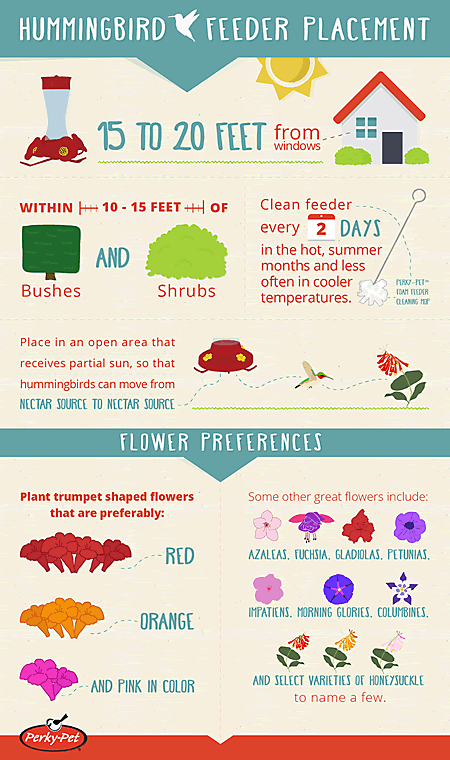
Credit: www.perkypet.com
Compatibility With Other Bird Feeders
Ever wondered if you can place a hummingbird feeder alongside other bird feeders? You're not alone! Mixing these feeders could boost your garden's biodiversity and charm. But can these tiny birds coexist peacefully with their larger feathered friends? Let’s explore how you can create a harmonious feeding environment.
Types Of Bird Feeders
Different birds have different needs, and so do their feeders. Hummingbird feeders are designed to hold sugary nectar, attracting these lively creatures with their vibrant colors.
On the other hand, traditional bird feeders usually contain seeds like sunflower or mixed grains, appealing to a variety of birds including sparrows, finches, and cardinals. Each feeder serves a distinct purpose, drawing specific bird species.
Coexistence Strategies
So, how can you make them coexist? Start by spacing the feeders apart. This reduces territorial behavior and competition among birds. You might find that hummingbirds prefer a quiet corner, away from the hustle and bustle.
Consider feeder height. Hummingbirds may feel more secure at a higher level. Hanging their feeder from a tree branch can give them the space they need, while other feeders can be placed lower to the ground.
Keep feeders clean. Cleanliness prevents disease spread and ensures nectar doesn’t ferment. It’s a simple step that keeps your garden lively and healthy.
What strategies have you tried to encourage peaceful coexistence among your garden birds? Share your experiences or try these tips, and watch as your garden becomes a bustling hub of avian activity.
Placement Tips
Choosing the right spot for your hummingbird feeder is crucial. It ensures these tiny birds feel safe and welcome. When placing a hummingbird feeder near other bird feeders, consider several factors. These factors help create a harmonious environment for all birds.
Ideal Locations
Place the hummingbird feeder where it is easily visible. Birds are attracted to bright colors. Ensure the feeder is near flowers or plants. This mimics their natural feeding spots. Avoid windy areas that can sway the feeder. Strong winds make it hard for hummingbirds to feed.
Height Considerations
Height matters for hummingbird feeders. Hang them at eye level. This makes it convenient for you to refill. It also keeps them safe from predators. Ensure the feeder is high enough for the birds to feel secure. Low feeders may attract unwanted visitors.
Managing Bird Traffic
Managing bird traffic in your backyard can be tricky. Different species have different needs. Hummingbirds, with their delicate nature, require special attention. They zip through the air, seeking sweet nectar. Other birds, larger and more dominant, may disrupt their feeding. Creating a harmonious environment is key. This ensures all birds can enjoy their meals peacefully.
Avoiding Feeder Crowding
Space out your feeders. This reduces competition among birds. Place the hummingbird feeder away from others. Six feet is a good distance. This gives hummingbirds a stress-free zone. They can hover and sip without interruptions. Larger birds often scare them away. Avoid placing feeders too close together. It invites aggressive behavior. Birds need space, just like us.
Ensuring Peaceful Coexistence
Choose feeder types wisely. Use feeders that cater to specific birds. Hummingbird feeders should only have nectar. Seed feeders attract other species. Different feeding stations help maintain peace. Offer various food types. This accommodates different diets. Water sources can also help. Birds love to drink and bathe. A small birdbath can be a nice touch.
Keep feeders clean. Dirty feeders can spread disease. Regular cleaning ensures health and safety. Birds appreciate fresh food. Happy birds mean a lively yard. Enjoy watching them thrive in harmony.
Maintaining Cleanliness
Placing a hummingbird feeder near other bird feeders is possible. Keep feeders clean to prevent mold and bacteria. Regular cleaning ensures birds stay healthy and happy.
Maintaining cleanliness is crucial when placing a hummingbird feeder among other bird feeders. It ensures that the birds visiting your feeders remain healthy and safe. Without proper hygiene, feeders can become breeding grounds for mold, bacteria, and even harmful diseases. But how can you keep your feeders spotless and inviting for your feathered friends?
Regular Cleaning Routine
Establish a regular cleaning routine to keep your feeders in top shape. You might choose to clean them every few days, especially during hot weather when sugar water can spoil quickly. Use warm, soapy water and a bottle brush to scrub away any residue. After cleaning, rinse thoroughly to remove all soap traces. This prevents any potential harm to the birds. A clean feeder is a welcoming sight for hummingbirds and other avian visitors.
Preventing Mold And Bacteria
Preventing mold and bacteria is easier than you might think. Make sure to change the nectar in your hummingbird feeder every 2-3 days. Stale nectar can quickly develop mold, which is harmful to hummingbirds. Consider using a diluted vinegar solution for a deeper clean once a week. Vinegar is effective in killing bacteria and is safe for birds if rinsed well. Do you have a shaded spot in your yard? Placing feeders in the shade can help keep nectar fresher longer. By maintaining cleanliness, you create a healthy environment for hummingbirds alongside other birds. This small effort rewards you with lively, beautiful visitors in your garden. Are your feeders ready to host these tiny, enchanting guests?
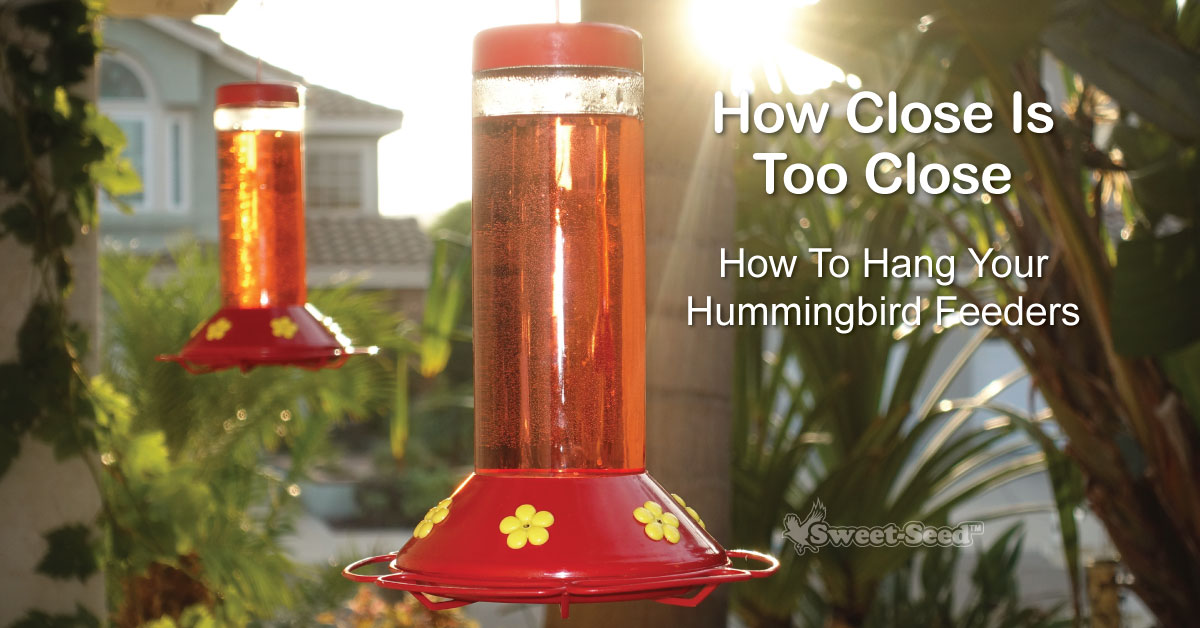
Credit: sweet-seed.com
Seasonal Adjustments
Seasonal adjustments are crucial when managing bird feeders in your backyard, especially when considering hummingbird feeders among others. Each season brings its unique challenges and opportunities, impacting how you maintain your feeders. Let's explore how you can adapt your feeding strategies to ensure harmony between hummingbirds and other birds throughout the year.
Winter Feeding Strategies
Winter can be harsh, but it’s a prime time to support birds with extra food. Hummingbirds typically migrate to warmer regions during this season, allowing you to focus more on feeding winter birds like chickadees and cardinals.
Consider placing fat-rich suet feeders alongside traditional seed feeders. This provides the necessary energy for birds to withstand colder temperatures. Additionally, keep your feeders clean and well-stocked. Birds rely heavily on consistent food sources during winter months.
Have you thought about adding a heated bird bath? Birds need water just as much as food, and providing unfrozen water can significantly aid their survival. It's a simple yet impactful addition to your winter feeding strategy.
Summer Considerations
Summer ushers in a different set of dynamics in your backyard. Hummingbirds are back, and they require sugary nectar to fuel their high-energy lifestyle. You might wonder how to balance this with other bird feeders.
Space is key during summer. Place hummingbird feeders away from larger seed feeders to reduce competition and stress. Hummingbirds are territorial, and this separation can ensure peaceful coexistence.
Experiment with feeder placement. Try hanging hummingbird feeders at different heights or locations. You might find they prefer quiet corners away from bustling feeding areas. This can enhance their feeding experience while keeping other birds content.
Have you ever noticed a hummingbird hovering near your garden flowers? Consider planting nectar-rich flowers. They can complement your feeders, attracting hummingbirds naturally while adding beauty to your garden.
Adapting your bird feeding strategies seasonally not only benefits your local bird population but also enriches your backyard experience. What adjustments will you make this season?
Observing Bird Behavior
Birdwatching offers unique insights into nature's harmony. Observing bird behavior can be fascinating. It helps understand how different species interact. Placing hummingbird feeders near other bird feeders allows for diverse observation opportunities. This setup provides a chance to study various bird habits. Whether aggressive or peaceful, each bird displays distinct characteristics. Understanding these behaviors enhances your birdwatching experience.
Monitoring Feeder Activity
Keep an eye on feeder activity to see patterns. Observe how birds approach feeders. Note the time they visit and what they eat. Pay attention to the number of birds at each feeder. Are hummingbirds visiting more often? Are other birds avoiding the hummingbird feeder? This information reveals valuable insights into bird preferences. Regular monitoring helps identify any changes in behavior.
Identifying Aggressive Species
Some birds display aggressive tendencies. These birds may dominate feeders. They might chase away smaller birds. Identifying these species is important. It helps maintain a peaceful feeding environment. Look for species that often guard feeders. Observe if they exhibit territorial behavior. Understanding which birds are aggressive aids in feeder placement. It ensures all birds have access to food without conflict.

Credit: www.birdwatchingdaily.com
Frequently Asked Questions
Can Hummingbirds Share Feeders With Other Birds?
Yes, hummingbirds can share feeders with other birds. However, they prefer their own space. Mixing feeders may attract unwanted species. Ensure the feeder is easy to access and clean. This will help maintain harmony among different birds.
Will Larger Birds Scare Hummingbirds Away?
Yes, larger birds can intimidate hummingbirds. They may avoid feeders if larger birds are present. To prevent this, place hummingbird feeders away from larger bird feeders. This ensures a peaceful feeding environment for these delicate creatures.
How To Attract Only Hummingbirds To Feeders?
To attract only hummingbirds, use red feeders and nectar. Red is particularly attractive to them. Avoid placing feeders near trees where other birds perch. Regularly clean the feeders to prevent mold, which repels hummingbirds.
Is It Okay To Place Feeders Close Together?
Placing feeders close together is not ideal. It can lead to competition among species. Space them apart to allow birds to feed comfortably. This reduces territorial disputes and ensures a more peaceful feeding experience for all birds.
Conclusion
Placing hummingbird feeders with other bird feeders is possible. It offers variety for bird watchers. Just ensure enough space between feeders. This reduces crowding and stress for birds. Different types of birds have unique needs. Keep feeders clean to prevent disease spread.
Fresh nectar attracts hummingbirds more. Regularly refill and clean feeders for best results. Watch for territorial behavior among birds. Adjust placement if needed. Enjoy the vibrant bird activity in your backyard. Witness nature’s beauty up close. Happy bird watching!