


Imagine stepping into your garden each morning, coffee in hand, ready to be serenaded by the cheerful melodies of visiting birds. It sounds idyllic, doesn’t it?
But if you've ever wondered whether you can put a bird feeder next to a birdhouse, you’re not alone. This simple decision can influence the vibrant chorus in your backyard, affecting how often your feathered friends visit and stay. The answer is more nuanced than you might think, with some surprising insights that could elevate your birdwatching experience to new heights.
By the end of this article, you'll know exactly how to create a harmonious haven for birds, ensuring they keep coming back for more. So, are you ready to transform your backyard into a bird paradise? Let's dive in!
Placement Considerations
Placing a bird feeder next to a birdhouse requires careful thought. Birds might feel crowded, affecting nesting habits. It's wise to keep some distance, ensuring a peaceful environment for both feeding and nesting.
When deciding whether to place a bird feeder next to a birdhouse, the placement considerations are crucial. Where you position these structures can significantly impact the safety and well-being of the visiting birds. It's not just about hanging them anywhere in your garden; it's about creating a harmonious environment for your feathered friends.
Safety For Birds
Safety should be your primary concern when placing a bird feeder and a birdhouse. Birds are vulnerable to predators like cats and squirrels, so it's important to situate these items where birds can easily escape if necessary. Position the birdhouse at least five feet off the ground and away from thick foliage where predators might hide. The feeder should be close enough to the birdhouse to allow easy access but not so close that it attracts unwanted visitors to the birdhouse itself. Think about how weather conditions might affect the placement. A feeder placed in a sheltered spot can protect birds from harsh winds and rain.
Proximity To Human Activity
Consider how your daily activities might affect the birds' comfort. If your garden is bustling with human activity, birds might shy away from using the feeder or house. Place the feeder and birdhouse in a quieter part of the yard. This allows birds to feed and nest without constant interruptions. Reflect on your personal experiences. Have you noticed birds avoiding certain areas of your garden? This can offer valuable insights into where to place your bird feeder and birdhouse. Ask yourself: Are you willing to watch birds from a distance, or do you prefer them close to your patio for easy viewing? Balancing your enjoyment with the birds' peace is key. By thoughtfully considering these factors, you can create a bird-friendly environment that is both safe and welcoming.
Benefits Of Close Placement
Placing a bird feeder close to a birdhouse can attract more birds. This setup offers easy access to food and shelter. Birds enjoy the convenience, leading to increased visits and vibrant birdwatching opportunities in your backyard.
Positioning a bird feeder near a birdhouse can offer several benefits that enhance both your enjoyment and the birds' experience. By placing these two essential bird-watching elements close together, you create an inviting habitat that encourages bird activity and makes observation more convenient. Let's delve into the specific advantages of this setup.
Increased Bird Activity
When you position a bird feeder next to a birdhouse, you create a hub of avian activity. Birds are more likely to visit areas where they can find both food and shelter. This dual setup can attract a variety of bird species to your garden. Imagine waking up to the sound of chirping and fluttering wings, as birds enjoy the convenience of having food and a safe nesting spot nearby. You might even notice birds nesting in the birdhouse while frequently visiting the feeder. This increased activity can turn your backyard into a lively ecosystem, bringing nature right to your doorstep. What bird lover wouldn't want that?
Convenience For Observation
Having the feeder and birdhouse close together makes it easier for you to observe and enjoy the birds. You can watch them feed, interact, and nest without needing to move around too much. If you have a favorite window or a comfy chair on your porch, you can set up your feeder and birdhouse within view. This way, you can enjoy birdwatching with minimal effort. Picture yourself sipping your morning coffee while watching the birds go about their day. Isn't that a peaceful start to any day? Moreover, this setup allows you to notice patterns and behaviors you might miss with a scattered arrangement. You can keep a journal of which birds visit and at what times, enhancing your birdwatching experience. Have you ever wondered which bird species are most common in your area? Observing them closely might just give you the answer.
Potential Drawbacks
Setting up a bird feeder next to a birdhouse might seem like a great idea to attract more birds to your backyard. However, this arrangement can have its downsides. Before you decide to place these bird-friendly fixtures close together, consider some potential drawbacks that could affect your feathered visitors.
Increased Competition
Putting a bird feeder near a birdhouse can lead to fierce competition among birds. You might have experienced this firsthand. Imagine watching two birds squabble over seeds while one just wants a peaceful nap in the birdhouse. This constant rivalry can create stress for the birds, disrupting their natural behaviors.
If you're aiming for a harmonious bird community, separating feeders and houses might be more effective. Ask yourself, is it worth the potential chaos? By spacing them apart, you allow birds to feed and nest without the constant clash.
Predator Attraction
Bird feeders can attract predators like squirrels and larger birds. When feeders are near birdhouses, predators may easily spot nesting birds. Have you ever noticed a squirrel lurking near your bird feeder? They often bring added danger to nesting birds.
Consider the safety of your feathered friends. Keeping a distance between feeders and houses can deter predators from invading birdhouses. This separation can create a safer environment for nesting birds, allowing them to thrive.
In deciding the placement of your bird feeder and birdhouse, weigh these drawbacks carefully. Your decision could impact the well-being and happiness of the birds visiting your yard.
Credit: www.reddit.com
Tips For Optimal Setup
Setting up a bird feeder next to a birdhouse can bring a flurry of feathered friends to your backyard. However, the arrangement needs careful consideration to ensure harmony rather than chaos. Let's dive into some practical tips for an optimal setup that not only attracts a variety of birds but also keeps them happy and safe.
Choosing The Right Distance
Distance between the bird feeder and birdhouse is crucial. Too close, and the birds may feel crowded, leading to territorial disputes. A general rule of thumb is to keep them at least 10 feet apart. This gives birds space to breathe and reduces the risk of disease spread.
Think about your own neighborhood. If your home was right next to the grocery store, you might appreciate the convenience, but would you enjoy the constant hustle and bustle? Birds need their peace too. Observe their behavior and adjust the distance if they seem stressed or avoid the area.
Selecting Appropriate Feeders
The type of feeder you choose can influence the type of birds that visit. Tube feeders are excellent for small birds like finches and sparrows, while platform feeders attract larger birds. Choose feeders that cater to the birds you wish to attract.
Consider adding variety. Different feeders can coexist beautifully, offering a buffet of choices. It's like setting a table with diverse dishes, enticing a range of guests. Aim for a mix of seeds and nuts to cater to different tastes.
While setting up, ask yourself: Are the birds enjoying their meal or just tolerating it? A feeder should be a place of refuge and enjoyment for them. If you notice uneaten seeds or fewer visits, it might be time to reassess your choices.
By considering these aspects, you create a welcoming environment for your feathered friends. It's not just about attracting birds; it's about nurturing a community. What changes will you make in your setup today to ensure your backyard is a bird-friendly paradise?
Maintenance And Care
Placing a bird feeder next to a birdhouse can be rewarding. It attracts a variety of birds to your garden. To ensure a healthy environment, proper maintenance and care are crucial. This includes regular cleaning and monitoring bird health. Both actions help maintain a safe space for birds.
Regular Cleaning
Bird feeders and birdhouses need frequent cleaning. This prevents the spread of diseases. Clean the feeder with warm, soapy water weekly. Ensure no residue remains. Rinse thoroughly and allow it to dry completely before refilling. For birdhouses, inspect and clean every season. Remove old nesting materials. This keeps the space inviting and safe for new inhabitants.
Monitoring Bird Health
Observing bird behavior at your feeders is vital. Notice any signs of illness. Birds with droopy wings or unusual spots may be unwell. Remove the feeder if you spot sick birds. This reduces the risk of spreading disease. Encourage healthy birds by keeping the feeder and birdhouse clean. Fresh seeds and clean water are also essential. Regularly check for any signs of mold or spoilage. Replace immediately to maintain a healthy environment.

Credit: www.natureswaybirds.com
Enhancing The Environment
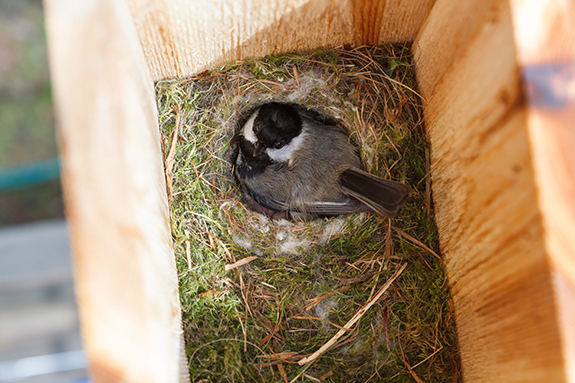
Enhancing the environment around your birdhouse and feeder can attract more birds. A welcoming habitat encourages birds to visit and stay. Consider the surroundings to create a thriving bird sanctuary. It involves thoughtful planning and simple additions. These can make a significant difference in attracting a variety of feathered friends.
Adding Native Plants
Native plants offer natural food sources for birds. They provide seeds, berries, and insects. Birds love to nest in familiar foliage. Native plants also require less maintenance, adapting well to local conditions. Their presence boosts the local ecosystem. Research plants native to your area for best results.
Creating Water Sources
Water sources are essential for birds. They need water for drinking and bathing. Install a birdbath near your feeder and birdhouse. Keep the water clean and fresh. Birds are attracted to moving water. Consider adding a small fountain or dripper. This helps prevent mosquitoes and keeps birds healthy.
Credit: thebackyardnaturalist.com
Frequently Asked Questions
Can Bird Feeders And Birdhouses Be Placed Together?
Yes, bird feeders and birdhouses can be placed together. Ensure there is enough space to prevent overcrowding. This setup can attract more birds to your garden. However, observe if birds are comfortable with the arrangement. Adjust the distance if needed to maintain a peaceful environment.
Do Bird Feeders Affect Birdhouse Occupancy?
Bird feeders can influence birdhouse occupancy positively by attracting more birds. However, too much activity may deter nesting birds. It’s crucial to strike a balance. Monitor the behavior of birds and adjust the placement if necessary. This will ensure a harmonious cohabitation in your garden.
How Far Should A Bird Feeder Be From A Birdhouse?
Place bird feeders at least 10 feet away from birdhouses. This distance reduces disturbances to nesting birds. It also provides enough space for birds to comfortably access food. Adjust the distance based on bird behavior and preferences. This ensures a peaceful environment for both feeding and nesting.
What Types Of Birds Use Both Feeders And Houses?
Many small garden birds use both feeders and houses, such as chickadees and sparrows. These birds appreciate the convenience of nearby food and shelter. Offering both options can increase the diversity of birds visiting your garden. It also supports their nesting and feeding needs effectively.
Conclusion
Placing a bird feeder next to a birdhouse can work well. Birds enjoy easy access to food and shelter. Ensure the feeder and birdhouse are spaced properly. This prevents overcrowding and stress among birds. Keep both areas clean to attract more birds.
Use quality bird food to ensure their health. Watching birds visit can be a joyful experience. It also helps in learning about different bird species. Try it in your garden. You might find it rewarding. Enjoy the beauty of nature right at home.