


Have you ever watched a flock of wild birds fluttering about and wondered how you could help them thrive? Feeding wild birds is a simple joy that brings nature closer to your doorstep.
But when it comes to choosing the right food, questions arise. One question you might have is: can you feed wild birds dried fruit? Before you toss those raisins or cranberries into your backyard, it’s important to know if they are safe and beneficial for your feathered friends.
This article will unravel the mystery behind feeding wild birds dried fruit, ensuring you make the best choices for their health and well-being. Stick around to discover the surprising facts that could transform your bird-feeding habits.
Benefits Of Feeding Dried Fruit To Birds
Offering dried fruit to wild birds provides them with essential nutrients and energy. Birds enjoy the sweet taste and natural sugars. Dried fruit is easy to store and feed, making it a convenient option for bird enthusiasts.
Feeding dried fruit to wild birds can be a delightful way to support their dietary needs while enjoying the beauty they bring to your backyard. Many birds relish the taste of dried fruit, which is not only a treat but also a nutritious snack. By offering dried fruit, you contribute to their well-being and help them thrive in their natural environment.
Boosts Nutritional Intake
Dried fruit is packed with essential vitamins and minerals that are beneficial for birds. It provides a concentrated source of energy, helping them stay active and healthy. Have you ever noticed how vibrant and lively birds become after a good snack? That's the power of proper nutrition.
Supports Energy Needs
Birds need energy to fly, forage, and maintain their body temperature. Dried fruit is a high-energy food that gives birds the fuel they need. On a cold winter morning, I watched a group of sparrows eagerly pecking at dried apricots, and I could see how it invigorated them almost instantly.
Attracts A Variety Of Birds
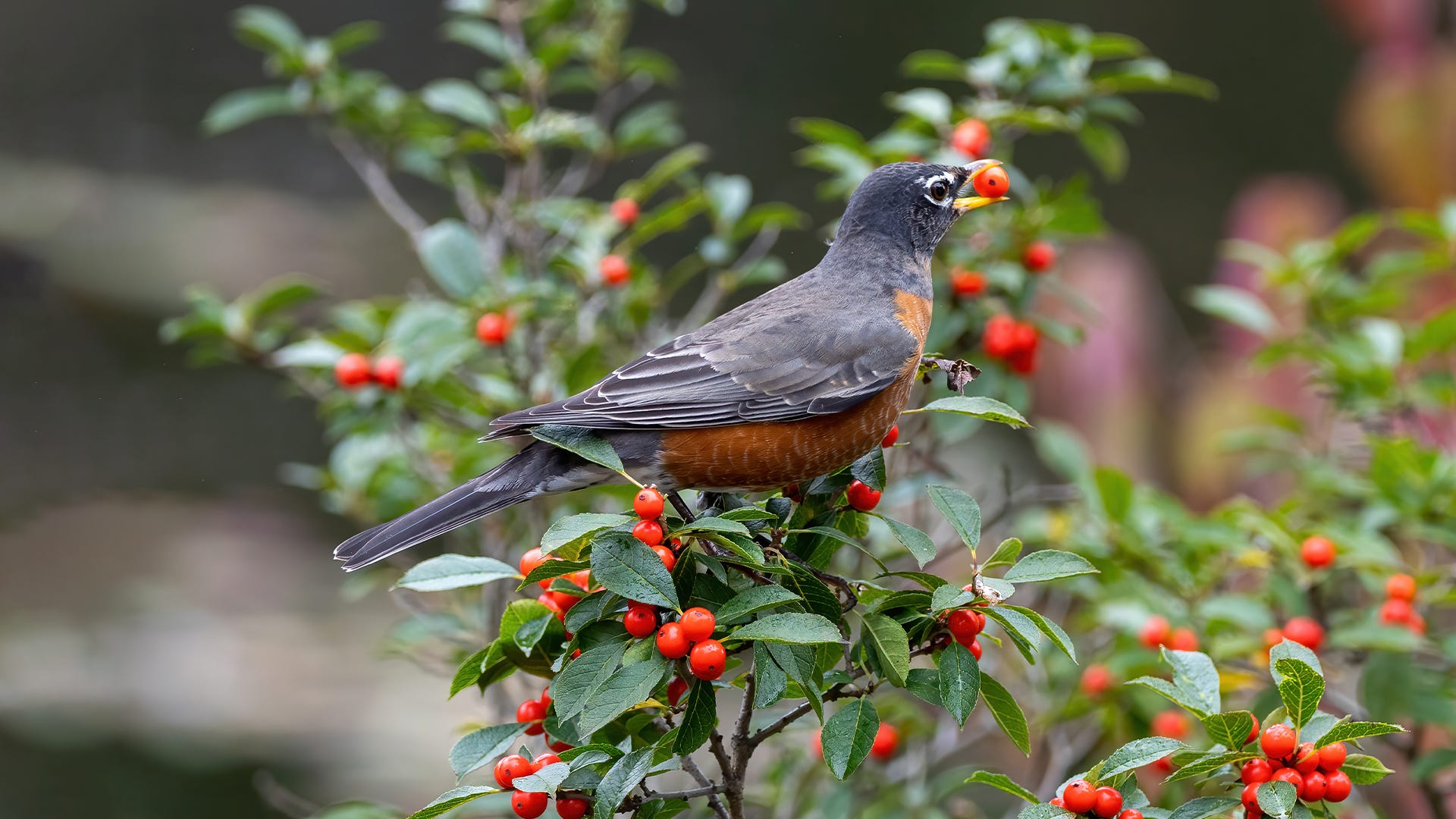
Offering dried fruit can attract a diverse range of bird species to your garden. From robins to cedar waxwings, many birds are drawn to the sweet scent of fruit. Imagine the joy of spotting a new bird species right from your window, all thanks to a simple addition to your feeder.
Easy To Store And Use
Dried fruit is convenient and has a long shelf life, making it easy to store for future use. No need to worry about spoilage or frequent shopping trips. You can effortlessly sprinkle some into your bird feeder whenever you like.
Encourages Natural Foraging Behavior
By feeding birds dried fruit, you encourage their natural foraging instincts. Watching them pick and choose their favorite pieces can be a fascinating sight. It’s like observing a tiny wildlife documentary unfold right in your backyard. Are you ready to try feeding dried fruit to your feathered friends? What types of birds might you attract with this delicious offering?
Types Of Dried Fruit Safe For Birds
Feeding wild birds can be a delightful activity. Dried fruit offers a nutritious snack for our feathered friends. But not all dried fruits are safe for birds. Knowing which types are safe ensures their health and happiness.
Common Dried Fruits
Raisins are a favorite among many birds. They are small and easy to eat. Ensure they are unsweetened and free from additives. Apricots are another safe choice. They provide birds with vitamins and minerals. Chop them into small pieces to prevent choking. Dates can also be fed to birds. But they should be pitted to avoid harm. Figs are rich in fiber and beneficial for digestive health.
Nutritional Value
Dried fruits are packed with nutrients. They provide natural sugars for energy. Vitamins like A and C support a bird's immune system. Fiber aids in digestion and keeps birds healthy. Minerals like potassium and iron are also present. These help maintain overall health and vitality. Dried fruits should be given in moderation. Too much sugar can be harmful.
How To Prepare Dried Fruit For Birds
Feeding wild birds dried fruit can be a delightful way to supplement their diet and observe them closely in your backyard. However, preparing dried fruit properly is crucial to ensure it is safe and nutritious for your feathered visitors. In this section, we'll explore practical ways to prepare dried fruit for birds, focusing on cutting and sizing, and hydration techniques.
Cutting And Sizing
To make dried fruit suitable for birds, you need to cut it into manageable pieces. Large chunks can be difficult for birds to eat and might deter them from trying. Use a sharp knife to slice the fruit into small, bite-sized pieces. Think about the size of a raisin or a small berry.
Consider the bird species that visit your garden. Smaller birds like sparrows will appreciate tinier pieces, while larger birds such as robins might handle slightly bigger chunks. This simple step can make a huge difference in how many birds you attract.
Hydration Techniques
Dried fruit can be tough for birds to digest if it's too dry. Rehydrating the fruit can make it easier for them to eat and digest. Soak the pieces in water overnight, or for a few hours at least. You can use a bowl with lukewarm water for faster results.
After soaking, drain the fruit and pat it dry with a paper towel. This helps to remove excess water, preventing it from freezing in cold weather or becoming soggy. Have you ever wondered why some birds turn away from certain food? It could be the texture!
Hydrated fruit also releases a scent that might attract more birds. This simple step could turn your backyard into a bustling avian haven.
Preparing dried fruit for birds may seem small, but these steps can significantly impact their feeding experience. Have you tried offering dried fruit to wild birds? What challenges did you face, and how did you overcome them? Share your thoughts and tips in the comments below!

Credit: www.walmart.com
Potential Risks And Precautions
Feeding wild birds dried fruit can offer nutritional benefits. But, it comes with certain risks. Birds have different dietary needs compared to humans. Some ingredients in dried fruits might not be safe for them. Understanding these risks and taking precautions is important.
Avoiding Preservatives
Preservatives extend the shelf life of dried fruits. These chemicals might harm birds. Always check labels before offering dried fruits. Choose organic options without added chemicals. Preservatives like sulfur dioxide can be harmful. Opt for fruits dried naturally. This ensures safety for birds.
Monitoring Bird Health
Observe birds after they eat dried fruit. Notice any changes in behavior. Health changes might indicate problems. Look for signs of distress or unusual movements. If you see these signs, stop feeding dried fruits. Consult experts for advice on bird diets. Regular monitoring helps ensure safe feeding practices.
Best Practices For Feeding Dried Fruit
Feeding wild birds dried fruit can be beneficial. It provides essential nutrients. But, there are best practices to follow. These ensure the health and safety of our feathered friends. Observing moderation, variety, and seasonal considerations is key.
Moderation And Variety
Offer dried fruit in small amounts. Birds need a balanced diet. Too much dried fruit can harm them. Mix dried fruit with seeds and nuts. This ensures a variety of nutrients. Different birds prefer different foods. Providing variety attracts more species.
Seasonal Considerations
Adjust feeding based on the season. In winter, birds need extra energy. Dried fruit is a good energy source. During spring, focus on insects and seeds. Birds need protein for breeding. In summer, fresh fruit and water are vital. They help birds stay hydrated. Fall is a time for storing energy. Continue offering dried fruit then.
Credit: www.perkypet.com
Alternatives To Dried Fruit
Feeding wild birds can be a delightful pastime. While dried fruit is a popular choice, there are other nutritious options. These alternatives can provide balanced nourishment and attract a variety of birds. Let's explore some of these options.
Fresh Fruit Options
Fresh fruits are a great source of vitamins. Birds love apples, oranges, and berries. Cut them into small pieces for easy consumption. Place them on a feeder or scatter them on the ground. Fresh fruits are more appealing and retain moisture.
Seed And Nut Mixes
Seed and nut mixes are highly nutritious. Sunflower seeds are a favorite among many birds. Peanuts and almonds are also excellent choices. These mixes provide protein and healthy fats. Scatter them in your garden or use a feeder. They attract a diverse range of bird species.
Attracting Wild Birds With Dried Fruit
Feeding wild birds is a rewarding experience. Dried fruit can attract a variety of species. It's a healthy treat they enjoy. Many birds appreciate the sweetness and nutrients. Dried fruit is easy to store and serve. With a bit of planning, it can enhance your birdwatching sessions.
Creating A Bird-friendly Environment
Birds need a welcoming habitat. Trees and shrubs provide shelter. Native plants offer natural food sources. Water sources are essential for hydration. Ensure your garden has these elements. Birds feel safe and are more likely to visit.
Placement And Accessibility
Place dried fruit in accessible areas. Use feeders to keep it off the ground. Birds prefer elevated spots. They feel safer from predators. Choose locations where birds often perch. Near trees or bushes is ideal. Ensure it's visible from a distance.
Keep the feeders clean. Dirty feeders can deter birds. Regularly check for mold or spoilage. Fresh dried fruit attracts more birds. Monitor the feeder activity. Adjust the placement if needed. Experiment with different locations.

Credit: www.walmart.com
Frequently Asked Questions
Is Dried Fruit Safe For Wild Birds?
Yes, dried fruit is generally safe for wild birds. It provides essential nutrients and energy. However, ensure the fruit is unsweetened and free of preservatives. Birds enjoy dried fruits like raisins, apricots, and cranberries. Always offer them in moderation to maintain a balanced diet.
Which Dried Fruits Are Best For Wild Birds?
Wild birds enjoy a variety of dried fruits such as raisins, cranberries, and apricots. These fruits provide essential vitamins and energy. Always choose unsweetened and preservative-free options. Chop larger fruits into smaller pieces to prevent choking hazards. Offering a variety enhances their diet and attracts different bird species.
How Should I Serve Dried Fruit To Birds?
Serve dried fruit by chopping it into small, manageable pieces. Mixing it with seeds or nuts can enhance the offering. Ensure the fruit is unsweetened and preservative-free. Place it in feeders or sprinkle on the ground. Regularly clean feeding areas to prevent mold and attract more birds.
Can All Bird Species Eat Dried Fruit?
Not all bird species eat dried fruit. However, many, like robins and cardinals, enjoy it. Offer a variety to attract different species. Ensure the fruit is unsweetened and preservative-free. Always observe which birds visit and adjust offerings based on their preferences and dietary needs.
Conclusion
Feeding wild birds dried fruit is a great choice. It's nutritious and easily available. Birds love the sweet taste. Always choose fruits without added sugar. Raisins, cranberries, and apricots are good options. Cut them into small pieces. This prevents choking hazards.
Ensure the fruit is fresh. Moldy fruit can harm birds. Clean feeding areas regularly. This helps keep birds healthy. Observe which fruits birds like best. Adjust offerings accordingly. Enjoy watching happy, healthy birds in your backyard. Providing dried fruit can attract diverse species.
A rewarding experience for bird lovers.