


Have you ever found yourself wondering if the bird food you have at home is suitable for the wild birds visiting your garden? Specifically, can you feed wild birds cockatiel food?
It's a common question for bird lovers who want to ensure their feathered friends are well-fed and healthy. Understanding what wild birds can and cannot eat is crucial, not only for their health but also for attracting a variety of species to your outdoor space.
You'll discover the surprising truth about feeding wild birds cockatiel food. By the end, you'll have a clear answer that ensures you provide the best for your avian visitors. So, before you sprinkle that cockatiel mix into your bird feeder, let's dive into the facts together.
Cockatiel Food Composition
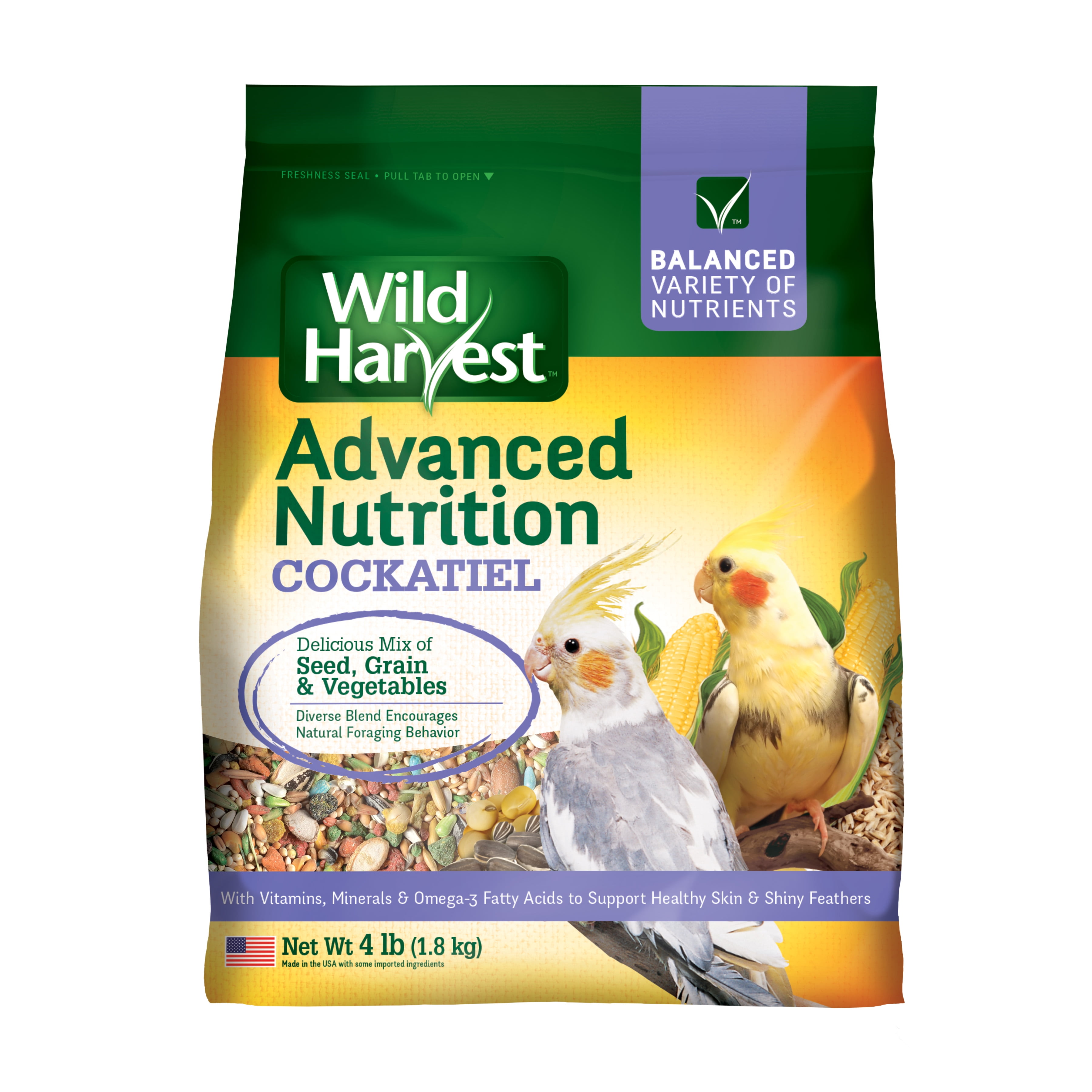
Understanding what cockatiel food contains helps decide if wild birds can eat it. Cockatiel food is a mix of seeds, grains, and other ingredients. This mix aims to meet the nutritional needs of these pet birds. But does it suit wild birds? Let's explore this in detail.
Ingredients Overview
Cockatiel food often includes millet, sunflower seeds, and oats. It might also have dried fruits and vegetables. These ingredients offer a variety of flavors and textures. The mix usually lacks artificial colors and preservatives. This makes it relatively natural. But some mixes might include pellets or supplements. These are designed specifically for cockatiels.
Nutritional Benefits
Cockatiel food provides essential nutrients like proteins and fats. These nutrients support energy and feather health. The seeds and grains offer carbohydrates for energy. Vitamins and minerals help with immune function. While healthy for cockatiels, it might not meet all wild bird needs. Wild birds have diverse dietary requirements. They often need more variety than cockatiels.
Wild Birds Feeding Needs
Wild birds have diverse dietary needs, making cockatiel food a potential option. This blend usually includes seeds, grains, and pellets that can provide essential nutrients. Ensure the food does not contain harmful additives or large seeds unsuitable for smaller wild birds.
Feeding wild birds can be a rewarding experience, but it's important to understand their unique dietary needs. Each species has specific nutritional requirements, and providing the right food can help them thrive. While you might be tempted to share your cockatiel's food with wild birds, it's crucial to know if this is truly beneficial for them. Let's dive into the essentials of wild bird feeding needs.
Dietary Requirements
Wild birds have varied dietary needs depending on their species. Some birds, like finches, thrive on seeds, while others, like robins, prefer insects and worms. Protein, fats, and carbohydrates are vital, but the balance differs for each bird type. Imagine a hummingbird trying to live off cockatiel food, which lacks the sugary nectar it needs for energy. It's like asking a marathon runner to eat only salad. Think about the specific requirements of the birds in your area before offering food.
Natural Food Sources
Wild birds naturally find food in their environment, which ensures they get the nutrients they need. They eat seeds, berries, insects, and even small mammals. This diet provides them with the essential vitamins and minerals they need to stay healthy. Consider planting native plants in your garden to support their natural diet. This not only helps the birds but also enhances your garden's beauty. Have you ever watched a bird happily feast on berries in your backyard? It's a simple joy that benefits both you and the wildlife. When feeding wild birds, it's essential to think beyond just offering food. Are you helping them meet their natural dietary needs? Understanding their needs can lead to healthier and happier birds frequenting your garden.
Comparing Diets
Exploring the compatibility of cockatiel food for wild birds raises intriguing questions. Cockatiel food often contains seeds, grains, and pellets that may appeal to certain wild birds. Yet, nutritional needs differ, so observing wild bird behavior and health is crucial when offering such food.
When you're passionate about birdwatching, you might wonder if feeding wild birds cockatiel food is a good idea. While it seems convenient to use what you have, understanding the dietary differences between wild birds and cockatiels can make a big difference in their health and behavior. Let's dive into the specifics and see what feeding options work best for your feathered visitors.
Similarities And Differences
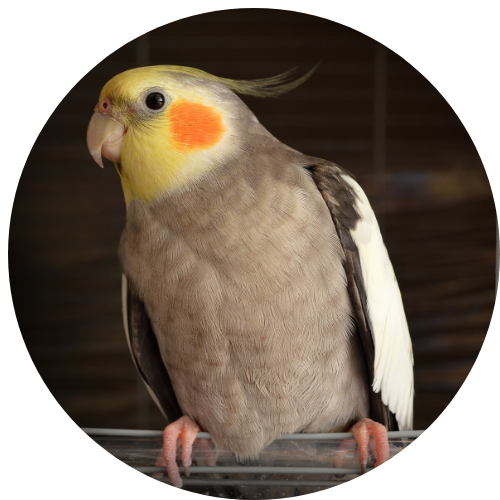
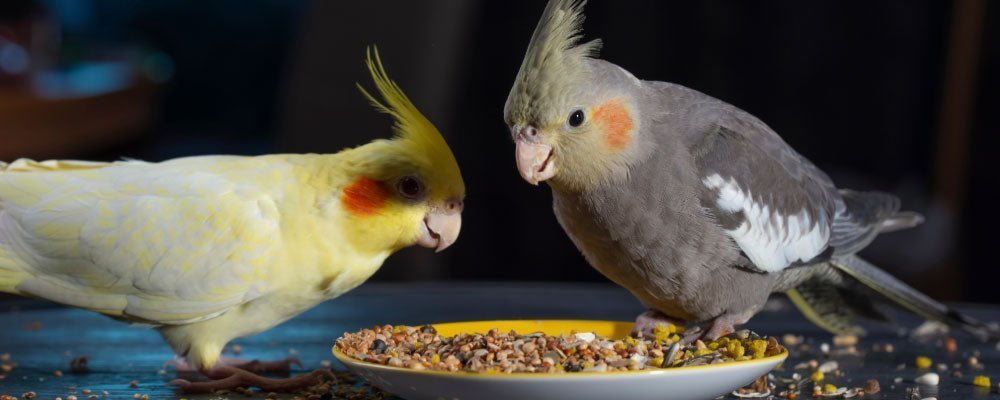
Cockatiel food typically contains seeds and grains, similar to what many wild birds eat. Sunflower seeds and millet are common ingredients in both diets. However, cockatiel food may also include pellets designed specifically to meet the nutritional needs of pet birds. These pellets often contain vitamins and minerals not typically found in wild bird food. Wild birds have varied diets that change with the seasons. They eat fruits, insects, and nectar, which cockatiel food might lack.
Potential Health Impacts
Feeding wild birds cockatiel food occasionally might not harm them, but relying on it could lead to nutritional gaps. Wild birds require a diverse diet to maintain their energy and health. Cockatiels have specific dietary needs because they're kept indoors. Their food is tailored to prevent deficiencies that wild birds might not experience. Think about the long-term impact. Could feeding wild birds cockatiel food affect their ability to forage naturally? It may lead to dependency, reducing their survival skills. In one of my birdwatching adventures, I noticed how quickly birds flocked to cockatiel food, but they seemed to leave quickly. This made me question: Are we meeting their nutritional needs or just offering a temporary snack? By understanding these differences, you can make informed choices that benefit the wildlife visiting your backyard. Would you consider mixing some local wild bird food with cockatiel food to offer a balanced meal?
Credit: www.npvet.co.nz
Risks Of Feeding Cockatiel Food
Feeding wild birds cockatiel food might seem harmless. Yet, it can pose risks. Wild birds have different dietary needs. Cockatiel food might not meet these needs. Understanding the risks helps protect the birds. This section explores potential dangers.
Allergic Reactions
Birds can react badly to unfamiliar ingredients. Cockatiel food may contain allergens. These allergens might trigger reactions. Symptoms include itching, swelling, or breathing issues. Wild birds lack immunity to some additives. Severe reactions can endanger their health.
Nutritional Deficiencies
Wild birds require specific nutrients. Cockatiel food might lack essential vitamins. Birds may miss proteins needed for energy. Deficiencies affect growth and survival. It can weaken their immune system. They may struggle to fight off diseases. Poor nutrition impacts their ability to thrive.
Benefits Of Feeding Cockatiel Food
Feeding wild birds can be a delightful experience. Cockatiel food, a mix of seeds and grains, offers a nutritious option. Many wonder about its benefits for wild birds. Let's explore why cockatiel food can be an excellent choice.
Convenience Factor
Cockatiel food is easy to find in stores. Its packaging makes storage simple. You can easily pour it into feeders. This saves time and effort. Wild birds can enjoy a quick meal. It's a handy option for busy bird lovers.
Supplementary Nutrition
Cockatiel food provides essential nutrients. It contains seeds and grains birds love. These ingredients offer protein and energy. Wild birds need these for daily survival. Feeding them cockatiel food supports their health. It adds variety to their diet.
Credit: www.seedzbox.co.uk
Alternative Feeding Options
Feeding wild birds with cockatiel food can be a good option. It often includes seeds and grains that wild birds enjoy. Ensure the food is free from artificial additives to keep birds healthy.
Feeding wild birds can be a delightful experience, but you might wonder if cockatiel food is suitable for them. Birds have diverse dietary needs, and while cockatiel food might seem like a convenient option, it's crucial to consider alternative feeding choices that cater to the specific nutritional requirements of various wild bird species. Exploring the right options will ensure that you provide beneficial nourishment, encouraging more birds to visit your garden and flourish.
Natural Food Choices
Wild birds thrive on natural food sources that mimic what they would find in their native habitats. Consider offering seeds, fruits, and insects, which are staples in their diet. You can collect berries from your garden or nearby areas, as they are a favorite among many birds. Insects like mealworms can be purchased or even found in your yard, providing protein and essential nutrients. Have you ever noticed how birds flock to areas with abundant insects? It's a testament to the importance of including them in your feeding regimen.
Commercial Bird Feed
Commercial bird feed is another excellent option, designed specifically for wild birds' dietary needs. These feeds often contain a mix of seeds, grains, and nuts, catering to a variety of species. Brands usually offer blends for specific birds, like finches or sparrows, ensuring you give them exactly what they need. Have you tried placing different feeds in separate feeders? It can be fascinating to observe which birds are drawn to certain blends. This approach also helps in attracting a diverse range of birds to your garden. Think about the joy and color different birds bring to your space. Wouldn't it be exciting to see a more vibrant array of species visiting your feeders?
Guidelines For Safe Feeding
Feeding wild birds cockatiel food can be risky. Their dietary needs differ from pet birds. Offering suitable seeds ensures safe feeding and healthy wildlife.
Feeding wild birds can be a delightful activity, bringing them closer to your garden and offering them much-needed nutrition. However, not all bird food is created equal, and you might wonder whether cockatiel food is suitable for wild birds. To ensure you’re providing safe and beneficial nourishment, it’s important to follow specific guidelines for feeding wild birds.
Portion Control
Too much of a good thing can be harmful. When offering cockatiel food to wild birds, it’s crucial to manage the amount. Overfeeding can lead to dependency, where birds rely solely on your supply. Aim to provide just enough to supplement their natural diet. A handful scattered daily can be sufficient, keeping them healthy without altering their natural foraging habits. Assess the number of birds visiting your garden and adjust portions accordingly. This helps prevent waste and keeps the balance of nature intact.
Frequency Of Feeding
Consider the frequency of feeding to promote healthy habits. Regular feeding can attract a larger variety of birds, but it’s essential to avoid creating a routine that disrupts their natural behaviors. Try feeding them every other day rather than daily. This encourages birds to continue searching for food elsewhere, maintaining their instinctual foraging skills. You might notice a change in bird visits during different seasons. Adapt your feeding schedule based on weather conditions and food availability in the wild. These guidelines are not just about what to feed but how to feed responsibly. Have you ever wondered if the birds appreciate this effort? Observing their interactions can be rewarding and insightful for anyone keen on understanding avian life.
Credit: www.walmart.com
Frequently Asked Questions
Can Cockatiel Food Attract Wild Birds?
Yes, cockatiel food can attract wild birds. Many wild birds enjoy seeds and grains found in cockatiel mixes. However, ensure the food is fresh and suitable for the species you wish to attract. Always research the dietary needs of specific wild birds in your area.
Is Cockatiel Food Safe For Wild Birds?
Cockatiel food is generally safe for many wild birds. It contains seeds and grains that wild birds can eat. However, it may not meet all nutritional needs of every wild bird species. It's best to provide a variety of foods to ensure balanced nutrition for wild birds.
What Wild Birds Eat Cockatiel Food?
Many seed-eating birds will eat cockatiel food. Birds like sparrows, finches, and doves can enjoy the seeds in cockatiel mixes. However, it's important to offer a diverse diet. Providing additional food options will attract a wider range of wild birds.
Can Feeding Wild Birds Cockatiel Food Harm Them?
Feeding cockatiel food occasionally won't harm wild birds. However, it shouldn't be their sole food source. Wild birds need a varied diet to meet their nutritional needs. Regularly offering a variety of foods will help ensure their health and well-being.
Conclusion
Feeding wild birds cockatiel food is generally safe. It offers a good mix of seeds and nutrients. But moderation is key. Some wild birds may prefer their natural diet. Observe their eating habits. Adjust the food based on their needs.
Always provide fresh water too. A varied diet supports bird health. Enjoy watching them thrive in your garden. Sharing food with birds can be rewarding. It connects you with nature. Keep learning about bird care. This helps you support local wildlife better.
Happy birdwatching!