


Have you ever found yourself pondering over the curious dietary habits of wild birds? Perhaps you've looked at that bag of uncooked quinoa in your pantry and wondered if it could be a nutritious treat for your feathered friends.
You're not alone. Many people are exploring alternative food options to support and attract wildlife to their gardens. But, is quinoa safe for birds? Before you scatter those tiny seeds, it's essential to know what impact they might have on the wild birds in your area.
We'll uncover the truths and myths about feeding uncooked quinoa to wild birds, ensuring you provide the best care for your avian visitors. Stick with us to discover whether your quinoa could become a delightful addition to the birds' diet or if it's best left on your plate.
Credit: earthlife.net
Benefits Of Quinoa For Birds
Quinoa, a superfood for humans, offers benefits for wild birds too. Its unique nutritional profile makes it a great addition to their diet. Feeding birds quinoa can support their health and energy levels.
Nutritional Value
Quinoa is rich in essential nutrients. It contains proteins, vitamins, and minerals. These nutrients support birds' overall health and growth. Quinoa also provides amino acids. These are crucial for maintaining strong feathers and muscles. The high fiber content aids digestion, keeping birds healthy.
Energy Boost
Wild birds need energy to fly and forage. Quinoa provides a quick energy source. Its complex carbohydrates offer sustained energy release. This helps birds stay active and alert. The energy from quinoa supports their daily activities, ensuring they thrive in the wild.
Is Uncooked Quinoa Safe?
Quinoa is rich in nutrients and often considered a superfood for humans. But is it safe for wild birds to eat uncooked quinoa? Many bird enthusiasts wonder about this, seeking to provide a healthy diet for their feathered friends.
Understanding the implications of feeding uncooked quinoa can prevent potential health issues. Let's explore whether it's a suitable option for wild birds.
Digestive Concerns
Uncooked quinoa might be hard for birds to digest. Birds have smaller digestive systems compared to humans. Their systems aren't adapted to handle certain raw grains. This might lead to discomfort or digestive issues.
Quinoa contains saponins, which can cause digestive irritation. Cooking reduces saponin levels, making it safer for consumption.
Potential Risks
Feeding uncooked quinoa could pose some risks to birds. Large grains might block their digestive tracts. This can lead to serious health issues. Birds might struggle to break down raw quinoa.
If you choose to feed quinoa, ensure it's cooked. This reduces the risk and makes it easier for birds to digest.
How Birds Process Quinoa
Feeding quinoa to wild birds might seem like a novel idea. While it's clear that quinoa is a nutrient-rich grain for humans, you might wonder how birds handle it. Let's dive into how birds process quinoa and see if it's suitable for their diet. Understanding their digestive systems and how they adapt to seeds can provide insights into this.
Birds' Digestive System
Birds have a unique digestive system designed to break down hard seeds and grains. Unlike humans, birds use a specialized organ called a gizzard. The gizzard grinds food using muscular action and sometimes small stones swallowed by the bird. This makes it easier for birds to digest grains like quinoa.
Have you ever watched a bird pecking at the ground? They might be picking up tiny stones. These stones help the gizzard break down food efficiently. You might think uncooked quinoa is hard to digest, but birds are equipped to handle it.
Adaptation To Seeds
Wild birds are naturally adapted to a diet rich in seeds. Their beaks and digestive systems have evolved to handle tough, fibrous materials. Quinoa, with its small size and nutritional profile, fits well into their dietary habits.
Think about the variety of seeds birds consume daily. Quinoa adds a diverse nutrient mix to their diet, offering proteins and vitamins. It’s not just about survival; it’s about thriving. Would adding quinoa help birds flourish in your backyard?
Next time you consider feeding birds, think about the seeds they process every day. By understanding their adaptation, you can make informed choices that benefit their health. Imagine the joy of watching a vibrant flock thriving with the help of your thoughtful contributions.
Credit: earthlife.net
Preparing Quinoa For Birds
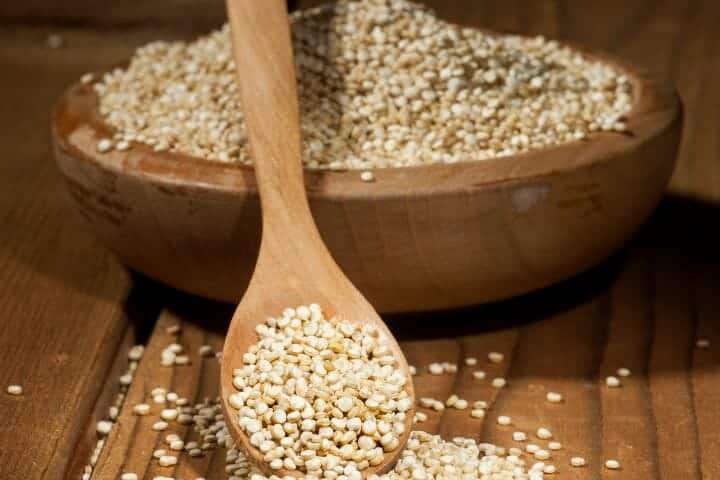
Uncooked quinoa is safe for wild birds and can be a nutritious addition to their diet. It provides essential proteins and nutrients, supporting their energy needs. Ensure quinoa is clean and free from additives before offering it to them.
Feeding wild birds can be a rewarding experience. Watching them flutter around your backyard is a joy in itself. If you're considering quinoa as a part of their diet, you might wonder how to prepare it for them. While quinoa is nutritious, proper preparation is key to ensuring that the birds benefit from it.
Cooking Vs. Raw
Many people might think that feeding raw quinoa to birds is fine. However, raw quinoa is hard and difficult for birds to digest. Cooking it softens the grains, making them easier for birds to consume. Just like you wouldn't eat uncooked pasta, birds find raw quinoa less appealing. By cooking it, you unlock its nutritional potential, providing your feathered friends with protein and essential amino acids.
Proper Serving Methods
Once you've cooked the quinoa, allow it to cool before serving. You can place it in a shallow dish or scatter it on the ground. Birds enjoy pecking at small grains. Offering quinoa alongside other seeds can entice a variety of birds to your yard. Remember to serve small portions. Quinoa expands when cooked, so a little goes a long way. Have you ever noticed birds ignoring certain foods? Sometimes, presentation matters. Mix quinoa with sunflower seeds or fruit pieces to make it more appealing. This combination can attract a diverse group of birds, enriching your backyard bird-watching experience. Are you ready to try this simple preparation method? By cooking quinoa and serving it thoughtfully, you're not only feeding birds but also inviting them into your life. Isn't it fascinating how a small change can lead to new connections with nature?
Alternative Bird Food Options
Feeding wild birds can be a delightful experience. Yet, it’s crucial to offer them nutritious and safe food. While uncooked quinoa might be an option, there are other alternatives. Let's explore some safe and healthy options for our feathered friends.
Seeds And Grains
Birds enjoy a variety of seeds and grains. Sunflower seeds are a popular choice. They provide essential fats and proteins. Millet is another great option. It's small and easy for birds to eat. Corn is also beneficial. It offers energy and is widely available. Oats are a healthy grain as well. They are packed with nutrients and easy to digest.
Fruits And Vegetables
Fruits can be a sweet treat for birds. Apples are a favorite. Just remove the seeds before serving. Berries are also loved by many birds. They are rich in vitamins and antioxidants. Vegetables like peas and corn are nutritious too. Chop them into small pieces for easy consumption. Leafy greens like spinach are excellent. They offer vital vitamins and minerals.
Tips For Feeding Wild Birds
Feeding wild birds can be a delightful experience. It connects us with nature and supports wildlife. Yet, it's crucial to feed them correctly to ensure their health and safety. Here are some tips to guide you in feeding wild birds effectively and responsibly.
Choosing Safe Foods
Not all foods are safe for wild birds. Choose seeds and grains that birds naturally eat. Quinoa can be a nutritious option, but it must be cooked. Uncooked quinoa is hard to digest and may harm birds. Always offer fresh fruits and vegetables. Avoid foods with high salt, sugar, or artificial additives.
Monitoring Bird Health
Observe birds for signs of illness or distress. Healthy birds are active and alert. If you notice unusual behavior, stop feeding them and consult an expert. Clean feeding areas regularly to prevent disease. Ensure water sources are clean and accessible. Providing a safe environment helps maintain their well-being.

Credit: avianreport.com
Frequently Asked Questions
Can Wild Birds Eat Uncooked Quinoa?
Yes, wild birds can eat uncooked quinoa. It is a nutritious seed that provides essential proteins and nutrients. However, some birds may prefer it cooked or mixed with other seeds. Always ensure it's offered in moderation to avoid digestive issues.
Is Uncooked Quinoa Safe For Birds?
Uncooked quinoa is generally safe for birds. It's packed with nutrients like amino acids, vitamins, and minerals. However, ensure the quinoa is free of any preservatives or additives. Offering a variety of seeds can also help maintain a balanced diet for the birds.
How Should Quinoa Be Prepared For Wild Birds?
You can offer quinoa to wild birds either cooked or uncooked. If cooking, avoid adding salt or spices. Simply rinse and boil it, then let it cool. Uncooked quinoa can be mixed with other seeds. Always provide fresh water nearby.
What Are The Benefits Of Feeding Quinoa To Birds?
Quinoa is rich in protein, essential amino acids, and dietary fiber. It provides energy and supports overall health. Its nutrients can help in feather growth and repair. Including quinoa in their diet offers variety and can enhance their nutritional intake.
Conclusion
Feeding uncooked quinoa to wild birds can be safe. Always ensure it's clean. Quinoa provides valuable nutrients for birds. It offers protein and fiber. Birds enjoy variety in their diet. Mix quinoa with seeds for balance. Watch birds as they eat.
Ensure they show interest. If unsure, consult a bird expert. Safe feeding practices are vital. Protect bird health and well-being. Consider your local bird species. Each has different dietary needs. Avoid feeding moldy or spoiled quinoa. Always prioritize fresh food.
Keep feeding areas clean. Enjoy watching birds thrive!