


Imagine stepping out into your garden, the morning sun warming your face, and the delightful sound of chirping birds filling the air. Feeding birds can turn this scene into your daily reality.
But, you may wonder, "Can you feed the birds? " The answer is more complex than you might think. Understanding the impact of your actions on these delicate creatures is crucial. You'll discover not only if you should feed the birds but also how to do it responsibly.
By the end, you'll be equipped with the knowledge to make your garden a haven for feathered friends, ensuring their safety and happiness while also bringing joy to your own life. Keep reading to find out how you can create a harmonious balance with nature right in your backyard.
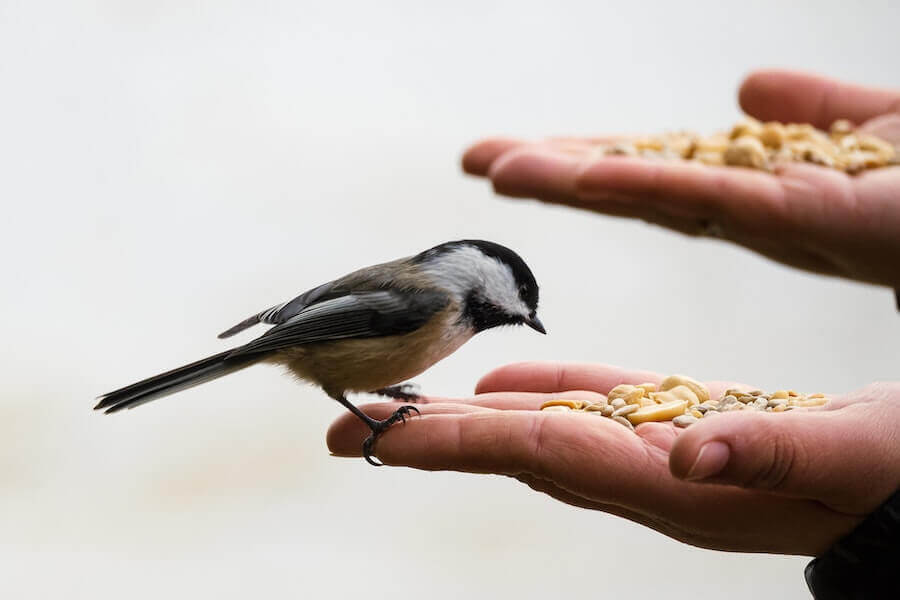
Credit: blog.lovegardenbirds.co.uk
Benefits Of Bird Feeding
Feeding birds supports their survival, especially during harsh weather. It attracts vibrant bird species to your garden. Observing these birds can bring joy and connection to nature.
Feeding birds can be a rewarding activity with numerous benefits. Not only does it support local wildlife, but it also provides you with a chance to enjoy the beauty of bird watching. By providing a simple bird feeder in your garden, you can create an inviting habitat for various bird species. This small gesture has a significant impact, offering a lifeline to birds, especially during harsh weather conditions.
Supporting Local Wildlife
Bird feeding helps maintain and support the local bird population. During winter, food sources become scarce, and your feeders can be a critical resource. Birds like sparrows, finches, and robins will appreciate the extra nourishment. You might notice an increase in the diversity of birds visiting your garden. This variety is not just entertaining but crucial for maintaining ecological balance. Different birds help control insect populations, pollinate plants, and disperse seeds. Have you ever wondered what bird species are native to your area? By feeding them, you become more aware of your local wildlife and contribute to their wellbeing.
Enjoying Bird Watching
Bird watching can be a delightful hobby that starts right from your window. Each morning, you might find yourself eagerly waiting to see which birds come to visit. This simple activity can reduce stress and bring a sense of peace and connection with nature. Feeding birds allows you to observe their behaviors and habits closely. You’ll notice the different ways they interact with each other and their environment. This can be educational, especially if you have children curious about nature. Consider keeping a journal to note down the different species you spot. How many can you identify by their unique colors and songs? This practice can be both fun and informative, enhancing your understanding of the avian world. By engaging in bird feeding, you’re not just helping birds; you’re enriching your own life with moments of joy and wonder.
Choosing The Right Bird Feed
Selecting the best bird feed helps support local bird populations. Provide seeds that match the birds in your area. These choices attract more species, enriching your backyard with diverse birdlife.
Choosing the right bird feed is crucial for attracting various bird species. Birds have different dietary needs, and understanding these can enhance your bird-feeding experience. Providing the right food not only helps birds but also encourages them to visit your garden regularly. This section will guide you on selecting the best bird feed, ensuring a safe and enjoyable environment for your feathered friends.
Types Of Seeds And Nuts
Birds enjoy a variety of seeds and nuts. Sunflower seeds are a favorite for many species. They are nutritious and easy to eat. Nyjer seeds attract finches with their small size and high oil content. Peanuts offer a rich source of protein and fat. They are perfect for larger birds like jays. Safflower seeds are less popular with squirrels, making them a great choice. Mixed seeds provide a balanced diet for multiple bird types. Choose mixes that include millet, oats, and corn.
Avoiding Harmful Ingredients
Some ingredients can harm birds. Avoid feeds with artificial colors or flavors. Preservatives may also pose risks to bird health. Stay clear of seeds coated in pesticides. Moldy or stale seeds can make birds sick. Check packaging for freshness. Avoid processed foods like bread or crackers. They lack essential nutrients and can cause harm. Ensure all feed is clean and dry before use. This prevents the growth of harmful bacteria or fungi.
Safe Bird Feeder Placement
Placing bird feeders safely is crucial for bird wellbeing. Thoughtful placement prevents accidents and ensures a safe feeding environment. Birds should enjoy feeding without unnecessary risks.
Distance From Windows
Windows can pose a danger to birds. They often don't see the glass. Position feeders either closer than 3 feet or farther than 30 feet from windows. This reduces collision risks significantly. Close feeders prevent birds from gaining speed. Distant feeders give birds room to maneuver.
Protection From Predators
Predators are a serious threat to birds. Cats and hawks are common dangers. Place feeders in areas where birds can see threats. Nearby shrubs or trees offer quick escape routes. Avoid placing feeders in open areas without cover. This keeps birds safe from sudden attacks.
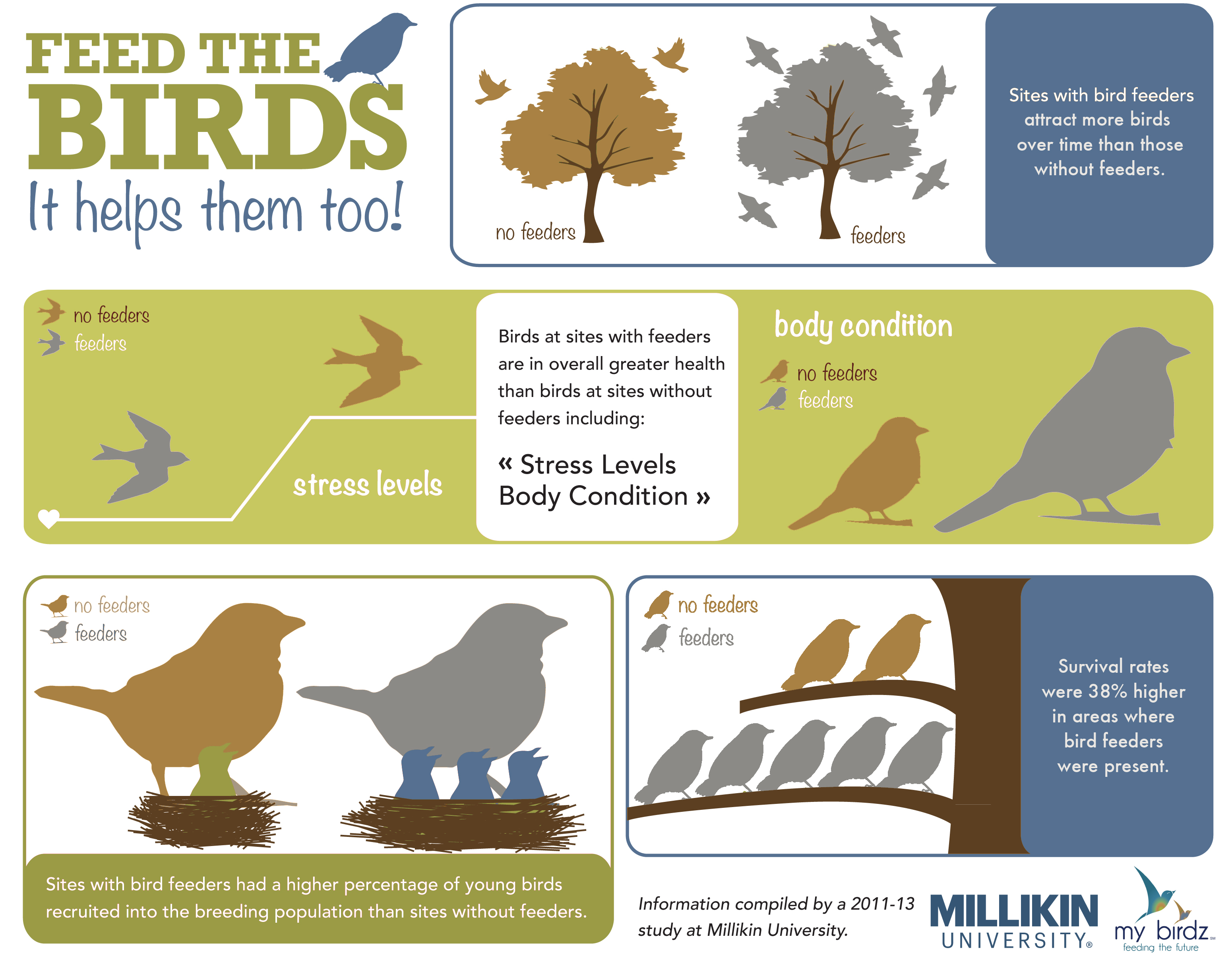
Credit: www.betterbirdfood.com
Regular Cleaning Practices
Feeding birds is a delightful pastime that connects us with nature. Regular cleaning practices ensure birds stay healthy. Dirty feeders can harbor bacteria and mold. Clean feeders attract more birds. This section guides you on maintaining feeder hygiene.
Preventing Disease Spread
Birds can spread diseases through contaminated feeders. Regular cleaning reduces this risk. Scrub feeders with warm soapy water. Rinse thoroughly to remove soap residue. Disinfect with a vinegar solution. Dry feeders completely before refilling. Clean surrounding areas to minimize disease spread. Healthy birds mean a vibrant garden.
Maintaining Feeder Hygiene
Proper hygiene keeps feeders in top condition. Inspect feeders for damage or mold. Replace worn-out parts immediately. Clean feeders weekly during peak feeding times. Use bird-safe cleaning products. Ensure feeders are free from old food. Store food in airtight containers. This prevents contamination and spoilage.
Seasonal Feeding Strategies
Bird feeding varies with seasons. During winter, birds need high-energy foods to survive the cold. In spring and summer, consider offering seeds, nuts, and fruits to support breeding.
Feeding birds throughout the year involves more than just scattering seeds on the ground. Seasonal feeding strategies ensure that you provide the right nutrition at the right time. Birds face different challenges with each season, and understanding these can make a real difference in their survival and well-being.
Adapting To Weather Changes
Weather changes can dramatically alter a bird's food availability. In winter, natural food sources become scarce. You might notice birds flocking to your feeders more frequently. Offer high-energy foods like suet and sunflower seeds to help them maintain their body heat. During summer, birds may need more protein-rich foods. Consider adding mealworms to your offerings. They help birds during molting and raising their young. Spring and autumn bring unpredictable weather. Sometimes, a cold snap can hit unexpectedly. Be ready to adjust the type and amount of food you provide to help birds cope with these sudden shifts.
Supporting Migration
Migration is a daunting journey for many bird species. As they travel, birds rely on stopover sites to rest and refuel. Your backyard can become a critical pit stop for these travelers. In early spring and late summer, stock your feeders with nutrient-dense options. Offer foods like nuts and berries that mimic their natural diet. This can help sustain their energy levels during long flights. Do you notice more birds visiting your feeders during migration seasons? It's an excellent opportunity to observe different species and learn about their habits. By supporting migrating birds, you're playing a vital role in their incredible journey. Each season brings unique challenges and opportunities. With a bit of planning, you can turn your backyard into a haven for our feathered friends all year round. How will you adapt your feeding strategies this season?

Credit: www.facebook.com
Understanding Bird Behavior
Understanding bird behavior is key to nurturing a harmonious relationship with the birds in your garden. Birds, much like humans, have unique personalities and preferences. Knowing what they like and how they act can transform your bird-feeding experience from a casual hobby to a fascinating daily ritual. Have you ever noticed how certain birds frequent your garden while others seem to avoid it? This isn't just chance; it's all about their behavior.
Identifying Common Species
Identifying the birds that visit your garden can feel like discovering hidden treasures. Each species has distinct characteristics that make them unique. Sparrows, with their chirpy personalities, are often spotted in urban areas. Blue jays, known for their striking colors, may be more prevalent in wooded areas. Do you know which birds are regulars in your backyard?
Take a moment to observe their size, color, and sounds. Jot down what you see and hear. This simple act helps you become more attuned to their presence.
Recognizing Feeding Patterns
Feeding patterns are essential to understanding bird behavior. Some birds eat directly from feeders, while others prefer ground feeding. You might notice that finches love hanging feeders. On the other hand, robins often forage for worms and insects on the ground.
Birds have peak feeding times, typically early morning and late afternoon. Adjust your feeding schedule accordingly to attract more visitors. How do you accommodate these habits in your bird-feeding routine?
Consider the type of seeds you provide. Sunflower seeds are a favorite for many species. However, the more diverse your offerings, the more diverse your bird visitors will be.
Engaging with birds isn't just about scattering seeds; it's about understanding their world. By observing and adjusting your approach, you're not just feeding birds—you're building a deeper connection with nature right in your backyard.
Creating A Bird-friendly Environment
Birds bring joy and life to any garden. Creating a welcoming space for them enhances your outdoor experience. It also supports local wildlife. Simple changes can attract more birds. A bird-friendly environment includes water, shelter, and food sources.
Providing Water Sources
Fresh water is essential for birds. Install a birdbath in your garden. Keep it clean and filled. Birds need water for drinking and bathing. A shallow dish works well too. Running water attracts more birds. Consider a small fountain or drip system. Ensure the water is not too deep. Birds prefer shallow areas to splash.
Offering Shelter
Birds need places to rest and hide. Plant shrubs and trees to offer shelter. Dense foliage protects from predators. Provide nesting boxes for added safety. Choose boxes designed for specific species. Avoid overcrowding to reduce stress. Shelter helps birds feel secure. A safe environment encourages them to stay.
Ethical Considerations
Feeding birds requires thoughtful ethical considerations. Food choices can affect bird health and local ecosystems. Understanding bird nutrition and natural feeding behaviors ensures a positive impact.
Feeding birds is a delightful way to connect with nature. However, it's important to consider the ethical implications of this activity. Are we helping them or interfering with their natural behaviors? This section explores the ethical considerations you should think about before reaching for that bag of birdseed.
Balancing Human Impact
Feeding birds can impact their natural behaviors. Birds may become reliant on human-provided food and lose essential foraging skills. It's vital to ask yourself: Are you supporting their survival, or are you making them dependent? Consider seasonal feeding. In winter, natural food sources are scarce, and your help can be a lifeline. Yet, during abundant seasons, birds might benefit more by foraging naturally.
Respecting Natural Habitats
When feeding birds, you should respect their natural habitats. Avoid placing feeders in areas where they might disrupt local wildlife. I once placed a feeder too close to a nesting site, which caused distress to the resident birds. Think about the location. Is it safe from predators? Is it a place where birds feel secure and undisturbed? Your choices can significantly affect their well-being. Always clean feeders regularly. Dirty feeders can spread diseases among birds. By maintaining cleanliness, you're ensuring a healthier environment for our feathered friends. Feeding birds is a joyful pursuit, but it comes with responsibilities. Are you ready to consider your impact and make informed choices? Your actions can make a world of difference in the lives of these beautiful creatures.
Frequently Asked Questions
Can You Feed Birds Bread Safely?
Feeding birds bread is not recommended. Bread lacks essential nutrients that birds need to stay healthy. It can lead to malnutrition and other health issues. Instead, offer seeds, fruits, or specially formulated bird food that provides better nutrition.
What Is The Best Food For Birds?
The best food for birds includes seeds, nuts, fruits, and insects. These foods provide essential nutrients and energy. Different bird species have specific dietary needs. It's important to research and provide suitable food for the birds you want to attract.
Is It Okay To Feed Birds Daily?
Feeding birds daily is generally okay, but it's important to maintain moderation. Overfeeding can lead to dependency and disrupt their natural foraging habits. Ensure a balanced diet and keep feeding areas clean to prevent disease.
What Time Of Year Should You Feed Birds?
Feeding birds is most beneficial during winter and spring. In winter, food is scarce, and birds need extra energy. In spring, birds require more nutrients for breeding. Adjust feeding habits based on seasonal needs and local bird populations.
Conclusion
Feeding birds can be a delightful activity. It supports their survival, especially during tough seasons. It's crucial to choose the right food. Seeds, nuts, and fruits work well. Avoid bread; it lacks nutrients. Clean feeders regularly to prevent disease. Enjoy watching their vibrant colors and playful antics.
Feeding birds connects us with nature. It's a simple way to make a positive impact. Remember, every small action counts. Creating a safe space for birds can enrich your environment. Take time to appreciate their beauty. You’ll find joy in their presence.
Happy bird watching!