


Have you ever watched birds fluttering around your backyard, bringing joy and life to your outdoor space? If you’re a bird enthusiast, you might be wondering how to attract more of these beautiful creatures to your garden.
Feeding birds can be a delightful hobby, but choosing the right food is crucial. You might have heard about sunflower seeds as a popular choice, but is it really safe to feed them to your feathered visitors? We'll explore the benefits and potential pitfalls of offering sunflower seeds to birds, ensuring you're giving them the best possible nourishment.
Stay with us to discover how you can turn your garden into a bird paradise and enjoy the enchanting presence of these winged wonders.
Benefits Of Sunflower Seeds For Birds
Sunflower seeds provide essential nutrients for birds, including healthy fats and proteins. They help birds maintain energy and support vibrant feathers. Offering sunflower seeds can also attract a variety of bird species to your garden, enhancing your bird-watching experience.
Feeding birds can be a rewarding hobby, bringing nature right to your backyard. One of the best treats you can offer is sunflower seeds. These seeds are not just a favorite among many bird species, but they also pack numerous benefits that can enhance the health and vitality of your feathered visitors.
1. Nutrient-rich Powerhouse
Sunflower seeds are loaded with essential nutrients. They provide a rich source of proteins, healthy fats, and vitamins such as Vitamin E. These nutrients help birds maintain strong feathers, boost their immune system, and improve their overall energy levels.
2. Easy To Digest
Birds can easily digest sunflower seeds. Their soft shell and tender kernel make it simple for birds to crack open and consume. This ease of digestion ensures that birds can quickly gain energy, especially during colder months when food is scarce.
3. Attracts A Variety Of Birds
Sunflower seeds are a magnet for a diverse range of bird species. From vibrant cardinals to cheeky chickadees, these seeds appeal to both common and rare visitors. Offering sunflower seeds can make your backyard a bustling hub of avian activity.
4. Supports Breeding Success
The high-fat content in sunflower seeds is particularly beneficial during breeding seasons. Birds need extra energy to nest, lay eggs, and feed their young. By providing sunflower seeds, you support the reproductive success of your backyard birds.
5. Economical And Widely Available
Sunflower seeds are both affordable and readily available at most pet and grocery stores. You don’t need to invest a lot to keep your feathered friends happy. With a small bag of seeds, you can enjoy countless hours of birdwatching right from your window. Have you ever noticed how a simple addition like sunflower seeds can transform your backyard into a lively bird sanctuary? Next time you’re filling up the feeder, think about the joy and benefits these tiny seeds bring to your avian companions. What other simple changes could attract more wildlife to your home?
Credit: www.gardeningknowhow.com
Types Of Sunflower Seeds For Bird Feeding
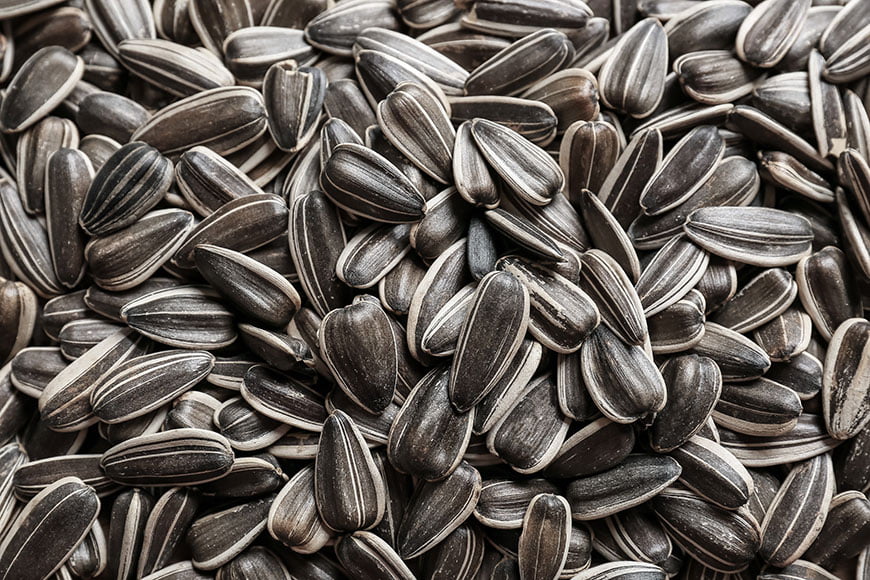
Sunflower seeds are great for bird feeding. Black oil sunflower seeds are popular due to their high-fat content. Striped sunflower seeds are larger and harder for small birds to crack but enjoyed by larger birds.
Are you curious about the best sunflower seeds to offer your feathered visitors? Birds, much like humans, have their preferences when it comes to food. Choosing the right sunflower seeds can attract a vibrant variety of birds to your garden. Each type of seed has its unique benefits and appeals to different bird species. Let’s explore the types of sunflower seeds available for bird feeding, and see which ones might suit your backyard best.
Black Oil Sunflower Seeds
Black oil sunflower seeds are a favorite among many bird species. Their thin shells make them easy to crack open, even for smaller birds. These seeds are rich in oil and provide ample energy, especially important during the colder months. In my experience, adding black oil sunflower seeds to a feeder resulted in a noticeable increase in visitors. Chickadees, nuthatches, and even woodpeckers seemed to flock to my yard. Have you observed similar results with black oil seeds?
Striped Sunflower Seeds
Striped sunflower seeds are larger and have thicker shells compared to black oil seeds. They are preferred by bigger birds like cardinals, jays, and grosbeaks. The thicker shell can deter smaller birds, which might be a plus if you're aiming to feed larger species. One day, I noticed a group of cardinals enjoying a mix of seeds. The striped sunflower seeds were the last ones remaining. It made me wonder about the preferences of different birds. Have you ever seen certain seeds left behind in your feeder?
Shelled Vs. Unshelled Seeds
Choosing between shelled and unshelled seeds can impact the cleanliness of your feeding area. Shelled seeds, also known as hulled seeds, create less mess. Birds can quickly consume them, leaving behind no shell debris. However, unshelled seeds provide a natural foraging activity for birds. They enjoy the process of cracking open the shell to reach the nutritious kernel inside. Do you prefer a tidy feeding area, or do you enjoy watching birds work for their meal? Selecting the right type of sunflower seed for your bird feeder can make a big difference in the variety and number of birds you attract. Why not experiment with different types and observe which seeds your feathered friends prefer? Your backyard could become a bustling hub of avian activity!
Nutritional Value Of Sunflower Seeds
Feeding birds is a delightful hobby that connects us with nature and brings life to our gardens. You might wonder whether sunflower seeds are a good choice for your feathered friends. The answer is a resounding yes! Sunflower seeds are not only a favorite among many bird species, but they also offer a range of nutritional benefits. Understanding these benefits can help you make informed choices about your bird feeding practices.
Protein Content
Sunflower seeds are rich in protein, which is essential for birds' growth and maintenance. Protein helps birds develop strong muscles and feathers, ensuring they can fly efficiently and stay warm. Imagine watching a lively cardinal or vibrant goldfinch fluttering around your yard, powered by a protein-rich diet. Wouldn't you love to provide that energy boost?
Essential Vitamins
These seeds are packed with essential vitamins like vitamin E and B-complex vitamins. Vitamin E promotes healthy skin and feathers, while B-complex vitamins support metabolism and overall vitality. Birds, just like humans, need a balanced diet to thrive. Do you want to see your backyard visitors with shiny feathers and vibrant energy? Sunflower seeds can be a part of that nourishing diet.
Healthy Fats
Sunflower seeds contain healthy fats that are crucial for birds, especially during colder months. These fats provide energy and help birds maintain their body temperature. Watching a chickadee fluff up its feathers against the winter chill, you realize the importance of offering food that sustains them through the seasons. Are your feeders ready to support birds through all weather?
Next time you refill your bird feeder, consider adding sunflower seeds. They offer a wealth of nutrition that can help your avian visitors thrive. How will you enhance your bird-feeding experience today?
Potential Risks Of Feeding Sunflower Seeds
Feeding sunflower seeds to birds may cause digestive issues due to their high-fat content. These seeds can lead to obesity if consumed excessively. Moldy seeds pose serious health risks, potentially leading to illness or death.
Feeding birds sunflower seeds can be rewarding. Birds love them for their taste and nutrients. But, there are risks to consider. These risks can affect both birds and their environment. Understanding these can help you make better feeding choices.
Overeating Concerns
Birds might overeat sunflower seeds. They are rich in fats and calories. Excessive intake can lead to obesity. This affects their ability to fly and escape predators. Balancing their diet with other seeds is crucial.
Allergy Considerations
Some birds might be allergic to sunflower seeds. This can cause health issues. Allergic reactions can vary. They may include skin irritation or digestive problems. Observing birds' reactions is important. If problems arise, stop offering these seeds.
Mold And Contamination Risks
Sunflower seeds can mold if stored improperly. Moldy seeds pose health risks to birds. Contaminated seeds can introduce harmful toxins. Keep seeds dry and in airtight containers. Regularly check for any signs of mold or spoilage. `
How To Safely Introduce Sunflower Seeds
Birds can enjoy sunflower seeds as a nutritious treat. Introduce them gradually to prevent digestive issues. Monitor their response and adjust the quantity for safe feeding.
Introducing sunflower seeds to birds can be a delightful experience. These seeds are a popular treat for many bird species. Yet, ensuring the safety of our feathered friends is crucial. Follow these steps to introduce sunflower seeds safely. This ensures birds thrive and enjoy their new snack. Let's dive into the details.
Choosing The Right Seeds
Select seeds without salt or added flavors. Flavored seeds can harm birds. Opt for black oil sunflower seeds. They are easier for birds to consume. These seeds have thinner shells and provide more energy.
Proper Storage Techniques
Store sunflower seeds in a cool, dry place. Moisture can lead to mold growth. Moldy seeds can make birds sick. Use airtight containers to keep seeds fresh. This prevents pests and contamination.
Monitoring Bird Health
Observe birds for any health changes. Look for any signs of distress or illness. Ensure they maintain their usual activity levels. If birds appear unwell, reconsider the seed type or quality. Regular checks help maintain bird health.
Alternative Bird Feed Options
When it comes to feeding birds, sunflower seeds are a popular choice. But what if you want to diversify the menu for your feathered friends? Offering alternative bird feed options can attract a variety of bird species to your garden. Let's explore some exciting alternatives that can enhance your bird feeding experience.
Mixed Seed Blends
Mixed seed blends are a versatile option for bird enthusiasts. They can include a variety of seeds such as millet, cracked corn, and safflower. Each type of seed attracts different birds, creating a colorful and lively atmosphere.
Have you ever watched a group of finches flutter around your feeder? Adding mixed seed blends can turn your backyard into a birdwatcher's paradise. Don't be surprised if you spot new visitors eager to sample your offerings.
Fruits And Vegetables
Birds enjoy fruits and vegetables just as much as we do. You can offer sliced apples, oranges, or even berries to attract fruit-loving birds. Vegetables like peas and corn can also be a hit with some species.
Imagine the delight of watching birds nibble on fresh produce. It's a simple yet effective way to provide a nutritious treat while reducing food waste. Are you ready to experiment with what's in your kitchen?
Commercial Bird Feed
Commercial bird feed is designed to meet the nutritional needs of various bird species. These mixes often contain seeds, grains, and nuts. They can be found at most garden centers or pet stores.
Do you want to offer a convenient and balanced diet? Commercial bird feed is an easy option that ensures your feathered friends get the nutrients they need. It's worth considering if you're looking for a hassle-free feeding solution.
Have you tried any of these alternative options? Consider mixing things up and see how your local bird community responds. Your backyard can become a haven for birds, filled with diverse sounds and sights.
Observing Birds' Preferences
Feeding sunflower seeds to birds can be a delightful activity that not only nourishes them but also allows you to observe their preferences closely. As you scatter sunflower seeds in your garden or balcony, you might notice intriguing behavioral patterns among different bird species. Understanding these preferences can help you cater to their needs more effectively and make bird watching a rewarding experience.
Behavioral Changes
Have you ever noticed birds flocking to your feeder as soon as you fill it with sunflower seeds? It's not just hunger; sunflower seeds often evoke excited behavior. Some birds, like chickadees and cardinals, might pick a seed and quickly fly away to enjoy it in private.
Others may linger around, inspecting the seeds carefully before deciding on the perfect one. Observing these behaviors can reveal which birds are more social and which prefer solitude during meals. The choices birds make can tell you a lot about their personalities.
Seasonal Variations
Birds’ preferences for sunflower seeds can change with the seasons. In colder months, high-fat seeds like sunflowers are crucial for birds to maintain energy levels. You might find more birds visiting your feeders during winter, seeking the nourishment these seeds provide.
In warmer months, the variety of available food sources might shift birds’ interest away from seeds to insects or fruits. Observing these seasonal changes can help you adjust your feeding strategy accordingly, ensuring your feathered friends get what they need throughout the year.
Species-specific Choices
Different bird species have distinct tastes. While blue jays might favor larger seeds, finches often prefer smaller, shelled options. You might notice sparrows and doves congregating around mixed seed feeders, while titmice seem to prefer sunflower seeds exclusively.
If you aim to attract specific species, offering the right type of sunflower seeds can make all the difference. Consider keeping a small notebook to jot down your observations—this can be a fun and educational way to enhance your bird feeding experience.
Have you noticed any particular preferences among the birds in your area? Next time you fill your feeder, take a moment to watch and learn. Your observations can guide you in creating a more inviting environment for your feathered visitors.
Credit: www.reallywildbirdfood.co.uk
Credit: currumbinvetservices.com.au
Frequently Asked Questions
Can Birds Eat Sunflower Seeds Safely?
Yes, birds can safely eat sunflower seeds. They provide essential nutrients and energy. Sunflower seeds are popular among many bird species. Ensure seeds are fresh and free from mold. Offer them in feeders to attract various birds.
What Types Of Birds Eat Sunflower Seeds?
Many birds enjoy sunflower seeds, including cardinals, finches, and chickadees. They are a favorite among backyard birds. Sunflower seeds attract a wide variety of species. Keep feeders filled to see diverse birds visiting.
Are All Sunflower Seeds Good For Birds?
Not all sunflower seeds are ideal for birds. Black oil sunflower seeds are preferred. They have thinner shells and more nutrients. Avoid salted or flavored seeds, as they can harm birds. Always choose seeds specifically labeled for birds.
How To Prepare Sunflower Seeds For Birds?
To prepare, simply provide the seeds in a clean feeder. Ensure seeds are fresh and dry. No need to remove shells; birds handle them. Regularly clean the feeder to prevent mold and bacteria growth.
Conclusion
Sunflower seeds are great for feeding birds. Birds love their taste. They're nutritious and provide energy. Easy to find, these seeds attract many species. Clean feeders regularly to keep them healthy. Avoid salted or flavored seeds. They can harm birds.
Offer fresh water alongside for hydration. Watching birds enjoy sunflower seeds is rewarding. Brings nature closer to your home. A simple way to support local wildlife. Encourage diverse bird visits with these seeds. A small effort, but a big impact on bird health.
Enjoy the beauty and joy they bring to your garden.