


Are you curious about what treats you can offer the feathery friends visiting your garden? If you've ever wondered, "Can you feed dried fruit to birds?"
You're not alone. Feeding birds is a delightful way to connect with nature, but knowing the right diet is crucial. Imagine your garden bustling with vibrant bird activity, all while ensuring their health and happiness. We'll explore whether dried fruits are a safe and nutritious choice for your avian visitors.
Keep reading to uncover the surprising benefits and potential pitfalls, and transform your backyard into a bird-friendly haven. Let's dive into the world of bird feeding and discover how you can make a positive impact on your local wildlife.
Benefits Of Dried Fruit For Birds
Feeding birds can be a delightful experience. Offering them dried fruit adds variety to their diet. It provides essential nutrients and energy. This makes dried fruit a valuable addition to bird feeding routines. Let's explore the benefits further.
Nutritional Value
Dried fruit contains vital vitamins and minerals. It offers birds a source of vitamins A and C. These vitamins support their immune system. Minerals like potassium and iron are also present. These aid in overall health and vitality. The fiber in dried fruit promotes healthy digestion. This keeps birds feeling full and satisfied.
Energy Source
Birds need energy for flying and daily activities. Dried fruit is a concentrated energy source. It provides quick fuel for their active lives. The natural sugars in dried fruit offer fast energy. This is crucial, especially in colder months. Birds burn more calories then to stay warm.
Credit: naturenotesblog.blogspot.com
Types Of Dried Fruit Suitable For Birds
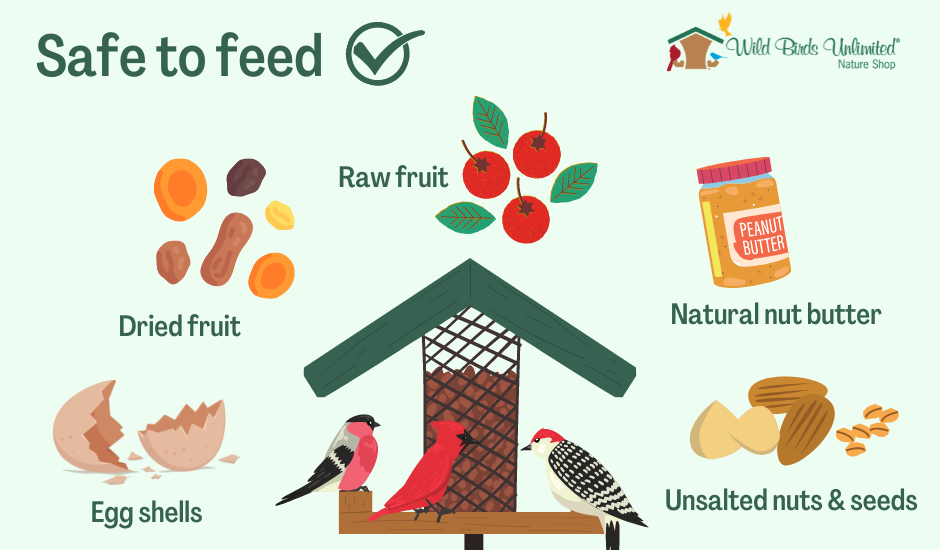
Birds can enjoy dried fruits such as raisins, apricots, and cranberries. These fruits provide essential nutrients and energy. It's important to offer dried fruits without added sugars or preservatives to ensure their safety and health.
Feeding birds can be a delightful experience, and offering them a variety of foods can attract different species to your backyard. Dried fruit is a great option to consider. It’s easy to store, provides essential nutrients, and is a delightful treat for many bird species. But not all dried fruits are suitable for our feathered friends. Let’s explore which types can be safely added to your bird feeding routine.
Raisins And Sultanas
Raisins and sultanas are popular choices for bird lovers. They are rich in natural sugars and provide a quick energy boost. Birds such as robins and blackbirds love them. Always soak them in water first to soften them up, making them easier for birds to digest. Imagine watching a robin eagerly pecking at these tiny, juicy treats.
Dried Apples And Pears
Dried apples and pears are another excellent option. They are packed with vitamins and are soft enough for birds to handle. Slice them into small pieces before offering them to your avian visitors. You might notice that finches and sparrows show particular interest in these fruits.
Apricots And Peaches
Apricots and peaches can be a delightful surprise for birds. These fruits are high in vitamins A and C, which are essential for maintaining healthy plumage. Cut them into manageable pieces to prevent choking hazards. Are you curious if your local bird population will enjoy these fruity offerings?
Dried Berries
Dried berries, such as cranberries and blueberries, are small and easy for birds to eat. They offer antioxidants and other beneficial nutrients. Scatter them on the ground to attract a variety of birds, from thrushes to waxwings. You might find your backyard turning into a vibrant feeding ground filled with chirping excitement. When selecting dried fruits, always ensure they are free from additives, like sugar and preservatives. Keep an eye on the fruits you offer, and observe which ones your local birds prefer. Your backyard could become a bird paradise with the right dried fruit selection. What new feathered friends will you attract today?
Potential Risks Of Feeding Dried Fruit
Dried fruit might seem like a tasty treat for birds. Yet, it carries potential risks. Birds have different dietary needs than humans. Feeding them dried fruit requires caution.
Additives And Preservatives
Many dried fruits contain additives. These chemicals preserve the fruit. They enhance flavor but may harm birds. Birds need natural food sources. Additives can upset their stomachs. Always check labels for such ingredients.
Sugar Content
Dried fruit often contains high sugar levels. Sugar boosts energy but can be unhealthy. Birds need balanced nutrition. Too much sugar can lead to obesity. It may also cause digestive problems. Choose fruits with low sugar content.
Choking Hazards
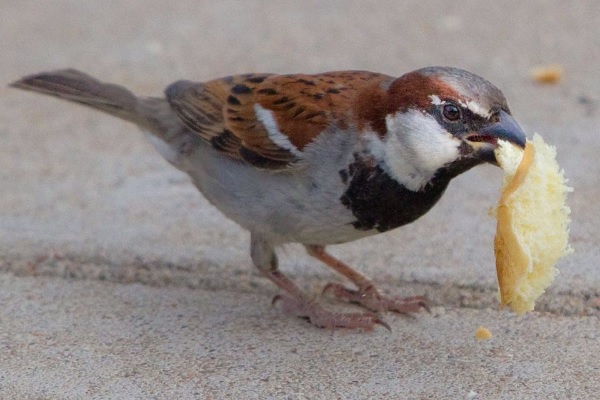
Small birds face choking risks with dried fruit. Dried fruit is often hard and sticky. Birds can choke while trying to eat it. Large pieces might get stuck in their throats. Cut the fruit into small pieces. Ensure safety with every bite.
Credit: www.reallywildbirdfood.co.uk
Preparation Tips For Dried Fruit
Feeding dried fruit to birds can be a delightful treat for them, but it's essential to prepare it correctly to ensure their safety and enjoyment. Just as we enjoy our meals best when properly prepared, birds too can benefit from a little extra attention to detail. Here are some practical tips to enhance your dried fruit offering, ensuring that it's both safe and palatable for your feathered friends.
Soaking And Softening
Dried fruit can be quite tough, making it difficult for birds to eat. A simple way to soften dried fruit is by soaking it in water. This not only makes it easier for birds to chew but also helps them absorb more nutrients.
Try placing the dried fruit in a bowl of water for a few hours. You’ll notice it becomes plumper and softer. This method is particularly useful if you want to attract smaller birds who might struggle with hard textures.
Chopping Into Small Pieces
Birds vary in size, and so should the pieces of dried fruit you offer. Small, manageable pieces can make a world of difference to a bird. Imagine trying to eat something larger than your mouth!
Use a sharp knife to chop the fruit into bite-sized bits. This is especially important for larger fruits like apricots or figs. Small cuts can prevent choking hazards and make the fruit more appealing to smaller birds.
Ensuring Freshness
Freshness is key when providing dried fruit to birds. Stale fruit loses its flavor and nutritional value. Would you enjoy eating something that's been sitting around for weeks?
Always check the expiration date before offering dried fruit. Store it in a cool, dry place to maintain its quality. If you notice any signs of mold or unusual smell, discard it immediately. Your feathered visitors deserve the best, just like you do!
Have you ever thought about how a simple change in preparation can attract more birds to your garden? Try these tips and watch your avian community grow! Your efforts might just make your garden the favorite hangout spot for birds in the neighborhood.
Alternatives To Dried Fruit
Birds can eat dried fruit, but fresh fruit may be a healthier choice. Fresh fruit provides more moisture and natural nutrients. Consider offering apples, berries, or grapes. These options are often easier for birds to digest and enjoy.
Feeding dried fruit to birds might seem like a convenient option, but it's not always the best choice for our feathered friends. Dried fruit can be high in sugar and may contain preservatives that are not suitable for birds. Luckily, there are plenty of healthier alternatives to consider. These options not only provide essential nutrients but also offer variety in their diet. Let’s explore some practical alternatives that can keep the birds in your backyard happy and healthy.
Fresh Fruit Options
Offering fresh fruit to birds is a delightful way to supplement their diet. Apples, pears, and berries are excellent choices. Remember to remove seeds and pits, as they can be toxic. Do you have a fruit tree in your garden? Fallen fruits can be left on the ground for birds to peck at. This not only feeds the birds but also reduces garden waste.
Commercial Bird Foods
Commercial bird foods are specifically designed to meet birds' nutritional needs. They often contain a balanced mix of seeds, grains, and pellets. Look for brands that avoid artificial additives and focus on natural ingredients. Have you noticed that certain blends attract more birds to your feeder? Experimenting with different types can help you discover what the local bird population prefers.
Supplements And Treats
Birds enjoy a variety of treats just as much as we do. Consider offering nuts, mealworms, or suet as occasional supplements. These are packed with protein and energy, especially beneficial during cold months. Have you ever watched a woodpecker feast on a suet cake? It’s a joy to see how such small changes can make your backyard a bustling hub of activity. When choosing treats, moderation is key. While supplements can be nutritious, they should not replace a balanced diet. Always ensure fresh water is available, as treats can increase thirst. By opting for these alternatives to dried fruit, you can support the health and well-being of your local bird community. Have you tried any of these options before? Consider starting today and watch as your feathered visitors flourish.
Observing Bird Reactions
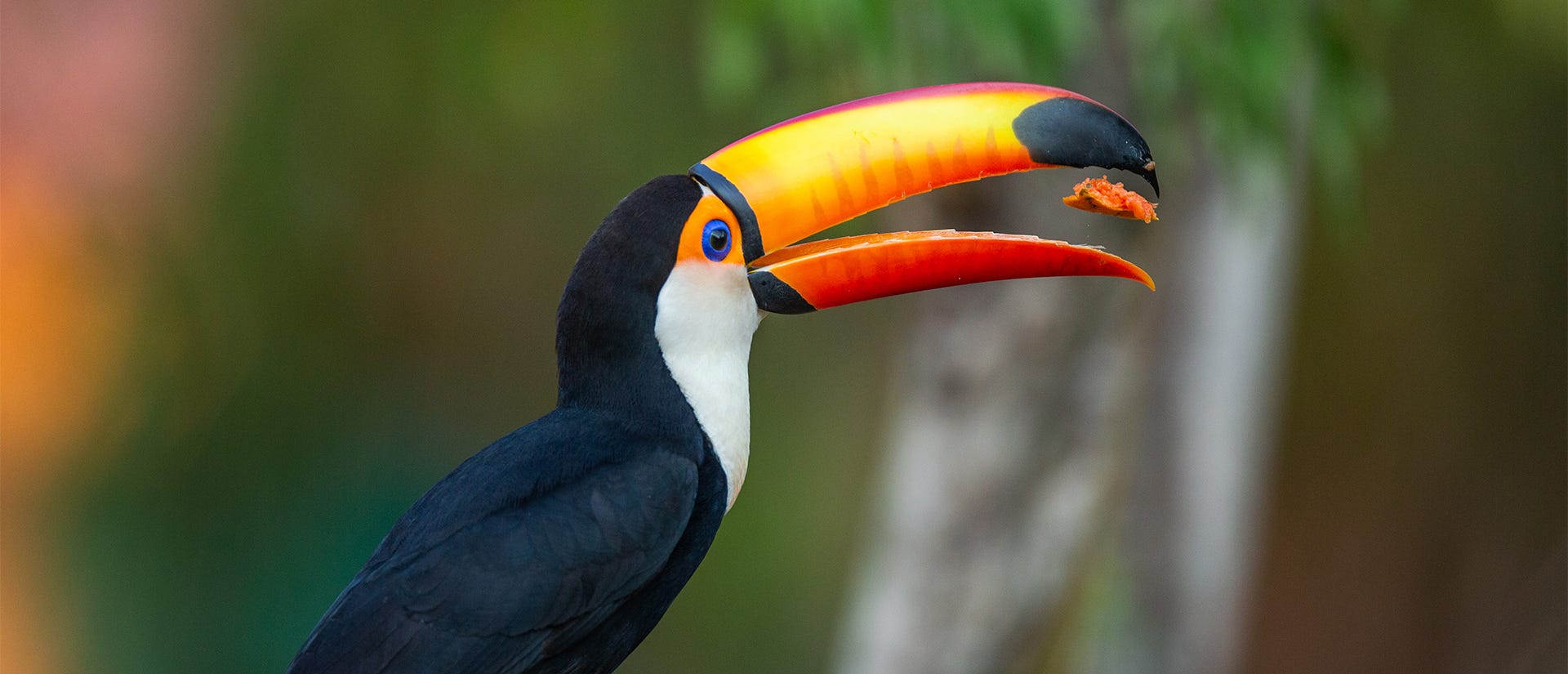
Observing bird reactions to dried fruit can be fascinating. Birds have unique ways to show their preferences and dislikes. Watching them can provide insights into their dietary habits. Understanding these reactions helps in ensuring a balanced diet for them.
Signs Of Enjoyment
Birds exhibit certain behaviors when they enjoy food. They may chirp excitedly or flap their wings. Some birds might even dance or hop around. These actions indicate they find the dried fruit tasty.
Another sign is the eagerness to eat. Birds may rush to the food bowl. They might peck at the dried fruit eagerly. This shows they are pleased with the offering.
Possible Allergies
Some birds might react negatively to dried fruit. Sneezing or scratching can be signs of discomfort. Pay attention to their behavior after consuming the fruit.
Birds may also avoid the fruit altogether. This could indicate a dislike or allergy. It's important to monitor these reactions closely.
Adjusting Diet
If dried fruit causes discomfort, consider diet changes. Introduce small amounts first. Observe how birds respond to these portions. Gradually increase if they show positive reactions.
It's crucial to maintain variety in their diet. Balance dried fruit with seeds and fresh produce. This ensures they receive all essential nutrients.
Credit: www.perkypet.com
Frequently Asked Questions
Can Birds Eat Dried Fruit Safely?
Yes, birds can eat dried fruit safely in moderation. Dried fruits provide essential nutrients, but ensure they're free from added sugars or preservatives. Always chop them into small, manageable pieces to prevent choking hazards. Offering a variety of foods, including seeds and fresh fruits, ensures a balanced diet for birds.
Which Dried Fruits Are Best For Birds?
Birds enjoy dried fruits like raisins, apricots, and figs. These fruits are rich in nutrients and easy to digest. Avoid fruits with pits or seeds, like cherries, which can be harmful. Always offer dried fruits sparingly alongside other bird-friendly foods for a balanced nutritional intake.
How Often Should Birds Eat Dried Fruit?
Offer dried fruit to birds occasionally, not daily. It should complement their regular diet of seeds, grains, and fresh fruits. Too much dried fruit can lead to imbalanced nutrition. Monitor their intake to ensure they maintain a healthy and varied diet for optimal health.
Are There Any Dried Fruits Toxic To Birds?
Yes, some dried fruits can be toxic to birds. Avoid dried fruits like avocado and chocolate-covered items, which are harmful. Ensure all dried fruits offered are free of added sugars and preservatives. Always research and verify the safety of specific fruits before feeding them to birds.
Conclusion
Feeding dried fruit to birds can be a safe choice. It's important to choose unsweetened and natural options. Birds enjoy a variety of fruits, which provide essential nutrients. Moderation is key, as too much sugar isn't healthy. Always check for preservatives that might harm birds.
Wash the fruit well before offering. Fresh water nearby helps digestion. Remember, variety in diet keeps birds healthy and happy. Consider consulting a vet for specific advice. Observing birds' preferences can be fun and informative. Enjoy the process and watch nature thrive in your backyard.