


Have you ever found yourself with leftover rice and wondered if it's something you could share with the wild birds in your backyard? You're not alone.
Many bird enthusiasts and casual nature lovers alike ponder whether offering cooked rice to our feathered friends is a good idea. Before you toss those grains into your bird feeder, there are a few things you should know. Understanding the impact of your choice on bird health and their natural diet is crucial.
So, should you or shouldn't you? Stick around, and we'll uncover the truth behind feeding cooked rice to wild birds, ensuring your actions are both safe and beneficial for your avian visitors. Your curiosity could lead to more harmonious interactions with nature right outside your door.

Credit: avianreport.com
Nutritional Value Of Cooked Rice
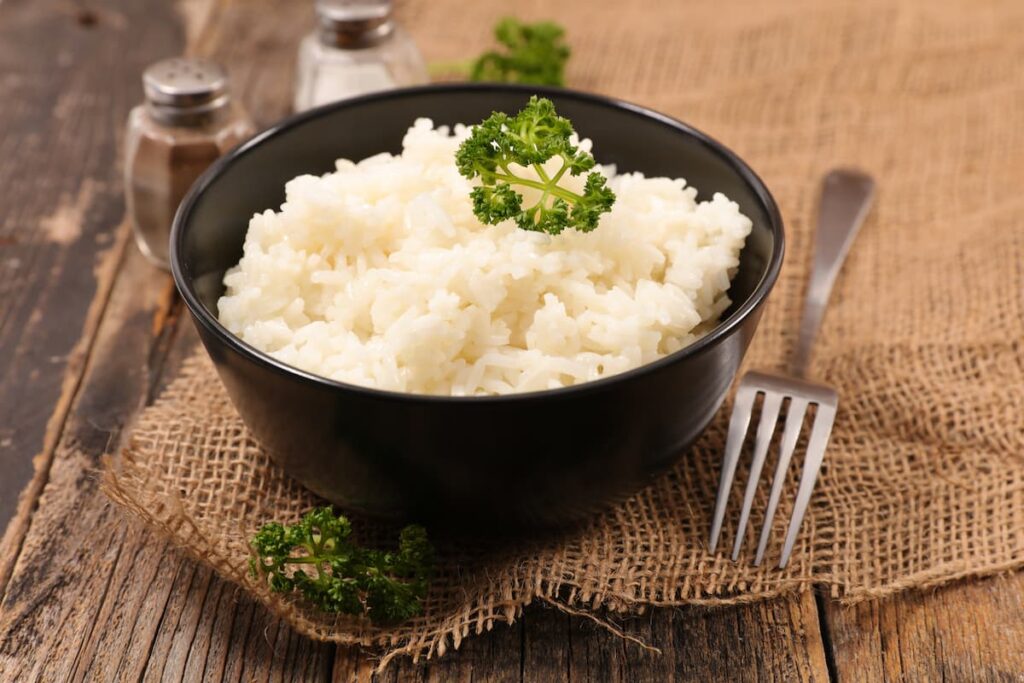
Cooked rice can be a good food option for wild birds. It offers carbohydrates and some protein. Birds may benefit from the energy boost.
Feeding wild birds can be a delightful activity, offering you a chance to connect with nature. However, understanding the nutritional value of what you're feeding them is crucial. Cooked rice, a staple in many households, can be a convenient and cost-effective option. But is it beneficial for our feathered friends?
Understanding Rice's Basic Nutrients
Cooked rice is primarily composed of carbohydrates, providing a quick energy boost for birds. It also contains small amounts of protein and negligible fats. While rice isn't packed with vitamins and minerals, it can be a supplementary source of energy, especially during colder months when birds need extra fuel.
Carbohydrates: Energy Source
The carbohydrates in cooked rice break down into simple sugars. This gives birds an immediate energy boost. Imagine how a small bird, flitting from branch to branch, can use that energy to stay active and alert.
Protein Content: Minimal But Beneficial
Though rice isn’t a primary protein source, it does offer a little. This can be a small bonus in a wild bird’s diet. Protein is vital for muscle repair and growth, even in small amounts.
Absence Of Essential Fats
One downside is the lack of essential fats in rice. Birds need these fats for insulation and long-term energy storage. Offering rice alongside seeds or nuts can balance this nutritional gap.
Potential Risks And Considerations
Feeding rice isn't without concerns. Birds can become reliant on easy food sources, potentially impacting their natural foraging skills. Have you ever wondered if providing too much of one food type could harm their health?
Practical Tips For Feeding Rice
If you choose to feed rice, make sure it’s plain and unsalted. Salt can be harmful to birds. Offer it in moderation and mix it with other bird-friendly foods for a balanced diet.
Engaging With Nature Responsibly
Feeding wild birds brings joy, but it's essential to do so responsibly. By understanding the nutritional value of foods like cooked rice, you can make informed decisions. What other household foods could be safe and beneficial for birds? Feeding wild birds is not just about throwing out food; it's about enhancing their diet and ensuring they're healthy. Make each feeding session an opportunity to learn and connect.
Common Bird Diets
Cooked rice can be a suitable food option for wild birds. It provides an easily digestible source of carbohydrates. Ensure the rice is plain, without added salt or spices, to keep birds healthy.
When considering feeding cooked rice to wild birds, it's essential to understand their common diets. Birds are fascinating creatures with diverse dietary needs, often dictated by their species and habitat. What do wild birds typically eat? How can you ensure you're not disrupting their natural nutrition?
Natural Food Sources
Wild birds are resourceful foragers. They thrive on a varied menu provided by nature, ranging from seeds, nuts, and fruits to insects and small mammals. Some birds, like sparrows and finches, are seed enthusiasts, constantly on the lookout for grains. Others, such as robins and bluebirds, enjoy a diet rich in worms and insects. Imagine watching a robin pluck a worm from the ground – it's a testament to nature's perfect provisioning.
Nutritional Needs
Wild birds need a well-rounded diet to maintain their energy and health. Just like humans, birds require a mix of carbohydrates, proteins, and fats. Seeds and grains offer them essential carbohydrates, while insects provide much-needed protein. Birds also need fats, which they often find in nuts and certain seeds. Ensuring a balance in these nutrients helps birds survive harsh weather and long migrations. Have you ever wondered if your backyard snacks are meeting these nutritional needs? Offering a variety of foods can make your garden a sanctuary for birds. Feeding wild birds is a fulfilling activity, but it requires mindfulness. Considering their natural diets and nutritional needs ensures you're contributing positively to their well-being. Are you ready to make your garden a bird-friendly haven?
Potential Benefits Of Feeding Rice
Cooked rice can be a nutritious treat for wild birds. It provides energy and is easy for them to digest. Offering rice can attract a variety of bird species to your garden, enhancing bird-watching experiences.
Feeding wild birds can be rewarding. Rice is an option many consider. It offers several potential benefits. Let's explore them.
Energy Source
Rice provides a good energy source. Birds need energy for flying and staying warm. Cooked rice is easy to digest. It helps birds gain necessary calories. During winter, this is important. Birds find it hard to get food. Rice can fill this gap. It's a simple energy boost.
Cost-effectiveness
Rice is affordable. Many households have it in stock. Feeding birds doesn't need to be expensive. Rice offers a cost-effective option. You can help birds without spending much. This makes rice an ideal choice. It's a win-win for you and the birds. `
Risks Of Offering Cooked Rice
Feeding wild birds can be a rewarding experience. But offering cooked rice might pose risks. Birds have specific dietary needs. Understanding these risks is crucial for their health.
Digestive Concerns
Cooked rice can be difficult for birds to digest. Their digestive systems differ from humans. Rice can expand in their stomachs. This might cause discomfort or harm. Birds require a balanced diet for energy. Rice lacks essential nutrients. Incomplete nutrition affects their well-being.
Dependency Issues
Providing cooked rice can create dependency. Wild birds may rely on easy food sources. This disrupts their natural foraging habits. Birds need diverse foods to thrive. They might stop seeking varied nutrition. Dependency can affect survival skills. Birds should maintain their instincts to adapt.
Safe Feeding Practices
Feeding wild birds can be a delightful activity. It connects us with nature. Yet, maintaining safe feeding practices is crucial. Cooked rice might seem harmless, but feeding it requires care. Birds have diverse dietary needs. Understanding these ensures their health and safety.
Moderation And Variety
Offer cooked rice to wild birds in moderation. Too much rice can be harmful. Birds need a balanced diet. Rice lacks essential nutrients. Combine it with other food sources. This ensures birds get necessary nutrients. Variety keeps their diet interesting and healthy.
Alternative Food Options
Consider other food options for wild birds. Seeds are a popular choice. Sunflower seeds are nutritious and safe. Fruits also provide essential vitamins. Apples and berries are great choices. Avoid processed foods and bread. These can harm birds' health. Always prioritize natural and fresh options.
Credit: meanderingwild.com
Environmental Impact
Feeding wild birds may seem like a harmless act. But it can impact the environment. Understanding these effects is crucial. Cooked rice can have both positive and negative consequences. Let's explore how it affects ecosystems and contributes to pollution.
Impact On Ecosystems
Wild birds are part of delicate ecosystems. They play roles in seed dispersal and pest control. Introducing cooked rice can disrupt these natural processes. It may alter their natural diet. Birds might become reliant on human-provided food. This dependency can affect their natural foraging behaviors. It may also impact species diversity. Changes in bird populations can influence other wildlife. The balance of nature could be disturbed.
Waste And Pollution
Feeding birds rice can lead to waste. Not all rice gets eaten. Leftover rice can attract pests like rodents. Rotting rice can create unpleasant odors. It may also contribute to pollution. Rice left on the ground can wash into waterways. It can affect water quality. Polluted water can harm aquatic life. Rice disposal needs to be managed carefully. Keeping nature clean is vital.
Expert Opinions
Feeding wild birds can be a delightful experience. Many people wonder if cooked rice is suitable for them. Expert opinions vary on this topic. Understanding their perspectives can help make informed decisions.
Ornithologists’ Views
Ornithologists study birds and their behavior. They generally advise against feeding birds cooked rice regularly. This advice is based on nutritional needs. Birds require a balanced diet. Rice lacks essential nutrients. It can fill their stomachs without providing necessary energy.
Some ornithologists suggest occasional rice feeding might be okay. Small amounts are harmless. But it shouldn't replace their natural diet. Observing bird behavior is crucial. If birds seem healthy, occasional treats may be fine.
Wildlife Conservationists’ Perspectives
Wildlife conservationists focus on animal welfare. They emphasize preserving natural ecosystems. Feeding wild birds cooked rice can disrupt natural feeding patterns. Birds might rely on human-provided food. This reliance can harm their survival skills.
Conservationists often advise against feeding human food to wildlife. It can change their foraging habits. Encouraging natural feeding behaviors is vital. Protecting native habitats ensures birds find the right food. They stress creating environments that support biodiversity.

Credit: homeandroost.co.uk
Frequently Asked Questions
Is Cooked Rice Safe For Wild Birds?
Yes, cooked rice is generally safe for wild birds. It provides carbohydrates and some nutrients. Ensure the rice is plain and unseasoned. Avoid feeding them rice that contains salt, spices, or oils. Always offer it in moderation as part of a varied diet.
Do Wild Birds Like Eating Cooked Rice?
Many wild birds enjoy eating cooked rice. It is soft and easy to digest. Birds like sparrows, pigeons, and doves may particularly appreciate it. However, individual preferences can vary. Always observe how birds in your area respond to cooked rice.
Can Feeding Rice Harm Wild Birds?
Feeding rice in moderation won't harm wild birds. However, excessive rice can lead to nutritional imbalances. It should not replace their natural diet. Always offer a variety of foods to ensure balanced nutrition for the birds.
How Should You Serve Rice To Wild Birds?
Serve rice plain and cooked without any seasoning. Place it on a platform feeder or sprinkle it on the ground. Ensure the rice is cool before serving. This will make it safe and more appealing for the birds to consume.
Conclusion
Feeding cooked rice to wild birds is generally safe. It offers energy and nutrients. Always ensure the rice is plain and unseasoned. Avoid giving them rice with salt or spices. Moderation is key to a balanced diet for birds. Offer rice alongside other bird-friendly foods.
Fresh fruits and seeds make excellent choices. Observing birds' preferences can guide feeding habits. Respect their natural diet and needs. Enjoy the joy of birdwatching in your garden. A mindful approach keeps birds healthy and happy.