


Have you ever wandered through a park, a bag of bread in hand, ready to treat the local birds to a snack? It seems innocent enough, a charming ritual shared by many.
But have you ever paused to wonder if feeding bread to birds is truly beneficial for them? This seemingly simple act might be more complex than you think. By the end of this article, you’ll discover surprising truths about bread’s impact on our feathered friends.
Keep reading to learn what experts say and how your small actions can make a big difference in the well-being of birds.
Credit: www.reddit.com
Bread And Bird Nutrition
Feeding bread to birds might seem harmless, but it offers little nutrition. Birds need diverse diets for energy and health. Consider seeds, fruits, and grains for balanced nutrition.
Feeding birds can be a delightful experience, but understanding the nutritional value of what you offer is crucial. Bread often ends up in bird feeders, but does it really serve their dietary needs? Let's delve into the nutritional aspects of bread and its impact on our feathered friends.
Why Bread Falls Short In Bird Nutrition
Bread lacks essential nutrients that birds need to thrive. While it might fill their stomachs, it doesn't provide proteins, fats, or vitamins crucial for their health. Think of it as feeding a child candy—it’s enjoyable but not nourishing.
What Happens When Birds Eat Too Much Bread?
Overconsumption of bread can lead to malnutrition. Birds might become dependent on it, missing out on a balanced diet. This can weaken their immune systems and hinder their ability to fly efficiently. Have you noticed flocks gathering around bread crumbs and wondered if they’re truly benefiting?
Alternatives To Bread For A Healthy Bird Diet
Consider offering seeds, fruits, or nuts instead. These choices are rich in nutrients that support their energy and growth. Imagine a vibrant backyard with birds chirping happily, fueled by nourishing food. Wouldn't that be a sight to enjoy?
Personal Experience: Observing Birds’ Reactions
Once, I swapped bread for sunflower seeds in my backyard feeder. The change was remarkable—birds lingered longer and seemed more energetic. It made me question the habitual use of bread. Have you tried experimenting with different foods for birds?
Engage With Your Environment
Next time you toss bread to birds, consider its nutritional impact. Ask yourself: are you fostering their health or simply feeding a habit? Your choices can shape a healthier ecosystem. What changes can you make today to support local wildlife? Embracing thoughtful feeding practices not only benefits birds but enriches your experience as a caretaker of nature.
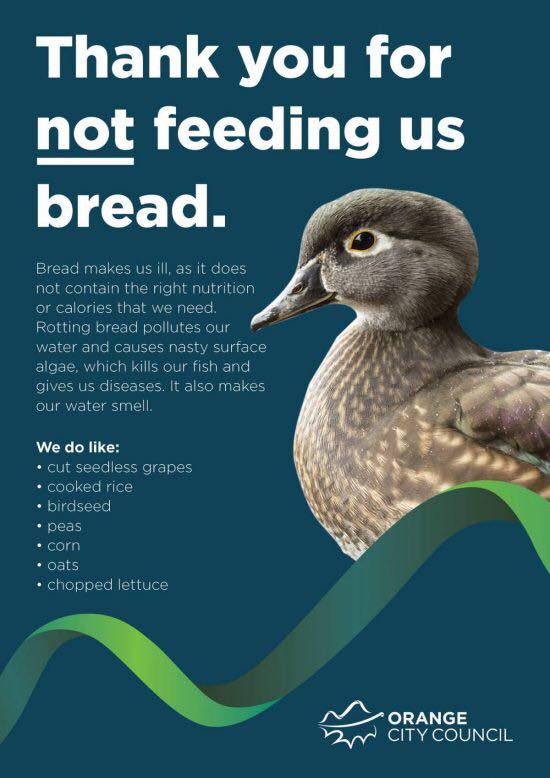
Credit: www.nestandglow.com
Common Myths
Feeding birds is a delightful pastime for many nature lovers. Yet, common myths about feeding bread to birds persist. These myths can mislead and harm our feathered friends. Understanding these myths is crucial for responsible feeding.
Myth 1: Bread Is A Nutritious Treat
Many believe bread offers good nutrition for birds. In reality, bread lacks essential nutrients. It can fill birds' stomachs without providing real nourishment.
Myth 2: Birds Love Any Type Of Bread
People think birds enjoy any bread variety. Yet, some bread types can be harmful. White bread, in particular, holds little benefit and can be dangerous.
Myth 3: Feeding Bread Keeps Birds Healthy
Some assume feeding bread keeps birds healthy. This is not true. Bread can lead to malnutrition over time. Birds need a balanced diet to thrive.
Myth 4: All Birds Can Digest Bread Easily
It's a myth that all birds can digest bread easily. Bread can swell in their stomachs, causing discomfort. This can lead to serious health issues for birds.
Potential Risks
Feeding bread to birds can lead to health issues like malnutrition and digestive problems. Overconsumption might cause them to become dependent on humans for food. This disrupts their natural foraging behavior.
Feeding bread to birds might seem like a harmless act of kindness. However, it carries potential risks that can affect both the health of the birds and the environment. Let's explore these risks to better understand why bread might not be the best food option for our feathered friends.
Health Issues
Bread, especially white bread, lacks the essential nutrients that birds need for a healthy diet. It can fill them up without providing necessary vitamins and minerals. This can lead to malnutrition and health problems. Imagine a time when you felt sluggish after eating junk food. Birds experience similar effects when consuming bread. It can cause them to become weak, making them more vulnerable to predators. Additionally, bread can expand in a bird’s stomach when it gets wet, leading to digestive issues. Have you ever felt discomfort after overeating? Birds can experience similar discomfort, impacting their ability to fly and forage effectively.
Environmental Impact
Feeding birds excessive bread can also have environmental consequences. Leftover bread can attract pests like rats and can contribute to pollution when it decomposes. Consider a park you visit often. Imagine it littered with moldy bread pieces, affecting its beauty and cleanliness. This can harm the local ecosystem, as moldy bread can introduce harmful bacteria into waterways. In some areas, feeding bread to birds has led to overpopulation, which can disrupt the natural balance. Too many birds in one area can lead to competition for resources, stressing the local wildlife. Next time you consider feeding bread to birds, think about how your actions might affect their health and the environment. Wouldn't it be better to offer them something that benefits both?
Healthier Alternatives
Feeding bread to birds is a common practice. Yet, bread lacks essential nutrients for their health. Offering healthier alternatives can benefit birds greatly. Providing proper nutrition ensures their wellbeing and longevity. Discover better food options that enhance their diet.
Seeds And Grains
Seeds and grains are excellent choices for bird nutrition. They contain vital proteins and healthy fats. Sunflower seeds and millet are popular among birds. Quinoa, oats, and barley are nutritious options. These foods boost energy and support growth.
Fruits And Vegetables
Fruits and vegetables provide essential vitamins and minerals. Birds enjoy apples, berries, and grapes. Leafy greens like spinach are beneficial. Carrots and peas offer important nutrients. These fresh foods improve bird health and vitality.
Tips For Feeding Birds Safely
Feeding birds can be a delightful activity, but bread is not a good choice for them. It lacks essential nutrients and can cause health issues. Instead, provide seeds or grains to ensure their well-being.
Feeding birds can be a delightful activity that offers a chance to connect with nature. However, it's crucial to ensure that your feathered friends are safe and healthy when you share snacks like bread. Did you know that feeding birds improperly can harm them? Let’s dive into some practical tips for feeding birds safely.
Portion Control
When feeding birds, moderation is key. Too much bread can fill birds up without providing the essential nutrients they need. Think about how much bread you would eat. Birds have small stomachs, so a small piece is plenty. Consider cutting up the bread into tiny pieces. This makes it easier for birds to digest and prevents waste.
Feeding Locations
Where you feed birds matters as much as what you feed them. Choose spots away from roads and predators. This keeps them safe from cars and animals that might want to harm them. Try your backyard or a local park. These areas are typically safer and offer birds a natural environment. If you’ve ever seen birds scatter because of a passing car, you know how stressful it can be for them. Providing a peaceful spot lets them eat without fear. Are you mindful of the feeding location’s safety? Selecting the right spot can make a huge difference in ensuring birds enjoy your offerings without risk. With these simple tips, you can enjoy bird feeding while keeping your avian visitors healthy and safe.

Credit: avianreport.com
Bird Feeding Etiquette
Feeding bread to birds can harm their health. It lacks essential nutrients, leading to malnutrition and other health issues. Choose seeds, fruits, or specialized bird food for a healthier option.
Feeding birds can be a delightful experience, connecting you with nature and its feathered inhabitants. However, it's essential to understand the etiquette involved in this activity to ensure you're not inadvertently causing harm. Bird feeding etiquette isn't just about tossing crumbs; it's about fostering a healthy relationship with wildlife and your community.
Respecting Wildlife
Respecting wildlife means understanding the impact your actions have on birds. Bread, though often seen as a quick snack for them, doesn't provide the necessary nutrients they need. You might notice that birds seem eager to eat bread, but they require a balanced diet to thrive. Consider offering seeds or specialized bird food that supports their health. By doing this, you contribute to their well-being instead of encouraging poor dietary habits. Think about the location of your feeding. If you're in a natural habitat, ensure you leave no trace that might disrupt the environment.
Community Guidelines
Feeding birds in public spaces often comes with rules to follow. These guidelines are set to maintain balance and cleanliness in shared areas. Before you start feeding birds, check if there are any local regulations or signs that might advise against it. Understand that feeding birds in large numbers can lead to noise, droppings, and other disruptions. You wouldn't want to create a situation where the community is negatively impacted. Be mindful of the people around you. Some might not appreciate the presence of birds in certain areas. Adjust your actions if you notice discomfort or disapproval from fellow community members. Have you ever fed birds and noticed how they flock around? It's exciting, but remember that moderation is key. Feeding too much can cause dependency, making birds reliant on human-provided food. By practicing these guidelines, you ensure a harmonious experience for both wildlife and the people sharing your environment.
Frequently Asked Questions
Is Feeding Bread To Birds Safe?
Feeding bread to birds is not safe. Bread lacks essential nutrients birds need. It can cause malnutrition and digestive issues. Instead, offer seeds, grains, or fruits. These provide better nutrition. Feeding birds properly helps maintain their health and supports local wildlife.
Why Is Bread Bad For Birds?
Bread is bad for birds because it lacks essential nutrients. It fills their stomachs without providing necessary vitamins. This can lead to malnutrition and poor health. Bread can also cause digestive problems. It's better to provide birds with seeds, fruits, and nuts for a healthy diet.
What Are Healthier Alternatives To Bread For Birds?
Healthier alternatives to bread include seeds, fruits, and grains. Sunflower seeds, millet, and cracked corn are excellent choices. Fresh fruits like apples and berries also provide essential nutrients. These foods support birds' health and well-being. Avoid processed foods and opt for natural, nutrient-rich options.
Can Bread Cause Health Issues In Birds?
Yes, bread can cause health issues in birds. It can lead to malnutrition and vitamin deficiencies. Additionally, it may cause digestive problems and swelling. Offering birds nutrient-rich foods like seeds and fruits is better. Providing a balanced diet helps maintain their health and vitality.
Conclusion
Feeding bread to birds seems harmless. But it’s not always safe. Bread lacks vital nutrients birds need. Too much bread can harm their health. Sometimes, it leads to malnutrition. Moldy bread can even be dangerous. It can make birds sick.
So, offer healthier options instead. Seeds, fruits, and grains are better choices. These provide essential nutrients. Birds thrive when they eat well. Keep them healthy and happy. Choose wisely. Help them live longer. Enjoy watching them flourish in nature. Your small actions matter.
Protect our feathered friends with mindful feeding practices. It’s easy and rewarding.