


Are you a bird lover, always on the lookout for new and nutritious treats to add to your feathered friends' diet? If you've ever wondered whether sesame seeds could be a delightful addition to your backyard buffet, you're not alone.
This tiny, nutty seed holds more than just a place in your kitchen pantry; it might just be the next favorite for your avian visitors. Before you start sprinkling them over your bird feeders, let's dive into whether sesame seeds are safe and beneficial for your birds.
Keep reading to discover the surprising truth about feeding birds sesame seeds and how it could transform your bird-feeding routine. Your birds will thank you, and your garden might just become the most popular spot in the neighborhood!

Credit: www.tiktok.com
Birds And Their Dietary Needs
Curious about bird diets? Birds can eat sesame seeds in moderation. These seeds offer healthy fats and protein. Ensure seeds are fresh and unsalted to keep birds safe.
Understanding what birds eat is crucial. Different birds have different diets. They need various nutrients to stay healthy. A balanced diet helps them grow and thrive.
Common Bird Diets
Bird diets vary widely. Some birds eat seeds. Others prefer fruits or insects. Parrots enjoy nuts. Finches love seeds. Insects attract robins and sparrows. Each bird species has specific dietary preferences.
Nutritional Requirements
Birds need certain nutrients. Proteins, fats, and carbohydrates are essential. Vitamins and minerals support health. Calcium strengthens bones. Iron aids blood health. A varied diet ensures they get all nutrients. Without these, birds may become weak or ill. `
Sesame Seeds: Composition And Benefits
Bird enthusiasts often wonder about the suitability of different seeds for feeding birds. Sesame seeds, known for their rich flavor and health benefits, may pique interest. Understanding their composition and benefits helps in making informed choices for bird diets.
Nutritional Profile
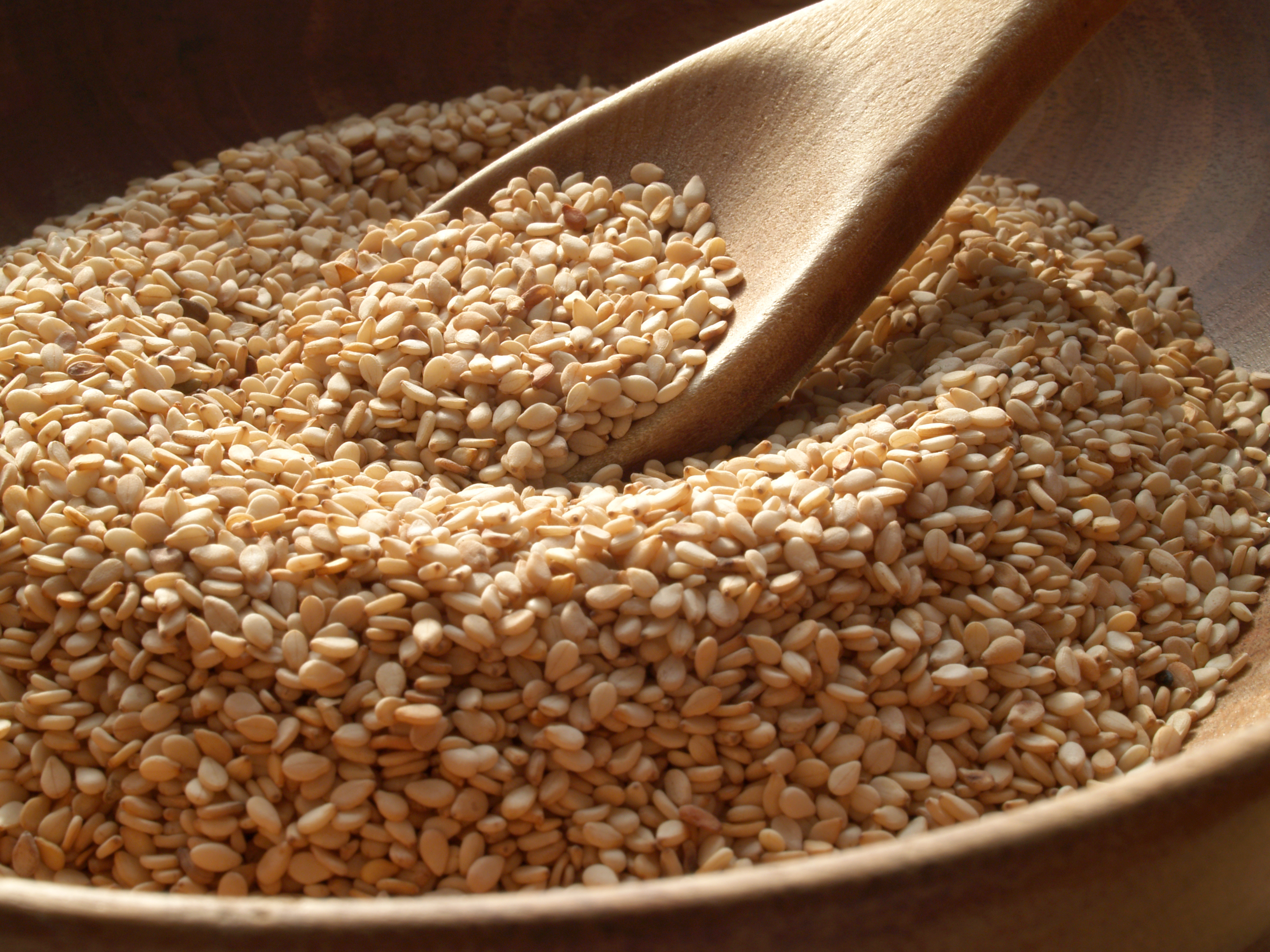
Sesame seeds pack a punch with essential nutrients. They contain healthy fats, proteins, and carbohydrates. The seeds are rich in minerals like calcium, magnesium, and iron. These nutrients support bone health and metabolic functions. Sesame seeds also have vitamins such as B-complex and E. These vitamins play roles in energy production and antioxidant protection. The seeds are small but mighty in nutritional value.
Potential Health Benefits
Sesame seeds offer potential health benefits for birds. The healthy fats support feather and skin health. Proteins aid in muscle development and repair. Calcium and other minerals strengthen bones. Vitamins boost energy and immunity. Antioxidants help in reducing oxidative stress. Birds may benefit from a balanced intake of these nutrients. Offering sesame seeds occasionally can be beneficial.
Feeding Birds Sesame Seeds
Birds can enjoy sesame seeds as part of their diet. These seeds provide essential nutrients and energy. Ensure seeds are fresh, and offer them in moderation for healthy feeding.
Feeding birds can be a delightful way to connect with nature, and many of us are always on the lookout for safe and nutritious options. Sesame seeds might not be the first thing that comes to mind, but they can be a surprising addition to your bird-feeding routine. You might wonder if these tiny seeds are suitable for your feathered friends. Let's delve into this intriguing topic and explore the potential benefits and safety concerns of feeding birds sesame seeds.
Potential Benefits For Birds
Sesame seeds are packed with nutrients. They are rich in healthy fats, proteins, and minerals. These nutrients can be beneficial for birds, especially during colder months when energy needs are higher. Birds like sparrows and finches might enjoy sesame seeds as part of their diet. Offering a variety can keep birds interested and provide a well-rounded nutritional intake. Have you noticed birds picking at seeds you offer, perhaps showing a preference for certain types? Including sesame seeds can also attract a diverse range of birds to your yard. This can enhance your bird-watching experience, making your garden a lively and colorful spot.
Safety Concerns
While sesame seeds have their benefits, it's essential to consider safety. Birds have small digestive systems, and too many seeds can cause issues. Moderation is key to ensuring their health. Unsalted and raw sesame seeds are the safest choice. Salted seeds can be harmful, leading to dehydration and other health problems. It's important to observe the birds' reactions. Some birds might not take to sesame seeds immediately. Experiment by mixing them with other seeds to see how the birds respond. Are the birds consuming the seeds, or are they leaving them behind? If you decide to introduce sesame seeds, keep an eye on the bird feeder's hygiene. Regular cleaning prevents the growth of mold, which can be dangerous to birds. How often do you clean your feeders to maintain a healthy environment for your visitors? By carefully considering these aspects, you can make informed choices about whether sesame seeds are a good fit for your bird-feeding practices.
Credit: www.aboutkidshealth.ca
Alternatives To Sesame Seeds
Feeding birds can be a delightful activity, but not all seeds are safe. Sesame seeds are not the best choice for birds. They can be too small and dry for many species. Finding alternatives ensures birds stay healthy and nourished. Explore various options that cater to birds' dietary needs.
Common Bird Feeds
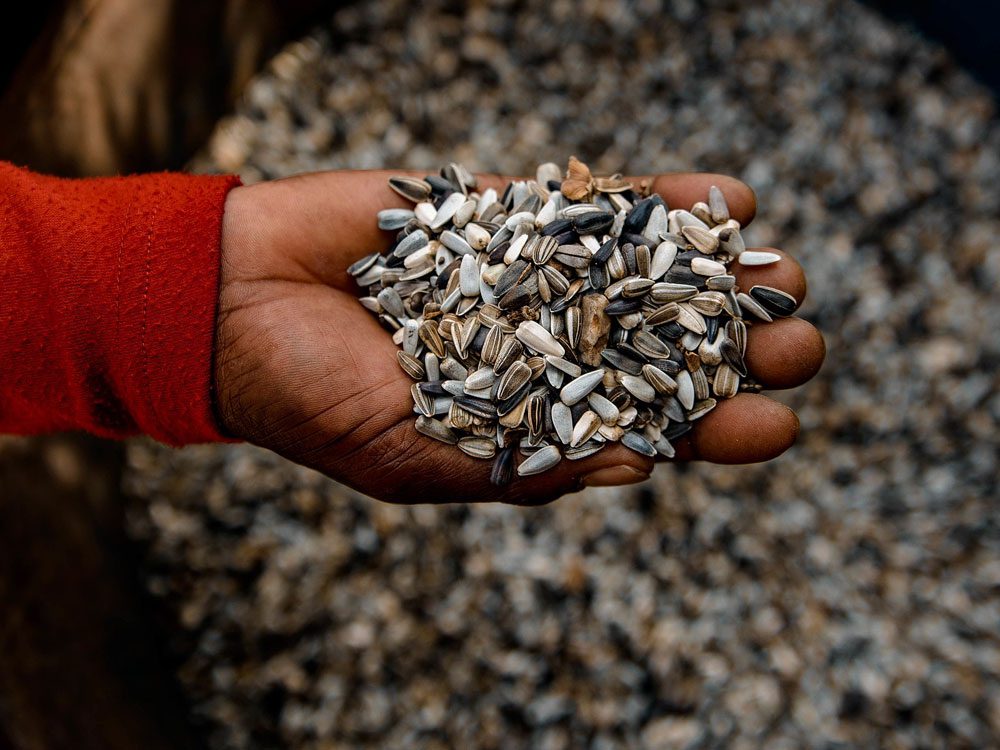
Birds enjoy a variety of feeds that are safe and nutritious. Sunflower seeds are a popular choice. They're high in protein and easy for birds to eat. Millet is another favorite. It's small and packed with energy. Peanuts can also be offered. They provide essential fats and proteins. Ensure they're unsalted and dry.
Safe Seed Options
Consider safflower seeds for a healthy alternative. They're rich in oils and beneficial nutrients. Nyjer seeds are perfect for finches and small birds. They're tiny and packed with essential oils. Pumpkin seeds offer a unique snack. They contain vitamins and minerals crucial for birds' health. Always ensure seeds are fresh and clean.
Observations And Studies
Understanding the dietary needs of birds is essential for their health. One common query among bird enthusiasts is about sesame seeds. Can birds safely consume them? To address this, several observations and studies have been conducted. These investigations aim to understand the impact of sesame seeds on bird health. Let's dive into the key findings and expert opinions on this subject.
Research Findings
Recent studies show that sesame seeds contain beneficial nutrients. They are rich in fats, protein, and calcium. These nutrients support bird health and energy levels. Yet, moderation is crucial. Excessive sesame seed consumption may lead to weight gain in birds. Researchers also found that sesame seeds are a good source of fiber. Fiber aids in digestion and maintains gut health in birds.
Expert Opinions
Bird specialists generally agree on feeding sesame seeds in moderation. Avian nutritionists recommend mixing seeds with other bird foods. This ensures a balanced diet. Experts warn against feeding only sesame seeds to birds. A varied diet is key to their overall well-being. Veterinarians suggest observing individual bird reactions to sesame seeds. Some birds may have specific dietary needs or restrictions.
Credit: www.allaboutbirds.org
Best Practices For Bird Feeding
Feeding birds is a delightful hobby that brings nature right to your doorstep. It's not just about throwing seeds into a feeder; it's about creating a nourishing environment that supports their health. As you consider what to feed, you might wonder about less common options like sesame seeds. Are they suitable? Let's explore the best practices for bird feeding to ensure our feathered friends thrive.
Feeding Tips
Start with a variety of seeds to attract different bird species. While sunflower seeds are popular, mixing in sesame seeds can add variety. Sesame seeds are rich in nutrients, but they are small, so consider blending them with larger seeds.
Ensure that the feeder is clean and dry. Moisture can spoil seeds quickly, making them harmful. Use a feeder with drainage holes to prevent water accumulation.
Observe the birds that visit your feeder. You might find that certain species prefer sesame seeds over others. Adjust your mix based on what you see. Don’t be afraid to experiment with different seed blends.
Creating A Balanced Diet
Birds need a balanced diet just like us. Combine seeds with other foods like fruits and nuts. This variety can help meet their nutritional needs.
Include seeds that offer protein and healthy fats, such as sunflower or pumpkin seeds, alongside sesame seeds. This combination can support their energy levels and feather health.
Consider seasonal changes. Birds may need more fat-rich foods in winter to sustain energy in cold weather. Adjust your mix accordingly to provide extra support during harsh conditions.
Have you ever noticed how some birds seem to thrive more than others? It might be the diet you’re providing. By offering a balanced variety, you can make a real difference in their lives.
Are you ready to see your garden come alive with vibrant bird activity? Try out these feeding tips and watch the transformation. Your efforts can create a sanctuary for birds, making your space a haven of life and color.
Frequently Asked Questions
Can Birds Eat Sesame Seeds Safely?
Yes, birds can safely eat sesame seeds. These seeds are a great source of healthy fats and proteins. They provide essential nutrients that support a bird's overall health. However, it's important to offer them in moderation as part of a balanced diet to avoid overconsumption of fats.
Are Sesame Seeds Beneficial For Birds?
Sesame seeds are beneficial for birds due to their high nutritional value. They contain essential fatty acids, proteins, and minerals like calcium and iron. These nutrients support healthy feathers, bones, and overall vitality. Including sesame seeds in a bird's diet can enhance their well-being when offered in moderation.
How Often Should Birds Eat Sesame Seeds?
Birds should eat sesame seeds in moderation, ideally a few times a week. Overconsumption can lead to excessive fat intake, which might not be healthy. Mixing sesame seeds with other seeds ensures a balanced diet. Always observe your bird's response and adjust accordingly for their optimal health.
Do All Bird Species Like Sesame Seeds?
Not all bird species are attracted to sesame seeds, but many enjoy them. Birds like sparrows, finches, and parrots often find them appealing. It's important to observe individual bird preferences. Offering a variety of seeds can help you determine if sesame seeds are a favorite for your specific birds.
Conclusion
Feeding birds sesame seeds can be safe. Moderation is key for bird health. Small seeds fit well in their diet. Ensure seeds are fresh and clean. Avoid salted or flavored sesame seeds. These can harm birds. Birds enjoy variety in their diet.
Pair sesame seeds with other bird-friendly foods. Fresh fruits and grains are excellent choices. Always observe birds' reactions to new foods. Keep water nearby for hydration. Happy, healthy birds make a beautiful sight. Enjoy watching your feathered friends thrive. Safe feeding leads to joyful birdwatching moments.