


Have you ever wondered if you can feed birds peanuts? This question might have crossed your mind as you watch birds flutter around your garden or park.
You want to help them, but you also want to ensure their safety and health. Feeding birds can be a delightful experience, connecting you with nature and allowing you to contribute to the ecosystem. But before you toss a handful of peanuts their way, it’s crucial to know what’s best for your feathered friends.
You’re about to uncover the truth about peanuts and birds, and the answers may surprise you. So, stay with us as we explore this fascinating topic and discover how you can make a difference in the lives of these beautiful creatures. Your curiosity could lead to a more harmonious coexistence with nature.
Benefits Of Feeding Birds Peanuts
Peanuts offer a rich source of protein and essential fats for birds. Their nutrient-dense profile supports energy and overall health. Birds enjoy the taste, making peanuts a popular choice for backyard feeders.
Feeding birds can be a delightful experience, and peanuts are a popular choice among bird enthusiasts. But why exactly are peanuts beneficial for our feathered friends? Let’s dive into the advantages of offering these tasty treats to birds.
Nutritional Value
Peanuts are packed with nutrients that birds need. They are an excellent source of protein, which supports muscle development and overall health. Peanuts also contain essential vitamins and minerals, such as Vitamin E and magnesium, which aid in boosting the immune system and promoting strong bones. By providing these nutrients, you help birds maintain their energy levels and stay healthy, especially during the colder months when food can be scarce.
Energy Source
Birds require high-energy foods to fuel their active lifestyles. Peanuts provide that energy with their high fat content. During winter, birds burn more calories to stay warm. Peanuts offer them a quick and efficient energy source to withstand cold temperatures. By adding peanuts to your bird feeder, you give birds the energy they need to thrive, even when conditions are harsh. Have you ever noticed how birds flock to your feeder as soon as you fill it with peanuts? That's because they instinctively know the energy boost peanuts provide. As you enjoy watching their lively antics, consider how a simple addition to their diet can make a difference in their survival and well-being. Are you ready to make your backyard a haven for energetic and healthy birds? By including peanuts in their diet, you offer them more than just a snack—it's a lifeline.
Credit: naturenotesblog.blogspot.com
Types Of Peanuts For Birds
Feeding birds peanuts can be a delightful activity, but it's essential to know the types of peanuts that are safe and beneficial for our feathered friends. Different types of peanuts offer varying nutritional benefits and can affect how birds consume them. Understanding these differences can help you make the best choices for your backyard birds.
Raw Vs. Roasted
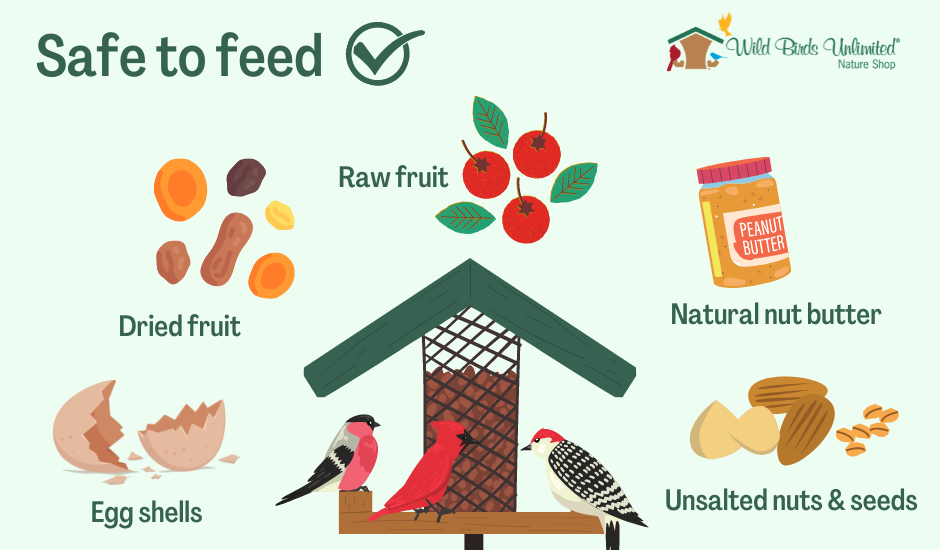
Raw peanuts are typically the safest option for birds. They retain their natural oils and nutrients, ensuring birds get the most out of their snack. However, you'll want to ensure they're fresh and free from mold, as this can harm birds.
Roasted peanuts, especially those salted or flavored, should generally be avoided. Salt and additives can be detrimental to birds' health. If you opt for roasted peanuts, make sure they're unsalted and plain. This ensures birds aren't ingesting harmful substances.
Shelled Vs. Unshelled
Unshelled peanuts are a great choice if you enjoy watching birds interact with their food. Birds like woodpeckers and jays are skilled at cracking open shells, offering a fascinating spectacle right in your backyard. Plus, the shells can deter pests, keeping the peanuts intact longer.
Shelled peanuts are convenient and reduce mess in your feeding area. They offer immediate access to the nut, which can be helpful during colder months when birds need quick energy. However, they may attract more pests, so consider how you store them.
Have you ever noticed your feathered visitors' preferences? Observing their choices can guide you in selecting the best peanut type for your local wildlife. So, next time you fill your feeder, ask yourself: are these peanuts bringing joy and nutrition to my feathered friends?
Potential Risks Of Peanuts
Feeding birds peanuts can pose risks. Moldy peanuts may contain toxins harmful to birds. Whole peanuts might cause choking in smaller birds. It’s crucial to ensure that peanuts are fresh and appropriate for bird consumption.
Feeding birds can be a delightful pastime, but you may wonder about the potential risks of offering peanuts to your feathered friends. While peanuts can be a nutritious treat, they also come with certain hazards you should be aware of. Understanding these risks can help you make informed choices, ensuring the birds in your garden are safe and healthy.
Aflatoxin Concerns
Aflatoxins are harmful toxins produced by certain molds that can grow on peanuts. These toxins can be dangerous not only to birds but also to other animals and humans. When storing peanuts for bird feeding, it's crucial to keep them dry and check for any signs of mold. Purchasing peanuts from reputable sources can reduce the risk of aflatoxin contamination. Look for peanuts specifically labeled for bird consumption. These are often tested for toxins and are safer options. You might have noticed how some birds seem to avoid peanuts entirely. This could be a natural instinct to avoid potential toxins. Always observe your local birds' behavior and adjust feeding practices accordingly.
Choking Hazards
Peanuts can pose a choking hazard, especially to smaller bird species. Whole peanuts can be difficult for tiny beaks to manage. Always consider the size and type of bird you're feeding. Crushing or chopping peanuts into smaller pieces can make them safer for birds to eat. This simple action can prevent potential choking incidents. You might find that birds are more eager to visit your feeder when they can easily enjoy their treats. Have you ever watched a bird struggle with a large piece of food? It's a reminder of how important it is to provide appropriately sized snacks. By breaking down peanuts, you ensure all birds can partake without risk. Is it worth the risk to offer peanuts to your backyard visitors? By being mindful of these potential dangers, you can make feeding birds a safe and enjoyable hobby. Always prioritize the safety and health of your feathered guests, and they'll keep coming back for more.

Credit: birdseedandbinoculars.com
Proper Preparation Techniques
Feeding birds peanuts requires careful preparation. Remove shells and chop peanuts to prevent choking hazards. Ensure they are unsalted for safe consumption.
Feeding birds can be a delightful activity, and peanuts are a popular choice for many bird enthusiasts. However, to ensure the safety and health of your feathered visitors, it's important to prepare peanuts properly. This not only makes the peanuts easier for birds to eat but also helps prevent potential health issues. Let’s explore the correct preparation methods to create a bird-friendly snack.
Crushing Peanuts
Crushing peanuts is a simple yet effective way to make them more manageable for birds. Whole peanuts can be too large, especially for smaller birds, and might pose a choking hazard. Start by placing the peanuts in a plastic bag. Use a rolling pin or a sturdy bottle to gently crush them. Aim for small, manageable pieces rather than fine powder. Have you ever noticed how some birds struggle with larger food pieces? This simple step can make your feeding station more inviting and accessible.
Removing Shells
While some birds can handle peanut shells, many can't. Shells can be tough and difficult to digest. Removing them ensures that all birds can enjoy this nutritious treat without any hassle. You might wonder if shelling peanuts is worth the effort. Picture this: one morning, I noticed that fewer birds visited my feeder. Once I started offering shell-free peanuts, the number of visitors doubled! Shells can be removed manually or by buying pre-shelled peanuts. If you're doing it yourself, ensure you remove all traces of the shell. Even small pieces can be problematic. Preparing peanuts correctly not only enhances the birds' experience but also makes your feeding efforts more rewarding. Have you tried these techniques? Your backyard might just become the next popular bird bistro!
Bird Species That Enjoy Peanuts
Many birds love peanuts, making them a popular food choice. Blue jays, woodpeckers, and chickadees find peanuts delicious. Offering unsalted peanuts can attract these feathered friends to your yard.
Peanuts are a nutritious treat for many bird species. They provide essential fats and proteins. Birds love the crunch and taste of peanuts. Offering them can attract a variety of birds to your backyard. Below, explore the specific birds that relish peanuts.
Common Backyard Birds
Many backyard birds enjoy peanuts. Blue jays are among the most enthusiastic. They love the taste and will often cache them for later. Chickadees also find peanuts irresistible. They frequently visit feeders for this tasty snack. Sparrows and titmice enjoy peanuts too. They nibble on them whenever available.
Woodpeckers And Jays
Woodpeckers are big fans of peanuts. Their strong beaks make cracking peanuts easy. They love both shelled and unshelled varieties. Jays are also peanut enthusiasts. They are clever and often carry peanuts away. They may bury them to retrieve later. Both birds are common visitors to peanut feeders. `
Feeding Tips And Tricks
Peanuts are a nutritious treat for birds. Offer them unsalted and in-shell to keep them entertained. Ensure peanuts are fresh to avoid mold.
Feeding birds peanuts can be a delightful experience. Birds love peanuts for their taste and nutrition. Yet, it's essential to know the best ways to offer them. This ensures the birds get maximum benefits. Let's explore some tips and tricks to make peanut feeding safe and enjoyable.
Peanut Feeders
Using peanut feeders is a smart choice. These feeders keep peanuts dry and fresh. Birds can easily access the peanuts. Choose feeders with small openings. This prevents larger birds from taking all the peanuts. Hang feeders in safe spots. Away from predators like cats. Clean the feeders regularly. This stops mold and bacteria.
Mixing With Other Foods
Mix peanuts with other foods. Birds enjoy variety. Combine peanuts with seeds and fruits. This offers balanced nutrition. Avoid salted or flavored peanuts. These can harm birds. Always use raw or unsalted peanuts. Consider adding peanut butter. Spread it on pine cones. This attracts more birds. Provide fresh water nearby. Birds need water to stay hydrated.
Seasonal Considerations
Feeding birds peanuts can be a delightful activity. Birds love peanuts. Understanding the seasonal needs of birds is essential. Different seasons bring different requirements for feeding. Peanuts can provide essential nutrients year-round. Let's explore how peanuts fit into birds' diets during winter and summer.
Winter Feeding
Winter is harsh for birds. Food sources become scarce. Peanuts offer high energy content. They help birds stay warm. Fat from peanuts is crucial during cold months. Birds need calories to survive the chill. Ensure peanuts are unsalted. Salt can harm birds. Shelled peanuts are easier for birds to eat. Provide fresh peanuts regularly. Check for mold or spoilage. Moldy peanuts can be dangerous.
Summer Feeding
Summer is a time of abundance. Birds have more food choices. Peanuts remain a popular option. They offer protein and nutrients. During summer, hydration is important. Ensure birds have access to water. Peanuts can be a treat, not a staple. Monitor portion sizes to avoid overfeeding. Fresh peanuts attract birds. Keep feeding areas clean. Regular cleaning prevents pests.
Observing Bird Behavior
Feeding birds can be a delightful hobby. Watching birds eat peanuts is fascinating. Their behaviors can reveal a lot about their preferences. This helps in understanding what they enjoy and what might be harmful.
Observing birds closely can improve your feeding practices. Knowing their reactions to peanuts can enhance their feeding experience. It is essential to recognize signs of enjoyment and potential problems.
Signs Of Enjoyment
Birds show clear signs of enjoyment when eating peanuts. They might chirp happily while nibbling. Energetic movements are another positive sign. Birds may return frequently for more peanuts.
Some birds peck eagerly at the peanut shell. This indicates they enjoy the challenge. Watch for birds gathering around the feeder. This shows they are attracted to the peanuts.
Potential Problems
While peanuts are a treat, they can cause issues. Birds might choke on large pieces. Always provide peanuts in small, manageable sizes. Moldy peanuts are dangerous for birds.
Mold can lead to illness. Keep peanuts fresh and check regularly. Overfeeding peanuts can lead to nutritional imbalance. Ensure a varied diet for the birds.

Credit: www.facebook.com
Frequently Asked Questions
Are Peanuts Safe For Birds To Eat?
Peanuts are generally safe for birds when unsalted and fresh. They provide essential nutrients and energy. However, moldy or salted peanuts can harm birds. Always ensure peanuts are free from harmful substances and suitable for birds.
Can I Feed Birds Peanuts In The Shell?
Yes, you can feed birds peanuts in the shell. Birds enjoy cracking the shells open, which helps with mental stimulation. Ensure the peanuts are fresh and unsalted. Avoid offering them to smaller birds that might struggle with larger shells.
What Birds Eat Peanuts?
Many bird species, like woodpeckers, jays, and chickadees, enjoy peanuts. These birds benefit from the high-energy content. Peanuts attract a variety of birds to your garden, enhancing bird-watching experiences. Always offer them in moderation.
How Should I Offer Peanuts To Birds?
Offer peanuts in bird feeders or scatter them on the ground. Use feeders designed for peanuts to prevent mold and spoilage. Ensure the peanuts are unsalted and fresh. This method keeps the feeding area clean and attracts various bird species.
Conclusion
Feeding birds peanuts brings joy to many nature lovers. Peanuts provide essential nutrients for birds. Ensure peanuts are unsalted and fresh. Watch out for moldy peanuts; they can harm birds. Break peanuts into smaller pieces for smaller birds. Always offer them in moderation.
Other seeds and nuts can also benefit birds. By feeding them right, you support their health. Enjoy watching birds thrive in your garden. Happy bird feeding!